SLEEP APNEA

RESTFUL SLEEP BEGINS WITH THE RIGHT DIAGNOSIS
“My partner can't sleep through my snoring.”
“I wake up exhausted every morning.”
“I tried CPAP and couldn't tolerate it.”
“My doctor says I have sleep apnea. What are my options?”
“I just want to sleep through the night.”
“I'm worried about what my snoring means.”
A MEDICAL CONDITION.
A COLLABORATIVE SOLUTION.
Obstructive sleep apnea is a serious medical condition in which the airway repeatedly narrows or closes during sleep. It is diagnosed by a physician, usually through a sleep study, and it deserves the same rigor as any other medical diagnosis. For many patients, a custom oral appliance is an effective alternative to CPAP. Dr. Rad designs and fits these appliances in collaboration with your physician, with careful attention to your bite, your jaw joints, and your long-term dental health.

IS SNORING A SIGN OF SLEEP APNEA?
Snoring is the sound of relaxed tissues vibrating as air moves through a narrowed airway. It is common, and on its own it is often harmless. It can also be the most noticeable sign of obstructive sleep apnea. Most people who snore do not have sleep apnea, but most people with sleep apnea snore. Snoring alone cannot tell the two apart. A sleep study can.
WHY IT MATTERS
When the airway repeatedly narrows or closes, breathing pauses, oxygen levels drop, and sleep is broken up throughout the night. Untreated obstructive sleep apnea is associated with high blood pressure, heart disease, and stroke, and with daytime sleepiness that affects focus, mood, and safety behind the wheel.
COMMON SIGNS OF SLEEP APNEA
Loud, frequent snoring
Pauses in breathing, choking, or gasping during sleep, often noticed by a partner
Waking unrefreshed after a full night in bed
Morning headaches
Daytime sleepiness or fatigue
Difficulty concentrating
Irritability or changes in mood
Waking during the night to urinate
High blood pressure
WHAT CAN ORAL APPLIANCE THERAPY INCLUDE?
Treatment centers on a custom, adjustable appliance that holds the lower jaw slightly forward during sleep to help keep the airway open. Because the appliance works through your teeth and jaw, it is planned alongside your bite, any existing crowns and bridges, and the health of your jaw joints, and it is advanced gradually in coordination with your physician.
HOW THE APPLIANCE WORKS
An oral appliance is not a mouthguard. It is a medical device that must be designed precisely, adjusted carefully, and monitored over time, so it serves your airway without compromising your teeth, your bite, or your jaw.
CUSTOM AND ADJUSTABLE
A custom, titratable appliance is recommended over prefabricated devices and is advanced in small increments to find your effective position.
BITE PROTECTION
Your bite is recorded before treatment and monitored throughout, because long-term appliance wear can gradually change how the teeth meet.
JOINT AWARENESS
Your jaw joints and chewing muscles are evaluated before treatment and monitored throughout.
PHYSICIAN COLLABORATION
Your sleep physician directs the diagnosis and confirms the result. We design the appliance and safeguard your dental health.
OUR TREATMENT APPROACH
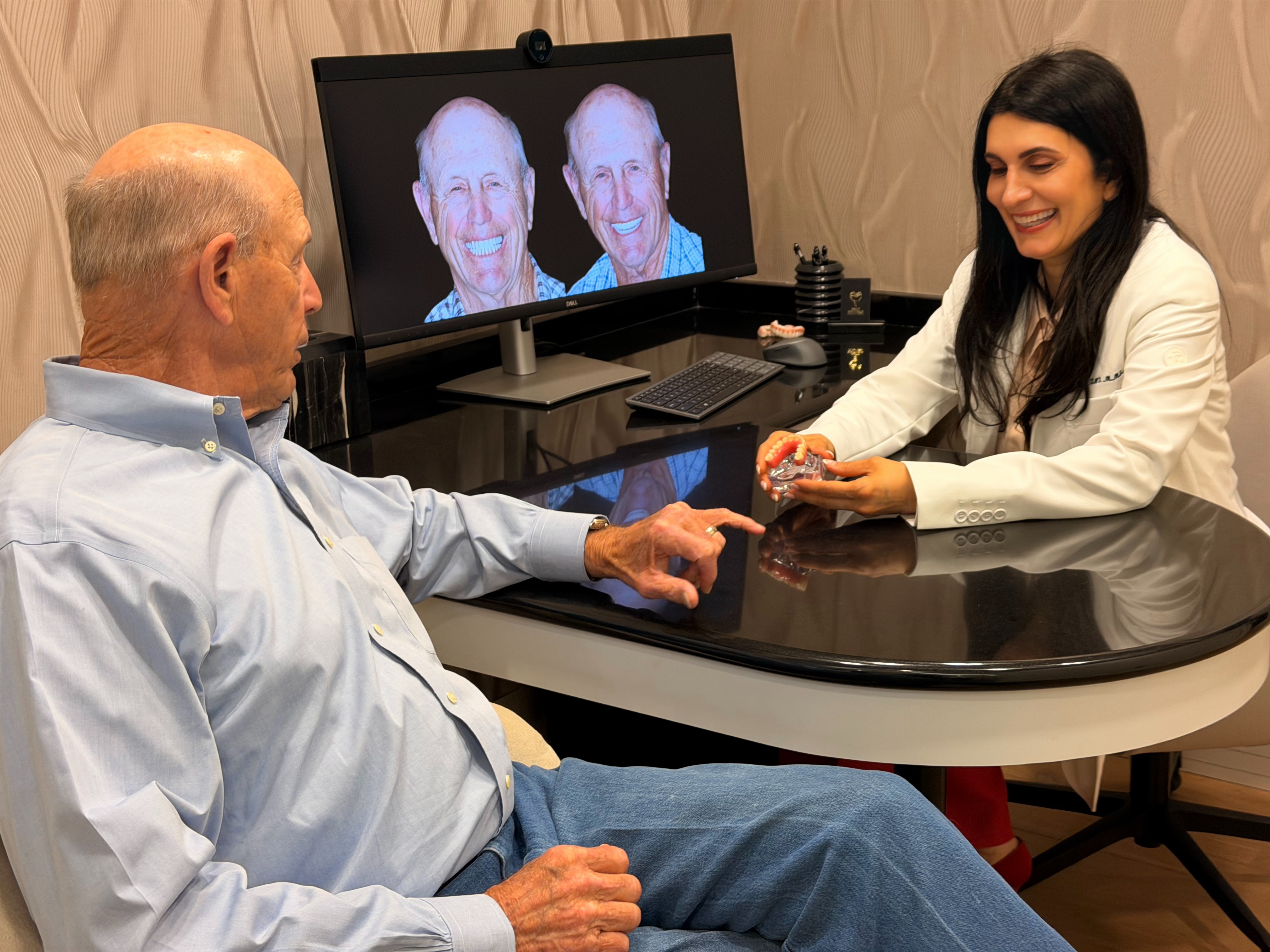
We do not treat snoring or sleep apnea in isolation. Your airway, jaw position, bite, and jaw joints function as one system, and an appliance that moves the jaw affects all of them. Every appliance is planned to support restful sleep while protecting the health and stability of your teeth and joints for the long term.
THE ORAL APPLIANCE THERAPY PROCESS
MEDICAL DIAGNOSIS
Sleep apnea is diagnosed by a physician, typically through an in-lab or home sleep study. If you snore but have not been tested, we will help you arrange an evaluation with a sleep physician before treatment is considered.
PRIVATE CONSULTATION
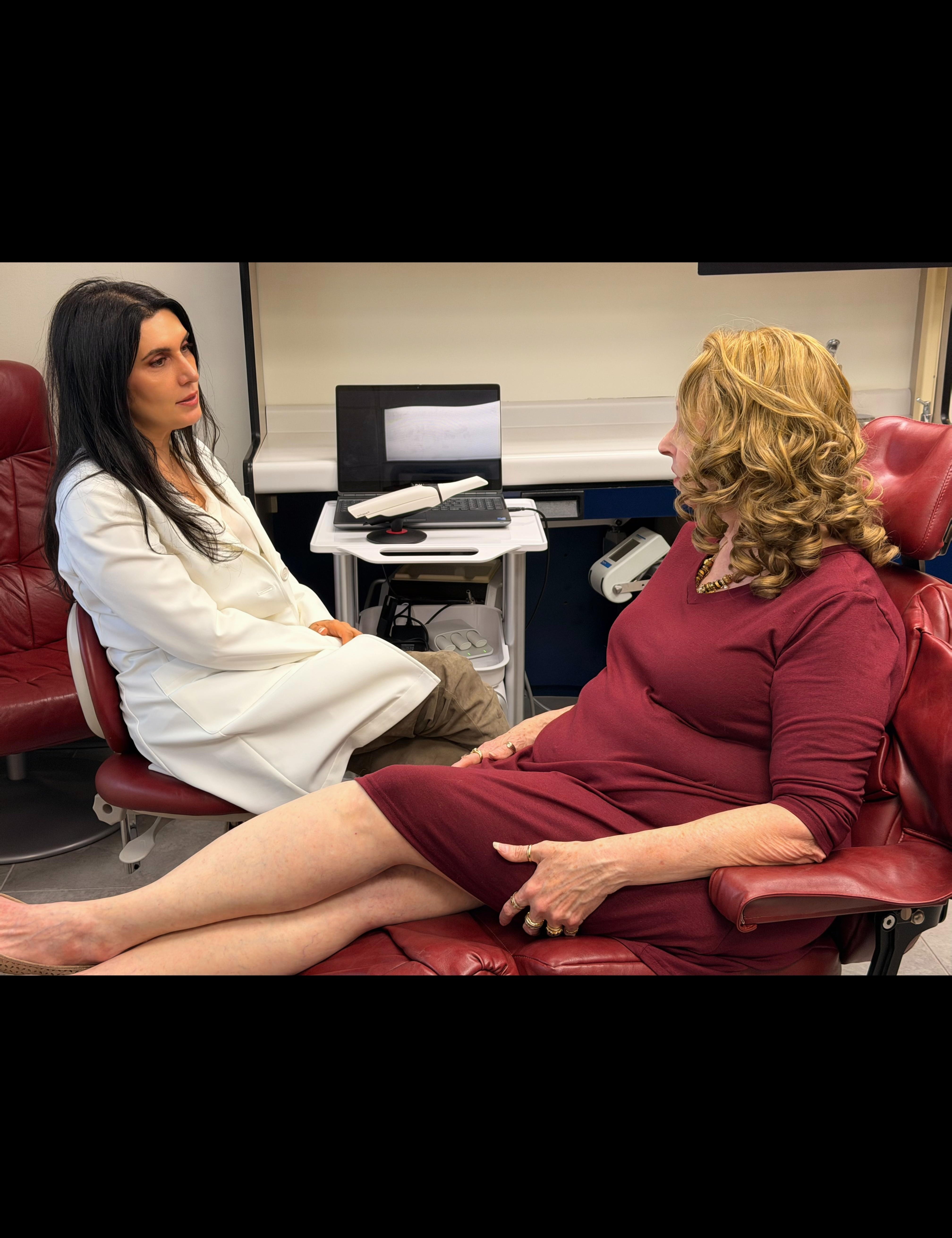
We review your sleep study and medical history and discuss your goals. Dr. Rad examines your teeth, gums, bite, and jaw joints to confirm that an oral appliance is appropriate and safe for you.
DIAGNOSTIC RECORDS
Digital scans, clinical photography, and a precise record of your bite document your starting point, so any change over time can be measured and managed.
CUSTOM DESIGN
Your appliance is designed from precise digital impressions to fit your teeth closely and comfortably.
FITTING
Your appliance is fitted and refined for comfort, and you receive clear guidance on wear, cleaning, and what to expect as you adapt.
GRADUAL ADJUSTMENT
Over several visits, the appliance is advanced in small steps to balance effectiveness with comfort, guided by how you sleep and how you feel.
FOLLOW-UP SLEEP STUDY
Once an effective position is reached, your physician typically confirms the result with a follow-up sleep study. Further adjustment is made if needed.
MORNING COMFORT
Some patients notice temporary jaw stiffness or a slightly different bite in the morning. Simple exercises and careful adjustment usually resolve this, and we monitor it closely.
LONG-TERM CARE
Periodic visits allow us to evaluate the appliance, your bite, and your jaw joints over time. Sleep apnea is a lifelong condition, and your care is designed with that in mind.
- Quieter, more restful sleep
- A comfortable alternative to CPAP
- Compact and easy to travel with
- Protection for your teeth and bite
- Care coordinated with your physician
ARE YOU A CANDIDATE FOR ORAL APPLIANCE THERAPY?
An oral appliance may be appropriate if you:
Have been diagnosed with obstructive sleep apnea by a physician
Have tried CPAP and could not tolerate it
Prefer an alternative to CPAP after discussing your options with your physician
Snore, and a physician has ruled out sleep apnea
Travel often and need a compact, portable treatment
WHY YOU SHOULD CHOOSE SMILE BOUTIQUE
Oral appliance therapy works through the teeth and jaw, which makes it as much a dental treatment as a sleep treatment. As a Harvard-trained prosthodontist whose master's research focused on occlusion and TMD, Dr. Rad brings a deep understanding of the bite and jaw joints to every appliance she designs.
STATE-OF-THE-ART TECHNOLOGY
Advanced technology does not replace expertise. It amplifies it. Digital scanning and precise bite records allow your appliance to be designed accurately and your bite to be monitored objectively over time.
ONE DOCTOR. ONE PLAN. ONE TEAM.
From your consultation through every adjustment and follow-up, Dr. Rad remains personally involved and in communication with your physician. Every adjustment is deliberate, made with both your sleep and your dental health in mind.