“My jaw hurts when I chew.”
“I keep getting headaches.”
“I can’t find my bite.”
“My jaw clicks or locks.”
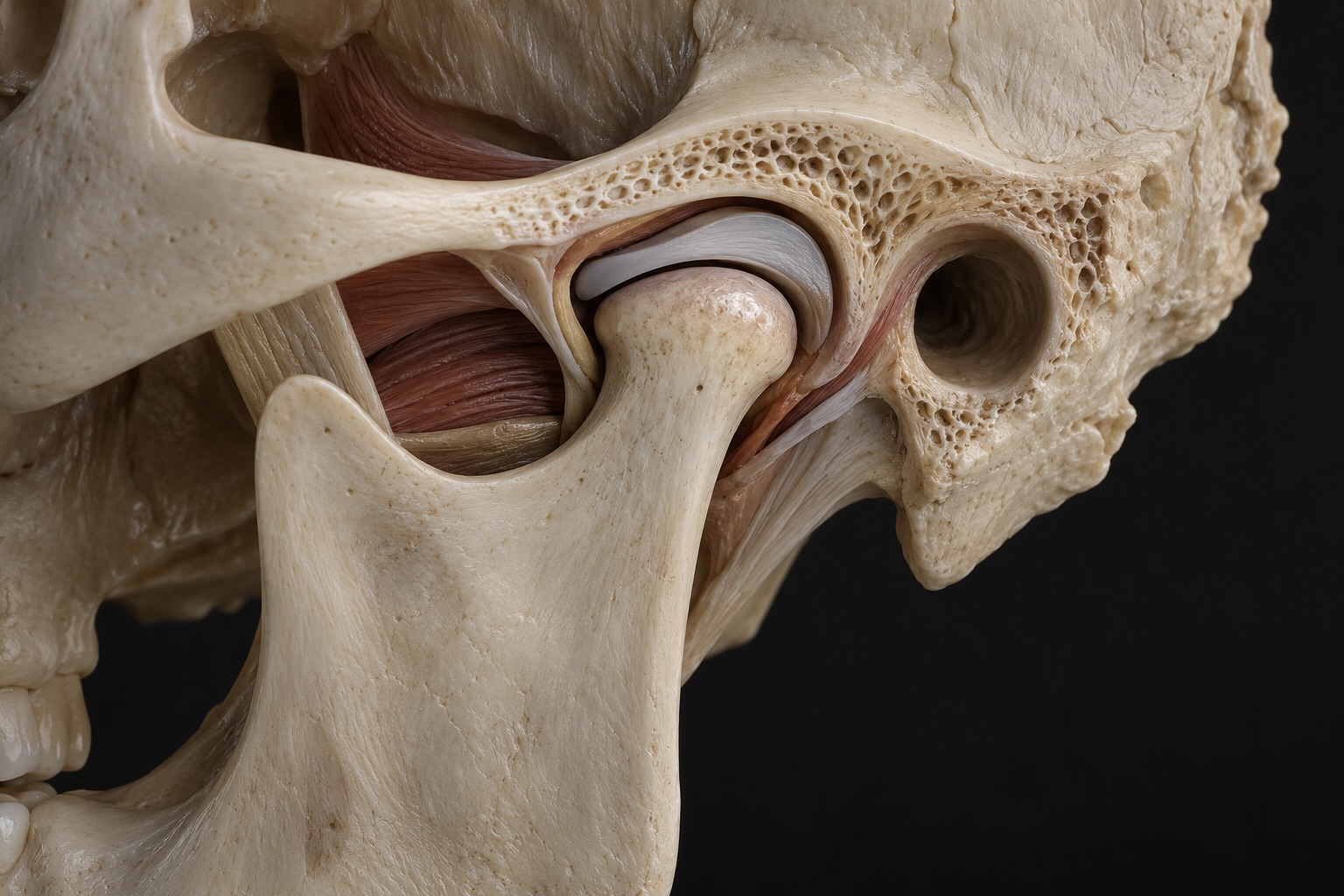
TMJ refers to each temporomandibular joint connecting your lower jaw to your skull. TMD is the collective term for disorders affecting these joints, the chewing muscles, or both. Muscle-related TMD may include myofascial pain, while joint-related TMD may involve the disc, inflammation, arthritis, or injury.
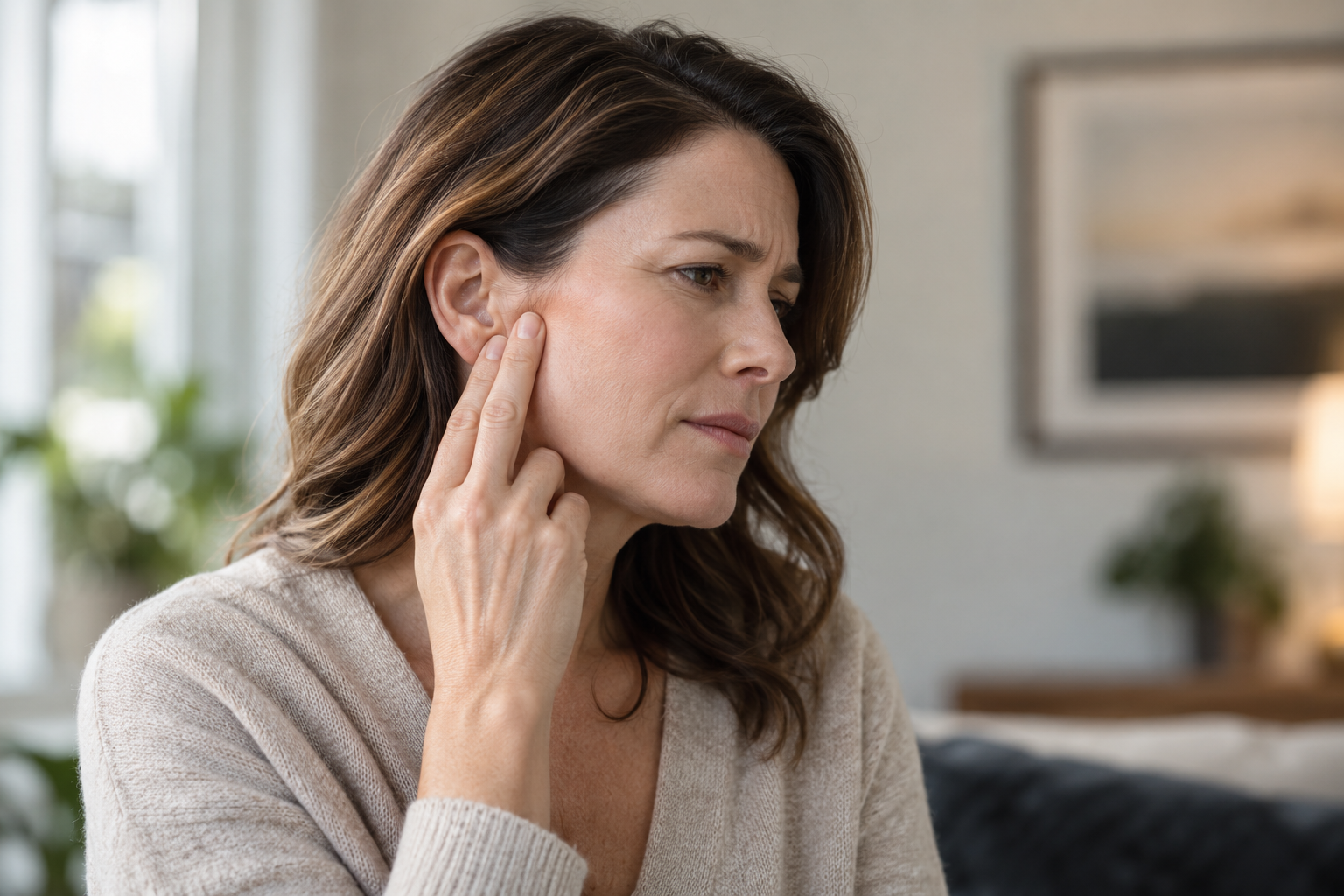
Common signs include jaw or facial pain, recurring headaches, tired or tight chewing muscles, pain with chewing, limited opening or locking, and difficulty bringing the teeth together comfortably. Clicking, popping, or grating may also occur, especially when accompanied by pain or limited movement.
Several factors may contribute to TMD, including injury, arthritis, inflammation, changes within the joint, clenching or grinding, and overworked chewing muscles. Dental and bite problems may contribute in some patients, but they do not explain every TMD condition. More than one factor may be involved.
Appropriate treatment may help reduce jaw and facial pain, recurring headaches, painful chewing, muscle fatigue, and episodes of limited opening or locking.
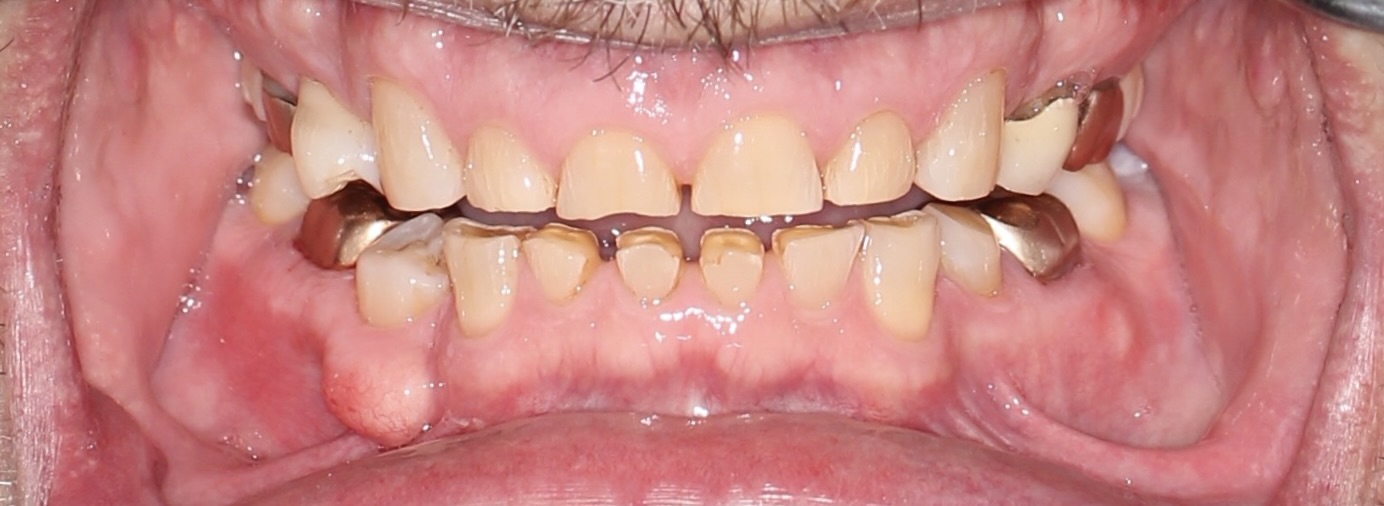
When clenching, grinding, bite instability, or joint disease is present, treatment can help manage damaging forces and preserve comfortable function.
TMD can affect eating, speaking, sleeping, and everyday activities. The goal of treatment is to help you function more comfortably, with fewer limitations from jaw pain or restricted movement.
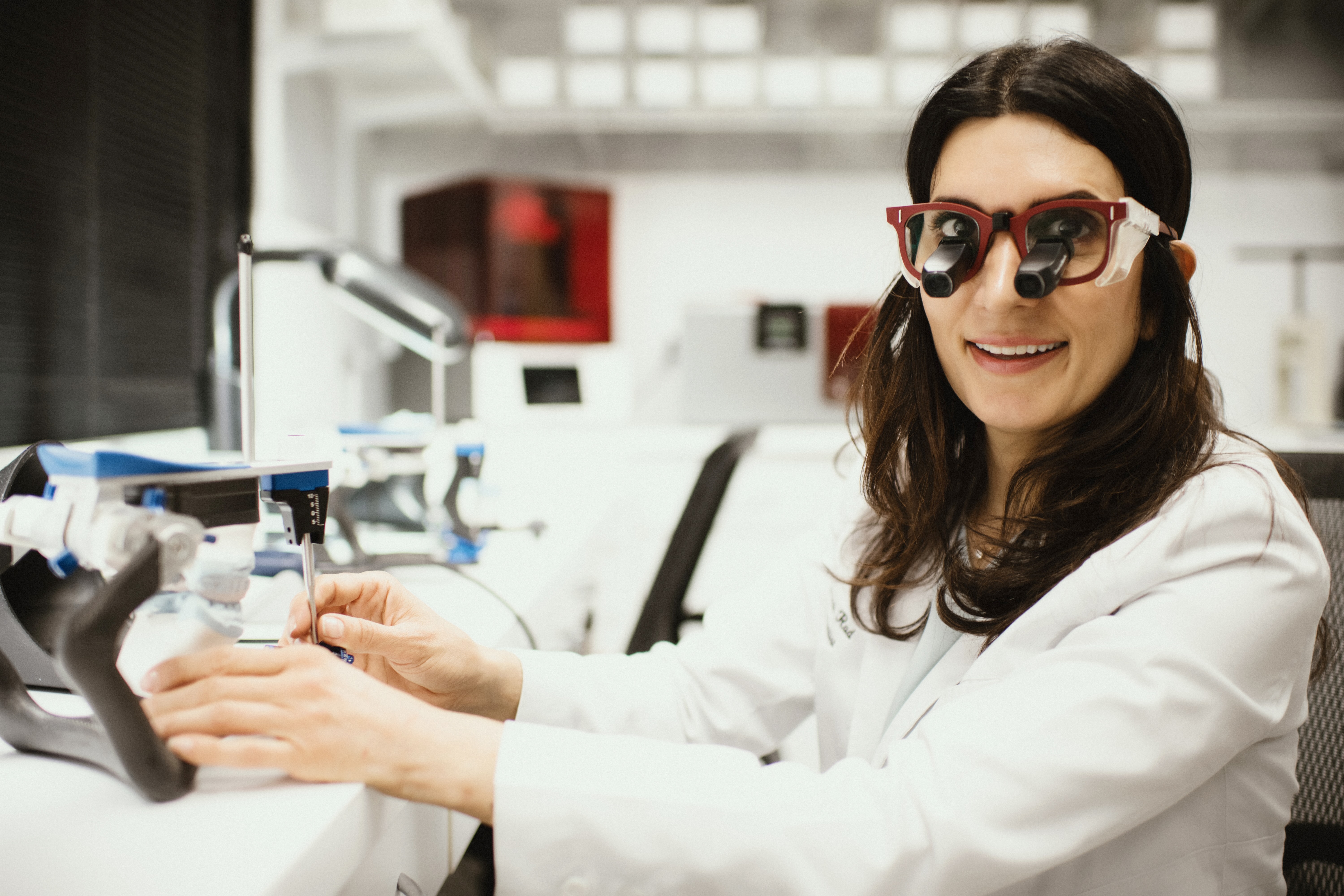
Dr. Rad’s academic work in occlusion and temporomandibular disorders dates back to 2003, when her master’s research focused on occlusion, occlusal adjustment, and splint therapy in patients with TMD.
Treatment depends on whether symptoms involve the jaw joint, chewing muscles, teeth and bite, or a combination. The goal is to reduce discomfort and restore comfortable function. Care usually begins with conservative, nonsurgical measures and becomes more involved only when the condition requires it.
Simple measures may help reduce discomfort, including a temporary soft-food diet, applying heat or cold, and avoiding habits that strain the jaw, such as gum chewing, nail biting, or prolonged wide opening. Jaw exercises may also help when selected for your specific condition.
Physical therapy, manual therapy, or carefully selected exercises may help improve movement and manage muscle-related pain.
A custom appliance, such as an occlusal orthotic device or TMJ splint, can help deprogram the chewing muscles and guide the jaw toward a more comfortable, stable position. It may also protect the teeth from grinding forces, help relieve jaw discomfort, and provide a reversible way to evaluate how the jaw and muscles respond.
Occlusal adjustment involves carefully modifying specific contact points on the teeth to improve how the upper and lower teeth come together. In appropriately selected cases, this can reduce occlusal interference, improve function, and lessen strain on the jaw system.
Short-term medication may be appropriate for pain or inflammation depending on the patient’s health history, current medications, and clinical findings.
Full-mouth rehabilitation involves restoring damaged, missing, or misaligned teeth to improve bite harmony, function, and the appearance of the smile. Treatment may include veneers, crowns, bridges, and implants. When dental and bite problems, such as severe tooth wear or a collapsed bite, contribute to TMJ symptoms, rebuilding a stable, functional bite may also help relieve discomfort.
Complex pain or structural joint disease may require an interdisciplinary approach involving other dental or medical specialists.