
Full-Mouth Reconstruction for Severely Worn Teeth and a Collapsed Bite
Years of grinding, a collapsed bite, and crowns that kept failing, rebuilt as a planned full-mouth reconstruction in monolithic zirconia.


The Challenge
Jimmy was referred to me by his wife, a patient of our practice, for severely worn teeth. He arrived with two things many patients with worn teeth carry: a fear of dentists, and the memory of being made to feel at fault for grinding. Like many people with long-standing wear, he did not know his teeth could be fully restored.
His history included orthodontic treatment, crowns, root canal treatment, and a night guard. Each had addressed one piece of the problem. None had addressed the whole.
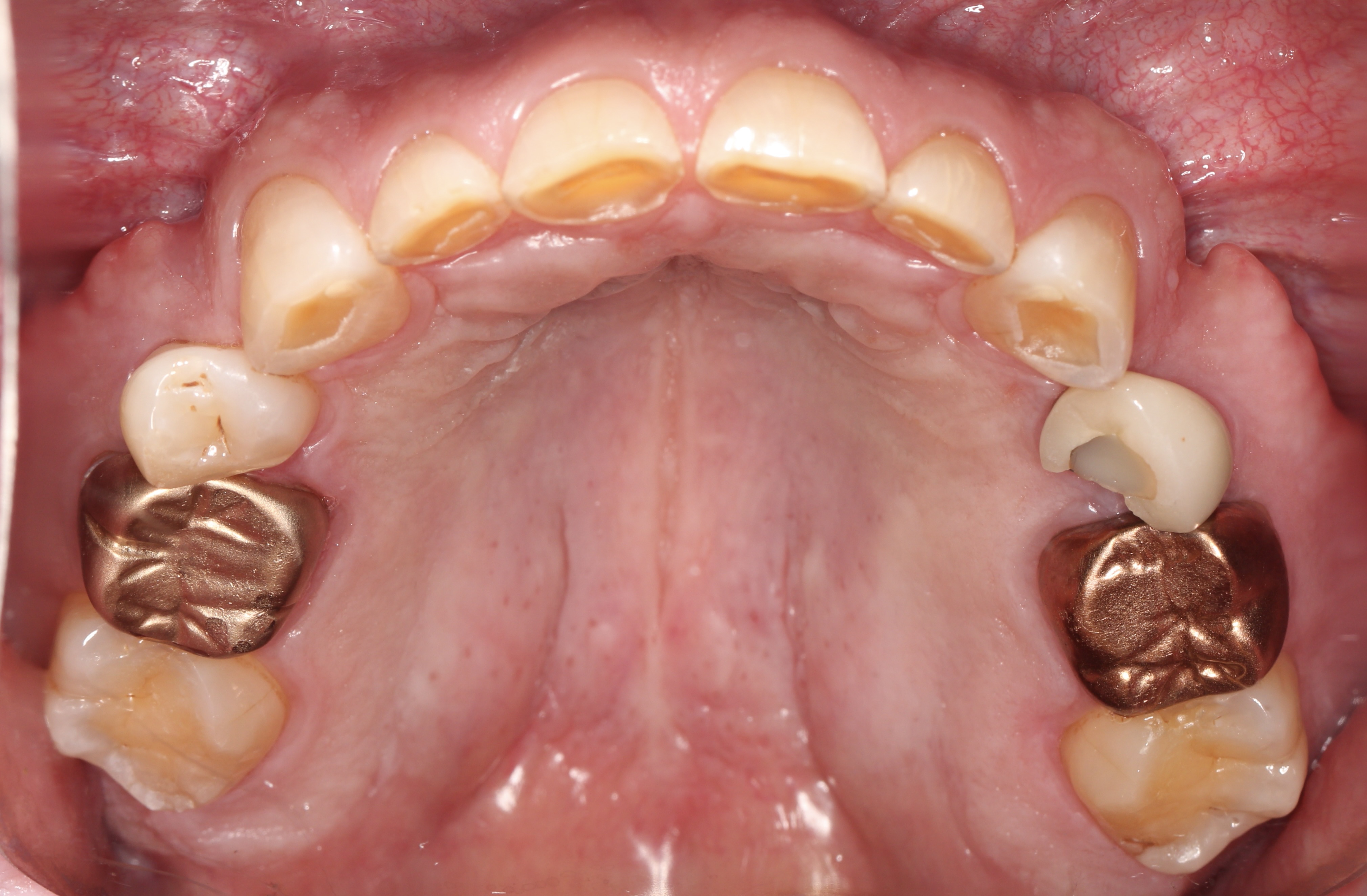
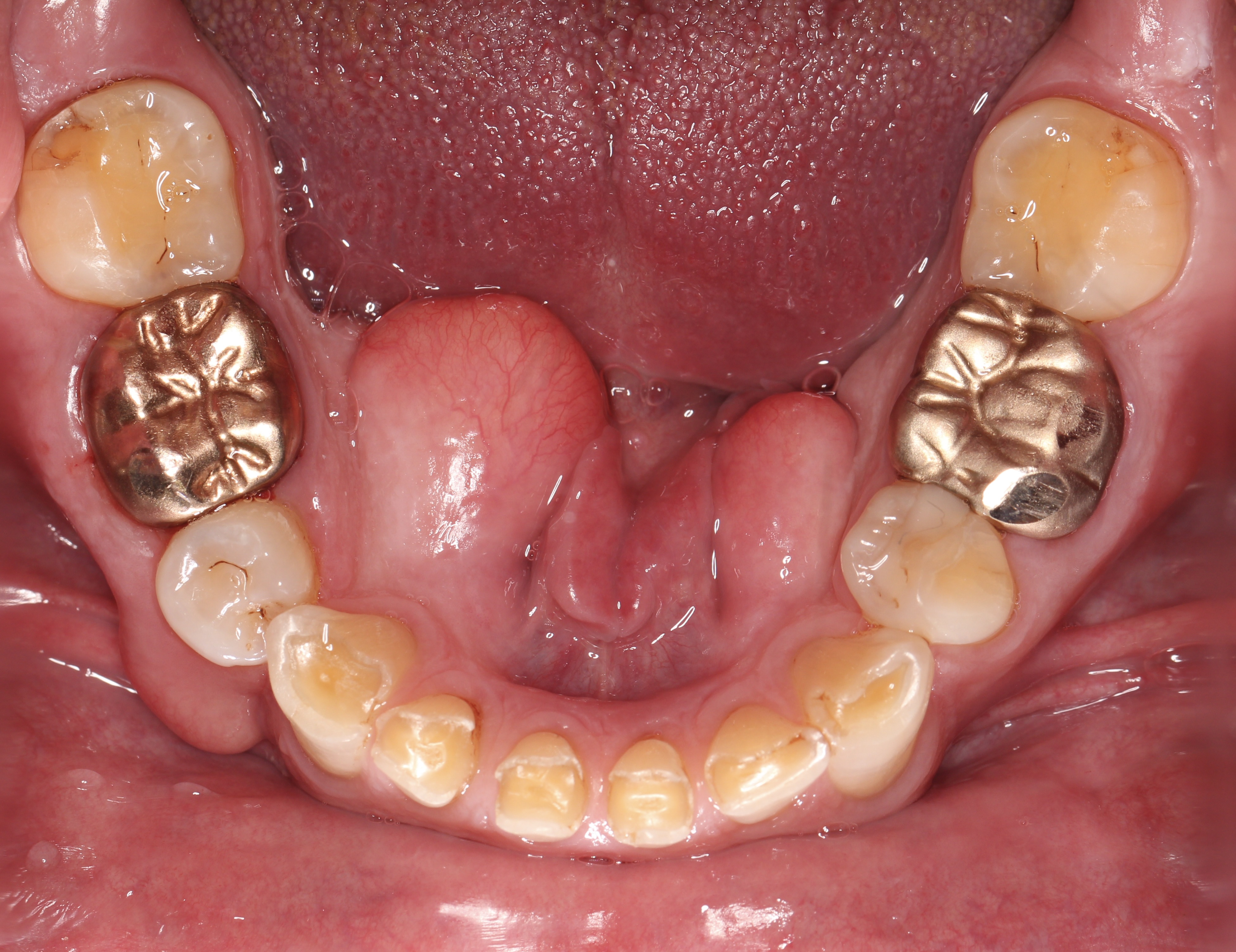
My evaluation included digital scans, X-rays, photographs, and an analysis of his bite. Grinding during sleep had worn his teeth down over many years. As they shortened, his bite collapsed: the lower third of his face lost height, and his teeth no longer met in a way that protected one another. Without guidance from his front teeth and canines, his back teeth collided every time his jaw moved forward or side to side. Several crowns kept coming loose, and decay had formed beneath them, below the gumline.
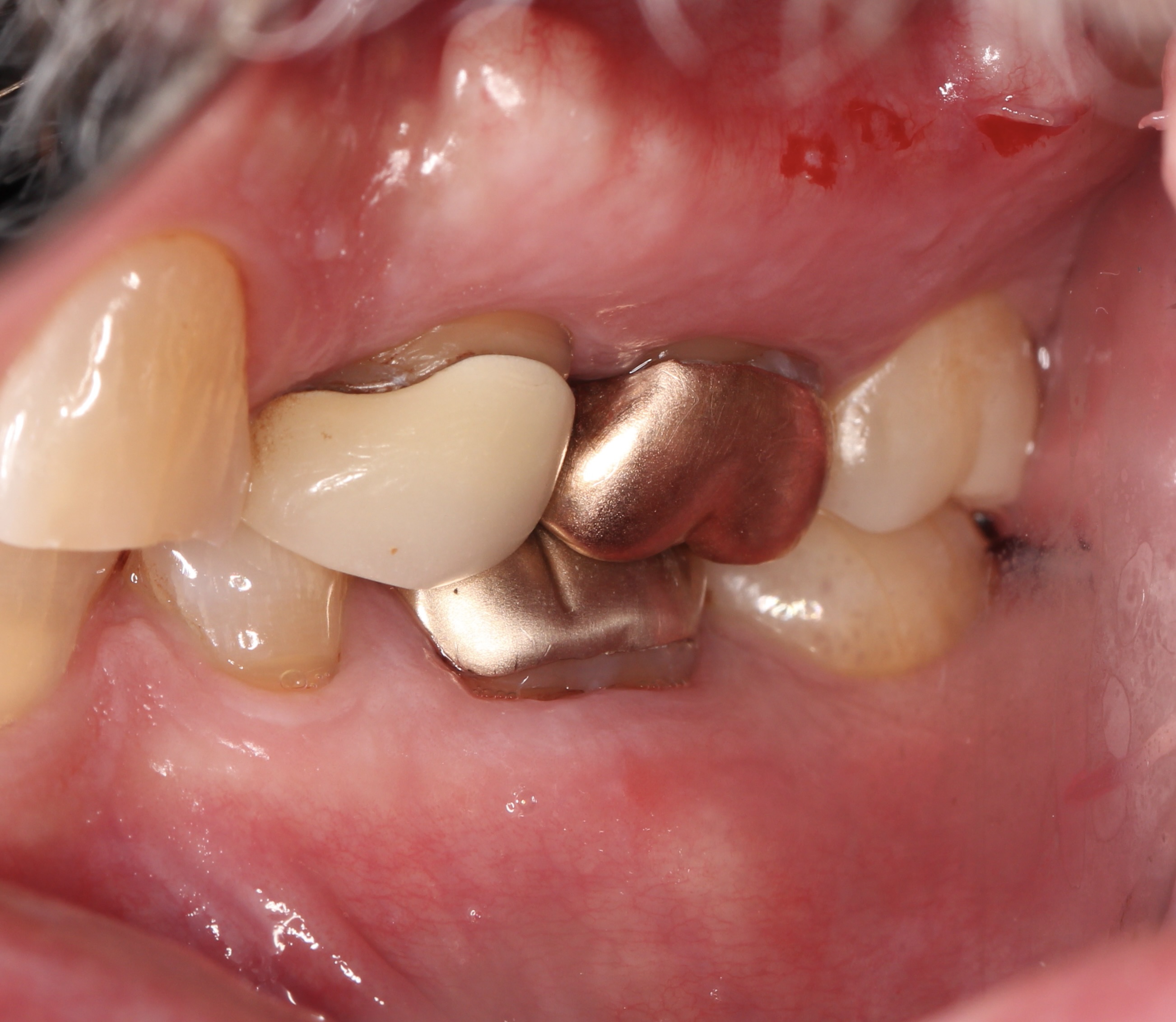
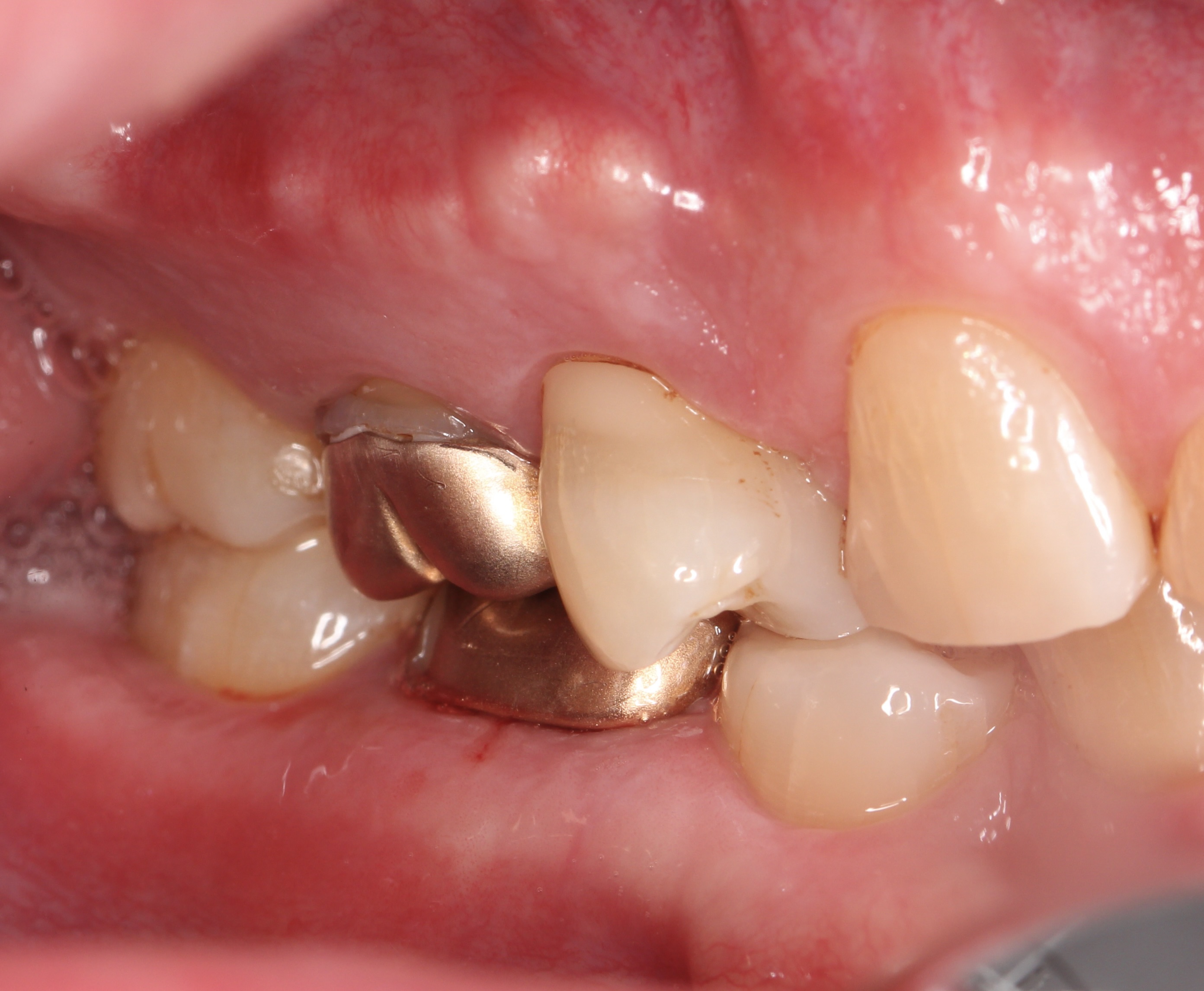
He also had dense bony growths along his jaws: exostoses on the outside of his upper jaw and tori on the inside of his lower jaw. Both are largely genetic, though studies suggest a link between tori and heavy tooth wear, and in my experience these growths are often more pronounced in severe grinders. They make the teeth harder to numb and the area harder to keep clean, so both shaped how his treatment was planned and how he would care for it afterward.
Replacing the failing crowns one at a time would have rebuilt them into the same bite that was breaking them.
How I Planned It
Grinding is not a fault to blame on a patient. It is a force, and restorations have to be designed for it.
I planned a full-mouth reconstruction from the final result backward: where his teeth should sit, how they should meet, and how much height his bite needed to regain. A diagnostic wax-up, and a mock-up placed over his own teeth, let us preview the change in his smile and his bite before a single tooth was prepared.
I contoured the gums around his front teeth so the new crowns would be framed in proportion. Our in-house dental lab then made provisional crowns that rebuilt his bite to the planned height. These provisionals served as a prototype: Jimmy test-drove the esthetics, the bite, chewing, speech, and comfort while we confirmed that his muscles and jaw joints accepted the new position, and refined the design wherever it needed it. Only then was it made in its final material.
The new bite was designed so his front teeth and canines guide his jaw as it moves, and his back teeth separate instead of colliding. Each part of the bite protects the others.
The Result
Jimmy’s definitive crowns were milled in monolithic zirconia, upper and lower, from the design refined in his prototype. He adapted to his restored bite without difficulty, and his teeth now meet, guide, and chew the way they were designed to.
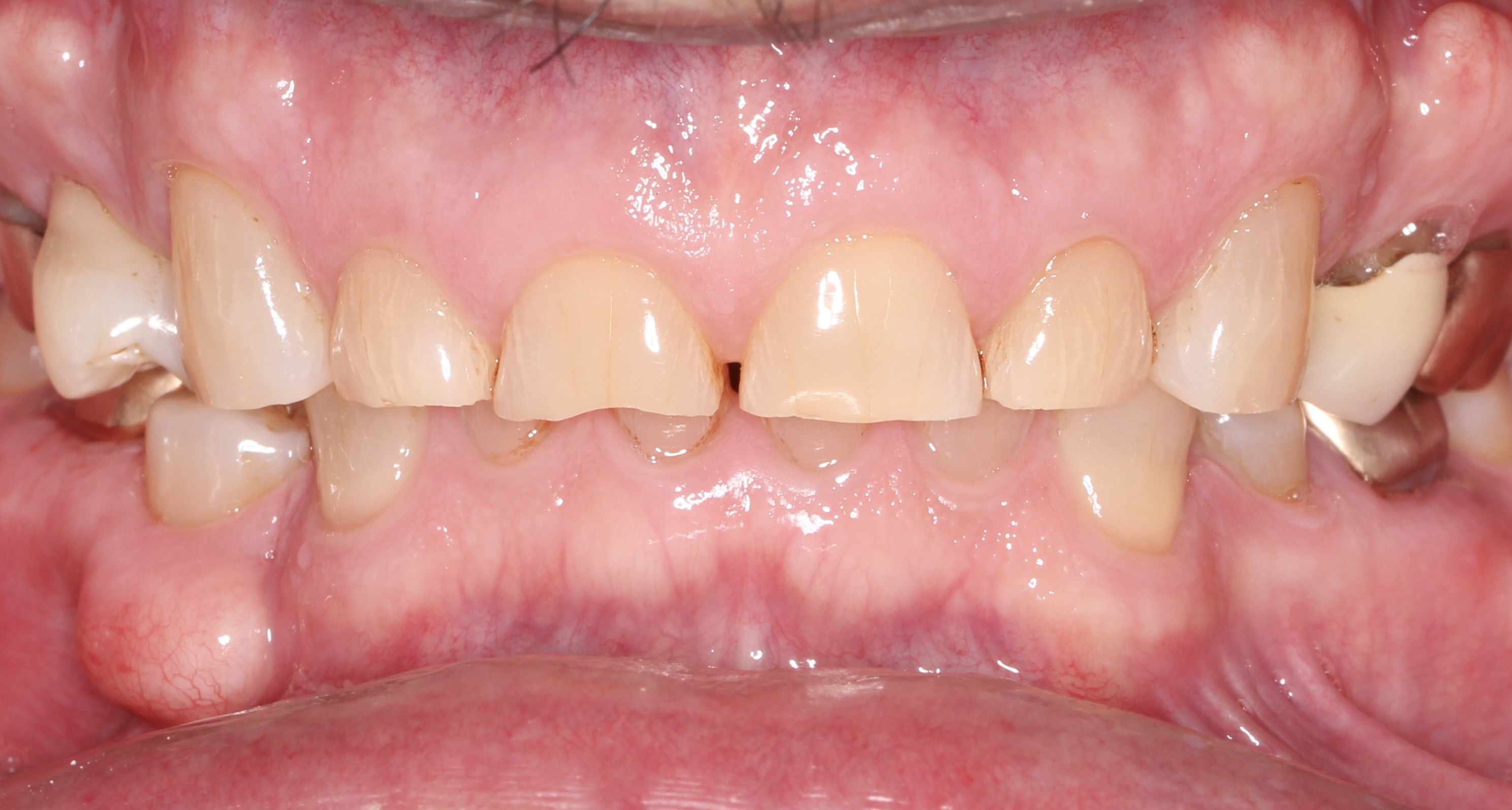

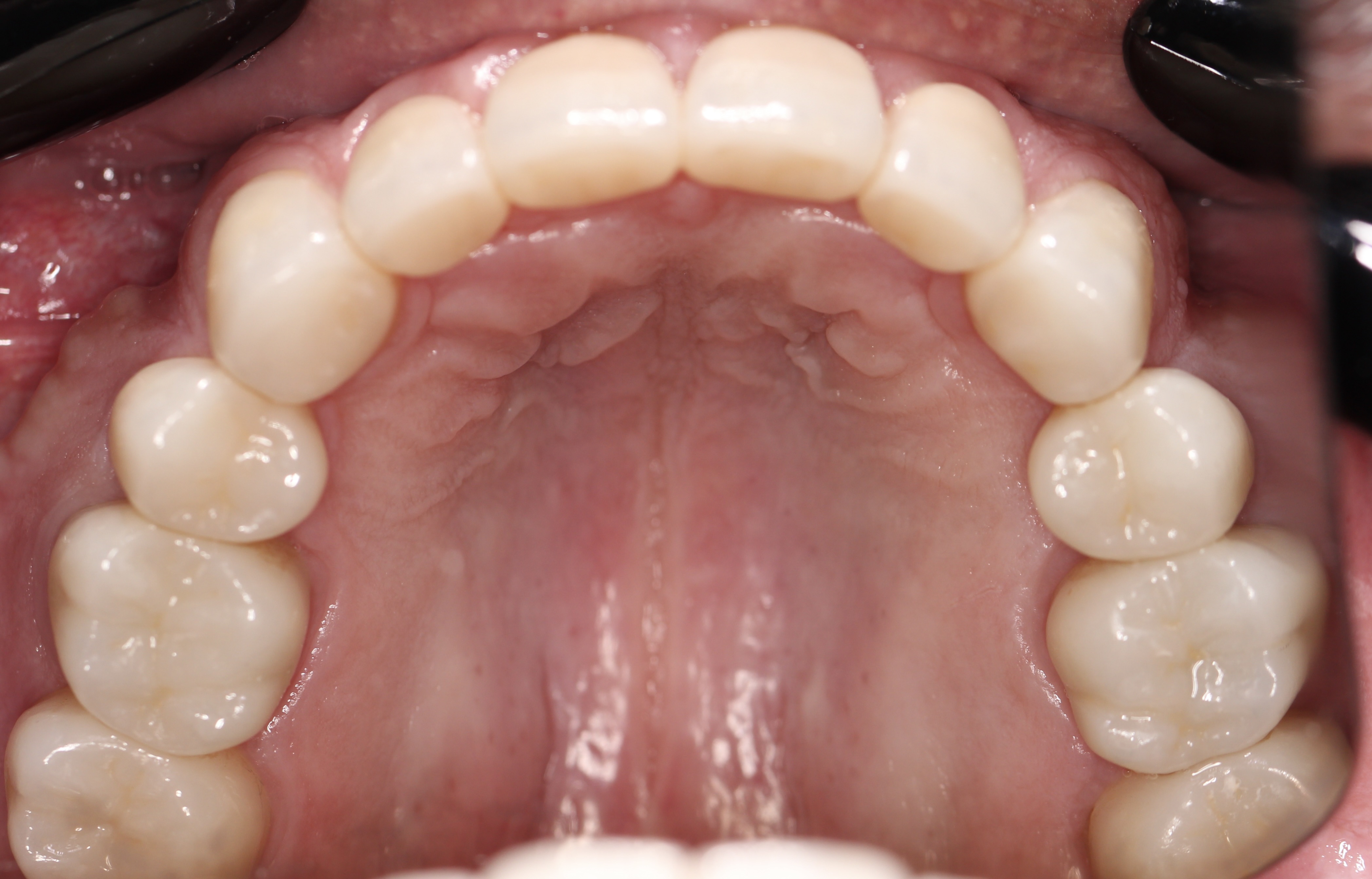
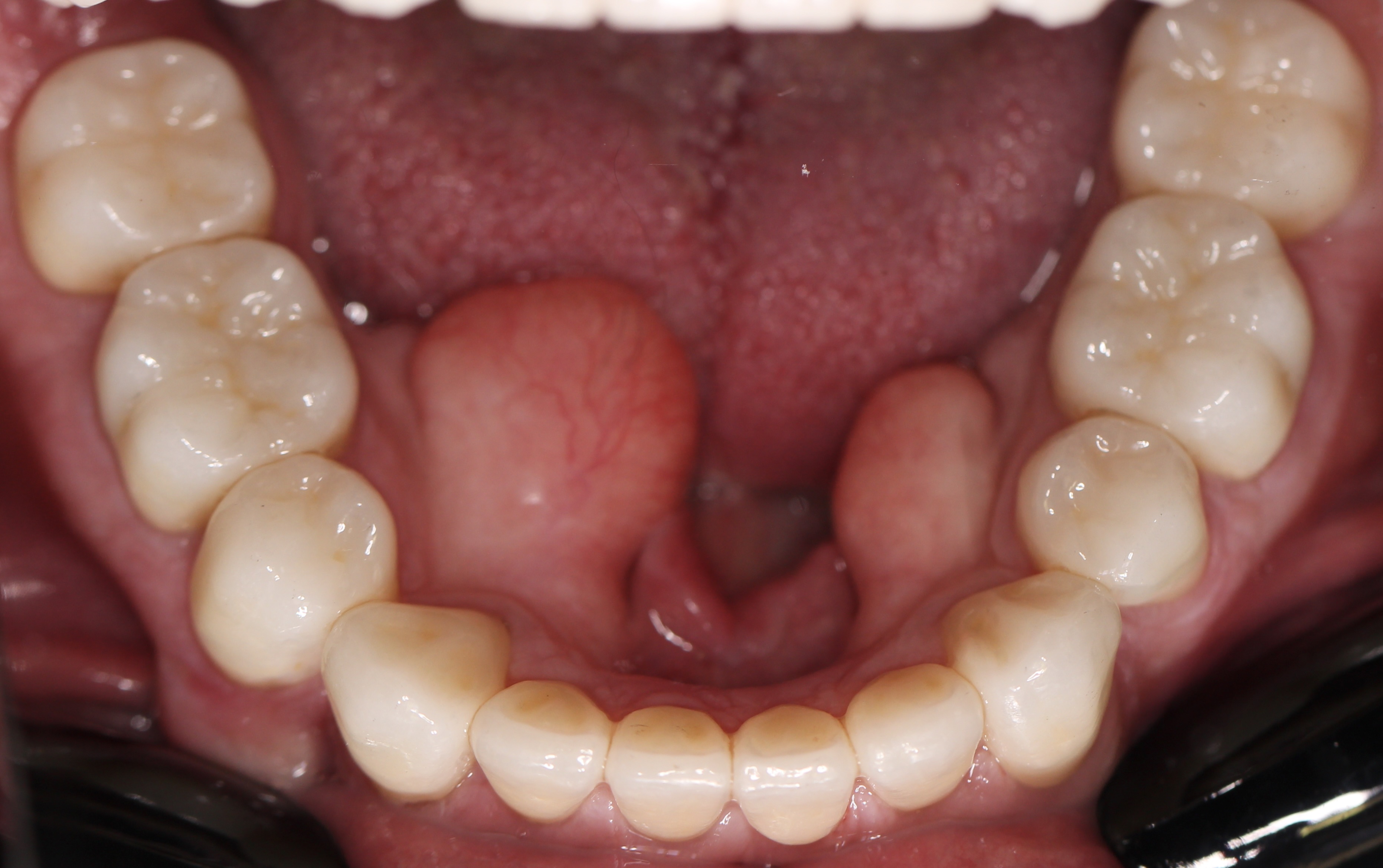
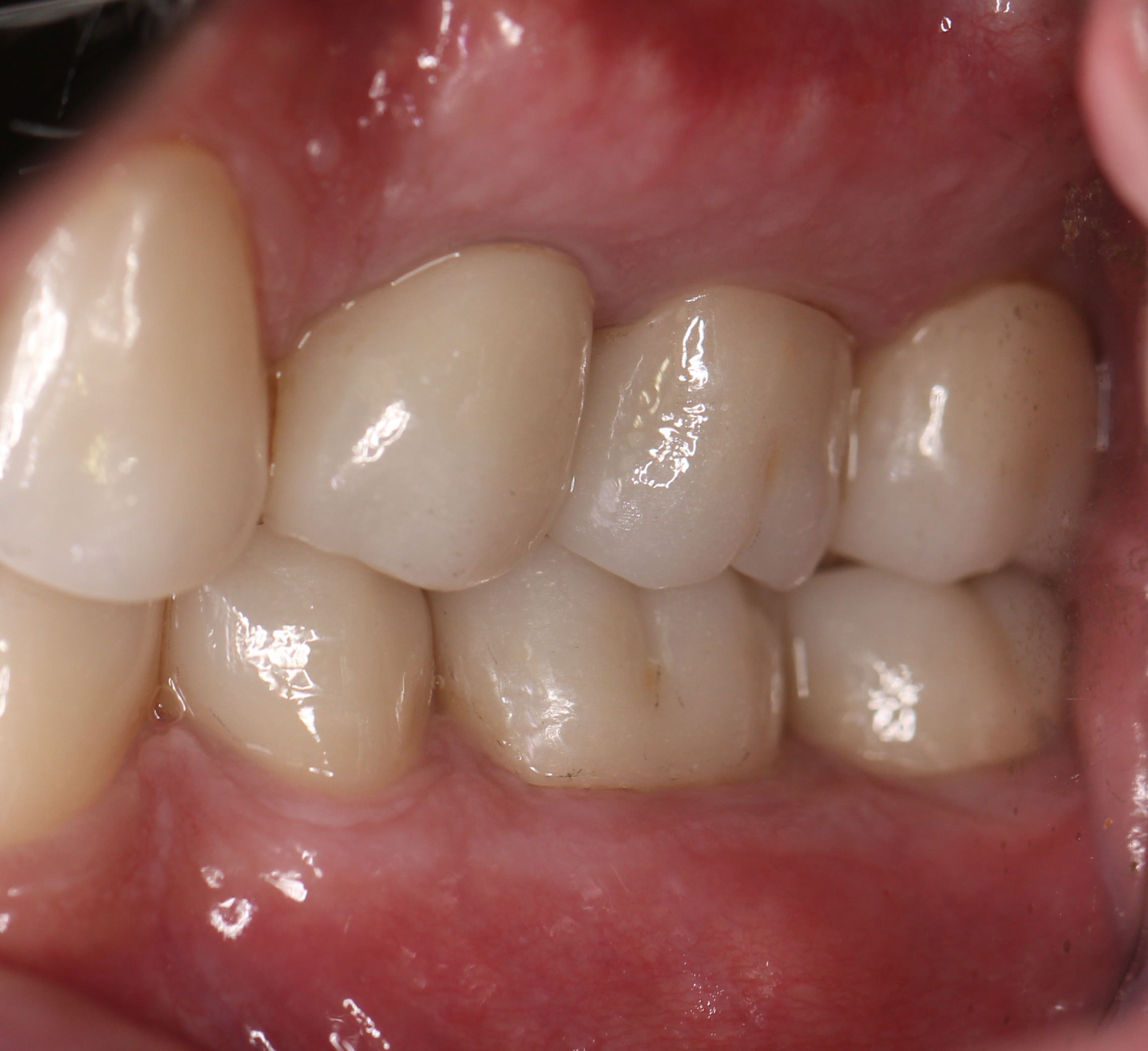
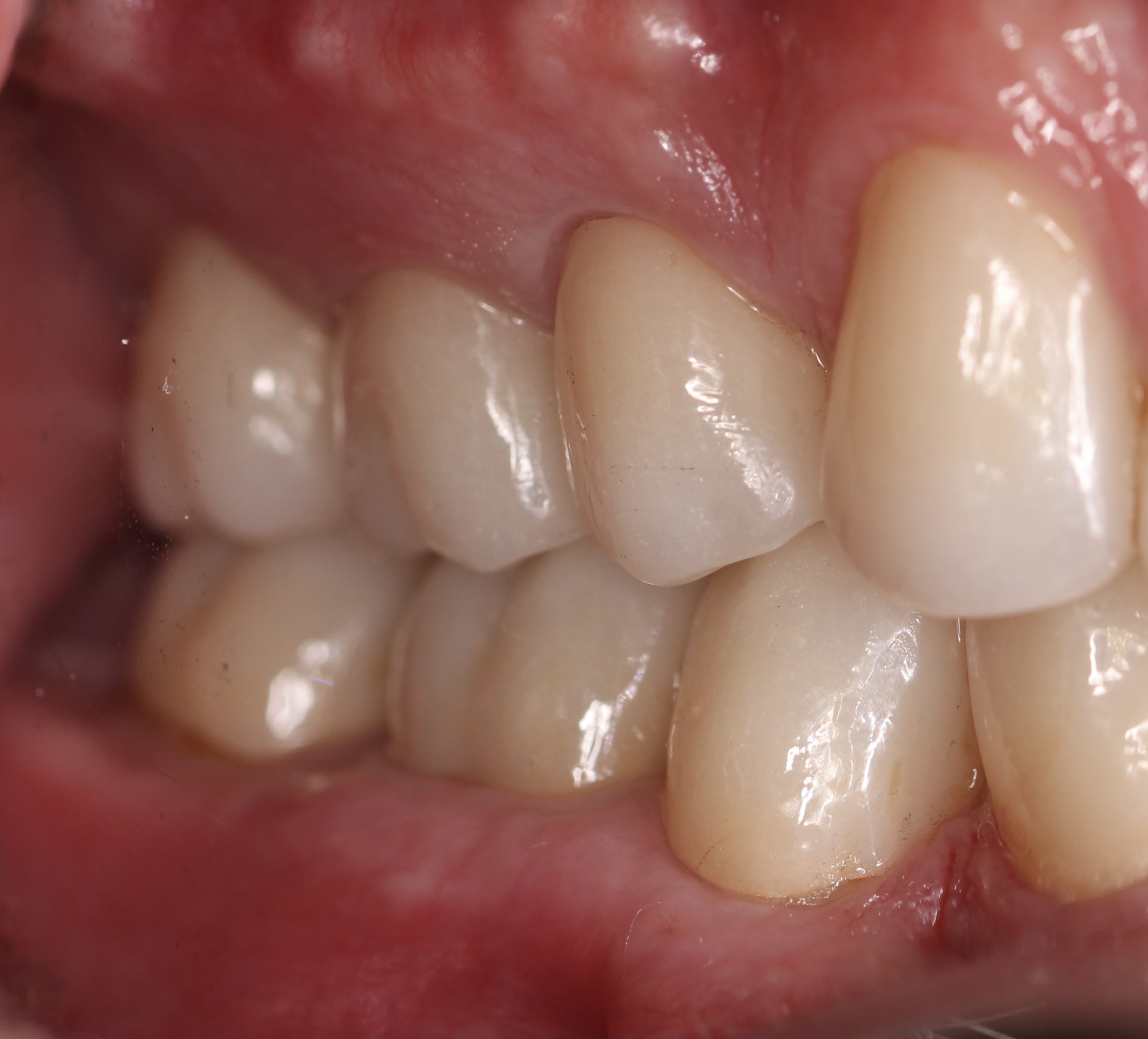
For a patient who had once been made to feel at fault for grinding, the process mattered as much as the result. In his words: “It is a relief for someone to understand my phobia.”
Like any restoration, his crowns need daily care, regular maintenance, and periodic evaluation of the bite, especially with a history of grinding.
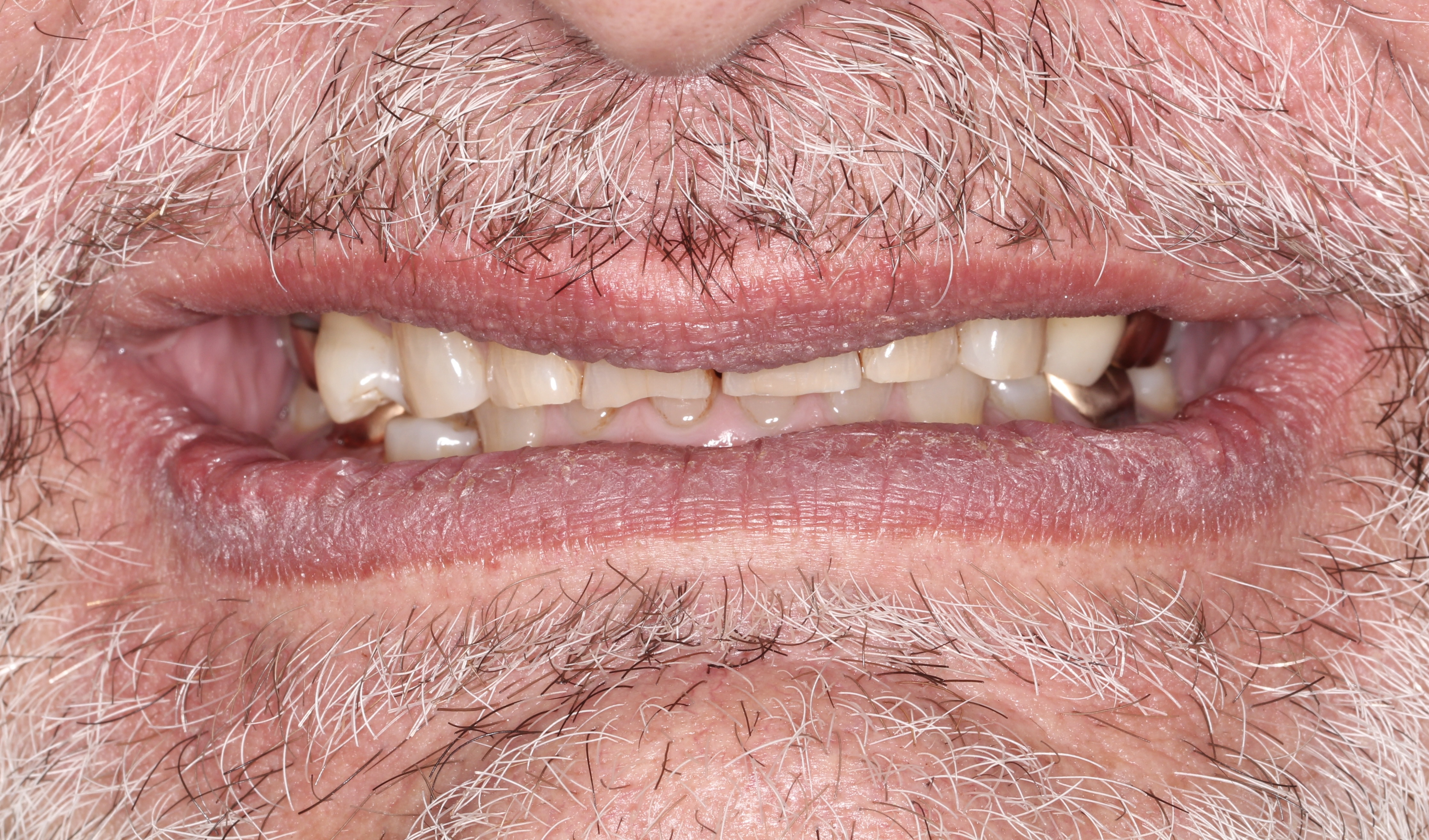

“So natural, like they belong there from the beginning.”
Severe wear does not always mean the bite has collapsed. Some patients lose tooth structure while their jaws adapt and hold the same height; others, like Jimmy, lose height along with it. Telling the two apart takes an evaluation of facial proportions, lip support, speech, and how the jaws rest, and the answer changes the entire plan. If your teeth have been wearing down, that is a reason to be evaluated before the next crown is replaced. I explain more in why rebuilding the bite matters and what bite collapse actually means.
Results and treatment needs vary from patient to patient. Photographs are of a patient treated at our practice and are shown with permission, without retouching. This page is educational and does not replace an individual examination, diagnosis, or treatment recommendation.