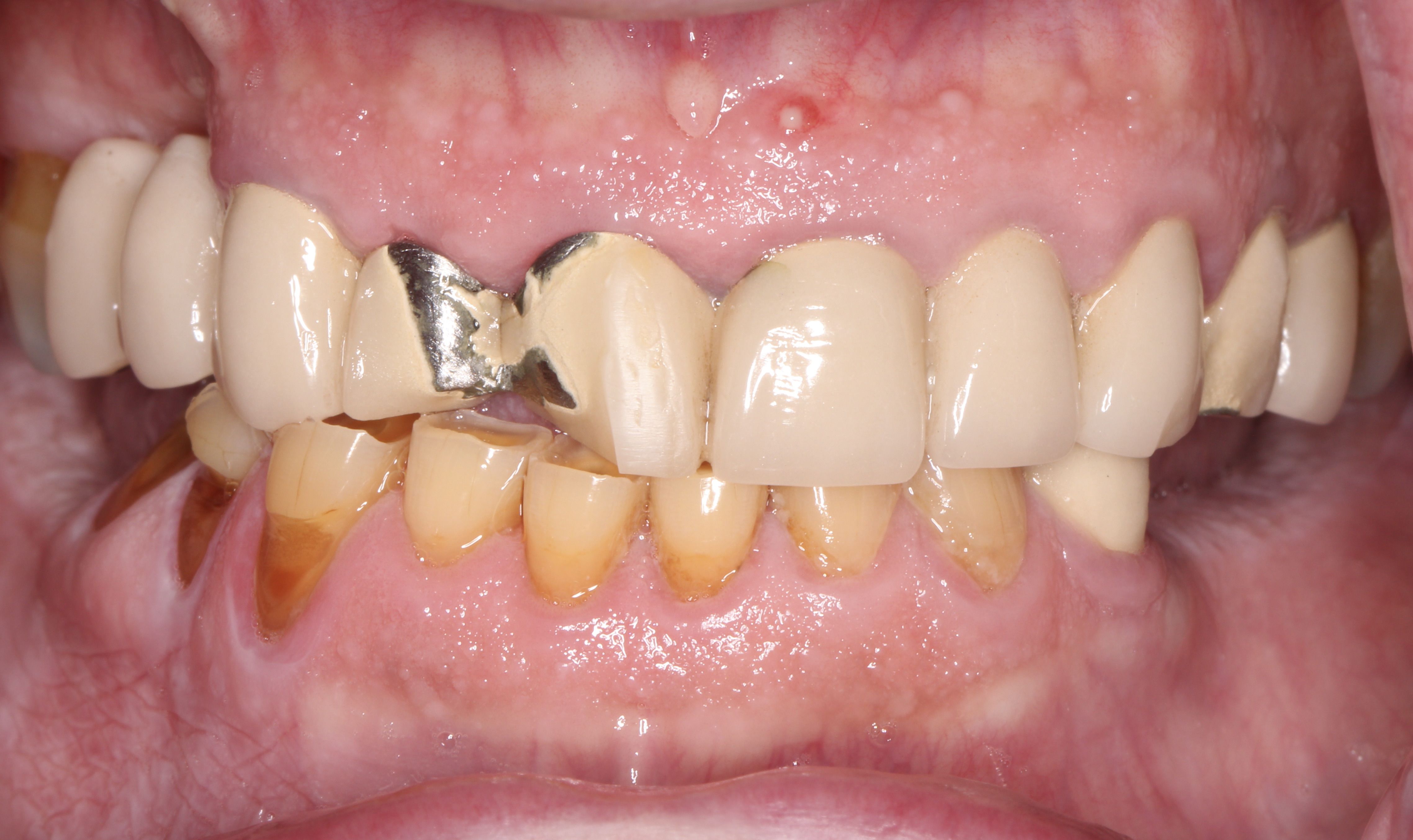
Severe Tooth Wear: Why Rebuilding the Bite Matters
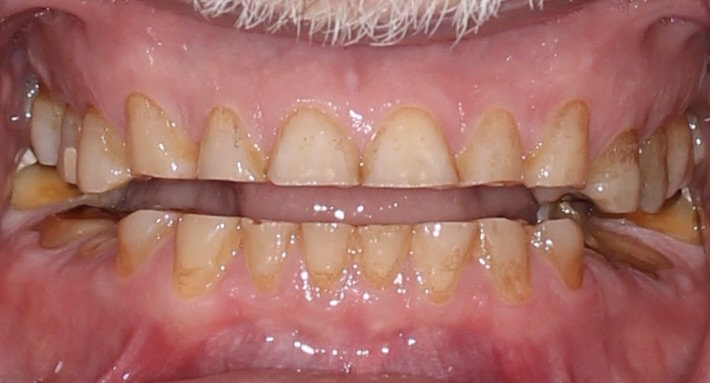
Tooth wear can develop slowly enough that patients adapt to it without realizing how much has changed. Teeth become shorter. Edges flatten or chip. Old crowns begin to fracture. The bite may feel less stable, and chewing can become more difficult.
At that point, the problem is no longer limited to the appearance of individual teeth. The relationship between the teeth, muscles, and jaw must be evaluated as a whole.
Tooth wear rarely has only one cause. It may involve grinding or clenching, an unstable bite, loss of posterior support, acidic foods or beverages, gastric reflux, certain habits, or a combination of these factors.
Existing restorations can also affect how forces travel through the mouth. When some teeth are natural, others are crowned, and others are missing or heavily restored, the remaining teeth may not share the workload evenly.
Before recommending treatment, I want to understand why the wear occurred. Restoring worn teeth without addressing the contributing factors can place the new restorations at risk.
Worn teeth do not automatically mean that the vertical dimension of the bite has been lost. The mouth can compensate gradually as teeth wear. In other patients, the loss of tooth structure, posterior support, or restorative stability has meaningfully changed the bite.
This distinction matters. The goal is not simply to make the teeth longer. It is to determine whether the existing bite remains functional or whether space and support must be carefully re-established.
When severe wear affects many teeth, treating one tooth at a time may not create a stable result. Rebuilding the bite can provide the space needed to restore natural tooth proportions while improving how the teeth contact during chewing and movement.
A coordinated plan may include a combination of crowns, veneers, onlays, implants, or other restorations. It does not necessarily mean that every tooth requires the same treatment. Some teeth may need full coverage, while others may require more conservative care.
For complex cases, I often evaluate the proposed changes before completing the final restorations. Digital planning, diagnostic records, and provisional restorations allow me to assess appearance, speech, comfort, function, and the way the teeth come together.
This provisional phase is not merely cosmetic. It provides clinical information. It allows us to make thoughtful adjustments before the final restorations are fabricated.
Sometimes they can. The amount of remaining tooth structure, the condition of the roots and supporting bone, the health of the gums, and the forces placed on each tooth all influence that decision.
A worn tooth should not be removed simply because it looks compromised. At the same time, preserving a tooth without adequate structure or support may not provide the most predictable result. The decision must be made tooth by tooth within the context of the entire mouth.
Full mouth restoration is not a single procedure. It is a coordinated process for restoring teeth, function, bite stability, and esthetics together.
My role is to determine what has changed, identify what is still healthy and maintainable, and design a plan that treats only what is necessary. The final result should not simply look newer. It should feel balanced, function predictably, and respect the character of the patient’s smile.
If your teeth have become noticeably shorter, continue to chip, or no longer meet the way they once did, a comprehensive evaluation can help determine whether isolated treatment is sufficient or whether rebuilding the bite should be considered.
This article is educational and is not a substitute for an individual examination, diagnosis, or treatment recommendation.