Why Dental Bonding Keeps Chipping on Worn Front Teeth
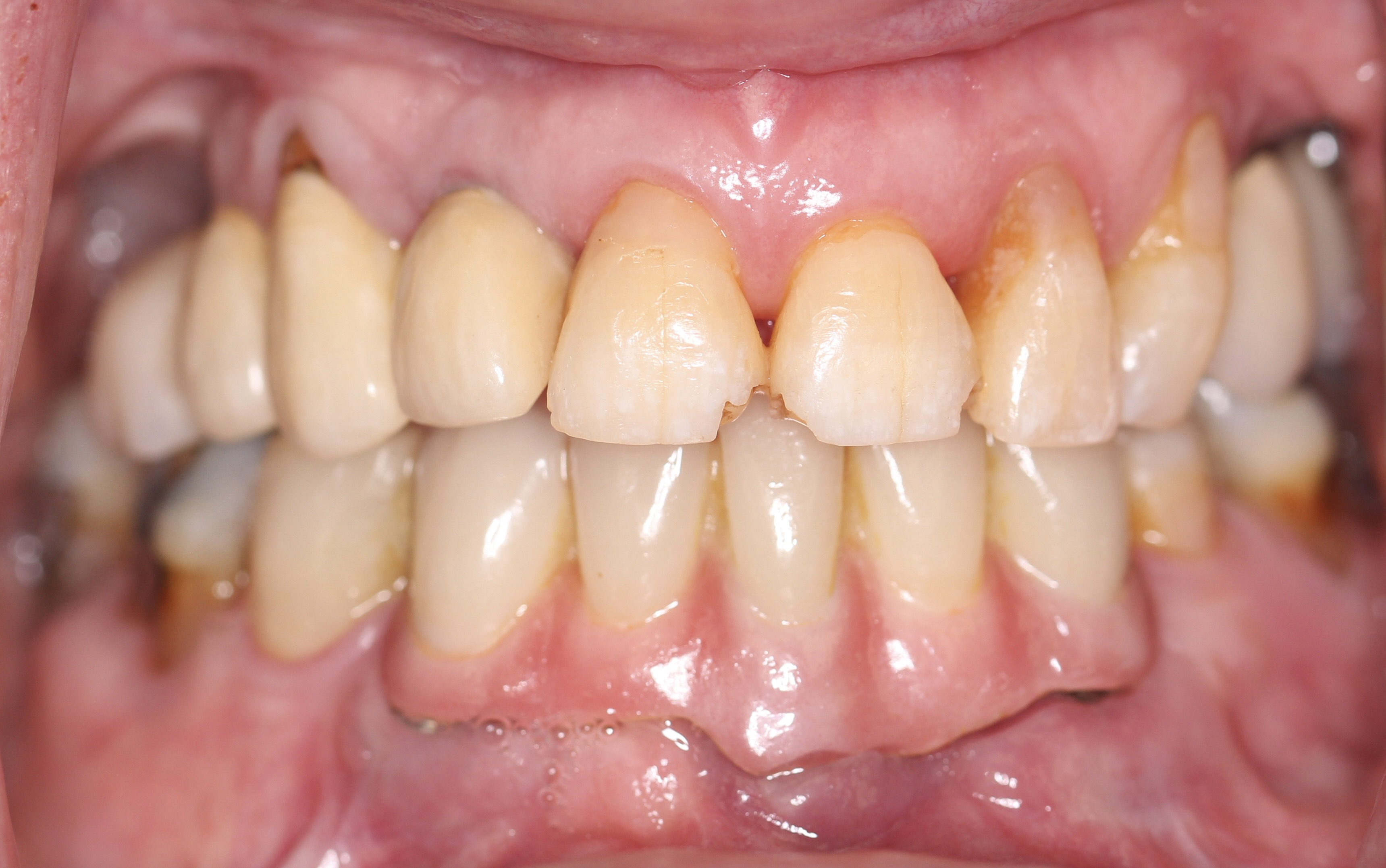
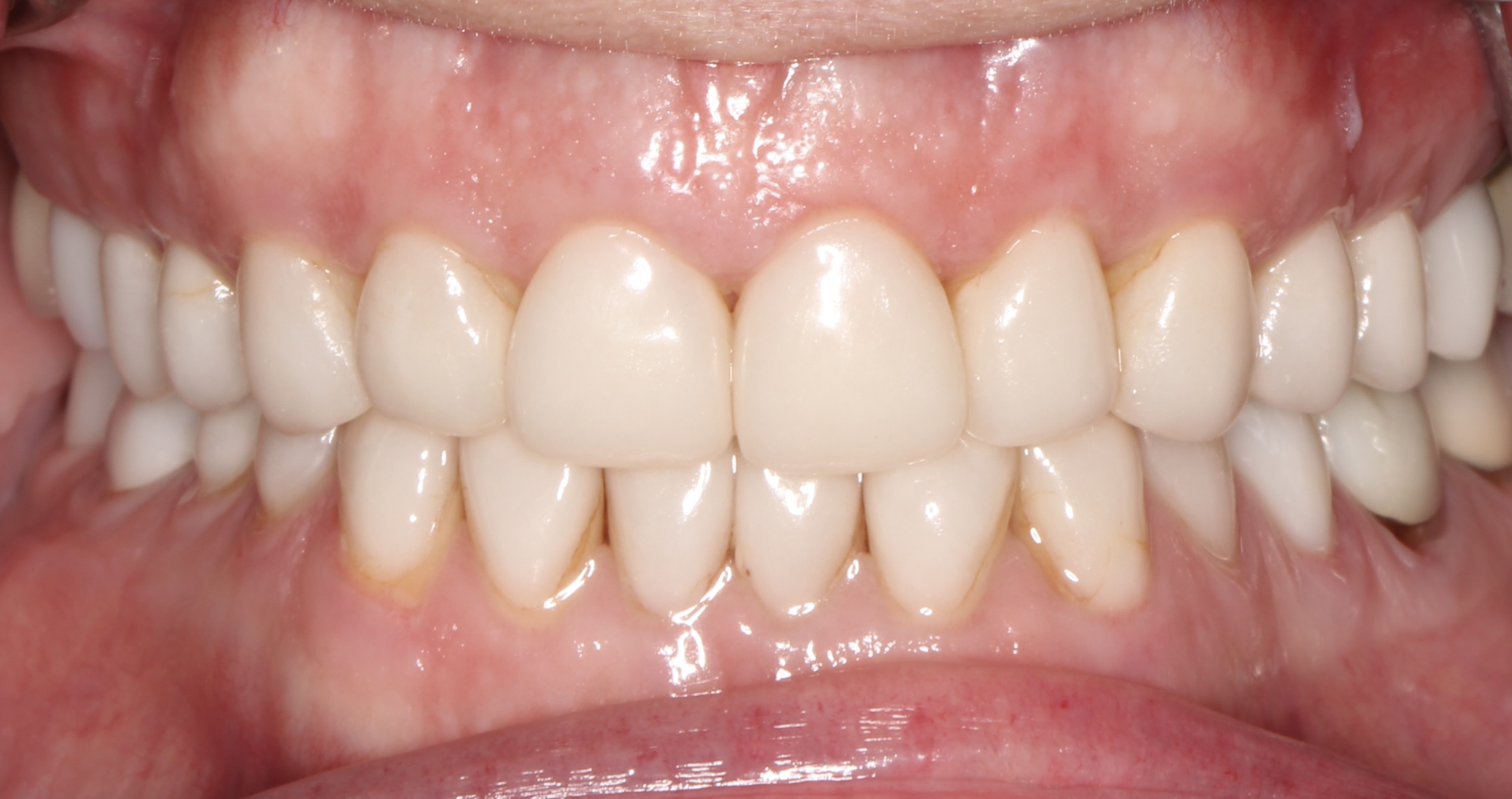
When dental bonding keeps breaking off a worn front tooth, repeating the same repair becomes frustrating. The tooth looks whole again, then the edge chips.
Patients often wonder whether the material was weak or they bit into the wrong food. In a mouth with widespread tooth wear, the problem can extend beyond that single edge. The shape of the teeth, the space available, and the way they contact during jaw movement all affect whether a repair can last.
Composite bonding has a place in restoring worn teeth. But it needs adequate thickness, a suitable bonding surface, and a design that accounts for the forces placed on it.
Lengthening a worn front tooth changes its relationship with the opposing teeth. The new edge must fit when you close and work with the movement of your jaw during speech and chewing.
In a deep bite or an edge-to-edge bite, simply extending a tooth can place the added material in the path of the opposing teeth. Repeated contact can push sideways against the repair, causing the composite to chip or separate from the tooth.
Adding length also increases the leverage acting on the restored edge. Where the opposing tooth contacts that edge, and the direction of the force, influence how much stress reaches the repair and its attachment.
I plan tooth length, shape, and bite together. Esthetics and function are designed simultaneously.
Patients naturally focus on the chipped front tooth in the mirror. They may not connect it with missing molars, worn back teeth, or broken restorations elsewhere in the mouth.
The back teeth provide support during closure and chewing. When that support is compromised, the way the teeth meet and share forces can change. In some patients, the bite closes farther and places heavier contact on the front teeth.
If inadequate support from the back teeth is contributing to repeated chipping, adding more bonding to the front leaves that problem in place. Restoring the front teeth successfully may also require rebuilding support farther back in the mouth.
A tooth that has lost visible length does not necessarily have enough space to replace what is missing.
As teeth wear, changes in tooth position and the supporting tissues can maintain contact between the upper and lower teeth. Teeth can become substantially shorter while still fitting closely together.
The missing tooth structure and the available space are therefore two different considerations.
Without adequate space, a repair may be too thin to withstand the forces placed on it or may interfere with the opposing teeth during closure and movement.
For localized wear, space may be created through a limited treatment plan. When wear is widespread, restoring tooth shape and providing sufficient material thickness may require coordinated changes across several teeth, sometimes including a change in bite height.
The extent of treatment depends on the existing tooth relationships and what needs to be rebuilt.
Durability also depends on the tooth structure beneath the repair.
Enamel provides a predictable surface for bonding. A severely worn tooth may have little enamel remaining at the biting edge, leaving exposed dentin, the layer beneath it. Bonding to dentin presents different challenges. Existing fillings, cracks, and weakened tooth structure also affect the design and choice of restoration.
The pattern of failure provides useful information. Has the composite chipped within itself? Has it separated from the tooth? Or has the natural tooth structure fractured underneath?
Those are different failures. The location and pattern of the break help identify what needs to change, together with the examination of the tooth and bite.
An isolated chip can often be repaired. When the same edge keeps breaking in a severely worn mouth, treatment needs to address the conditions contributing to that failure.
Sometimes that means changing the contour or thickness of the bonding. Sometimes a different restoration is more appropriate. When wear affects several teeth, restoring adequate space and support may require a coordinated plan. Ongoing grinding or acid exposure also needs to be addressed.
Replacing composite with ceramic does not remove the need to plan for the bite. Any restoration needs sufficient tooth support, appropriate thickness, and room to function.
The goal is to restore the tooth’s shape and length within a bite that can support it.