When a Deep Bite Makes Your Jaw Feel Trapped: Clenching, Tooth Wear, and Sleep
Some patients come to my practice not because they want their teeth changed, but because their jaw feels tight, their bite feels restricted, or they wake with tired jaw muscles. Some also report nighttime clenching or difficulty sleeping.
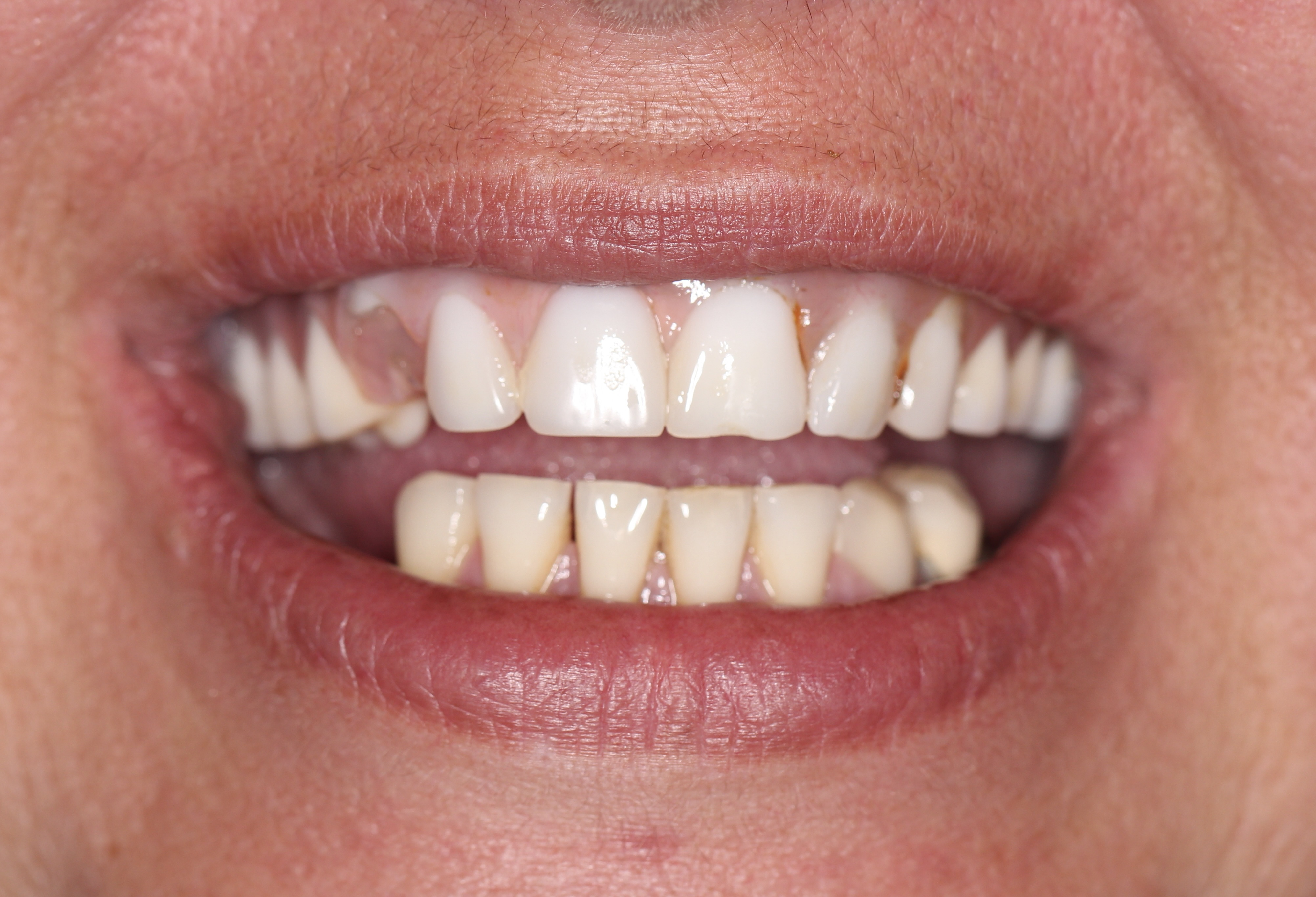
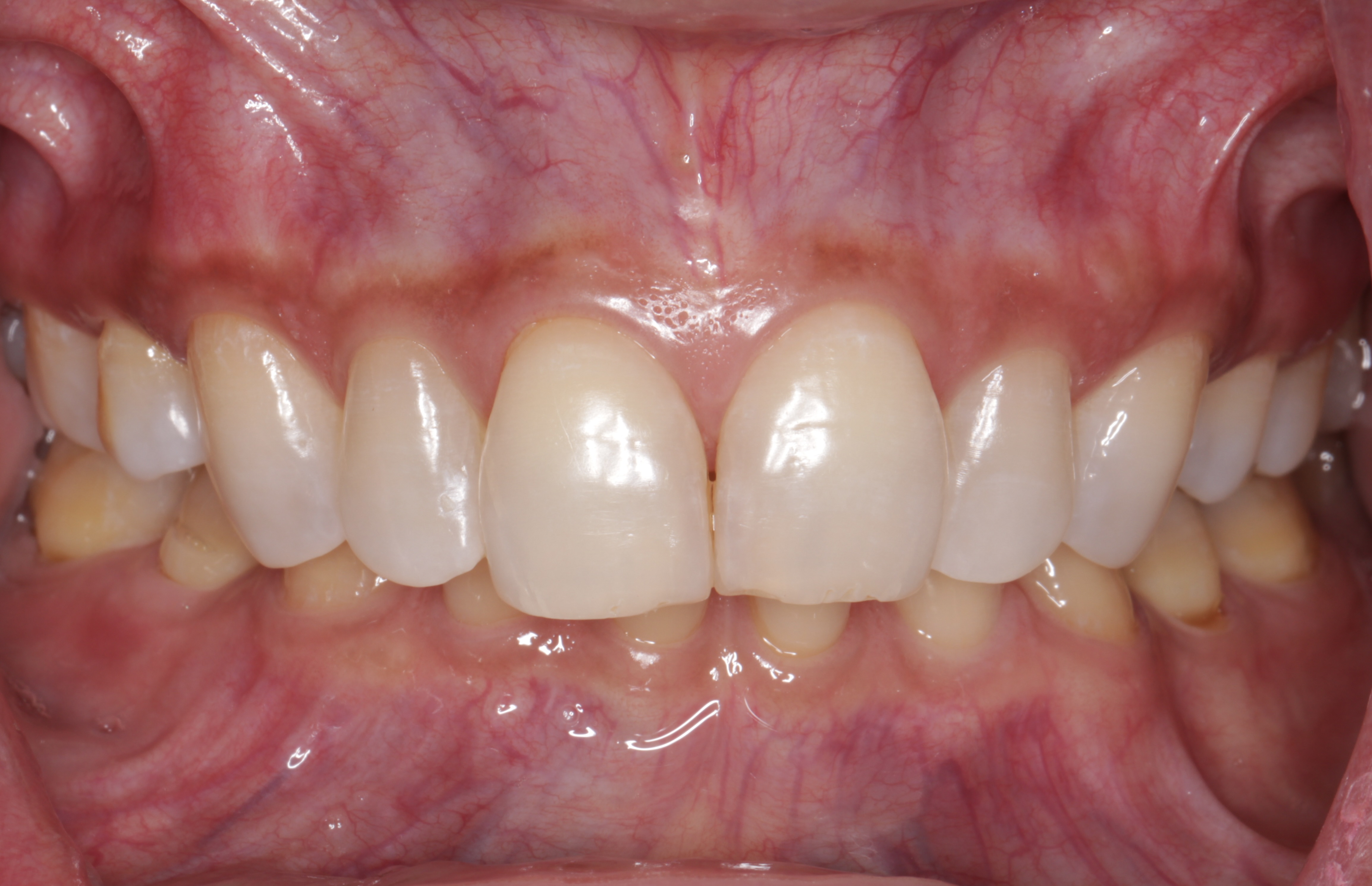
During the examination, I may see a recognizable pattern: the upper front teeth overlap the lower teeth deeply, the back teeth have short clinical crowns, and the front-tooth contacts guide the lower jaw backward as the teeth come together.
The concern is not simply how the teeth look. It is how they fit and function. A restrictive bite deserves evaluation before extensive wear, fractures, or repeated restorative failure develops.
A deep bite means the upper front teeth overlap a large portion of the lower front teeth. The amount of overlap matters, but so do the angle of the teeth, their contacting surfaces, and the support provided by the back teeth.
In a restrictive relationship, the lower front teeth contact steep surfaces behind the upper front teeth as the jaw closes. Those contacts can direct the closing movement backward rather than allowing the teeth to meet without that deflection.
Patients may describe feeling more comfortable slightly open, then feeling pushed back or restricted when they close fully.
I examine where contact begins, how the jaw moves into the bite, and where the back teeth provide support. Short-looking back teeth alone do not establish that the bite has lost height. Their position and relationship to the front teeth are what matter.
A deep bite does not, by itself, explain why someone clenches. The distinction is between what drives the muscle activity and where the teeth receive its forces.
Patients often expect grinding to produce flat edges across the entire mouth. Clenching can place substantial pressure on teeth without that broad sliding movement.
In a restricted bite, forces may be concentrated on particular contacts. I look for wear on the edges of the lower front teeth, the surfaces behind the upper front teeth, and the contacting areas of the back teeth. Small chips, fractured restorations, and morning muscle fatigue may accompany that pattern.
The teeth do not have to be uniformly worn down for those findings to matter. The wear pattern helps show where contact has occurred; the examination and history help explain how the mouth is functioning now.
Some patients with a restrictive bite also have snoring, disrupted sleep, or diagnosed obstructive sleep apnea.
A retruded lower jaw can be part of the anatomy that contributes to airway narrowing. However, a deep overlap of the teeth is not the same finding as a retruded jaw, and the position of the teeth during closure does not tell us exactly what happens to the airway during sleep.
I consider the jaw relationship alongside the patient's sleep history. Snoring, waking gasping, unrefreshing sleep, and daytime sleepiness warrant attention beyond the dental examination.
If sleep apnea has already been diagnosed, I ask what treatment was prescribed and whether the patient can use it consistently. That information affects appliance selection and coordination of care.
Restoring the bite and treating sleep apnea have different goals.
A nightguard can protect teeth and restorations and change how the teeth contact while it is worn. It is not automatically an airway treatment.
A mandibular advancement appliance is designed to hold the lower jaw forward during sleep to help maintain an open airway. For suitable patients with diagnosed obstructive sleep apnea who cannot tolerate CPAP or prefer an alternative, it is an established treatment option.
I provide custom mandibular advancement appliances in coordination with the patient's sleep physician. Follow-up sleep testing helps confirm whether the appliance is adequately treating the apnea.
The teeth, depth of the bite, existing restorations, available jaw movement, and supporting tissues all influence appliance design and tolerance. Follow-up also includes checking comfort and changes in the bite.
If prescribed CPAP is not being used consistently, the next step is to address that difficulty with the sleep-care team and establish an effective treatment plan, not simply substitute a conventional nightguard.
Patients sometimes ask whether their front teeth should simply be straightened or filed down. The front teeth are part of the picture, but their relationship with the back teeth determines what needs to change.
I plan tooth length, shape, and bite together. Esthetics and function are designed simultaneously.
When posterior support is inadequate and the upper front contours restrict movement, both belong in the same design. The intended front-tooth position and guidance help determine the posterior design. The available posterior support and space influence what can be achieved in the front.
The approach may be orthodontic, restorative, or a combination. Teeth that are largely intact may be candidates for orthodontic movement as part of the plan. Worn or previously restored teeth may require a different approach.
The goal is adequate support and room for function, not simply raising the back teeth or shortening the front teeth.
In complex restorative cases, diagnostic designs and provisional restorations allow me to evaluate the proposed tooth relationships before completing the final work. A reversible appliance may also have a role when indicated.
I assess appearance, speech, chewing, tooth contacts, and muscle and joint comfort. Those findings help refine the restorative plan.
Breathing during sleep requires a separate assessment. Comfortable provisionals or an appliance that feels good do not establish that sleep apnea is controlled.
A comfortable bite is about more than straight teeth. It requires tooth relationships that provide support and allow function. When sleep apnea is also present, the dental and sleep-treatment plans need to work together.
Results and treatment needs vary from patient to patient. This article is for educational purposes only and does not replace an individual clinical examination, diagnosis, or treatment recommendation.