Why Does It Feel Like I Can’t Find My Bite?
A patient may describe the problem in several ways: “My bite feels off.” “My teeth no longer come together naturally.” “I keep moving my jaw, but I cannot find a comfortable place to close.” Some patients first notice that their bite feels off after a new crown, filling, veneer, bridge, or implant restoration.
A bite that feels wrong is real to the patient, but it is not a diagnosis by itself. The sensation may be related to a specific dental contact, changes in the chewing muscles or jaw joints, or increased awareness of how the teeth touch.
Before changing teeth or restorations, I want to understand when the sensation began, what changed, and whether the examination identifies a dental, muscular, joint-related, or sensory contributor.
As a prosthodontist in Austin, I evaluate the teeth, restorations, chewing muscles, temporomandibular joints, and pattern of jaw movement before recommending permanent changes to the bite.
Some patients notice that one tooth touches before the others. Others feel that the lower jaw shifts as they close. The bite may change throughout the day, become less comfortable while chewing, or seem impossible to reproduce in the same position.
The pattern of symptoms can point toward very different explanations.
A single high restoration after recent dental treatment is different from a bite that feels less stable as the jaw muscles become tired. A sudden change after trauma or joint swelling is different from a persistent sensation that continues despite multiple dental adjustments.
The symptom may occur with jaw pain, muscle fatigue, limited opening, clicking, locking, headaches, tooth soreness, or fractured restorations. It may also occur without pain.
The chewing muscles contribute to how the lower jaw closes, along with the jaw joints, tooth contacts, and the nervous system’s control of movement.
When muscle pain, protective tightening, or altered jaw movement is present, a patient may perceive the closing path as less consistent. Jaw clenching, bruxism, prolonged dental treatment, or discomfort elsewhere in the jaw system may contribute. The pattern requires examination rather than assumption.
In selected cases, a reversible appliance or another temporary measure may be used as part of conservative management or observation. Any response must be interpreted cautiously. Improvement does not prove that tooth contact caused the symptoms, and lack of improvement does not establish a different diagnosis.
The temporomandibular joints, commonly called the TMJs, help guide jaw movement and closure.
Trauma, inflammation, disc displacement, or structural change within a jaw joint can sometimes alter how the teeth come together. Joint sounds are common and do not necessarily require treatment when there is no pain or limitation of movement.
A sudden bite change associated with trauma, swelling, significant pain, locking, or an inability to close normally should be evaluated promptly. When a persistent change in tooth contact occurs with joint symptoms or trauma, the examination may indicate a need for additional evaluation or imaging.
An uncomfortable bite does not automatically mean that the bite caused a temporomandibular disorder. TMD is multifactorial, and the relationship between dental contacts and jaw symptoms must be evaluated carefully.
Jaw symptoms accompanied by new facial weakness or numbness, an unusual severe headache, fever with swelling, or difficulty swallowing or breathing require urgent medical assessment. Progressive facial or jaw asymmetry, persistent unexplained swelling, unexplained weight loss, or a history of cancer with new facial or jaw symptoms also warrants prompt evaluation.
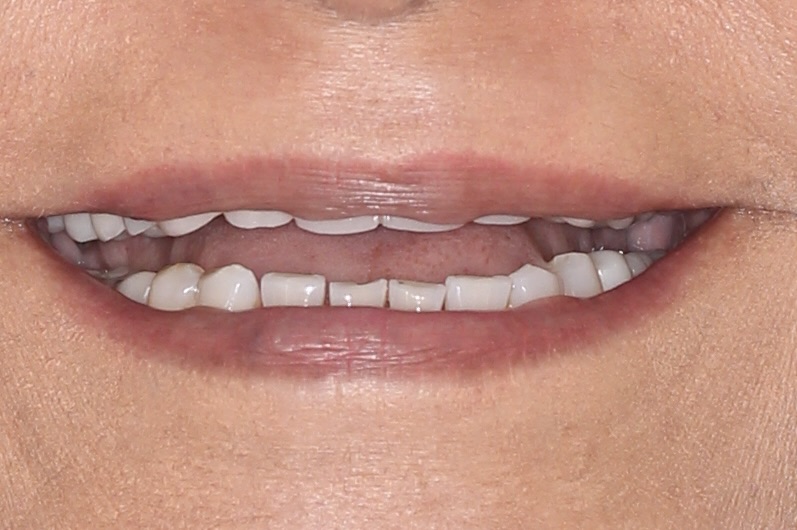
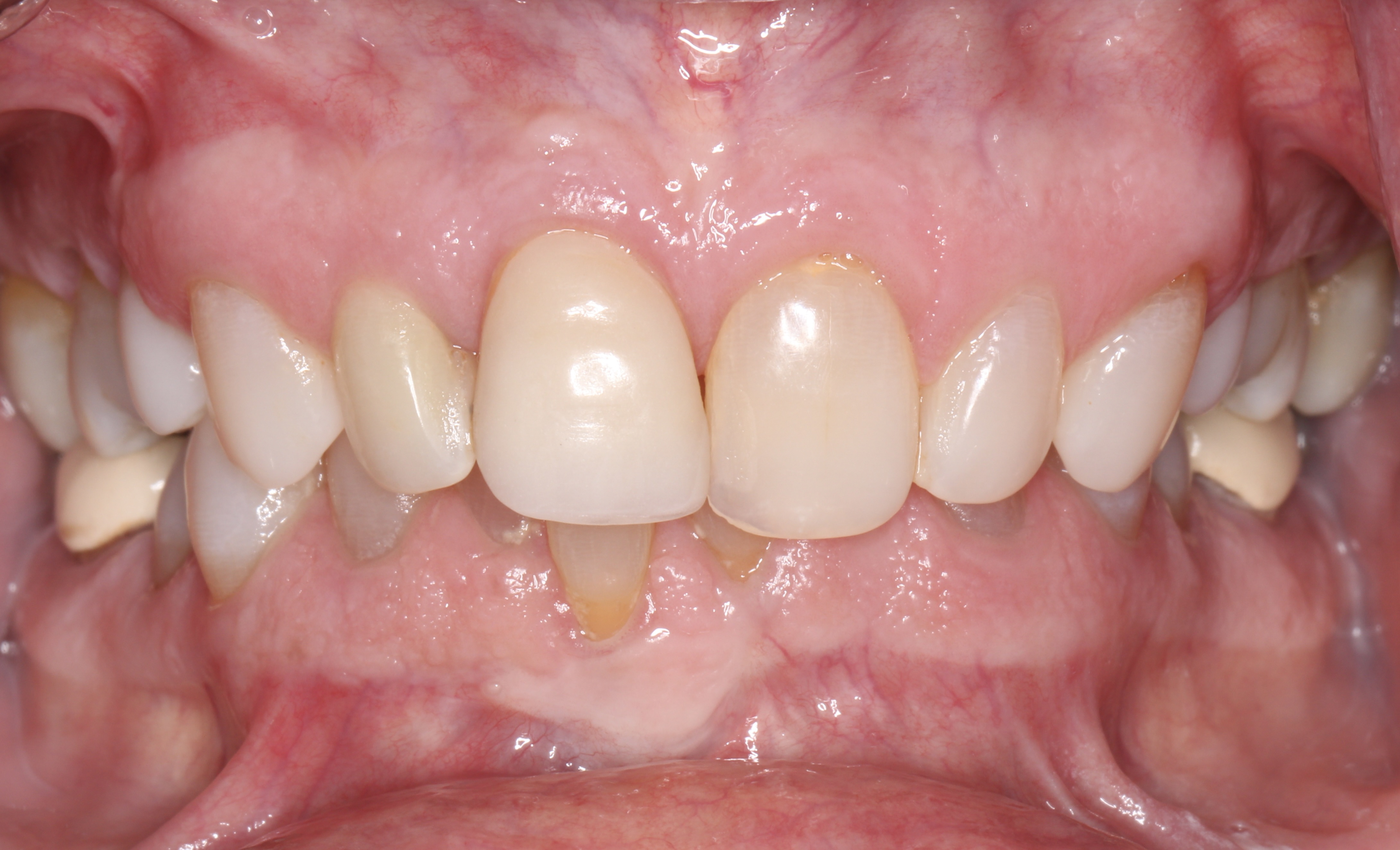
A recent filling, crown, bridge, implant restoration, or denture can introduce a contact that feels different. Teeth can also shift after tooth loss, orthodontic movement, periodontal changes, or prolonged absence of an opposing tooth.
Wear, fractures, tooth mobility, and the loss of back teeth that help support the bite may change how the teeth meet. When several teeth, restorations, or missing teeth are involved, I may need to evaluate the overall bite, the room available for restorations, and how chewing forces are shared.
When an objective dental change matches the patient’s symptoms, correcting that specific problem may be appropriate.
For example, a recently placed filling or crown that is objectively high and creates a clearly identifiable premature contact may require a focused adjustment. That is different from repeatedly reshaping multiple teeth in an attempt to treat a vague or unexplained bite sensation.
Some patients experience a persistent and distressing sensation that the bite is wrong even when the examination does not identify a dental contact problem that adequately explains the intensity or persistence of the complaint. This is called occlusal dysesthesia and is sometimes described as phantom bite syndrome.
A patient may become increasingly aware of each tooth contact, repeatedly check the bite, or feel compelled to move the jaw in search of a comfortable position. This bite hyperawareness is real and can be extremely disruptive. However, repeatedly adjusting or reshaping the teeth may not resolve it.
Occlusal dysesthesia may be considered when the history and examination do not identify a structural dental or jaw-joint problem that adequately explains the complaint. Neurologic, pain-related, behavioral, and medical contributors may also need to be considered.
Management is conservative. It may include education, reducing repeated checking of the bite, and coordination with an orofacial pain specialist or another clinician experienced in persistent sensory symptoms. Broader pain-management or behavioral-health support may also be helpful when appropriate.
I begin with the history. I want to know whether the change followed dental treatment, an injury, tooth loss, prolonged opening, a painful episode, or no identifiable event. I also ask whether the bite changes during the day and whether the patient can identify one specific contact or only a general feeling of instability.
The examination may include:
• The condition and position of the teeth and restorations
• Missing teeth and support from the back teeth
• Tooth mobility, wear, fractures, and periodontal support
• The patient’s closing path and jaw movements
• Muscle tenderness, fatigue, and range of motion
• Joint sounds, pain, locking, and movement patterns
• The location and timing of tooth contacts
Depending on the findings, photographs, dental radiographs, digital scans, or other records may help clarify a suspected dental or restorative change. Joint imaging is reserved for situations in which the results are likely to affect the diagnosis or treatment plan.
Marking paper can show where the teeth touch, but a colored mark alone does not explain why a patient has pain or feels that the bite is wrong.
When the diagnosis remains uncertain, permanent changes can make the situation more difficult to interpret. Enamel removed during an occlusal adjustment cannot be replaced. Changing several teeth may create a new bite without resolving the original complaint.
When appropriate, evaluation begins with conservative and reversible measures such as observation, self-management, physical therapy, treatment of muscle symptoms, or a carefully selected appliance.
Depending on the findings, co-management with an orofacial pain specialist, physician, physical therapist, orthodontist, or oral surgeon may be appropriate.
A permanent change to a tooth or restoration may be appropriate when an objective dental or restorative problem has been identified and the proposed change directly addresses that problem. It should not be used as a routine attempt to treat unexplained TMD symptoms.
I evaluate the teeth, restorations, bite, muscles, and jaw joints as related parts of the same system while recognizing that they do not always share one cause.
The next step may be a focused correction to one restoration, a period of reversible evaluation, or a broader restorative plan when objective findings support it.
The goal is to identify the most likely source of the change before permanently altering the teeth.
This article is educational and is not a substitute for an individual examination, diagnosis, or treatment recommendation.