Veneers or Crowns: How Is the Right Restoration Chosen?
Veneers and crowns are sometimes presented as two levels of the same cosmetic treatment. They are not interchangeable, and one is not automatically better than the other.
As a prosthodontist in Austin, I choose between veneers, crowns, and more conservative alternatives by evaluating what each tooth needs structurally, esthetically, and functionally. The goal is to preserve healthy tooth structure while selecting a restoration that can predictably address the actual problem.
A ceramic veneer is a thin bonded restoration used primarily on the visible surfaces of a tooth. It can modify shape, proportion, color, surface texture, and minor positional discrepancies.
A crown provides more extensive coverage and may be appropriate when a tooth has lost substantial structure, contains a large existing restoration, or has significant decay, fracture, or severe wear. Crowns may also be selected when a comprehensive plan to correct the bite requires substantial changes in tooth form. Greater coverage should be justified by the condition of the tooth and the overall restorative plan, not solely by the desired cosmetic change.
These are general descriptions, not rigid rules. Veneer preparations vary according to the starting condition and intended result. Crown preparations also vary according to the remaining tooth structure, restorative material, bite, and available space.
Bonded ceramic veneers perform most predictably when adequate enamel can be preserved. Limited dentin exposure does not automatically rule out a veneer, but extensive dentin exposure can make bonding more technique-sensitive and may reduce long-term success. If the proposed result would require substantial enamel removal, the advantages of choosing a veneer may decrease.
A crown does not make a compromised tooth healthy by covering it. The quality and amount of remaining tooth structure still matter. I evaluate whether the tooth has enough sound structure to support the restoration, where the margins would be located, and whether decay or fractures extend beneath the gumline.
The most conservative option is not always the restoration with the smallest name. It is the treatment that preserves what is healthy without leaving the tooth inadequately protected.
Yes. A tooth with a small filling and substantial enamel presents a different situation from a tooth with a large filling, several previous restorations, or structural cracks.
Existing restorations can reduce the amount of enamel available for bonding. Decay must be removed before the definitive restorative design can be confirmed. Cracks must be evaluated for their location, depth, symptoms, and effect on the remaining tooth.
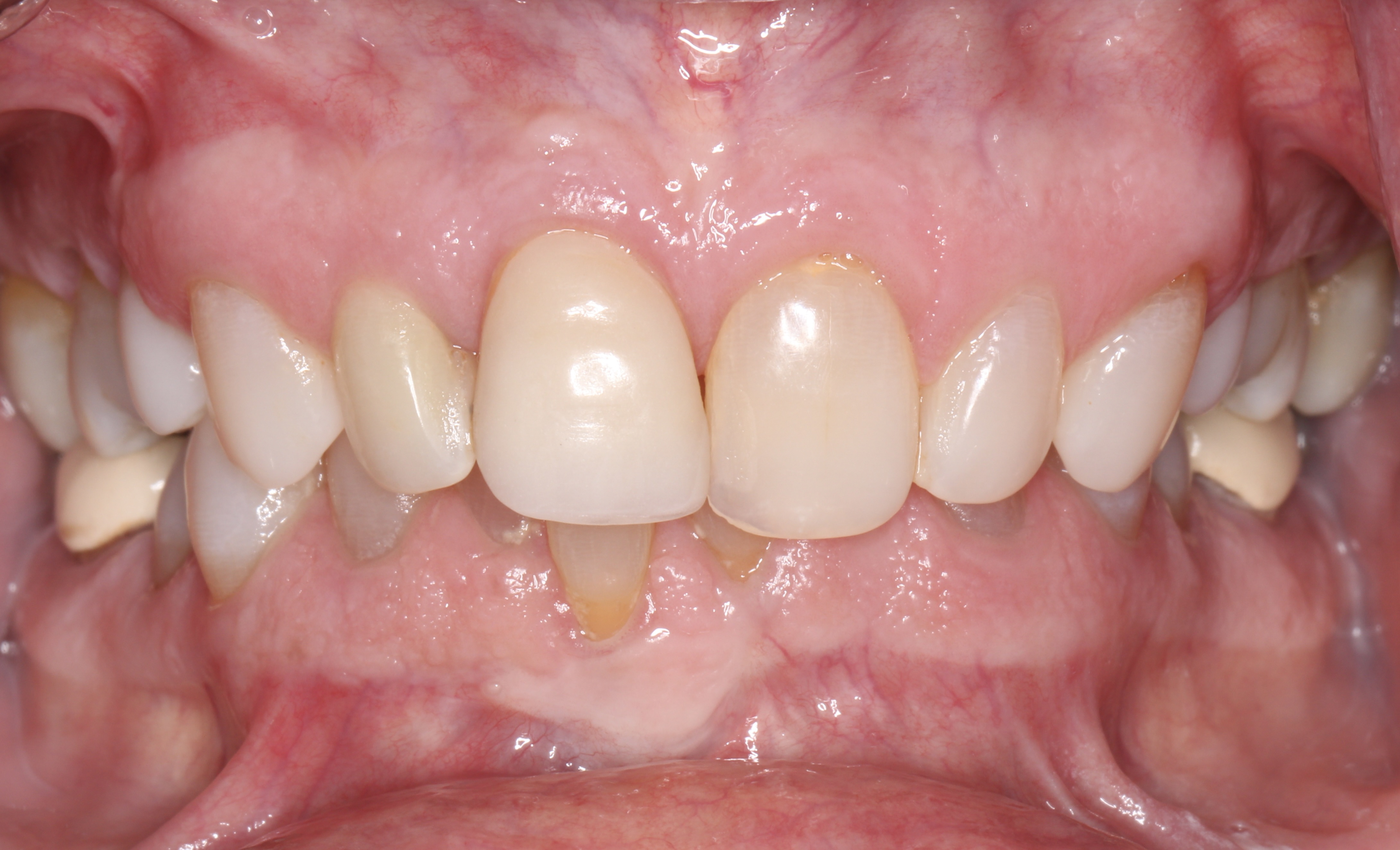
A tooth that already has a crown generally requires another crown because it has already been prepared around all sides for full coverage. A veneer cannot replace tooth structure that was removed during the original crown preparation.
Root-canal treatment is another consideration, but it does not determine the answer by itself. The amount of remaining tooth structure, discoloration, previous access restoration, and functional demands must be evaluated together.
A veneer can change tooth color, but ceramic is not infinitely opaque. A very dark tooth may require additional restorative thickness to mask the underlying color. Removing more enamel simply to create that space may undermine the reason for choosing a veneer.
The source of the discoloration matters. External staining, an intrinsically dark tooth, a previous root canal, and a metal-containing restoration may require different approaches. External whitening, or internal bleaching of a root-canal-treated tooth, may sometimes reduce the amount of restorative treatment needed.
Tooth position also affects the decision. A tooth that sits too far forward may require substantial reduction before a veneer can be placed within the intended smile. A tooth positioned farther inward may need added volume, which can sometimes be accomplished more conservatively.
When alignment is the primary concern, orthodontic treatment may preserve more natural tooth structure than attempting to correct the entire discrepancy with ceramic.
Front teeth guide jaw movements, contribute to speech, and contact the opposing teeth. A restoration that looks appropriate in a photograph must also function within those relationships.
I evaluate the patient’s bite, available restorative space, tooth wear, jaw movements, missing teeth, and signs of clenching or grinding. Heavy functional forces do not automatically mean that every tooth needs a crown. They may, however, influence the preparation design, material, restorative thickness, number of teeth treated, and need for protective follow-up care.
If the bite is unstable or the teeth have lost significant length, choosing veneers or crowns one tooth at a time may not address the larger problem. The proposed changes must be evaluated within the entire mouth.
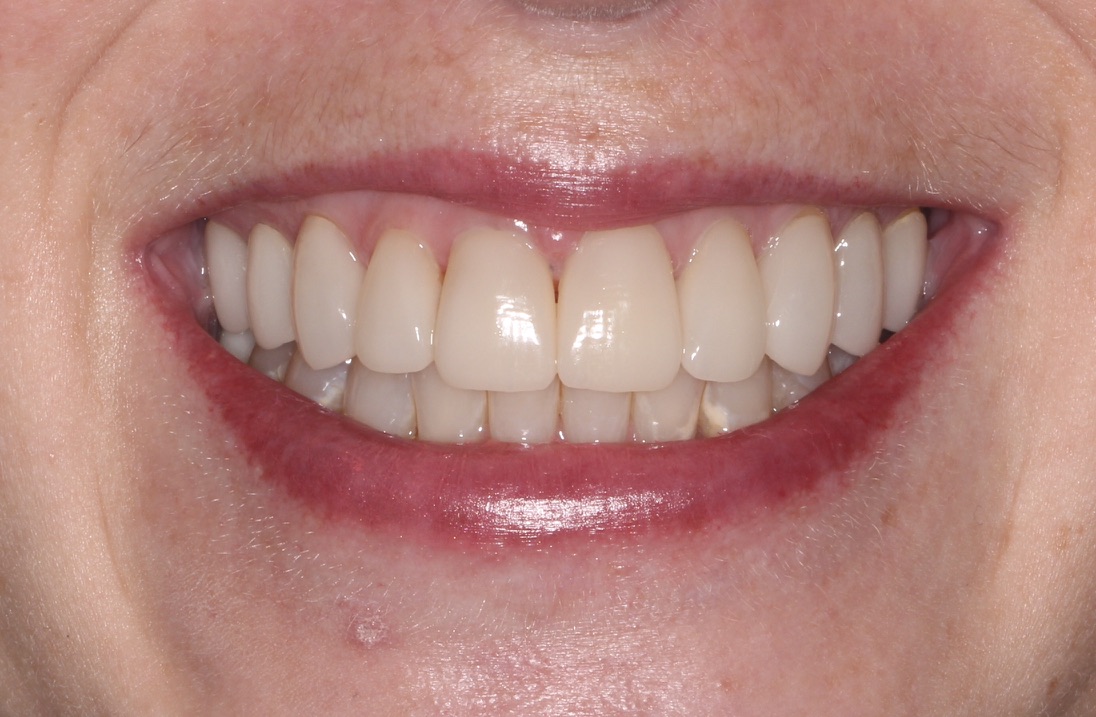
An esthetic plan does not require every tooth to receive the same restoration. One tooth may need a crown because it already contains a large restoration, while a neighboring tooth may retain enough enamel for a veneer. Another tooth may need only bonding, whitening, reshaping, orthodontics, replacement of an existing restoration, or no treatment.
When different treatments are combined, color, translucency, texture, contour, and light reflection must be coordinated so the result appears cohesive rather than artificial. Treating each tooth according to its condition often preserves more natural structure than preparing every tooth the same way.
The goal is to identify the least invasive treatment that can predictably address the actual problem.
Any tooth preparation is irreversible, and neither veneers nor crowns should be considered lifetime restorations. Over time, ceramic may chip, fracture, or debond, margins may develop decay, gum levels may change, and a restoration may need repair or replacement.
The amount of preparation, condition of the tooth, home care, functional load, and follow-up maintenance all influence long-term risk. These considerations should be part of treatment planning before the teeth are prepared.
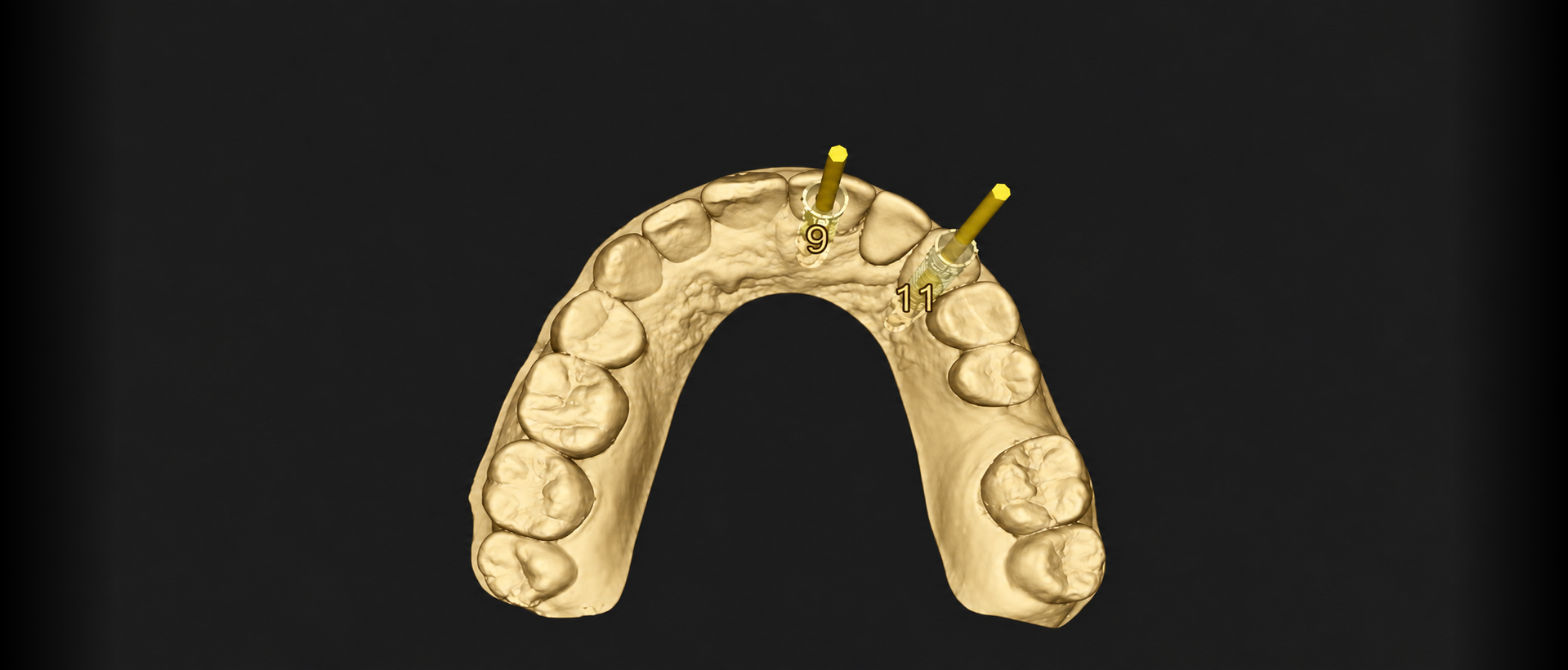
I begin by evaluating the teeth, gums, smile, facial relationships, and bite. Photographs, digital scans, radiographs, and diagnostic records help document both the visible concern and the condition beneath it.
For more involved changes, a diagnostic design can show the proposed tooth position and proportions before definitive treatment. A mock-up can help evaluate appearance, tooth proportions, and available space. When provisional restorations are used, they may provide additional information about speech, comfort, and function. These steps also reveal whether the intended result can be achieved without unnecessary tooth reduction.
As a Harvard-trained prosthodontist, I do not consider veneers conservative simply because they are thin or crowns safer simply because they provide more coverage. I select each restoration according to the remaining tooth structure, the clinical problem, and the patient’s bite. One smile may appropriately combine veneers, crowns, bonding, whitening, orthodontics, or untreated natural teeth.
This article is educational and is not a substitute for an individual examination, diagnosis, or treatment recommendation.