Do Veneers Need to Be Replaced Eventually?
One of the most common questions patients ask before choosing veneers is:
“Will I have to replace them?”
Veneers are long-term restorations, but they are not lifetime restorations.
When I treatment-plan veneers, I want patients to understand that they may eventually need to be replaced. There is no exact year when that happens for everyone, because the restoration, the underlying tooth, the gums, the bite, and the rest of the smile all change differently over time.
The important question is not simply, “How many years do veneers last?”
It is why might a veneer eventually need to be replaced, and what does replacement mean for the tooth underneath?
Sometimes the reason is the veneer itself.
Ceramic can chip or fracture. A veneer can debond. Margins may become stained or less esthetically acceptable. Decay can develop at the tooth-restoration interface.
But veneers also exist in a changing mouth.
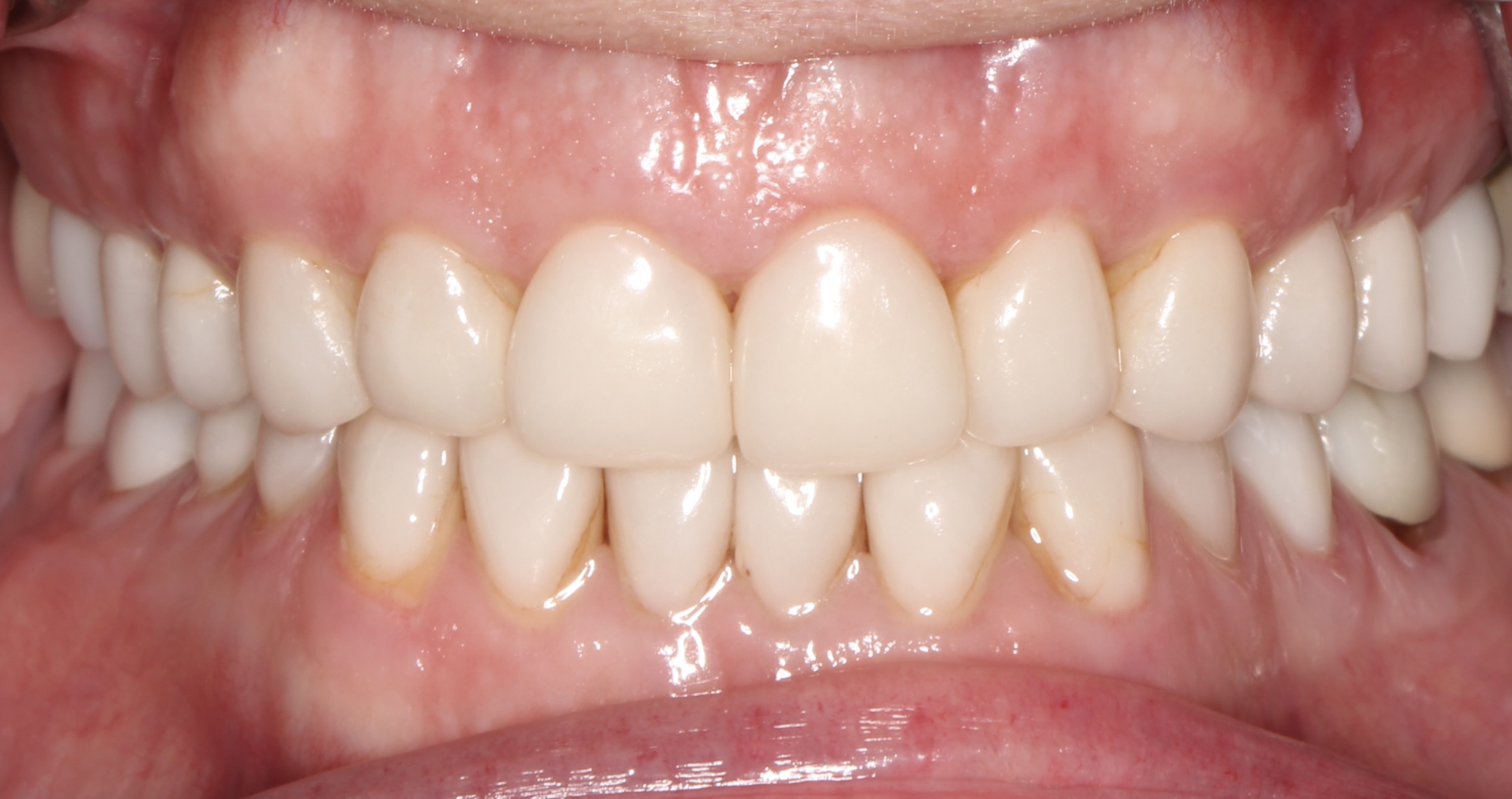
Gums can recede and expose a margin that was previously hidden. Natural teeth beside the veneers may change in color or position. The smile and surrounding dental work can change. Older veneers may no longer have the color, proportions, surface characteristics, or esthetic integration we would want today.
A restoration does not have to be completely broken before there can be a legitimate reason to replace it.
This is particularly important with esthetic dentistry.
A veneer is designed in relation to the gum line, adjacent teeth, lips, and face at a particular point in time.
Over many years, gingival recession can expose tooth structure or restorative margins. Changes in the surrounding teeth can make previously harmonious veneers appear different. Wear elsewhere in the mouth can also alter the way the veneers function.
That means the decision to replace older veneers may be esthetic, biological, functional, or a combination of these factors.
Often, yes—but it depends on the condition of the tooth when replacement becomes necessary.
This is one reason I care about preserving healthy tooth structure during the original treatment. The more sound enamel and tooth structure we preserve, the more restorative options we may have in the future.
Years later, if the tooth remains healthy and there is still sufficient structure for predictable bonding, another veneer may be appropriate.
But the tooth may also have changed over time. Decay, fracture, previous repairs, additional wear, or loss of tooth structure can change what restoration is appropriate. In some cases, a crown or another restorative approach may eventually make more sense.
So replacing a veneer does not automatically mean doing more extensive treatment to the tooth. The condition of the tooth at that time determines what comes next.
How veneers age is influenced by more than the ceramic itself.
The amount of enamel available for bonding, preparation design, adhesive technique, tooth position, restorative material, bite, clenching or grinding, oral hygiene, and maintenance can all influence long-term performance.
Case selection matters too.
A veneer used appropriately on a suitable tooth is very different from trying to solve a larger structural or functional problem with veneers simply because the patient wants a cosmetic solution.
Long-term follow-up gives us an opportunity to evaluate more than whether the veneer is still attached.
I look at the ceramic, margins, underlying tooth, gum tissue, bite, neighboring teeth, and changes elsewhere in the dentition.
Sometimes an early problem can be managed conservatively. A surface may be polished. A small defect may sometimes be repaired. A debonded veneer may be evaluated for rebonding when appropriate.
Other changes are better addressed by replacing the restoration.
The decision depends on what has changed and what condition the underlying tooth is in.
When someone is considering veneers, I don't think only about the smile we can create today.
I also think about the tooth we are leaving underneath.
Veneers may eventually need replacement, and replacement becomes part of that tooth's restorative history.
That is why conservative preparation, appropriate case selection, sound function, and preservation of healthy tooth structure matter from the beginning.
Beautiful dentistry should not only look good when it is delivered.
It should leave us with good options for the future.
Results and treatment needs vary from patient to patient. This article is for educational purposes only and does not replace an individual clinical examination, diagnosis, or treatment recommendation.