Can a Sleep Apnea Appliance Change Your Bite?
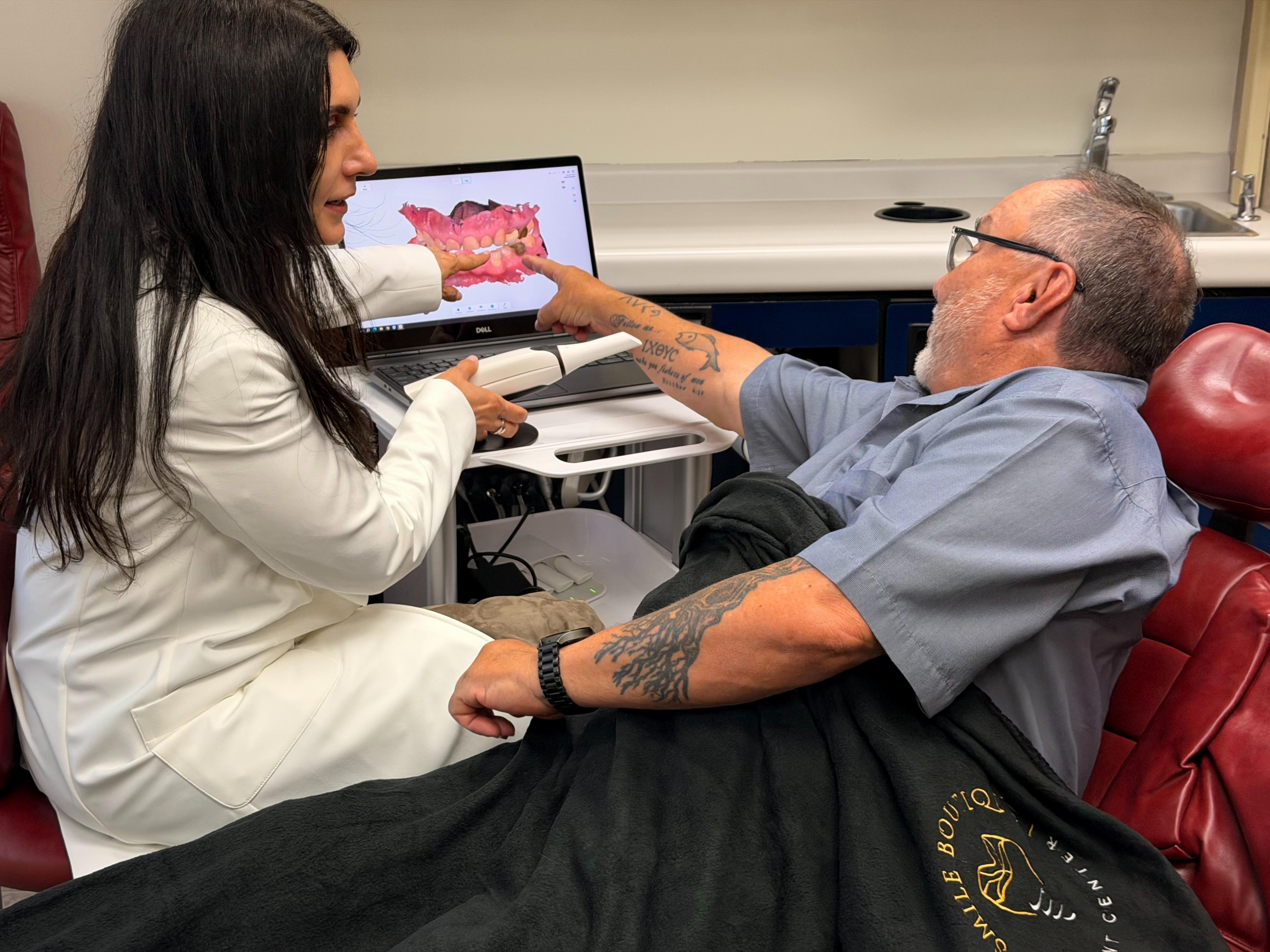
Most patients do not know that a sleep apnea appliance can change their bite. When I show them the change, they are surprised. It should not be a surprise.
A mandibular advancement device can gradually change how the teeth meet. These are recognized side effects, discussed before treatment and monitored for as long as the appliance is worn. Some changes are minor; others affect chewing or call for a change in treatment.
For many patients, the appliance remains an effective, well-tolerated treatment for obstructive sleep apnea. The bite deserves attention from the start.
A mandibular advancement device holds the lower jaw forward during sleep to keep the airway open. To do that, it transmits force through the teeth for hours every night. Over years, those forces can tip teeth and change their contacts.
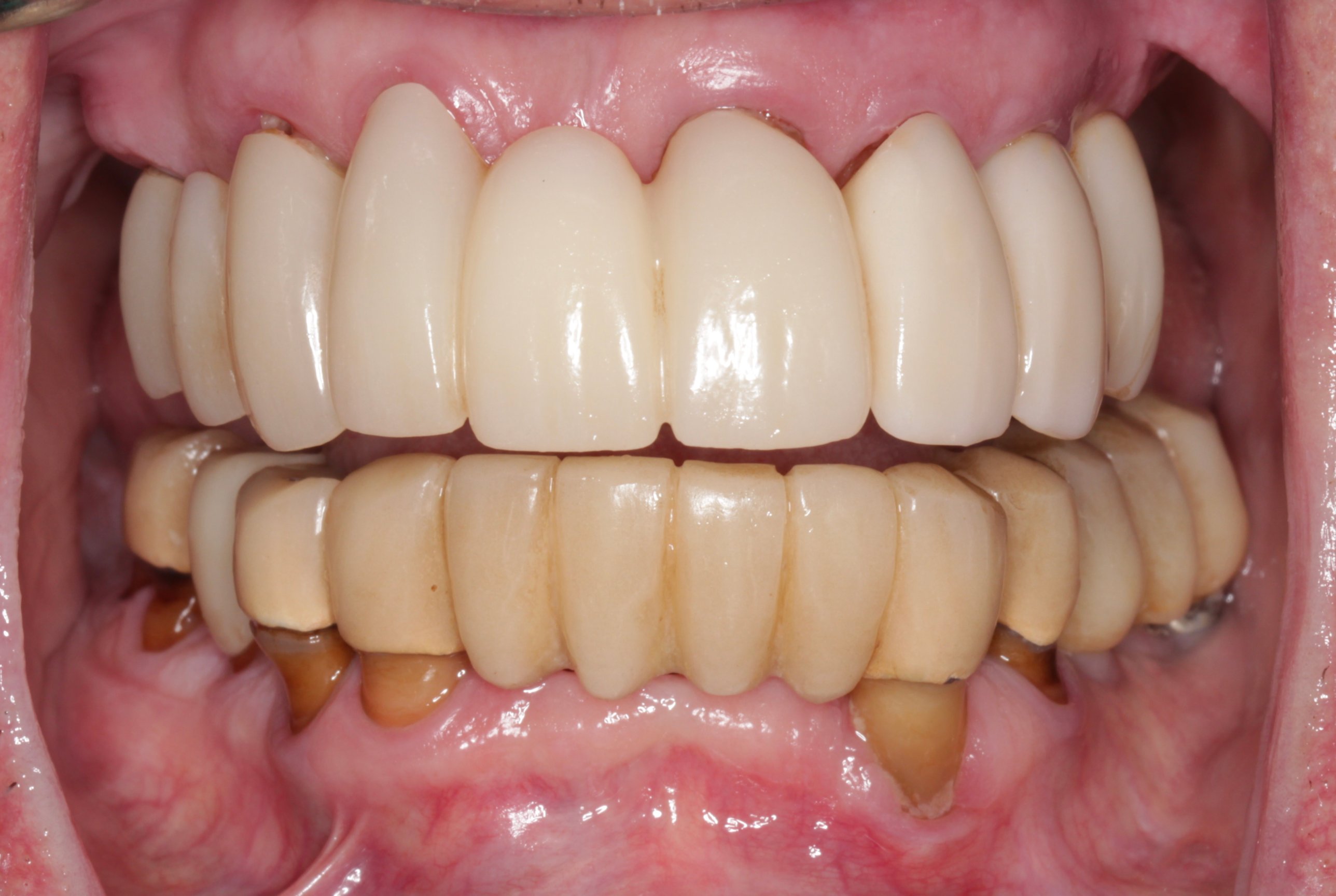
Research shows that these dental changes tend to progress with long-term use. The most common is a reduction in how far the upper front teeth overlap the lower ones, both horizontally and vertically. The back teeth may also meet differently than they did before treatment. The changes are usually gradual and painless, and many patients do not notice them until they are pointed out.
Many patients notice that their bite feels different for a short time after removing the appliance in the morning. The jaw has spent the night in a forward position, and the muscles take time to return it. Until it settles, the back teeth may not seem to meet.
When the feeling that you can’t find your bite lasts through the day or keeps growing, it needs to be examined. A persistent change can reflect tooth movement, muscle or joint factors, or both, and its duration alone does not identify the cause.
Monitoring begins before the appliance is made. I record the baseline bite with digital scans, photographs, and an assessment of the teeth, muscles, and jaw joints. That record is the reference for every follow-up.
At each follow-up, I compare the bite with that baseline. I assess the front tooth relationships, the contacts of the back teeth, the fit of the appliance, and any muscle or joint symptoms, which can overlap with normal adaptation to the appliance. I discuss those structures in more detail in muscle, joint, and disc problems.
Monitoring identifies change early. It does not prevent tooth movement.
Depending on the findings, management may include:
The AADSM’s side-effect guidance describes these approaches and acknowledges that the evidence for some of them is limited. A morning guide and exercises address the transient morning change and aim to limit progression. Established tooth movement generally does not reverse with them, and significant change may call for a different appliance or a different sleep apnea treatment.
If your bite stays changed, chewing becomes difficult, or the appliance causes pain, contact your treating dentist promptly. A painful device is not something to keep wearing unchanged. The dentist and sleep physician decide together whether to modify or pause the appliance and how to keep your sleep apnea treated.
Continuing an appliance means weighing its effectiveness against its side effects. Baseline records and follow-up let that decision rest on evidence about both your sleep apnea and your mouth.
If you wear an appliance or are considering one, a thorough evaluation of your bite, muscles, and joints is the place to start. You can learn more about oral appliance therapy for sleep apnea at our practice.
Results and treatment needs vary from patient to patient. This article is for general educational purposes and does not replace an individual clinical examination, diagnosis, or treatment recommendation.