What Is a Prosthodontist, and When Should You See One?

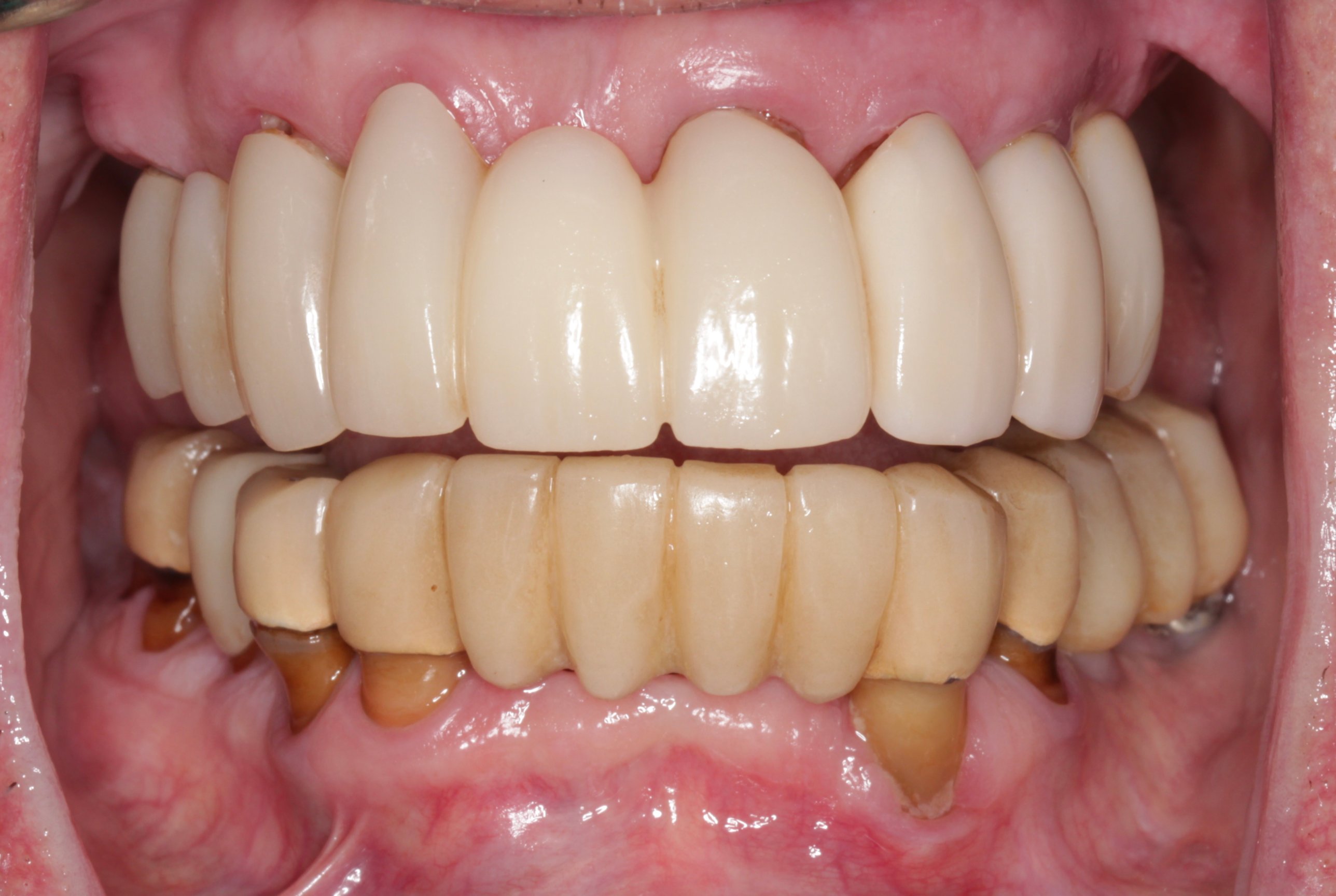
Many patients tell me they had never heard the word “prosthodontist” until a dentist referred them. That is common. The specialty is not well known, even though its work is everywhere: crowns, veneers, implant teeth, dentures, and rebuilt bites.
A prosthodontist is a dentist with advanced specialty training in restoring and replacing teeth. In the United States, that training generally includes three additional years after dental school, focused on the teeth, bite, dental materials, and the planning of complex care.
Patients see a prosthodontist for a single challenging restoration or for treatment involving many teeth, implants, severe wear, or a significant change in their smile.
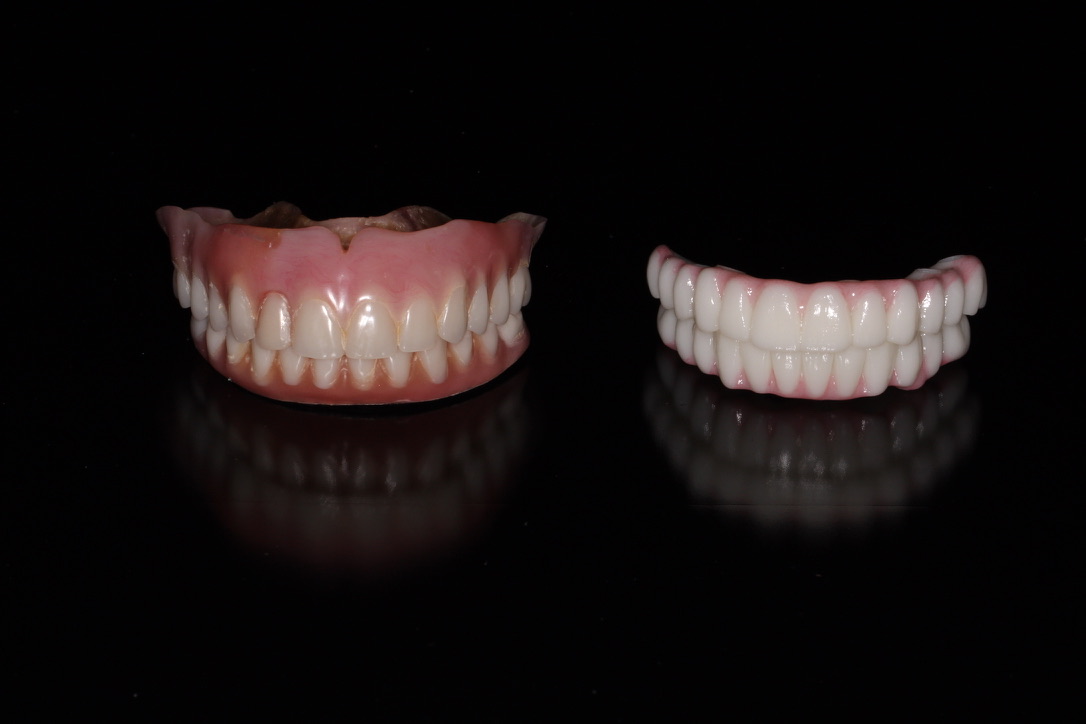
The American College of Prosthodontists describes the specialty as the diagnosis, treatment planning, rehabilitation, and maintenance of oral function, comfort, appearance, and health. In practice, that includes crowns, bridges, porcelain veneers, implant restorations, full-arch implant teeth, dentures, and the rebuilding of worn or collapsed bites.
What connects these treatments is design. The shape and position of a restoration determine how it looks, how it meets the opposing teeth, and how it can be maintained. I design those relationships together.
My evaluation also includes the jaw muscles and joints. When a patient has jaw pain, I diagnose it on its own terms before relating it to any restorative plan. Pain alone does not mean the bite needs to change.
Complex dentistry is coordinated care. A periodontist treats the gums and supporting bone and often places implants. An oral surgeon manages extractions, grafting, and surgical implant placement. An orthodontist moves teeth into better positions. Your general dentist provides the ongoing care that keeps everything healthy.
My role is to design the end result and sequence the steps that lead to it. I determine where the teeth should be, how the bite should function, and how the final restoration should look. That plan guides each clinician involved, so surgery, gum treatment, and tooth movement all serve the same finished outcome and no phase makes the final restoration more difficult.
A prosthodontic evaluation is valuable when treatment is complex, whether it involves one tooth or the whole mouth. Common reasons include:
Problems with different causes often need one coordinated plan. That is the thinking behind full mouth restoration. Before committing to any major treatment, a second opinion before major dental treatment is a reasonable step.
Some patients are referred by their general dentist or a specialist. Others contact the office directly. You do not need a referral to schedule an evaluation.
Your relationship with your own dentist continues. I share my findings and plan with the dentists involved in your care, and I welcome their perspective. After treatment, regular care often returns to your general dentist, with periodic visits to me to monitor the restorations and the bite. Dentists who would like to coordinate a patient’s care can learn more on our referring doctors page.
Care begins with a thorough evaluation. I examine the teeth, gums, bite, jaw joints, existing restorations, and facial proportions, and I take the records needed to plan precisely. From there I determine what the mouth needs and in what order.
Our in-house digital dental lab connects planning, fabrication, and refinement under my direct oversight. I collaborate with master ceramists when a case calls for additional ceramic artistry. When care involves other clinicians, I coordinate the sequence so each phase supports the planned restoration.
Results and treatment needs vary from patient to patient. This article is for general educational purposes and does not replace an individual clinical examination, diagnosis, or treatment recommendation.