What Happens at Your First Prosthodontic Consultation
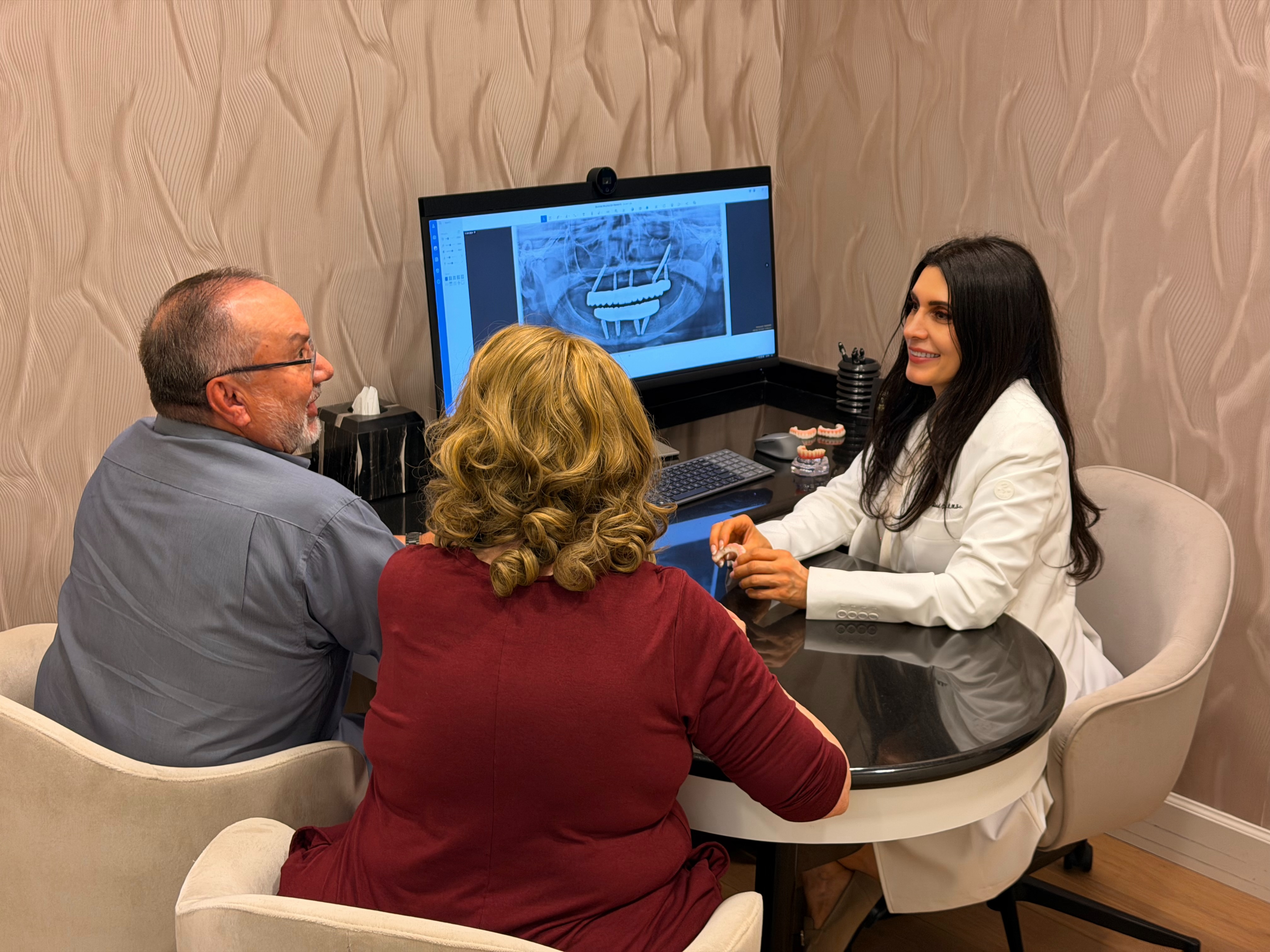
Patients call and say, “I need a consult.” A consultation is a conversation. You tell me your concerns and your goals. I examine, and I determine the next step: what is needed to reach a proper diagnosis and, eventually, a treatment plan.
Depending on the problem, diagnostic records may be obtained at that visit or arranged as a separate step. Bringing previous X-rays, dental records, and a list of your medications makes that visit more complete and more useful to you.
Many patients come with a long dental history, a plan they want reviewed, or a problem that has never been fully explained. If you have an implant or treatment plan from another office, bring it. Reviewing it as a second opinion is a common reason for a first visit.
A few things let me start with as much information as possible:
It also helps to note what matters most to you. That might be how your smile looks, a tooth that keeps breaking, discomfort when you chew, or a worry about losing teeth. Your concerns are often the most important clues in the evaluation.
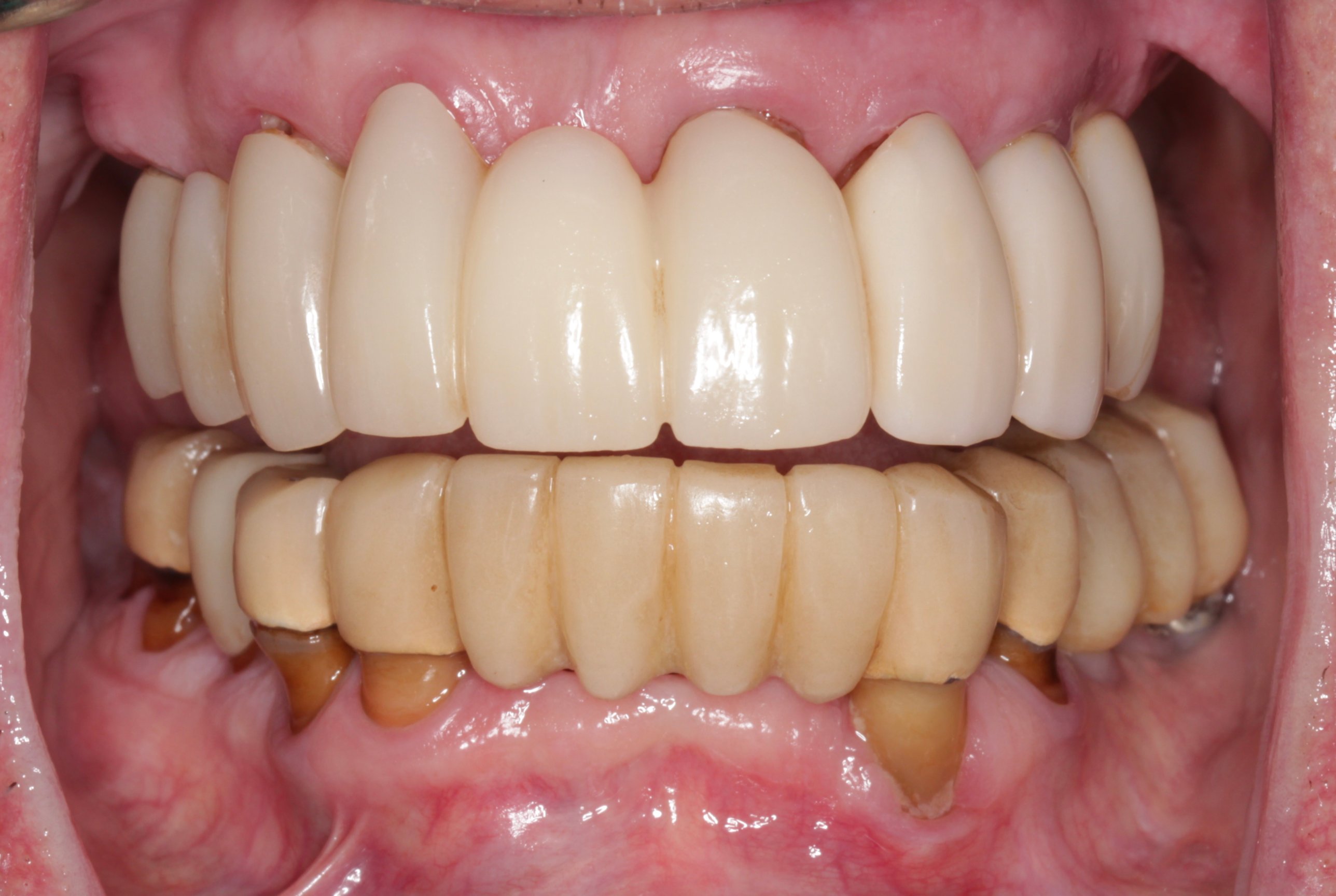
I examine your teeth, gums, jaw joints, muscles, and bite together, because their relationships shape the plan. That includes existing restorations, wear, tooth mobility, gum health, and how your teeth meet as you close and move your jaw.
I also examine your face. The way your teeth relate to your lips, your smile line, and your facial proportions is as much a part of the diagnosis as what I see on an X-ray.
Records let me study details that cannot all be resolved during the examination. Depending on your needs, they may include:
I analyze these records after your visit to evaluate the bite and plan esthetics and function together. When restorations are involved, our in-house dental lab works from the same records.
Your priorities shape the plan as much as the examination does. They may include conserving tooth structure, improving appearance, restoring chewing, or sequencing care around health and practical needs. Comprehensive planning can still lead to conservative treatment.
I ask about these priorities directly, because a sound plan has to fit the person as well as the mouth. This is also your time to ask about my specialty training and approach, or about anything you have read or been told elsewhere.
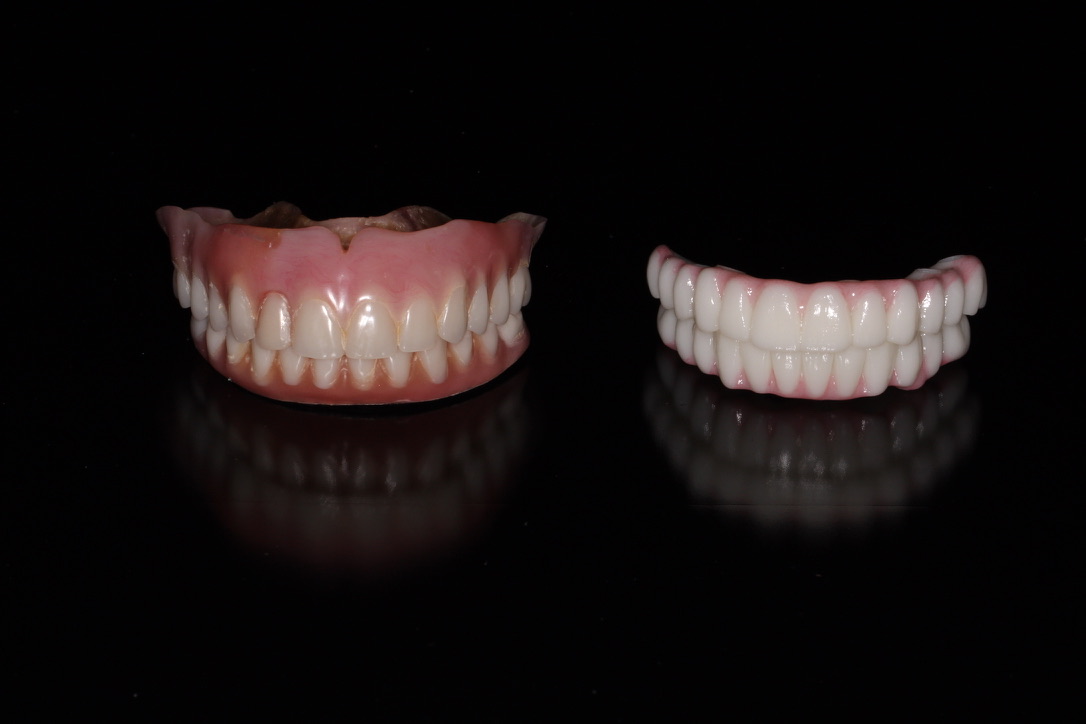
Simple concerns can often be addressed at the first visit. Full-mouth restoration, full-arch implants, bite reconstruction, and extensive esthetic work are planned after I have analyzed your records. Those plans depend on details that take careful study: the relationship of your jaws, the space available for restorations, the condition of each tooth, and how the result will look in your face.
Once your plan is prepared, I review it with you, explain the reasoning, and walk you through the sequence of treatment and the options available.
From there, you decide how to move forward. Some patients begin right away. Others take time to consider the plan or coordinate with their physician or general dentist. The next step is always made clear, including whether further records, another specialist’s assessment, or a separate planning discussion is needed.
When scheduling, ask what the consultation includes and which records to send. To begin, call the office or send an inquiry through our contact page, and we will reach out to arrange your visit. To learn more about how I approach care, see what makes the practice different.
Results and treatment needs vary from patient to patient. This article is for general educational purposes and does not replace an individual clinical examination, diagnosis, or treatment recommendation.