Full-Arch Implants or Saving Your Teeth: How the Decision Is Made
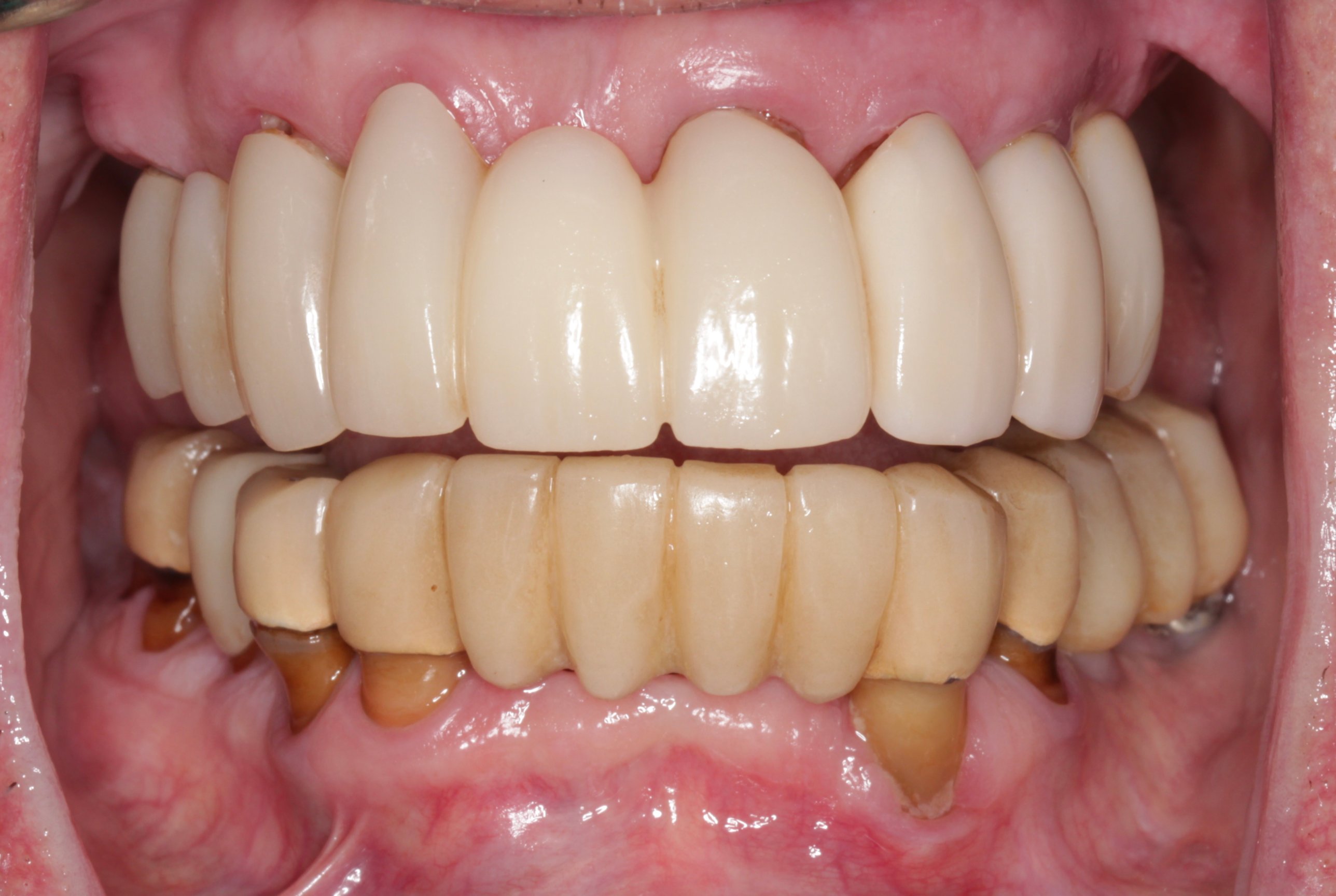
A patient recently called and asked for All-on-X. My first question was: how do you know you need it?
If your teeth still have value and can be saved, I make every effort to save them. Whether teeth can be saved or an arch should be replaced with implants depends on the condition of each tooth, the health of the supporting bone and gums, the bite, and how reliably the result can be maintained. It is a decision made from a thorough evaluation, never from a single symptom or a single X-ray.
Some patients arrive having been told they need All-on-4, as that patient had. Others want to keep every tooth they have. Both deserve a careful answer, because extraction is irreversible and the choice shapes the mouth for decades.
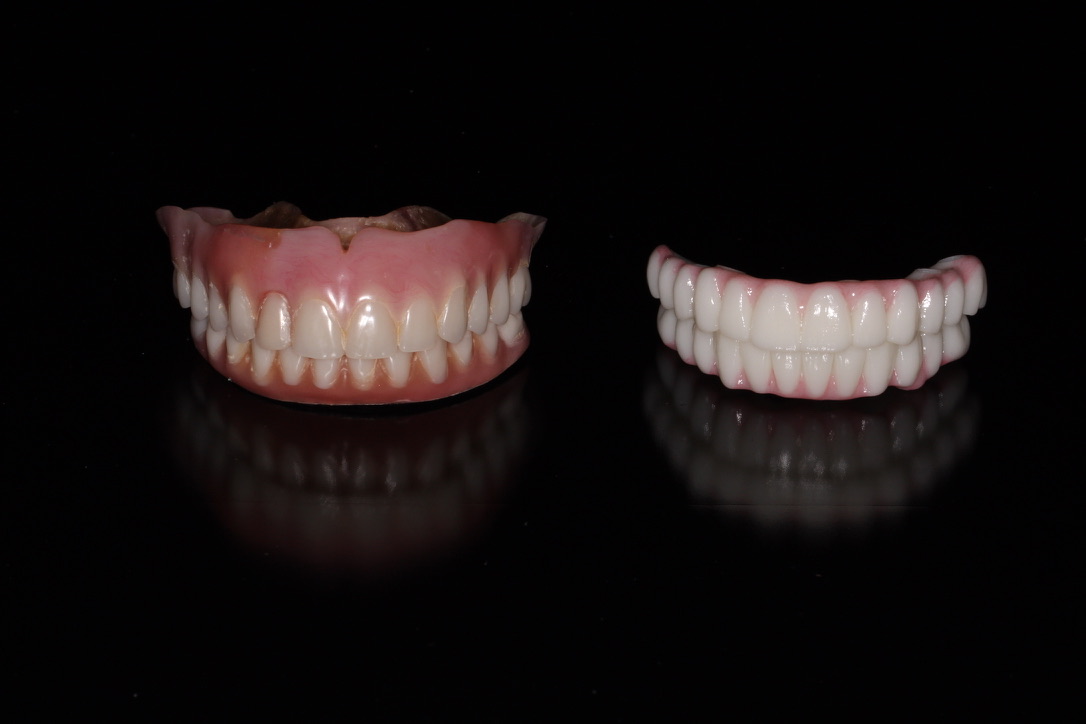
Full-arch implant treatment replaces all of the teeth in the upper or lower jaw with a fixed restoration supported by implants. It is indicated when an arch has already lost its teeth or when the remaining teeth cannot provide a maintainable foundation, most often because of advanced periodontal disease, extensive decay, or nonrestorable fractures. Severe wear or old dental work alone does not establish that teeth need to be removed.
Done well, it restores chewing, speech, and a natural-looking smile, with esthetics and function designed together. Any teeth remaining in the arch are extracted. The implants are placed surgically by a surgeon, and both the implants and the restoration need ongoing care. Those trade-offs are why the decision deserves rigor. You can read more about how I approach All-on-4 and full-arch treatment.
Natural teeth have advantages no implant replicates, including the periodontal ligament, which gives teeth physiologic movement and sensory feedback when you bite. A systematic review of long-term tooth and implant survival found no general survival advantage for implants over compromised teeth that had been treated and maintained. The studies varied too widely to pool directly, so the finding supports preserving teeth where the evaluation favors it; it does not predict the outcome of any single tooth.
Teeth are often worth keeping when the supporting bone is adequate, the periodontal disease can be controlled, the remaining tooth structure can be restored predictably, and the tooth serves the overall plan. Periodontal treatment, crowns, root canal treatment where indicated, and a rebuilt bite can then restore the mouth without removing the teeth. When several problems need correcting together, this becomes full mouth restoration on natural teeth.
Every tooth is assessed on its own and as part of the whole. I examine:
The deciding question is whether saving a tooth serves a predictable, maintainable outcome. A tooth may be technically treatable yet carry a poor long-term prognosis or require care the patient cannot reasonably maintain, and I explain that trade-off clearly. A healthy tooth is removed only when the overall plan depends on it. Signs that problems have begun to merge into one larger issue are described in when dental problems stop being separate problems.
The decision is often different for each jaw. One arch may be failing while the other can be restored on natural teeth. Treating a single arch is common, and the plan still accounts for how the two arches meet.
Treatment can also be phased, beginning with the arch in greater need, with both arches designed from the start to work together. How that sequencing works is explained in full mouth restoration one arch at a time.
Bone loss influences both sides of the decision. Around natural teeth, it determines how much support remains and whether periodontal treatment can stabilize it. For implants, the available bone determines implant position, whether grafting is needed, and how the restoration is supported.
The ridge continues to resorb after teeth are lost, and progressive bone loss around failing teeth narrows future options. That is why timing matters. Waiting is appropriate when teeth are stable and well maintained. When disease is active and bone is steadily lost, delay makes treatment more complex. The evaluation establishes which situation applies.
The plan may keep teeth, replace them, or combine both, based on prognosis, treatment burden, maintenance, and your priorities. That determination begins with a thorough evaluation.
Results and treatment needs vary from patient to patient. This article is for general educational purposes and does not replace an individual clinical examination, diagnosis, or treatment recommendation.