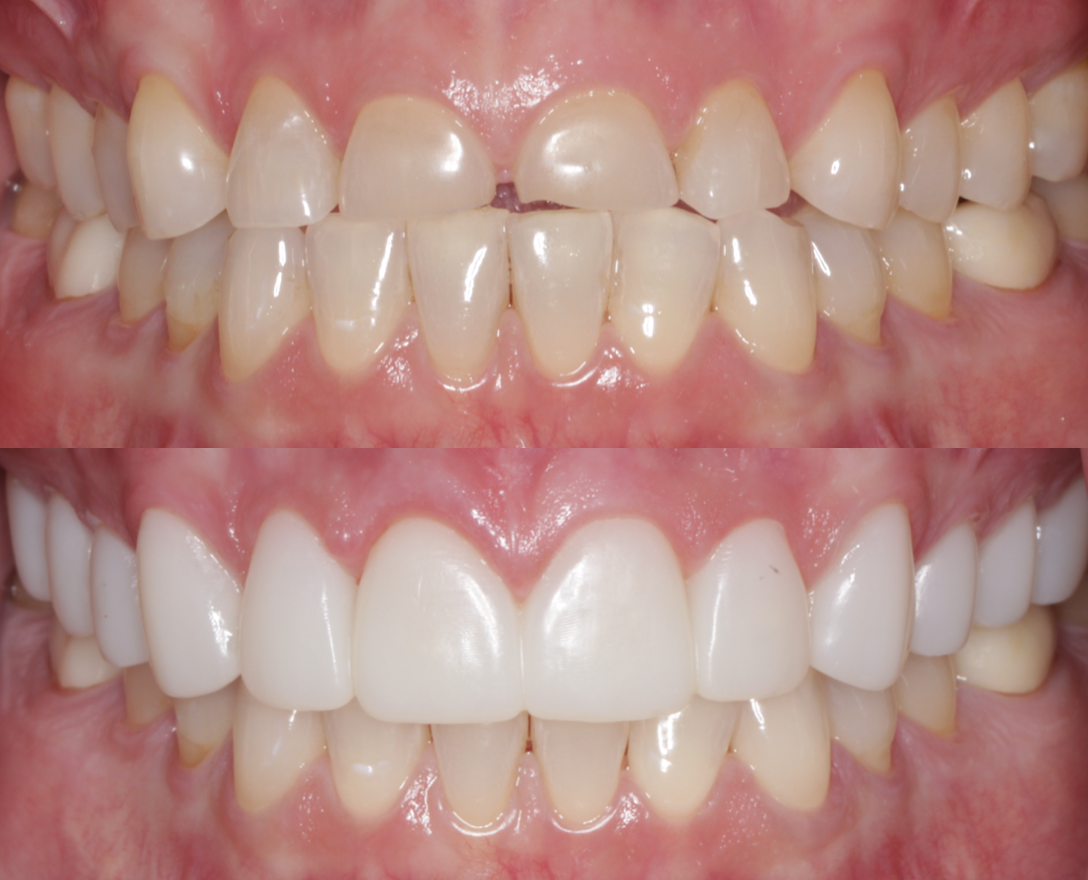
Can Full-Mouth Restoration Be Done One Arch at a Time?
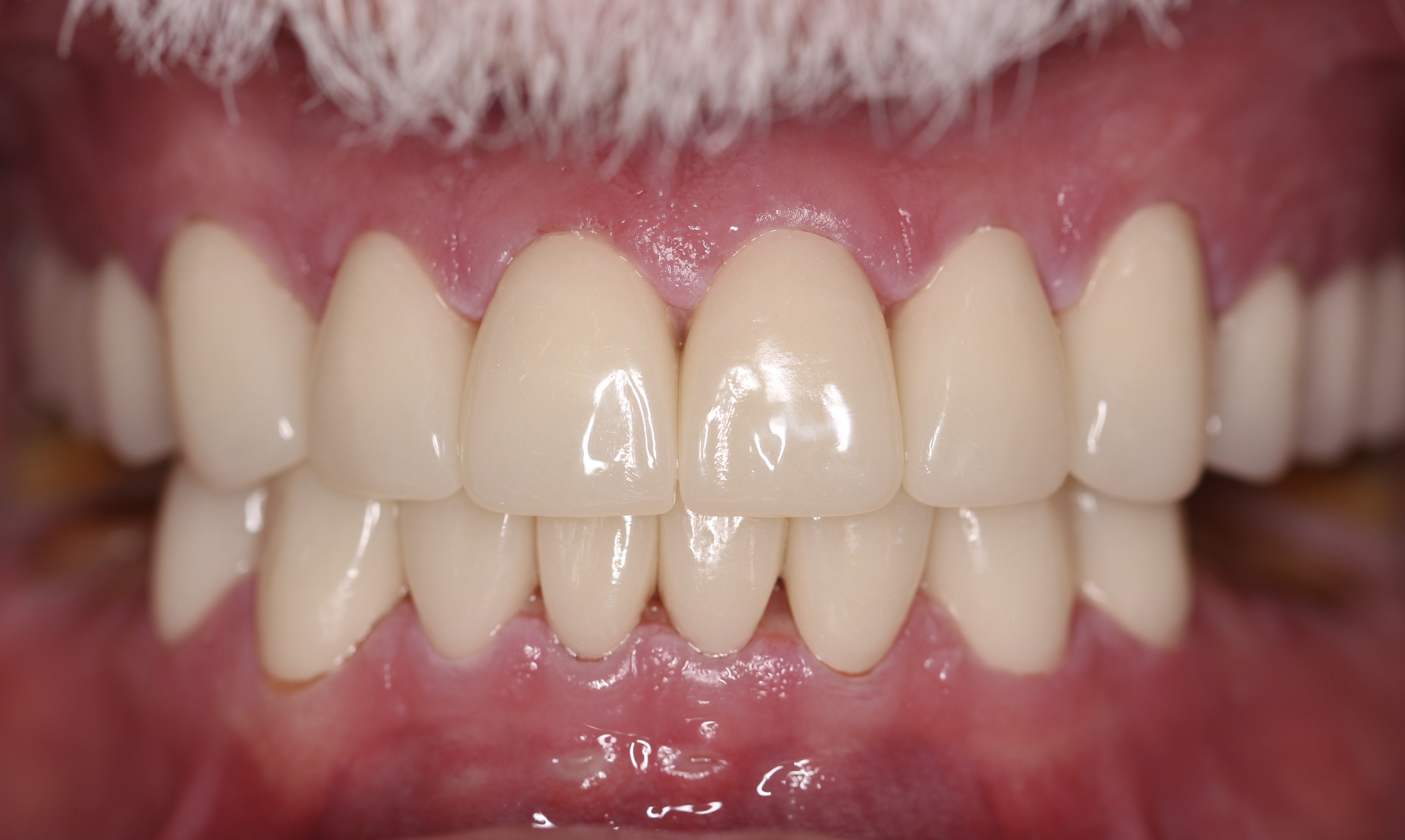
Patients sometimes ask whether a full-mouth restoration can be divided into two separate projects: the upper teeth now, the lower teeth later.
Sometimes it can. The answer depends on the arch that is left untreated.
The upper and lower teeth work as one system. Every crown, veneer, implant restoration, or natural tooth functions against the opposing arch. When I restore one arch, I design it against the teeth it meets, so the untreated arch becomes the foundation for the new restoration.
Sometimes both arches show significant wear, altered tooth positions, inadequate posterior support, or an occlusal relationship that needs correction. In that case the untreated arch dictates the design of the treated one. It limits tooth length, restorative space, anterior guidance, posterior contacts, and the vertical dimension I can establish.
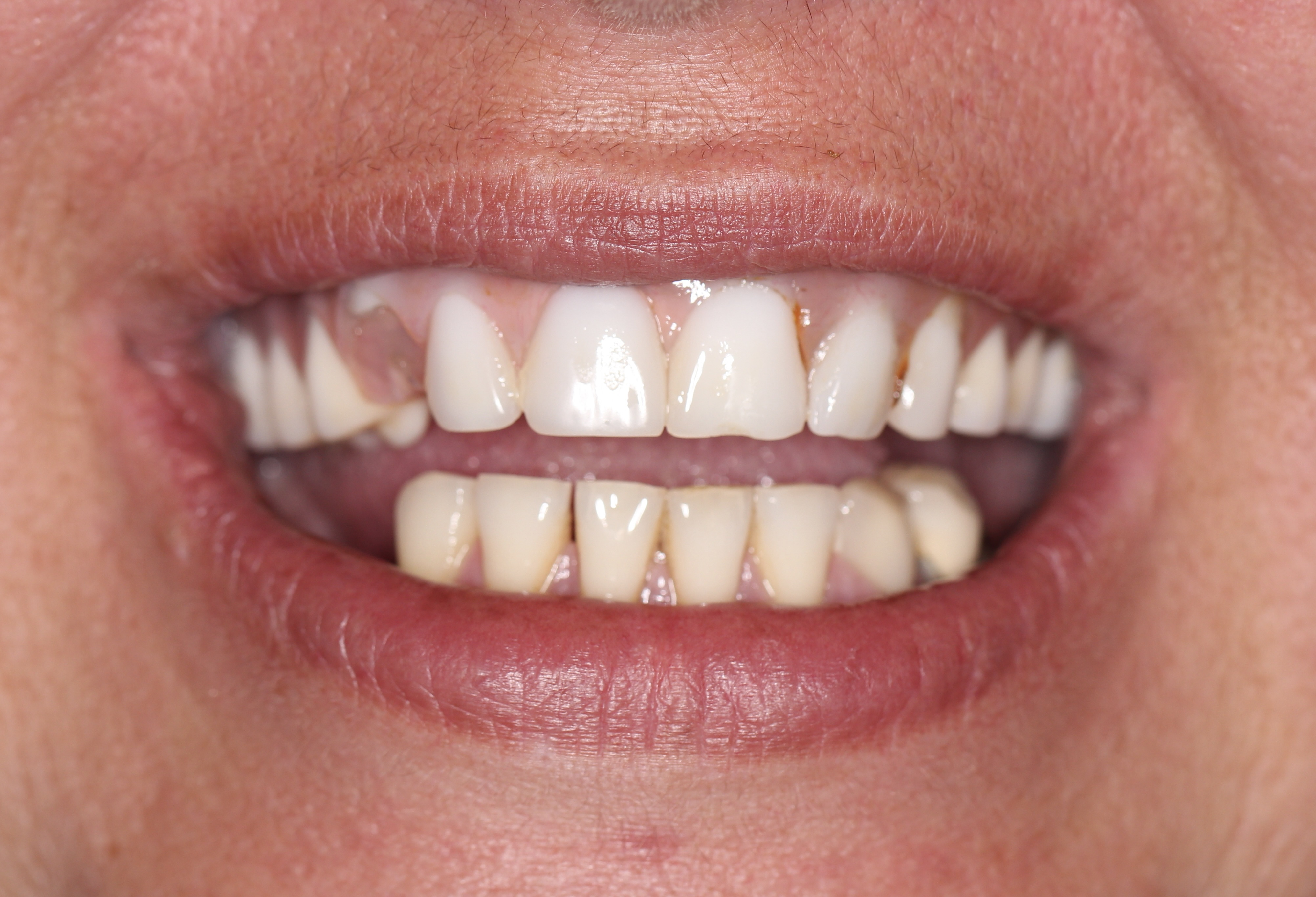
In a severely worn dentition, the problem often includes lost restorative space and a changed relationship between the arches. Restoring one arch against that relationship reproduces it in new dentistry. That is why "one arch at a time" is not automatically the safer or more conservative choice when both arches need reconstruction.
A patient may have extensive structural or esthetic problems in one arch while the opposing teeth are well positioned and functionally stable. In that situation, I restore the arch that needs it and leave healthy teeth alone. The scope comes from the diagnosis, not from the size of the case.
When both arches need treatment, I design them together from the start. The vertical dimension, tooth positions, and occlusal scheme are established for the whole mouth.
Treatment may still happen in phases. Implants may need time to heal, another specialist's treatment may need to come first, or I may evaluate the new occlusion in prototypes. What I avoid is finishing one arch to the existing bite and discovering later that the other arch requires a different vertical dimension or tooth relationship.
Diagnostic records and prototypes let me confirm the planned relationship between both arches before anything definitive is placed.
This article is for general education and does not replace an individual dental examination.