Sjögren's Disease, Recurrent Decay, and Failing Dental Work: When the Treatment Plan Has to Change
Sjögren's disease, also called Sjögren's syndrome, can make dental treatment feel endless.
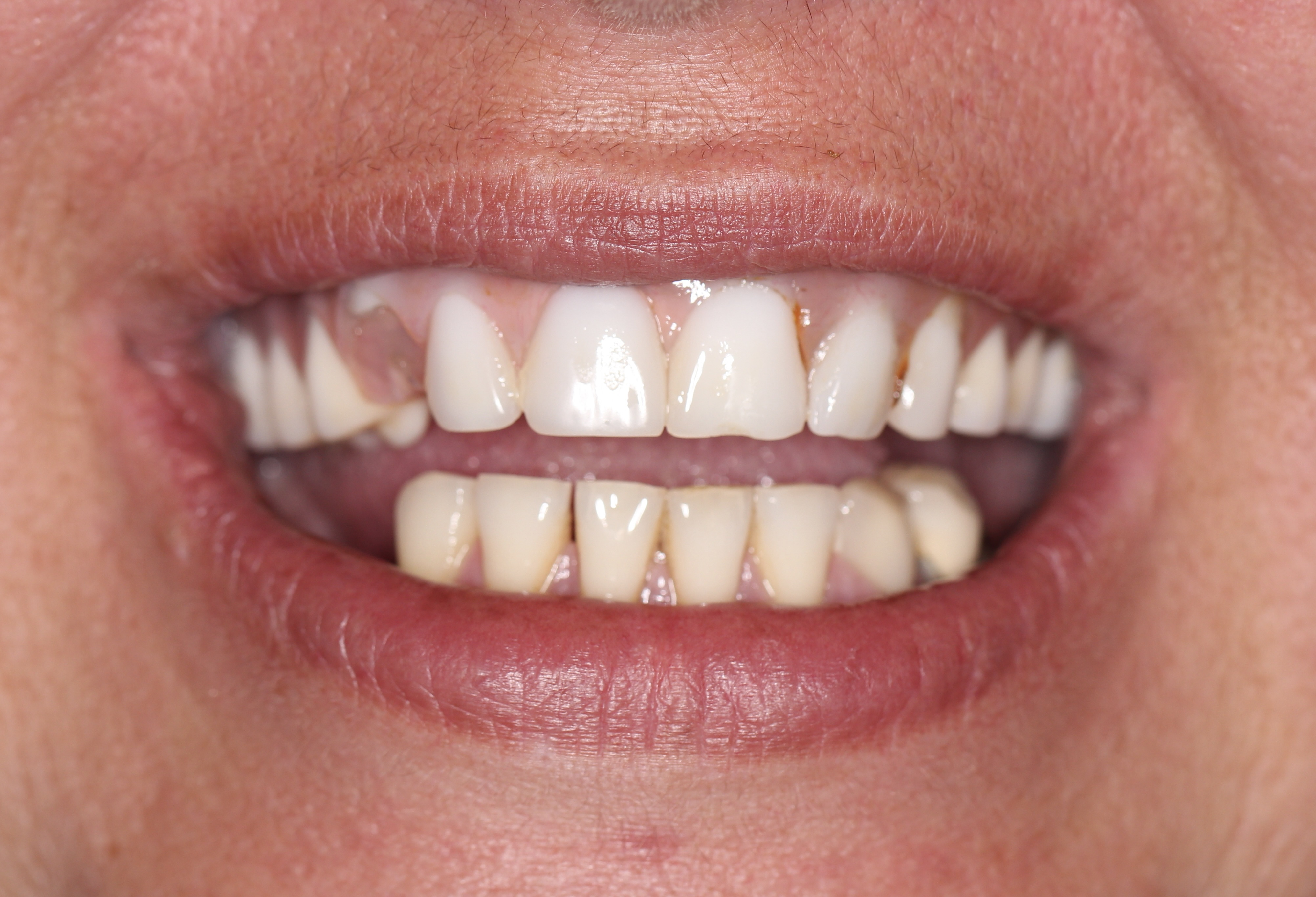
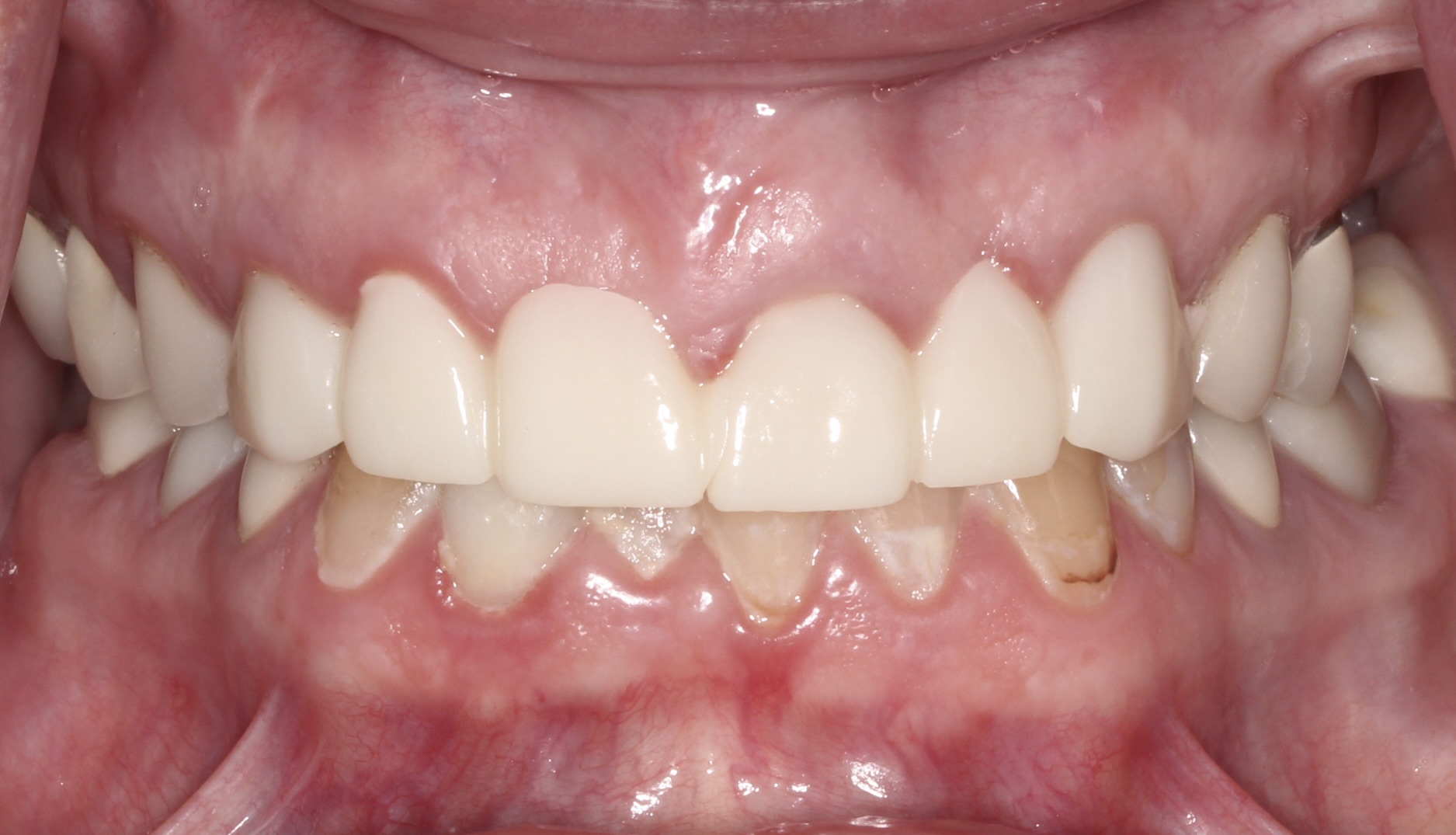
A patient may have crowns replaced, decay repaired, root canals completed, and bridges remade, only to return with new decay at the margins, another fractured tooth, or a restoration that has failed again. It is exhausting, and it is expensive.
The problem is not simply that the mouth feels dry. Saliva protects the teeth, buffers acids, lubricates the tissues, and helps removable prostheses stay in place. When that protection is reduced, teeth and restorations become much harder to maintain over time.
I do not treat the next broken tooth in isolation. I step back and evaluate whether the current treatment path is still serving the patient.
Natural teeth are valuable, and preserving them is often the right goal. When I plan treatment, I look beyond whether a tooth can be saved today and ask whether it will remain a stable foundation over time.
A tooth can be restorable and still carry a poor long-term prognosis. This is especially true when decay recurs around several crown margins, root structure is compromised, hygiene has become difficult, or each repair leads to another.
At that point, the question shifts from “Can I save this tooth?” to “Can I create a treatment plan that is predictably maintainable and reduces the patient's ongoing burden of dentistry?”
For a patient with Sjögren's, repeatedly rescuing a failing dentition can become a cycle of emergency visits, temporary repairs, discomfort, and cost. When a more stable path exists, the plan should lead there.
Sjögren's does not automatically mean teeth should be removed or replaced with implants. Many patients preserve their teeth successfully with prevention, carefully planned restorative care, and maintenance.
Before recommending anything extensive, I evaluate:
For patients with Sjögren's and dry mouth, topical fluoride and caries-risk control are central to preserving the teeth that remain. Prevention cannot, however, restore predictability to teeth that have reached the end of their restorative life.
When the problem is limited, such as a single failing tooth, a small area of recurrent decay, or a few teeth with a clear and maintainable prognosis, I preserve what is healthy and strategic, with margins placed where they can be cleaned and monitored.
A localized problem often has a localized answer. Replacing one repeatedly failing tooth with an implant, for example, may be more reasonable than placing another crown on compromised structure. The aim is to avoid repeating treatment that is unlikely to last, not to replace natural teeth unnecessarily.
The decision changes when the problem is widespread.
An older patient with Sjögren's may have recurrent decay around multiple crowns, failing bridge abutments, broken-down roots, and missing teeth throughout the mouth. Rebuilding every tooth again may look conservative at the start, but it can become the more aggressive choice over time if it commits the patient to repeated failures.
For selected patients, full-arch implant rehabilitation may provide a more stable foundation. An implant-supported restoration cannot develop dental decay, which removes recurrent caries from the foundation of the restoration. Dry mouth also makes conventional dentures harder to retain and tolerate, which is another reason implant support can serve these patients well.
That does not make implants maintenance-free, and it does not treat Sjögren's itself. The tissues around the implants and the prosthesis still need careful professional maintenance. But for a patient whose teeth have become a continuing source of failure, the change is meaningful.
I do not make the same recommendation for every patient.
In a younger patient, preserving teeth, bone, and future options carries more weight, and treatment may be staged over time rather than moving directly to a full-arch solution.
In an older patient with widespread failure and a long history of repeated treatment, the balance can shift. A more comprehensive plan may be the kinder and more responsible recommendation.
A larger plan can look extensive on the day it begins. What matters is whether it gives the patient a more stable, manageable future.
Implants can be an excellent option for patients with Sjögren's, but they do not end dental care. Successful treatment depends on:
The goal is to shift care away from emergency repairs and toward planned, preventive maintenance.
Sjögren's changes the environment in which teeth and restorations function, and the treatment plan has to account for it. For some patients, the answer is prevention and strategic restoration of the teeth they have, which may include a full-mouth restoration. For others, it is replacing a single compromised tooth with an implant. When failure is widespread, a full-arch implant restoration may be the more predictable long-term solution.
The goal is not more dentistry. It is less time spent on dentistry that keeps failing.
If your dental work keeps failing, or you are unsure whether to keep repairing your teeth, a second opinion is a good place to start.
Results and treatment needs vary from patient to patient. This article is for educational purposes only and does not replace an individual clinical examination, diagnosis, or treatment recommendation.