TMJ Pain Is Not One Diagnosis: Muscle, Joint, and Disc Problems
Patients often tell me, “I have TMJ.”
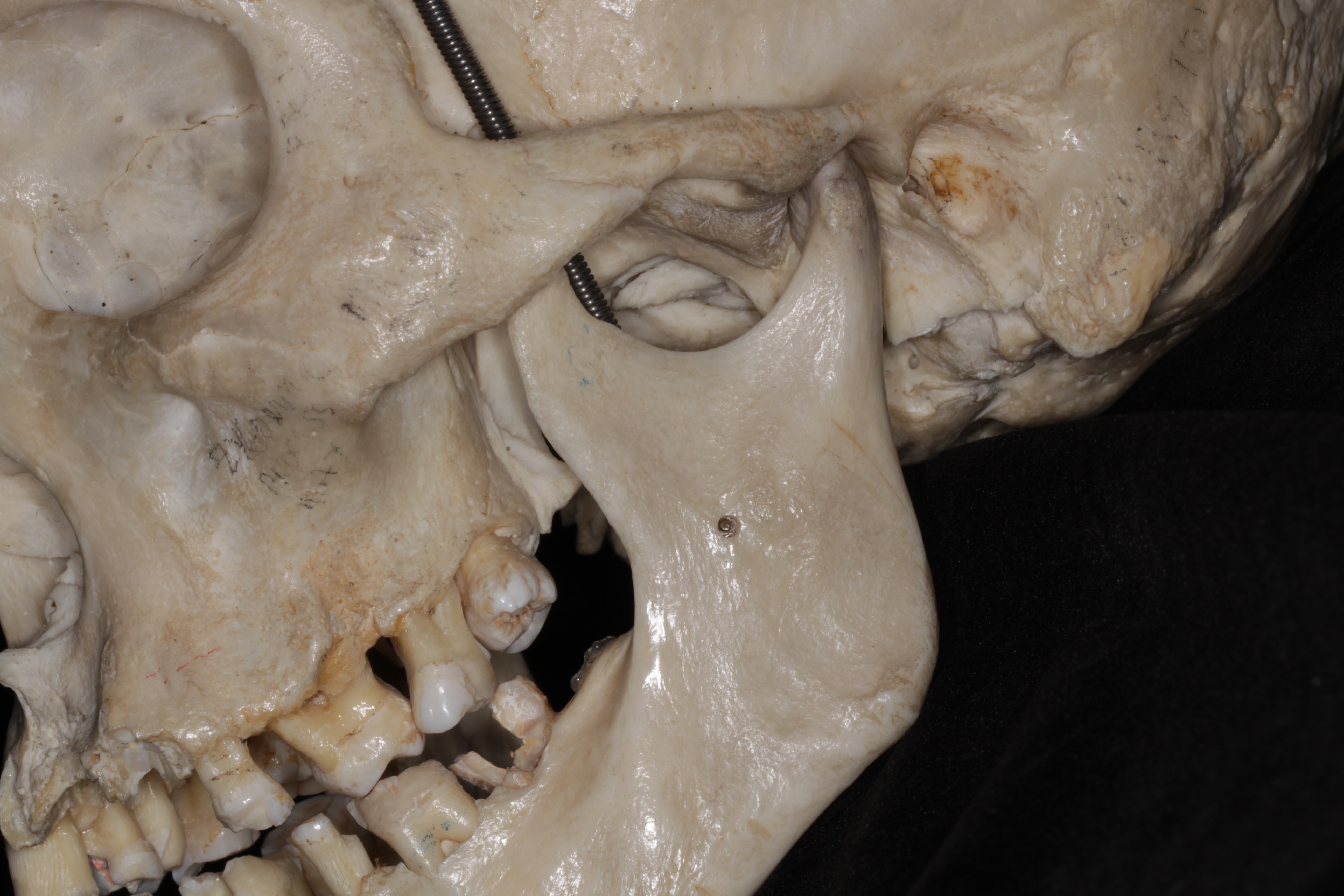
The TMJ is actually the jaw joint itself. You have one on each side, just in front of your ears.
Each joint both rotates and slides as the lower jaw moves. The two joints work together during opening and closing, chewing, speaking, swallowing, and movements of the jaw from side to side and forward. They also function under load whenever the teeth come together during chewing or clenching.
TMD, temporomandibular disorders, is the broader term for a group of conditions affecting the jaw joints, the muscles that move the jaw, or both.
That distinction matters because two patients can describe very similar symptoms and have different problems.
One common source of jaw pain is the chewing muscles.
The masseter muscles along the sides of the jaw and the temporalis muscles around the temples may become painful or tender. Patients may describe aching, tightness, fatigue while chewing, morning soreness, or pain that spreads into nearby areas.
During an examination, I am interested not simply in whether a muscle is tender, but whether palpation or jaw movement reproduces the pain the patient has actually been experiencing.
Masticatory muscle pain has more than one possible contributor. Clenching and grinding, while awake or during sleep, can repeatedly load the jaw-closing muscles. Stress and anxiety may contribute to unconscious clenching or muscle bracing. Overuse can also matter, including heavy gum chewing, nail biting, wide yawning, or prolonged opening. Trauma, whether a direct injury to the jaw or an indirect injury such as whiplash, can contribute as well.
Some patients develop myofascial trigger points within the chewing muscles that can produce local or referred pain. In others, broader musculoskeletal or pain conditions may be part of the clinical picture.
When the history and examination reproduce the patient's familiar pain in the masticatory muscles, that supports a muscular source of the symptoms. The next question is what may be contributing to that muscle pain.
Joint-related pain is different.
Patients often point to the area immediately in front of the ear. The discomfort may become more noticeable with opening, chewing, or moving the jaw from side to side.
During the examination, I look at the patient's range and pattern of movement, whether movement reproduces familiar pain, whether there is tenderness over the joint, and whether there are sounds such as clicking, popping, or grinding.
Those findings help determine whether the problem appears primarily muscular, joint-related, or a combination.
There is a small disc inside each temporomandibular joint that moves with the joint.
When the disc is displaced but returns to its functional relationship with the condyle during movement, the patient may experience a characteristic click. This is commonly described as disc displacement with reduction.
A click of this type tells me something about the relationship between the disc and the joint. The next question is whether that finding is producing pain or interfering with function.
A painless, stable click with normal function is very different from clicking associated with pain, catching, locking, or restricted movement.
Patients may use “clicking,” “catching,” and “locking” interchangeably, but clinically they can mean different things.
A joint may click and still move through a normal range.
A patient with a closed lock may suddenly have difficulty opening normally. This can occur when a displaced disc no longer reduces during movement, although restricted opening can have other causes and requires examination.
In another situation, the jaw can become stuck in a wide-open position and the patient has difficulty closing it.
Those histories require different evaluation.
A new inability to open or close normally, particularly after trauma or when accompanied by swelling, fever, or other concerning symptoms, deserves prompt assessment rather than simply being labeled “TMJ.”
The TMJ can also undergo degenerative changes, including osteoarthritis.
A patient may have pain, stiffness, altered movement, or a coarse grinding or grating sound known as crepitus.
The examination and imaging have to be interpreted together. A sound does not by itself establish the diagnosis, and an abnormality visible on imaging does not necessarily explain every symptom a patient is experiencing.
For some conditions inside the joint, the clinical examination provides the initial working diagnosis. MRI, CT, or CBCT may be appropriate when additional information about the joint would change diagnosis or treatment planning.
TMD does not require us to choose between “muscle” or “joint” in every patient.
A patient can have muscle pain and joint pain at the same time. A disc disorder can coexist with arthralgia. Degenerative changes may coexist with muscular symptoms.
This is one reason I don't like treating “TMJ” as though it were one condition with one treatment.
Pain involving the jaw system can sometimes be experienced around the ear or temple. Headache can also occur in association with TMD.
But ear pain or headache should not automatically be attributed to the jaw.
The relationship to jaw function and the clinical examination matters. Other headache, ear, neurologic, and medical conditions may need to be considered when the pattern does not fit a masticatory diagnosis.
A patient with muscle pain, a painless click, painful joint inflammation, intermittent locking, or degenerative joint disease does not necessarily need the same treatment.
I examine which structures appear to be involved, whether the patient's familiar symptoms can be reproduced clinically, how the jaw is functioning, and whether additional imaging or interdisciplinary evaluation would add useful information.
Only then does it make sense to decide what should happen next. When jaw symptoms occur alongside a changing bite or substantial tooth wear, both concerns need to be evaluated within the same treatment plan.
Results and treatment needs vary from patient to patient. This article is for educational purposes only and does not replace an individual clinical examination, diagnosis, or treatment recommendation.