Sensitivity or Pain After Veneers: What Is Normal and What Is Not
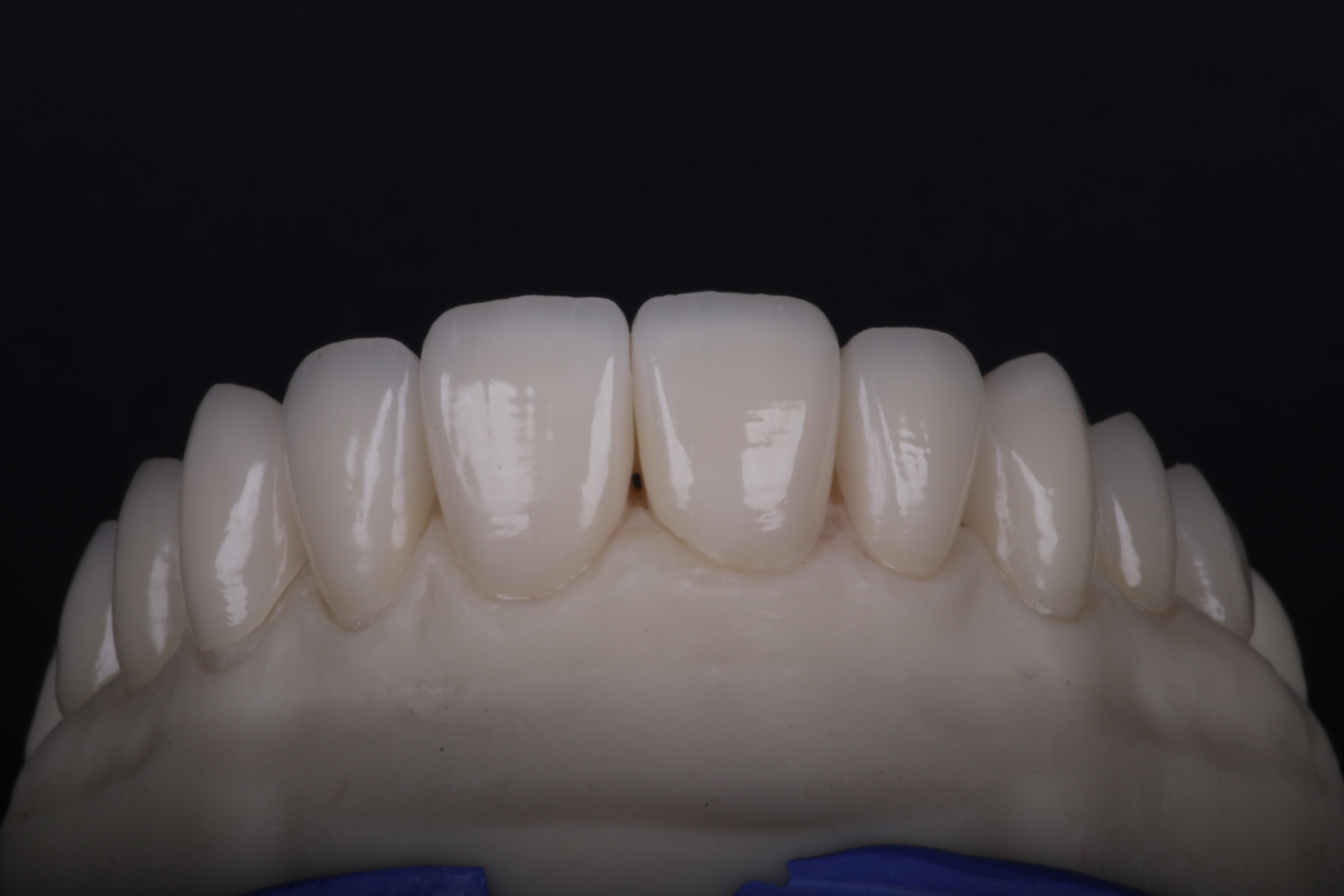
Brief sensitivity can happen after veneers.
Pain is not normal.
Teeth differ, and so do patients. Some people notice mild sensitivity for a short period after treatment, and it fades. Pain is a different finding. Its cause is not something to guess at from home, and that is the line I draw: brief, steadily improving sensitivity on one side, pain on the other.
The pulp inside the tooth is living tissue. It responds to stimuli that reach it through dentin, the layer beneath the enamel. Any dental procedure is a stimulus, and the pulp can respond for a period afterward. How much a tooth reacts varies from person to person and from tooth to tooth.
Preserving enamel where possible is part of my approach to porcelain veneers, and I explain why in do veneers damage your teeth?
Brief sensitivity is usually a mild response to cold. It fades within moments once the stimulus is removed, and it diminishes over the following days and weeks. The gums around the veneers may also feel tender for a short time. When provisional veneers are in place between visits, some sensitivity can occur as well; a loose provisional should be reported.
For mild symptoms, a desensitizing toothpaste and avoiding temperature extremes may help. A gradual decline is reassuring.
Pain is not part of that pattern. Pain that lingers, builds, wakes you, or hurts when you bite is not something to wait out. The American Association of Endodontists also distinguishes temporary sensitivity after dental work from lingering pain or swelling that needs assessment.
Call rather than wait if you notice:
The same symptom can come from different sources, and each calls for a different response. Timing alone does not tell you which one it is. That is why I evaluate before anything is treated, rather than offer reassurance or a quick adjustment.
Facial swelling, fever, or rapidly worsening pain warrants urgent dental assessment. Swelling that affects breathing or swallowing requires emergency care.
I begin by determining exactly which tooth is responsible and how it responds. I test it and compare it with the neighboring teeth, examine the veneer, the bite, and the surrounding gum, and take radiographs of the tooth and the bone around it. Early inflammation of the pulp may not be visible on an X-ray, so the clinical findings and the history of the symptoms are read together.
Only when the source is established do I recommend treatment. Sometimes it is a small correction. Sometimes the tooth itself needs care.
Sensitivity by itself is not a reason for root canal treatment. The decision depends on the diagnosis and whether the pulp can recover.
Root canal treatment is generally recommended when the pulp is severely inflamed and unlikely to recover, or has died. When the diagnosis or treatment choice is uncertain, an endodontic evaluation is appropriate. In selected situations, treatment that preserves living pulp may also be considered. On a front tooth, access is usually made through the back surface, so the veneer can often be retained. Its condition afterward, and any change in the color of the tooth beneath it, determine whether it needs replacement.
When something changes later, such as new sensitivity, a rough edge, or a veneer that feels different, an early evaluation can identify the cause and may limit further damage. I discuss related situations in what to do if a veneer chips or comes off and when veneers need replacement.
If you are considering porcelain veneers, or have veneers that do not feel right, an examination can establish what the teeth need.
Results and treatment needs vary from patient to patient. This article is for general educational purposes and does not replace an individual clinical examination, diagnosis, or treatment recommendation.