My Veneer Chipped or Came Off: What Should I Do?
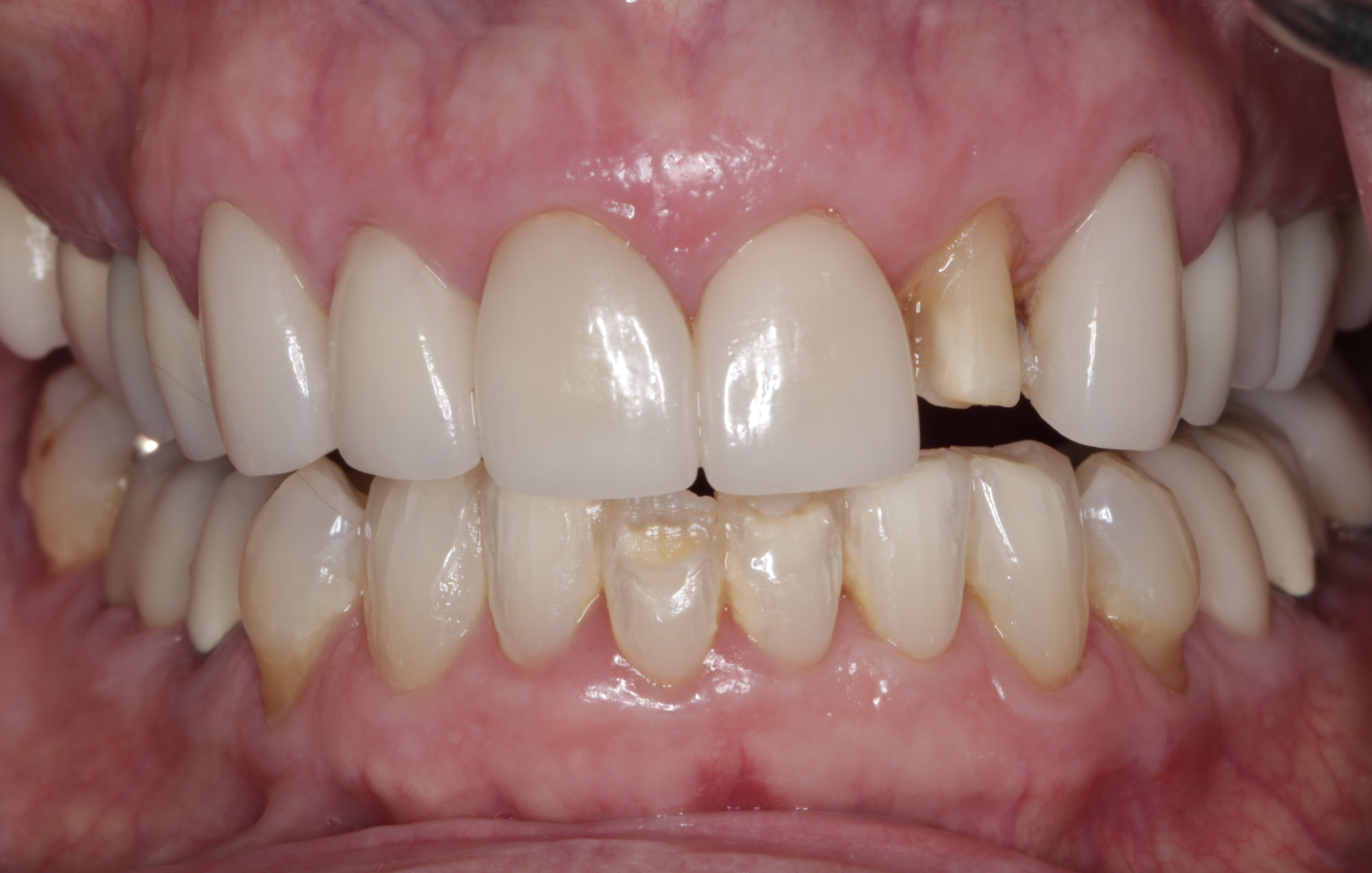
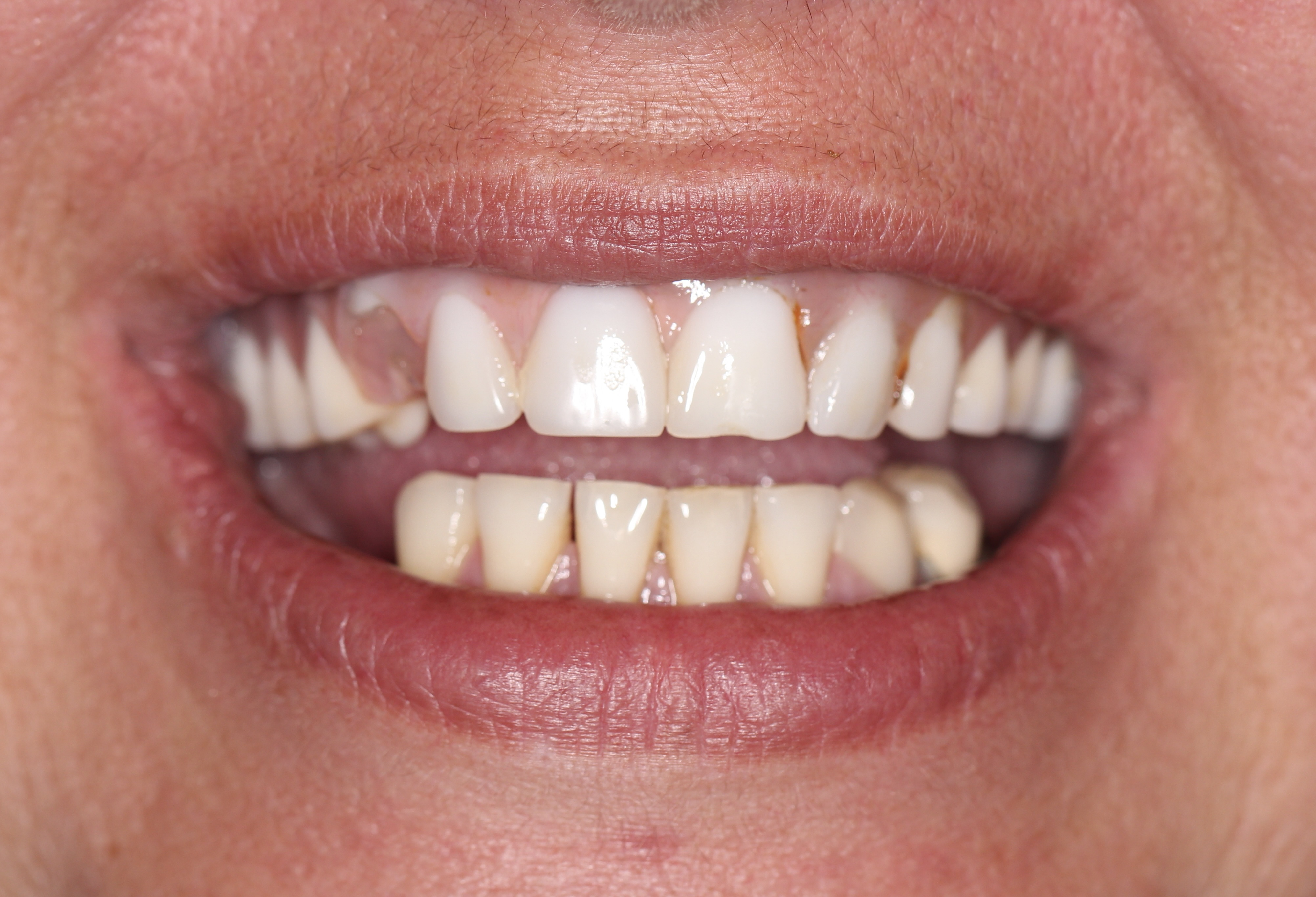
A veneer can chip, crack, or come off unexpectedly. It may happen while eating, after an injury, or when an older restoration finally reaches the point where it needs attention.
The immediate concern is usually appearance. But before deciding whether the veneer should be polished, repaired, rebonded, or replaced, I evaluate what actually happened to the veneer and the tooth underneath it.
If the veneer has come off in one piece, keep it. Rinse it gently with water and place it in a clean container or small bag.
Do not use household glue, super glue, or an over-the-counter adhesive to reattach it. Those materials can make a proper repair more difficult and may damage the veneer or tooth.
Until the tooth is evaluated, avoid biting into food with that area. If the edge feels sharp, the tooth is sensitive, or the veneer came off after trauma, contact the office promptly.
Sometimes a veneer separates cleanly from the tooth and remains intact. In other situations, the ceramic has fractured, the tooth has chipped underneath it, or decay or an old repair has affected the bonding surface.
I evaluate:
The next step depends on those findings. Rebonding may be reasonable in selected situations. In others, a new veneer or a different restoration is more appropriate.
A small, smooth chip may sometimes be polished. In selected cases, a minor defect can be repaired.
A larger fracture, visible crack, change in color, damaged margin, or loss of the veneer usually needs a more complete evaluation. Before treatment, I determine whether the next restoration will have a stable foundation.
For the long-term reasons veneers may require repair or replacement, see Do Veneers Need to Be Replaced Eventually?
The cause may be straightforward. Biting a hard object, an accidental injury, nail biting, or chewing ice can damage ceramic.
In other cases, the veneer may be showing a problem that has developed over time. The preparation design, ceramic thickness at the edge, condition of the underlying tooth, and the way the upper and lower teeth meet can all matter.
If a veneer repeatedly chips in the same area, I assess whether that edge is receiving contact from the opposing teeth and whether the restoration has enough room and thickness to function predictably.
Not every chipped veneer reflects a bite problem. But when the same veneer keeps failing, the reason needs to be identified before it is replaced again.
A veneer is bonded to the tooth that remains underneath it. If that tooth has developed significant decay, fracture, extensive previous repairs, or limited healthy structure, the right replacement may no longer be another veneer.
Greater coverage, such as a crown, should be justified by the condition of the tooth and the treatment goals.
How Is the Right Restoration Chosen: Veneers or Crowns? explains how I make that decision.
If several veneers, crowns, or front-tooth repairs are breaking, the problem may extend beyond one tooth.
Worn teeth, changes in bite support, and limited restorative space can make front-tooth restorations more vulnerable. In that situation, the treatment plan may need to address the conditions around the restoration rather than repeatedly repairing the visible edge.
Why Dental Bonding Keeps Chipping on Worn Front Teeth explains this pattern in more detail.
A chipped or loose veneer is usually manageable. The important question is whether the problem is limited to the ceramic or whether it reveals a change in the tooth, the bite, or the surrounding dental work.
I evaluate the restoration and the tooth together before recommending the next step. That helps preserve options and avoid repeating treatment that is unlikely to last.
Results and treatment needs vary from patient to patient. This article is for educational purposes only and does not replace an individual clinical examination, diagnosis, or treatment recommendation.