Prosthodontist or Cosmetic Dentist: Who Should Do My Veneers or Full Mouth Restoration?
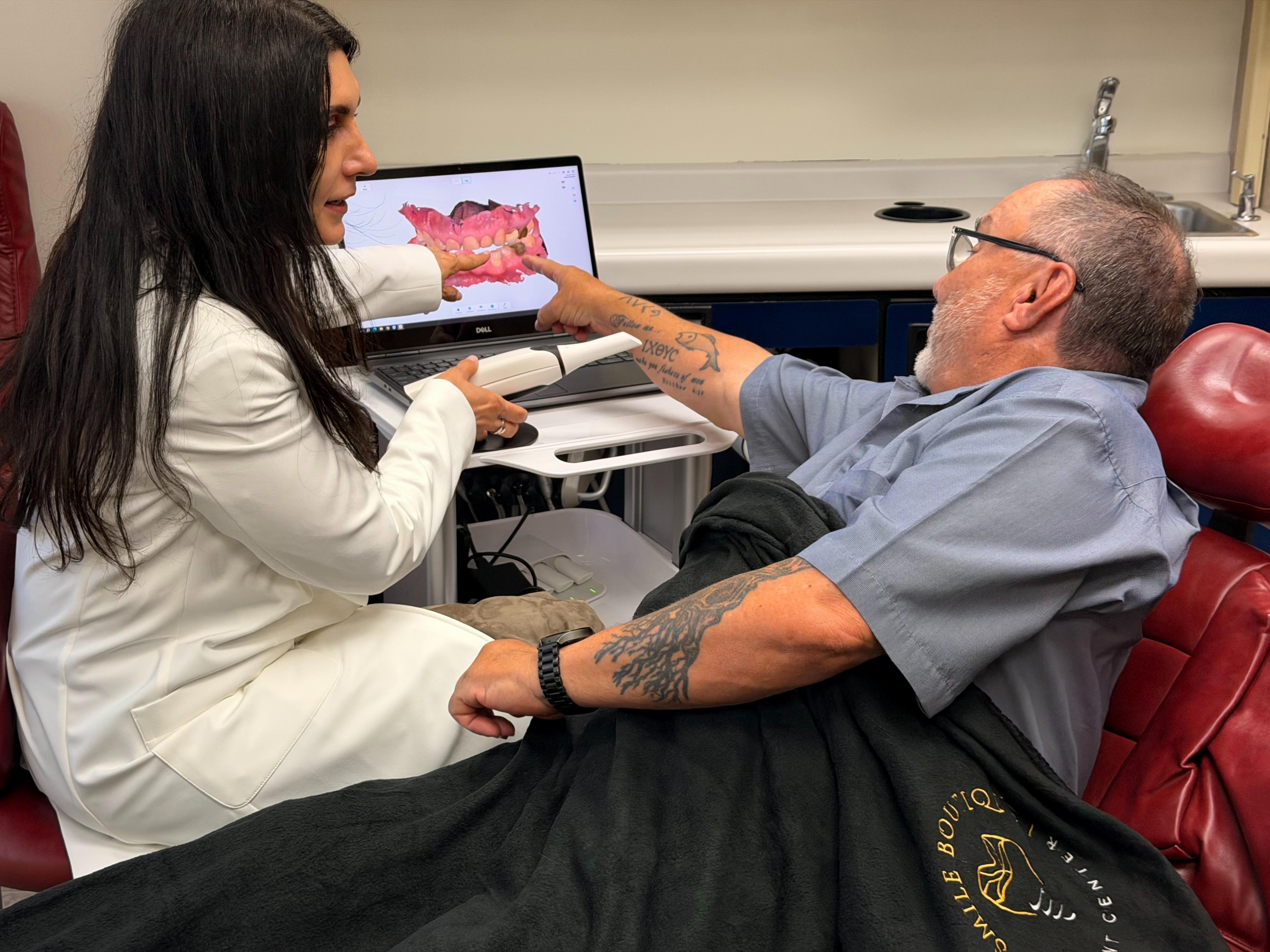
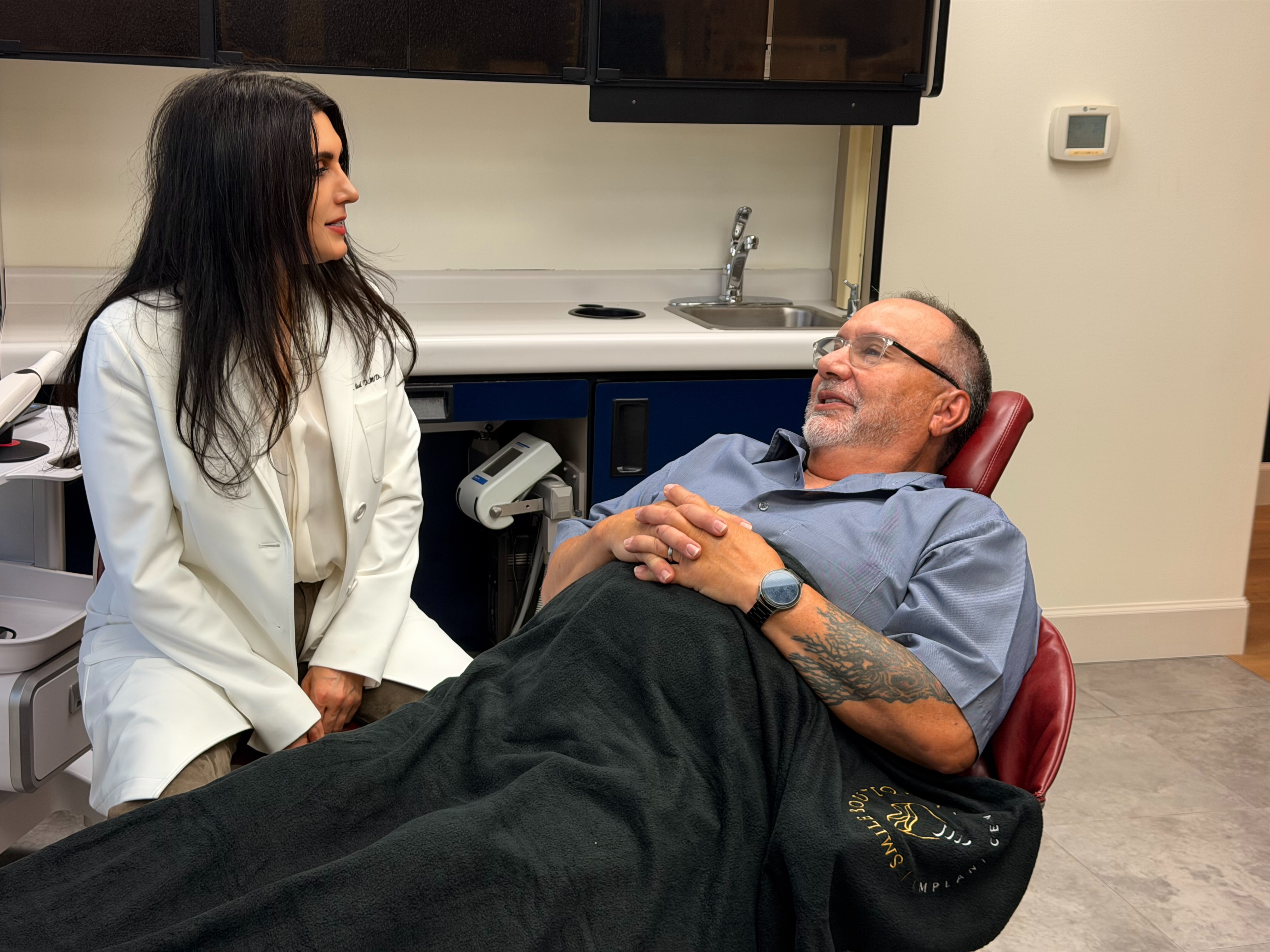
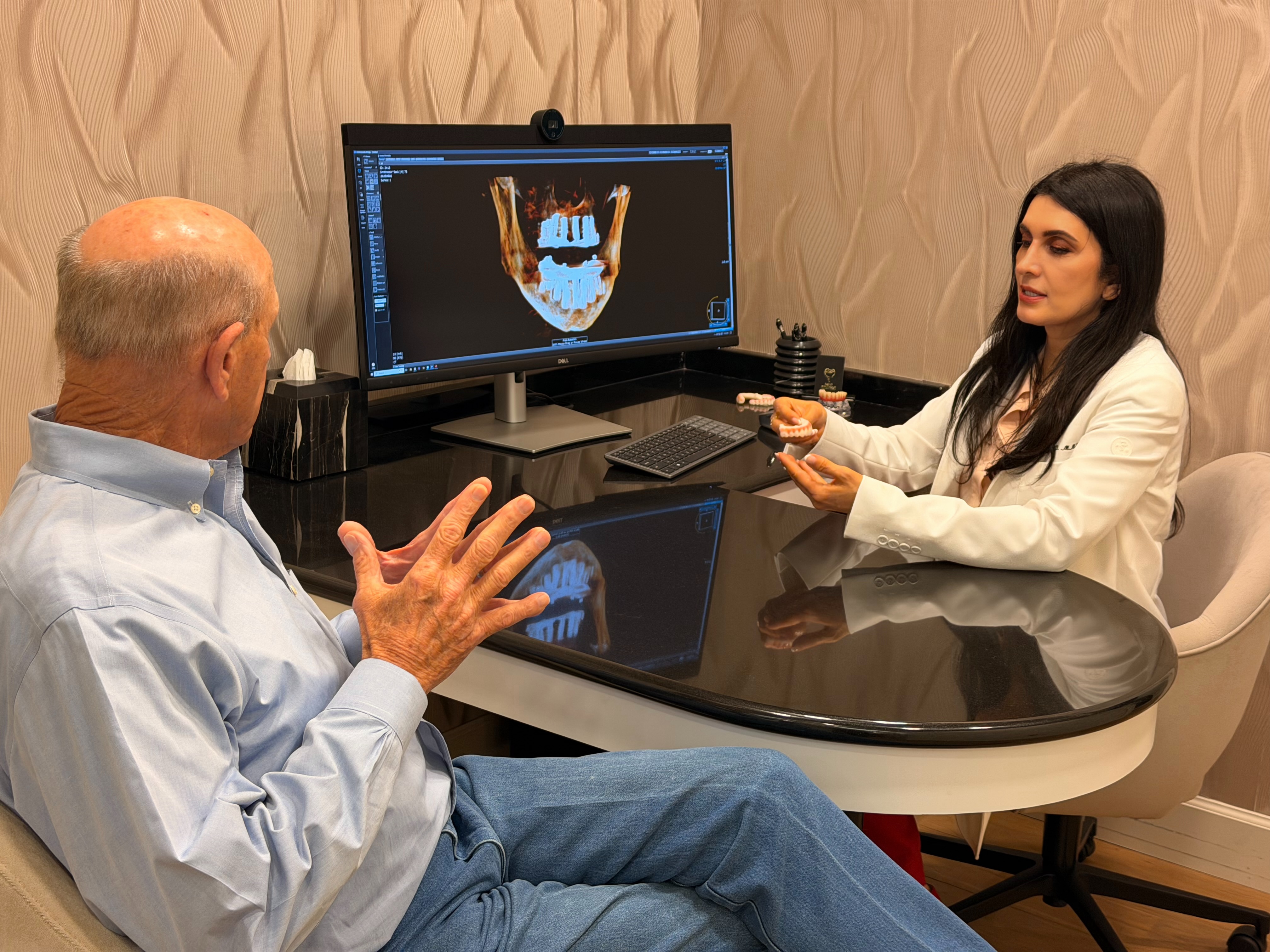
Patients considering veneers or full mouth restoration often ask me whether they should see a prosthodontist or a cosmetic dentist. The two titles describe different things.
A case does not have to become complex before it deserves a specialist. Seeing a prosthodontist from the start is how a straightforward case stays straightforward, and how a first set of veneers or restorations avoids becoming a redo.
Prosthodontics is one of 12 dental specialties recognized by the National Commission on Recognition of Dental Specialties and Certifying Boards. Cosmetic dentistry is not a recognized specialty. “Cosmetic dentist” describes a practice emphasis, and any licensed dentist may use it. Some pursue substantial training in esthetic dentistry, such as accreditation through the American Academy of Cosmetic Dentistry, a meaningful credential that is distinct from specialty training.
A prosthodontist completes about three additional years of accredited residency after dental school. The specialty is defined by restoring appearance, function, comfort, and long-term maintenance together. I explain the specialty further in What Is a Prosthodontist, and When Should You See One?
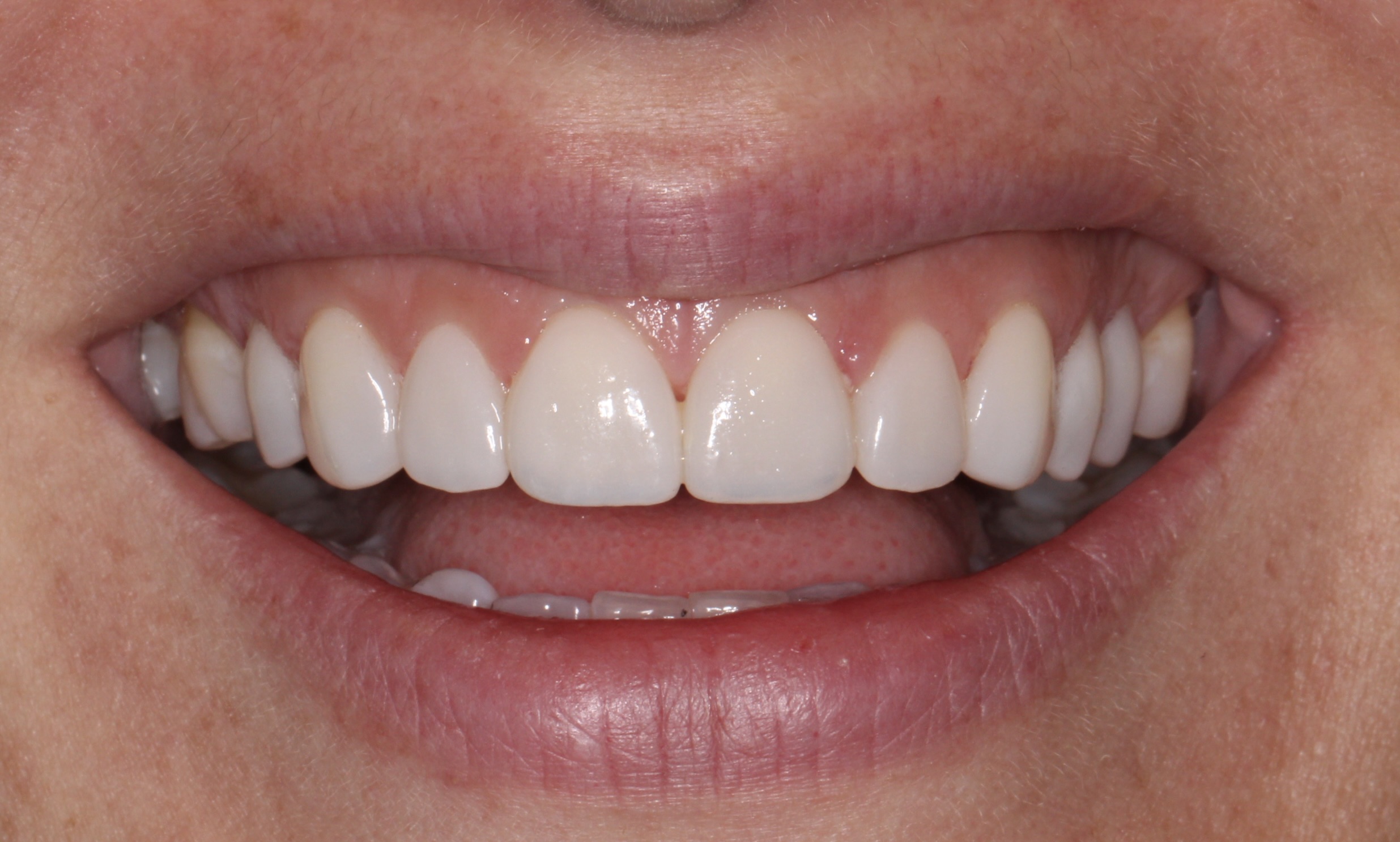
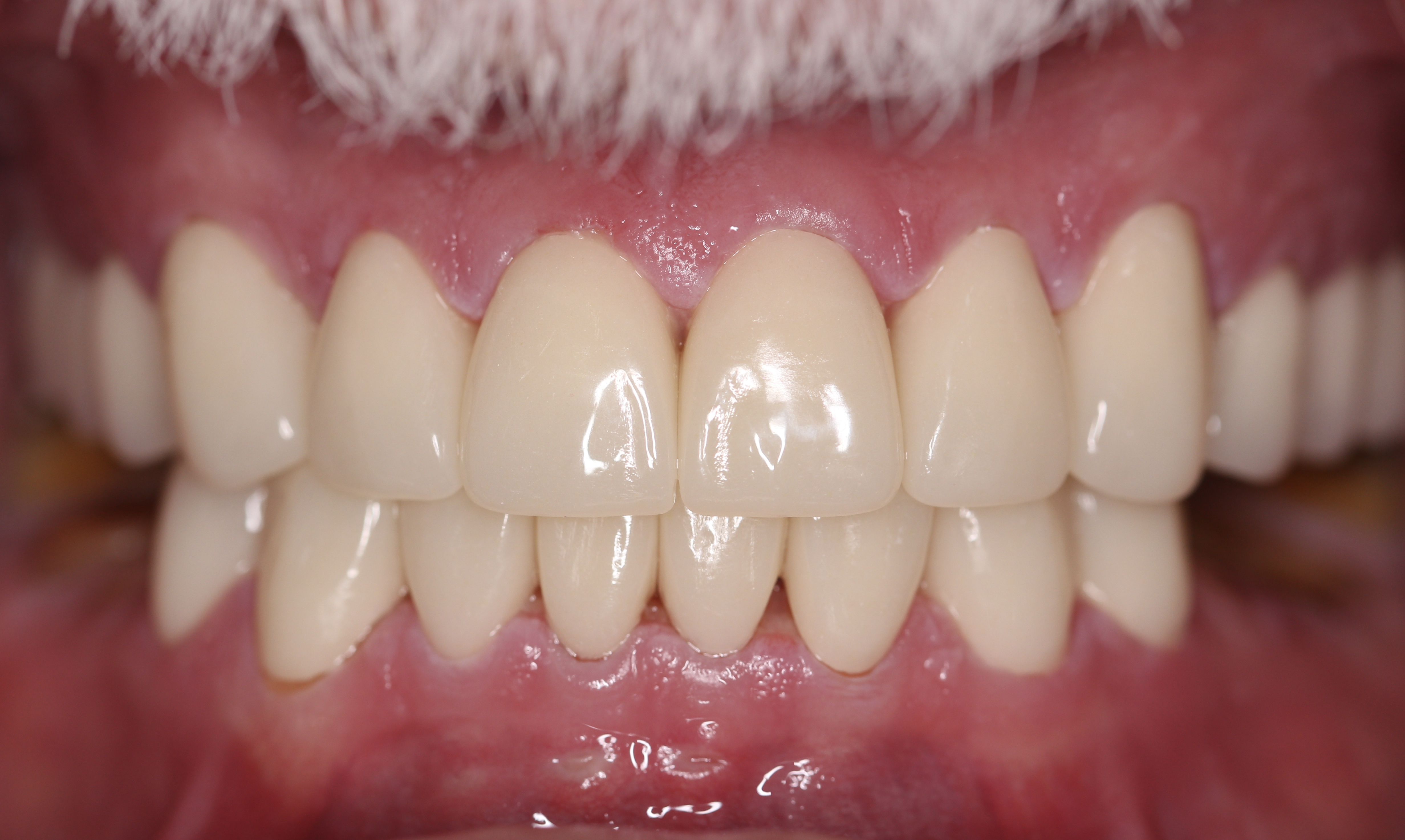
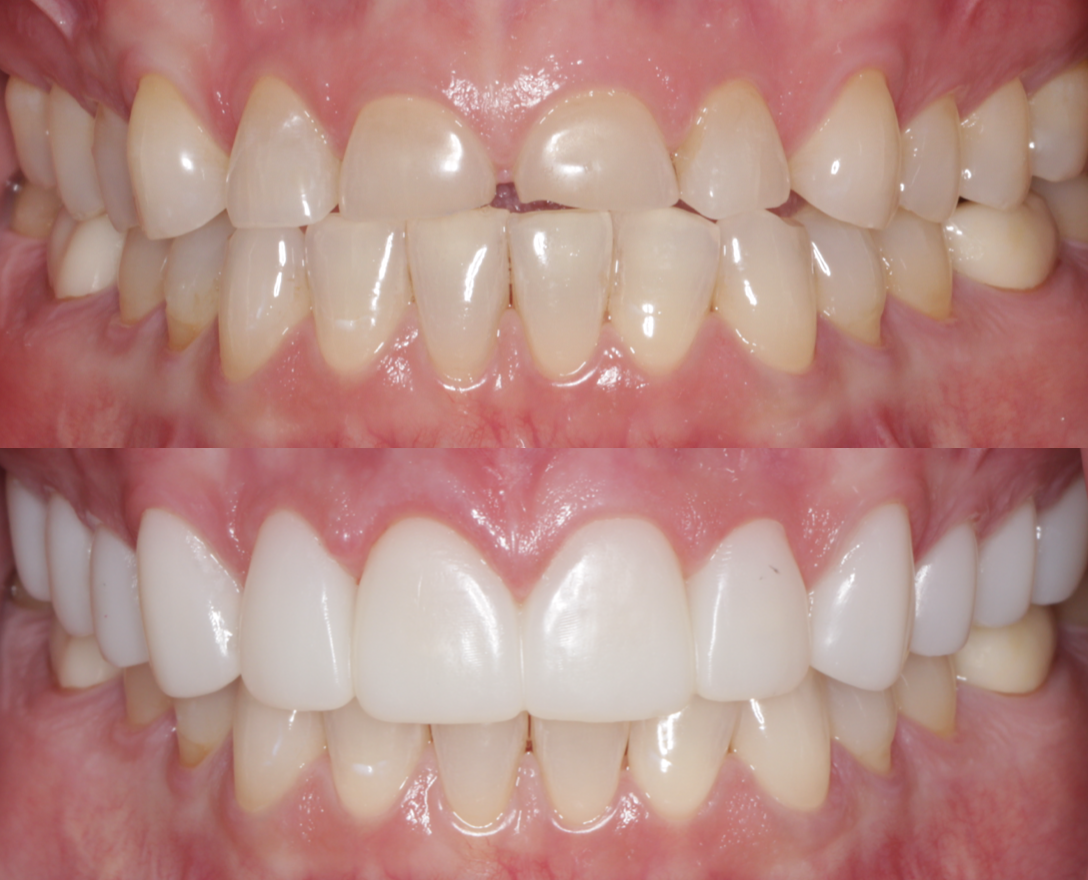
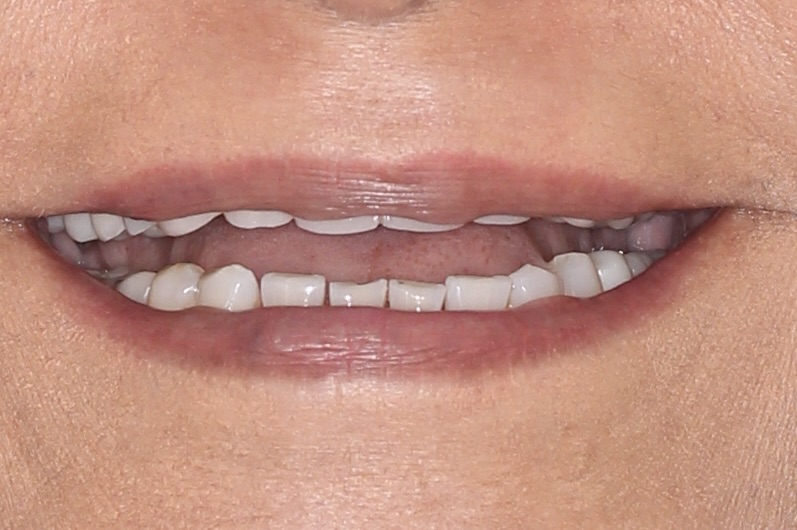
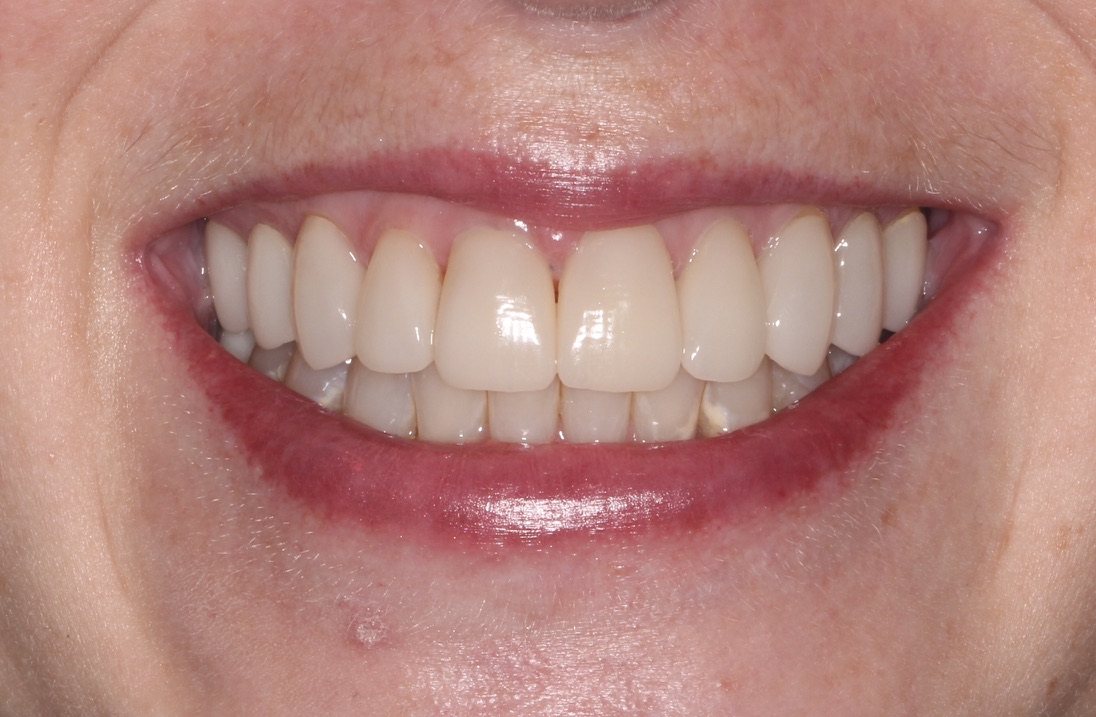
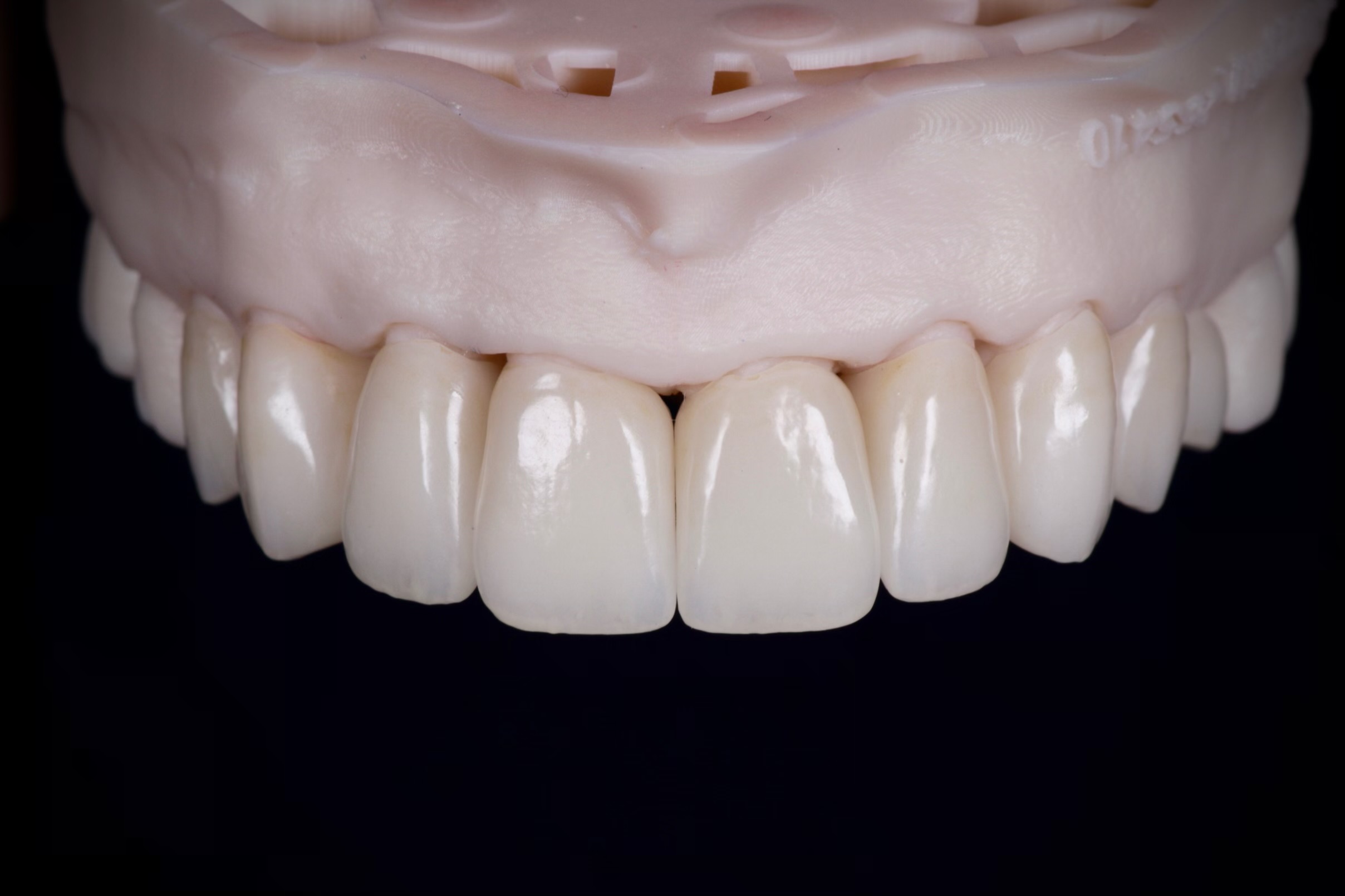
Veneers are often presented as a decision about color and shape. The decisions behind them go further: how much tooth structure to preserve, how the edges relate to the lips and face, how the teeth meet, and which material suits each tooth.
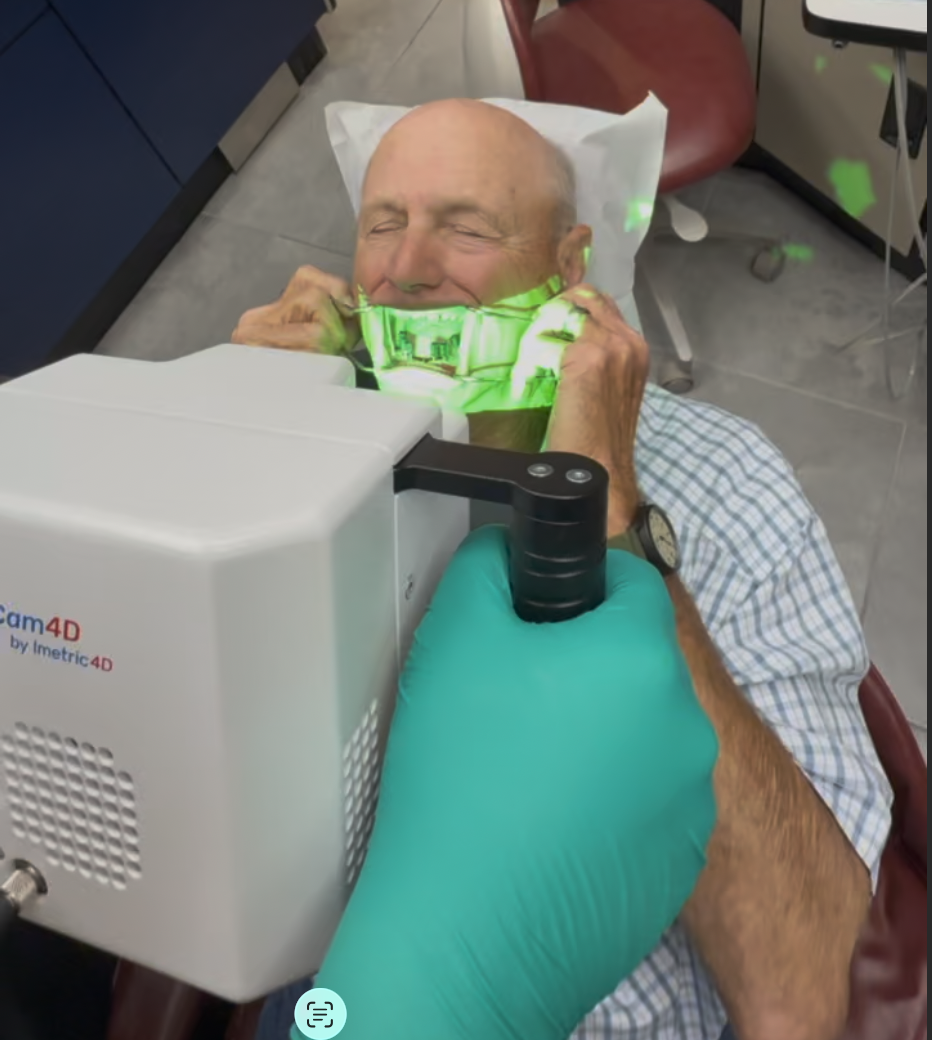
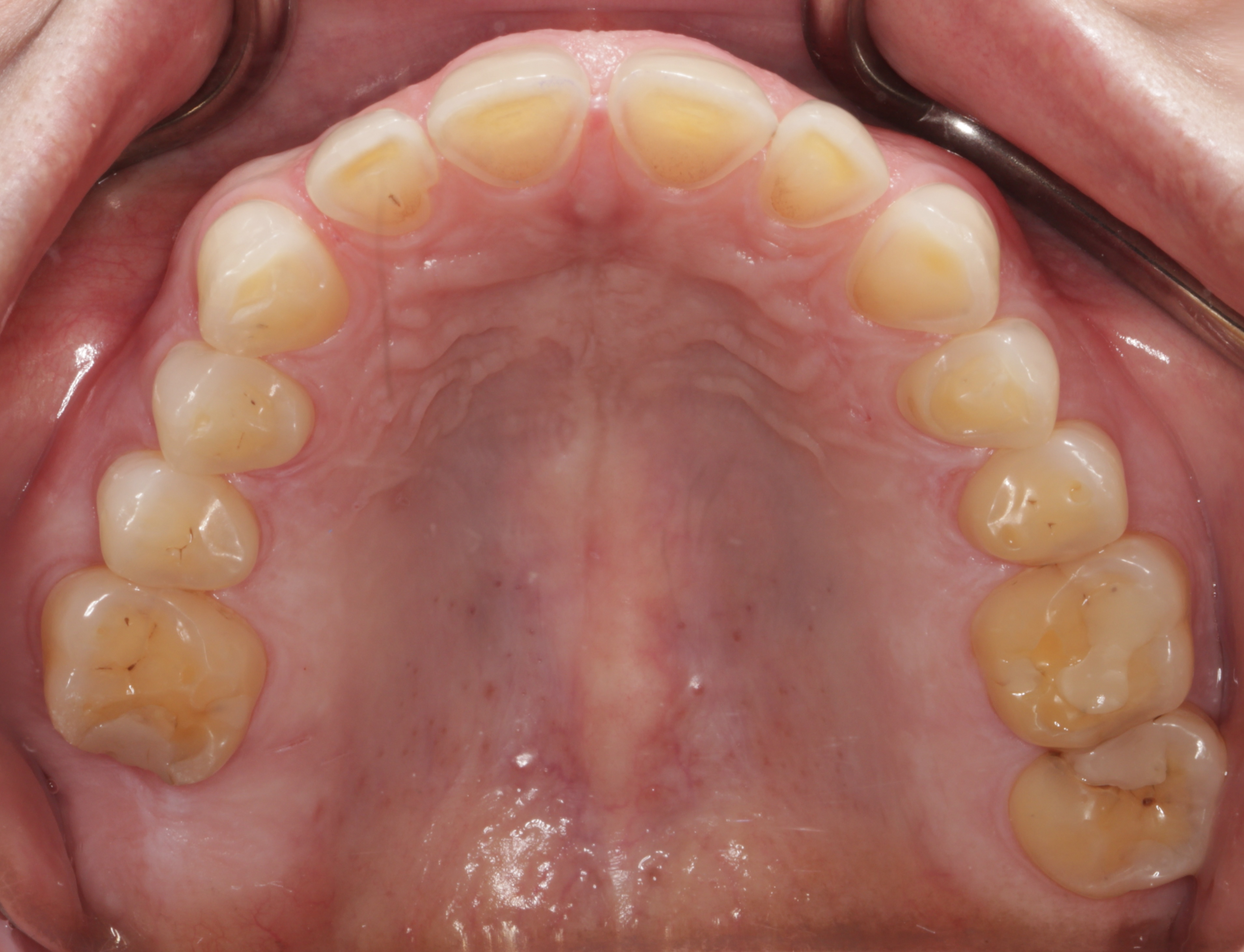
I start with the face. Proportions, lip movement, and tooth display guide the design, and the bite is designed with it, because veneers that look right but do not work within the bite are at risk. Preparation follows the design, so tooth structure is reduced only where the design requires it.
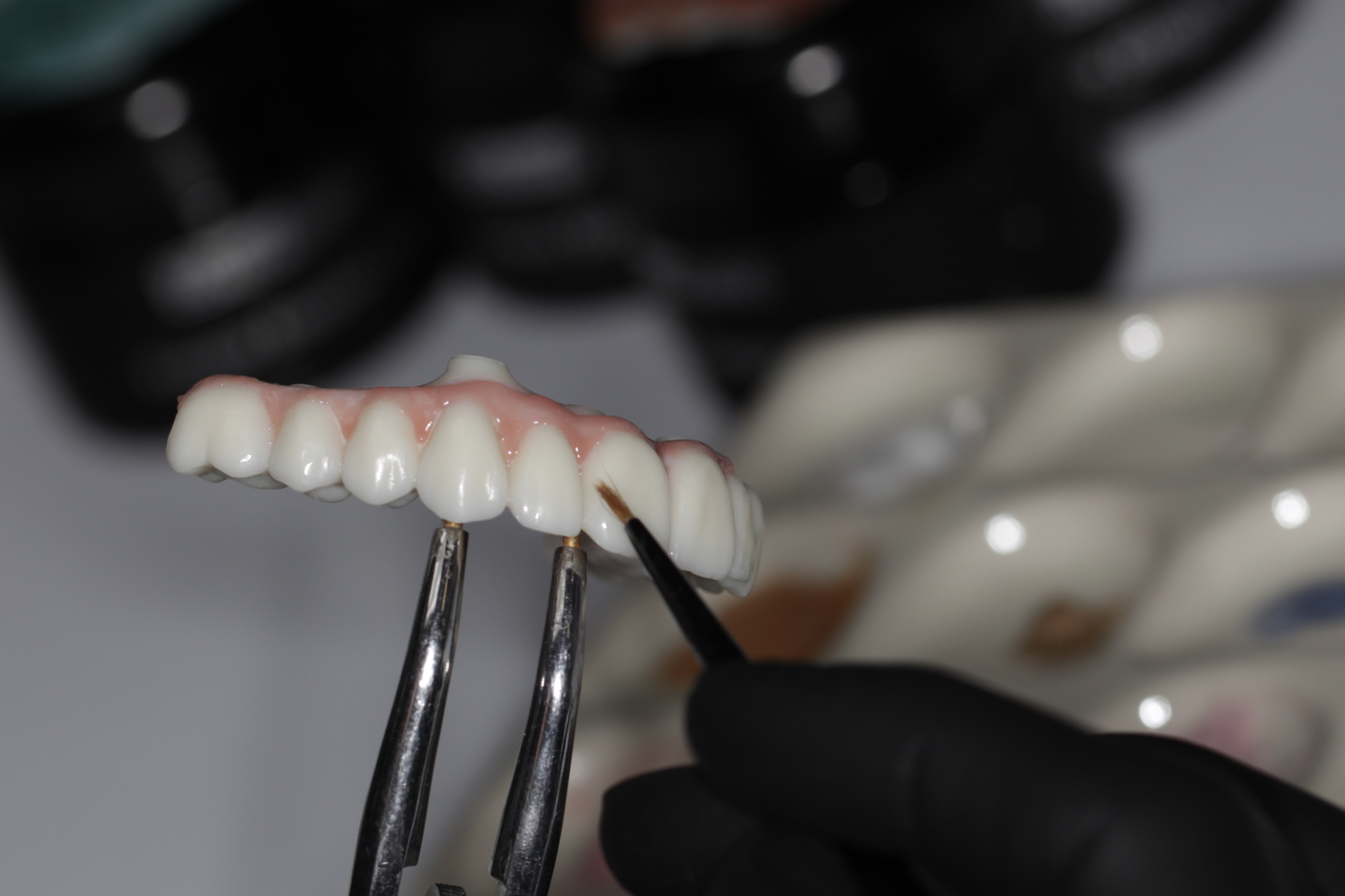
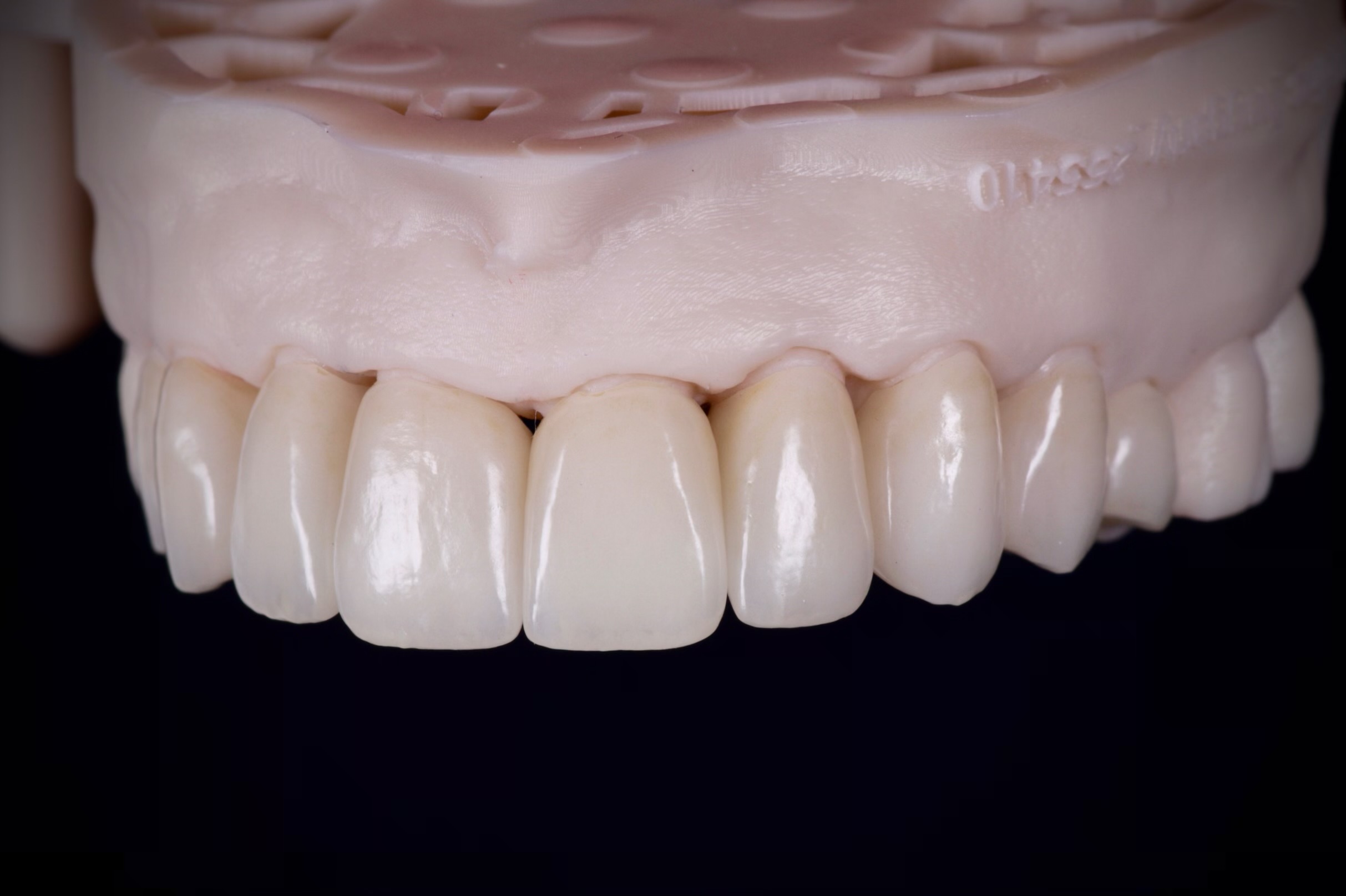
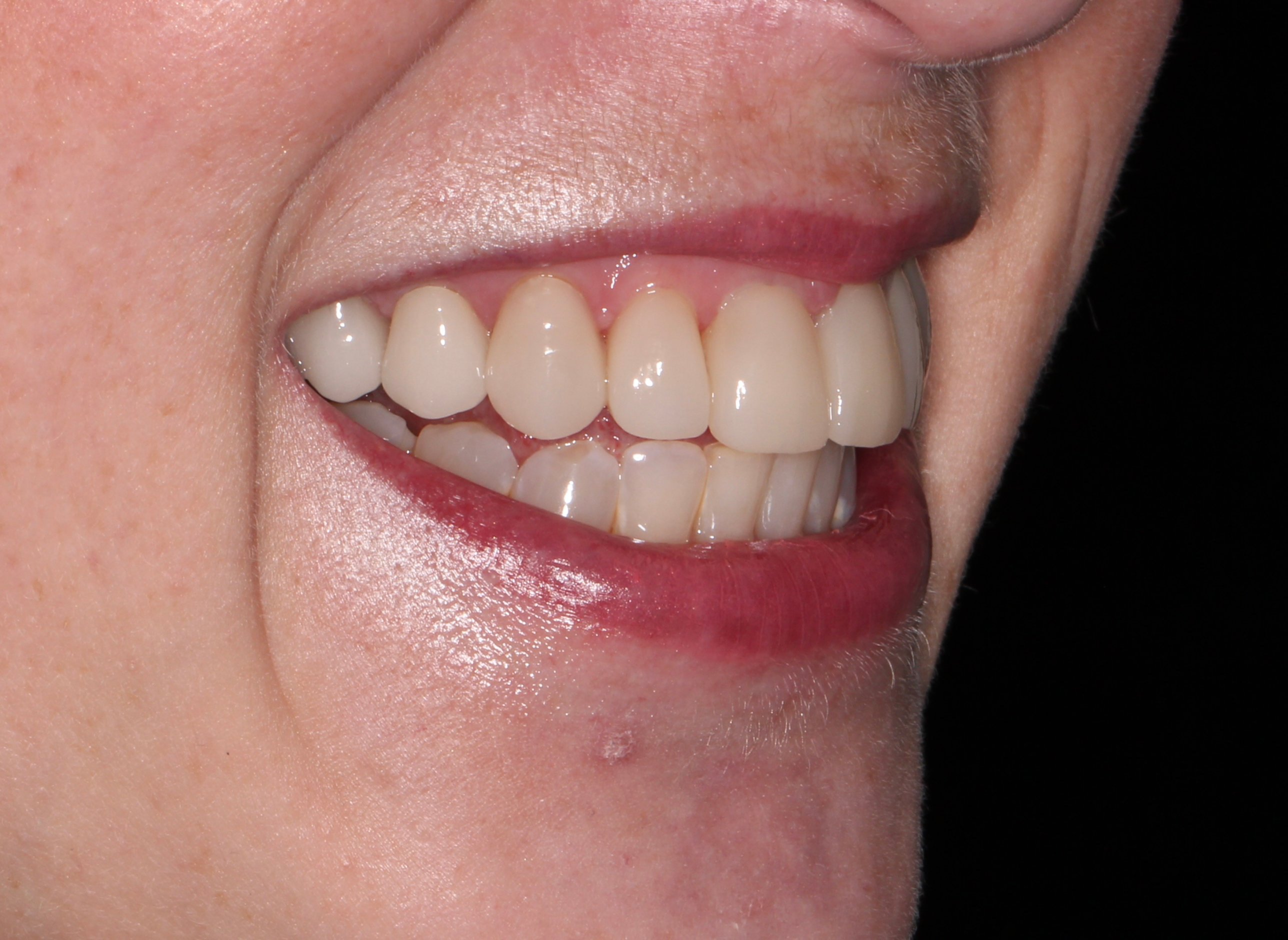
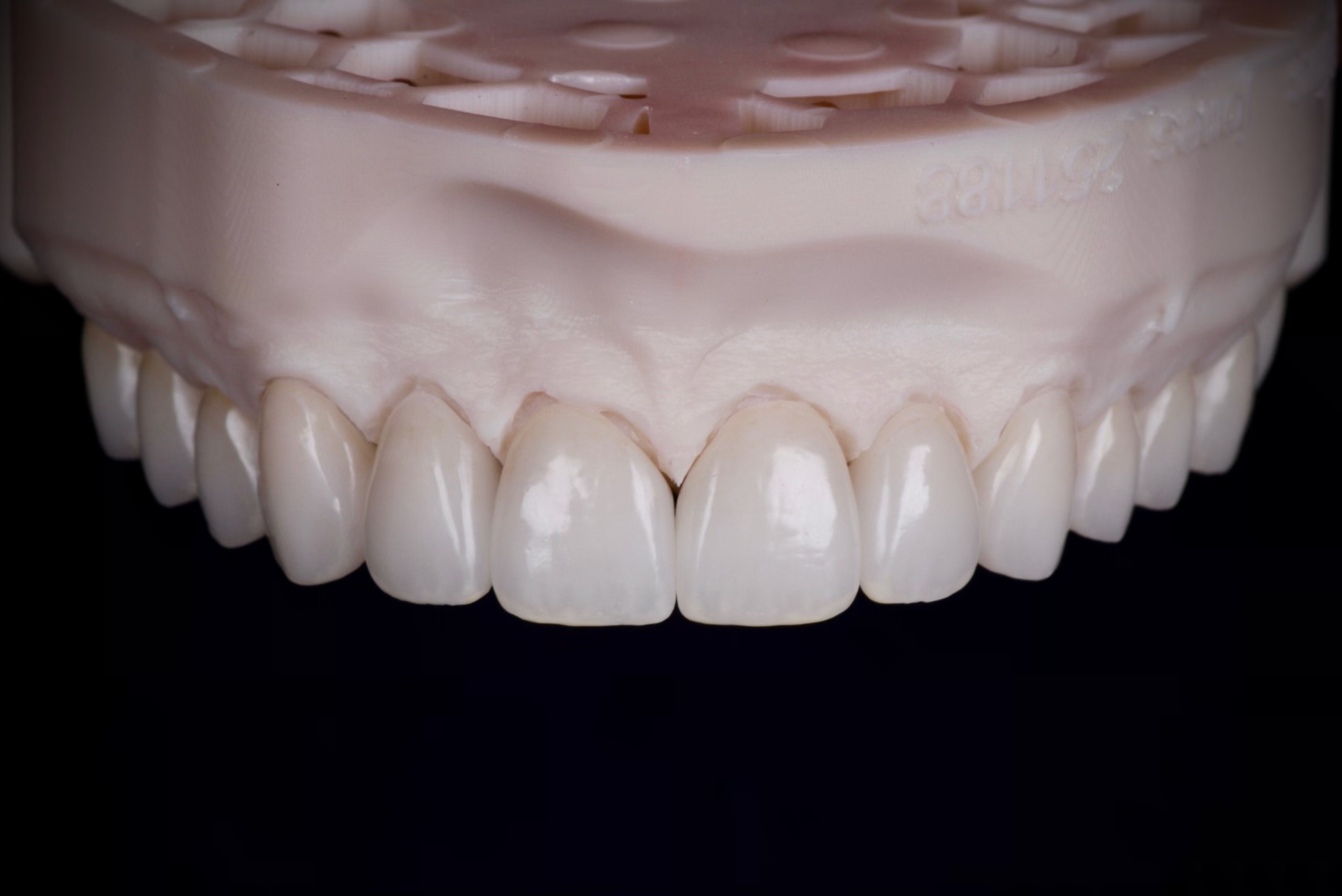
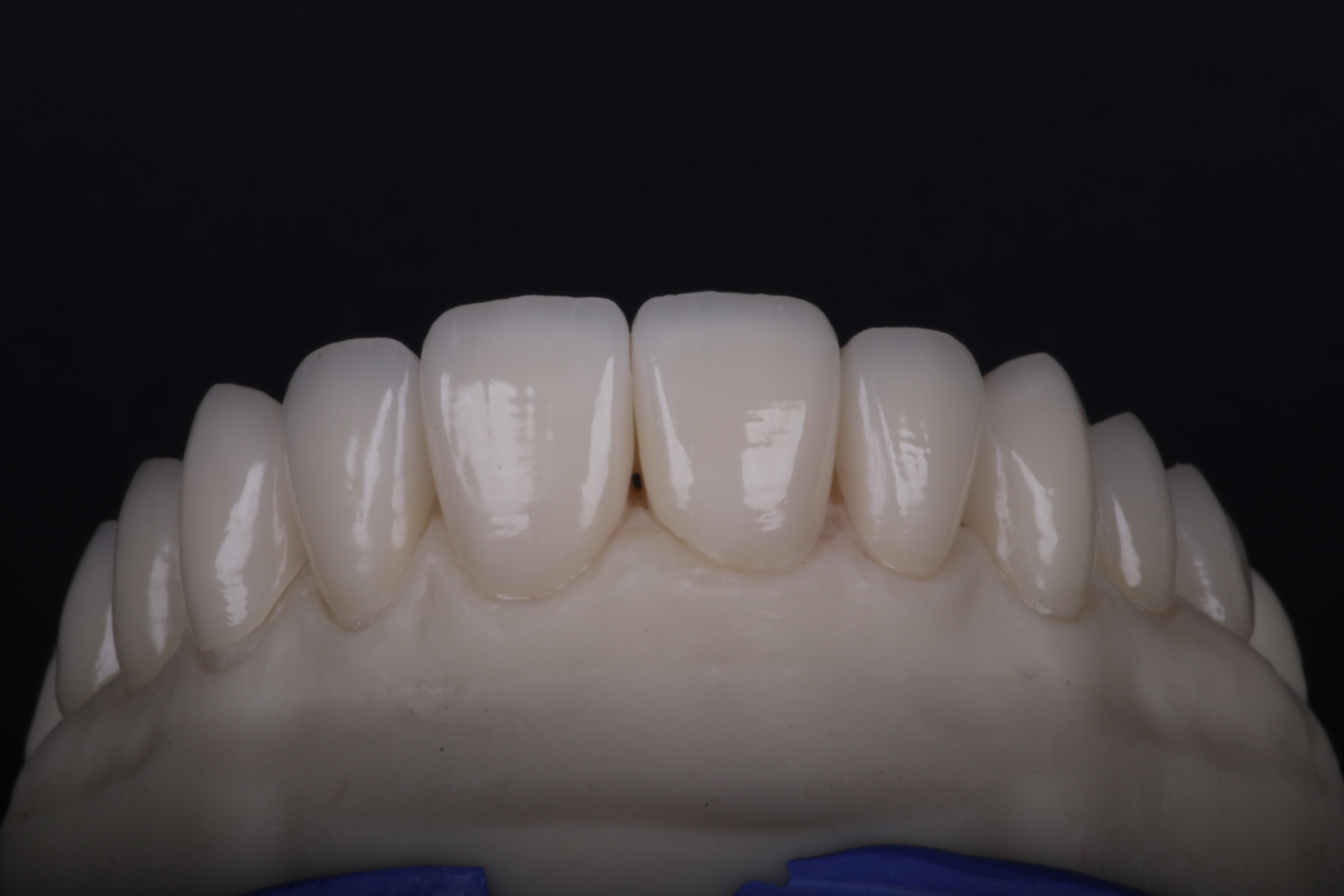
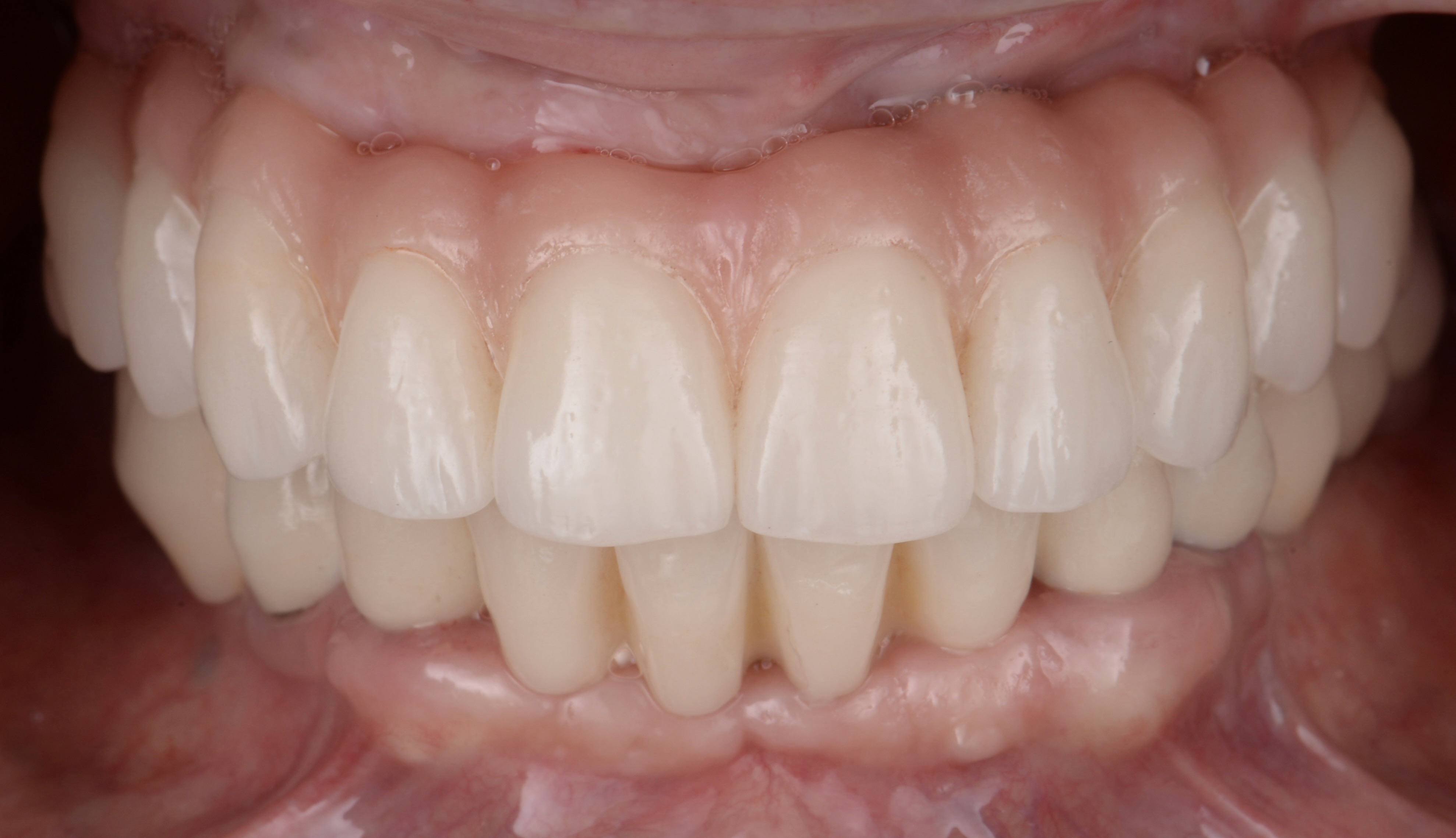
I direct the design, and the veneers are crafted by a master ceramist. A mock-up lets us evaluate the design in your mouth before any irreversible step. My approach to porcelain veneers, and to veneers that look natural rather than artificial, starts from these principles.
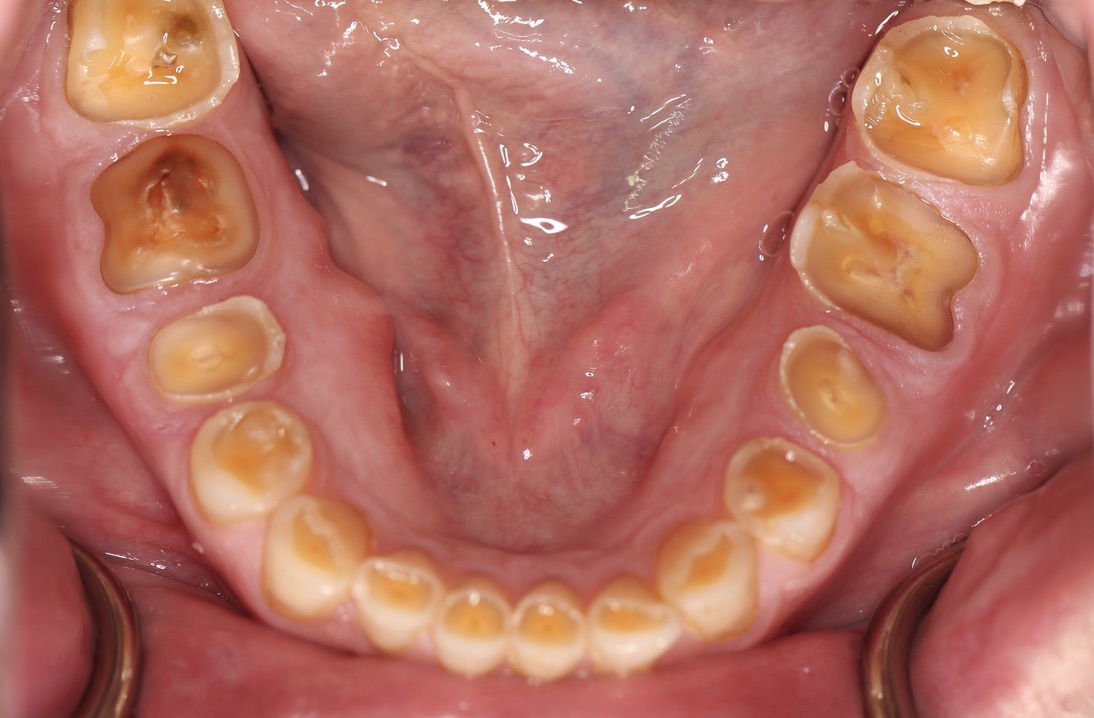
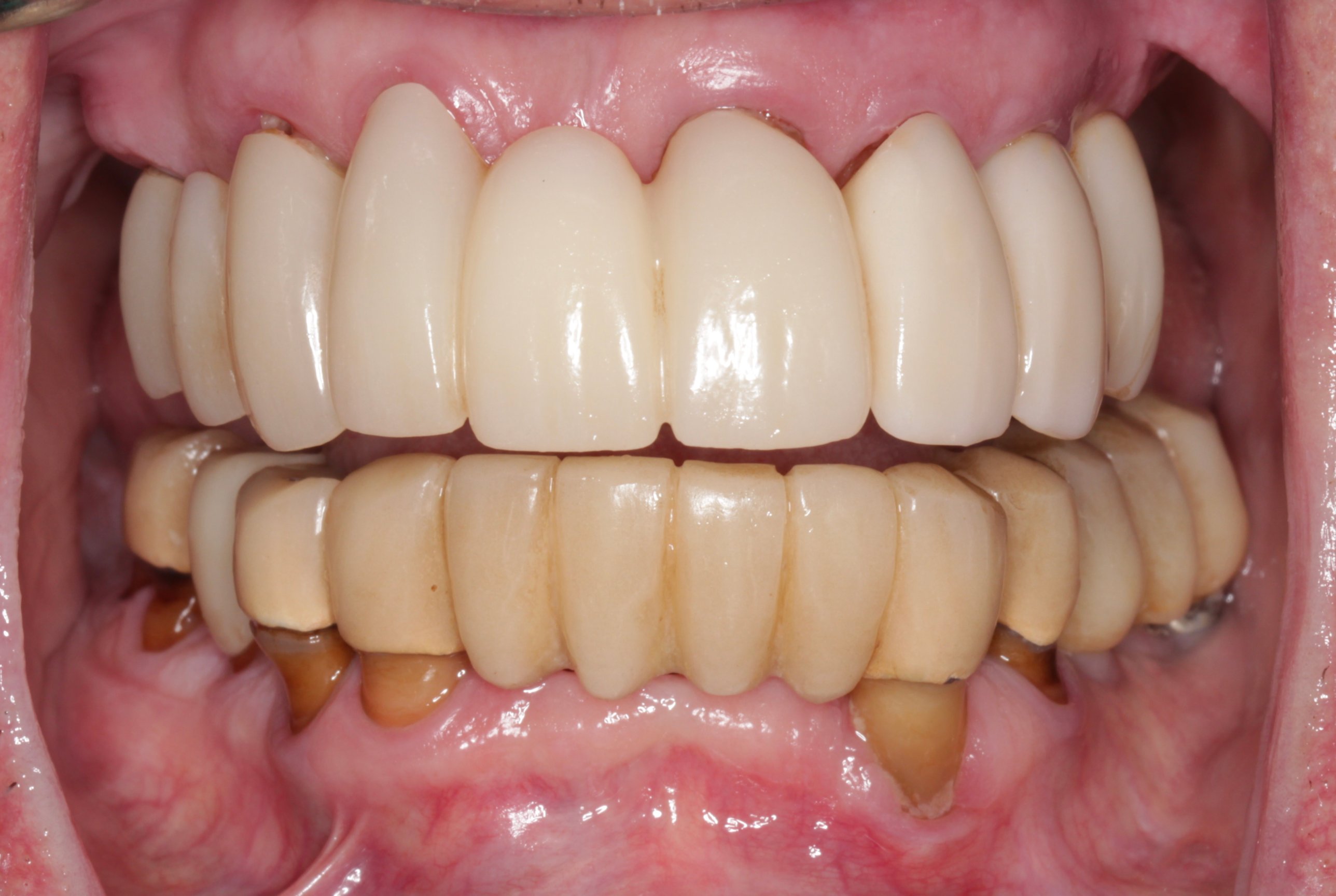
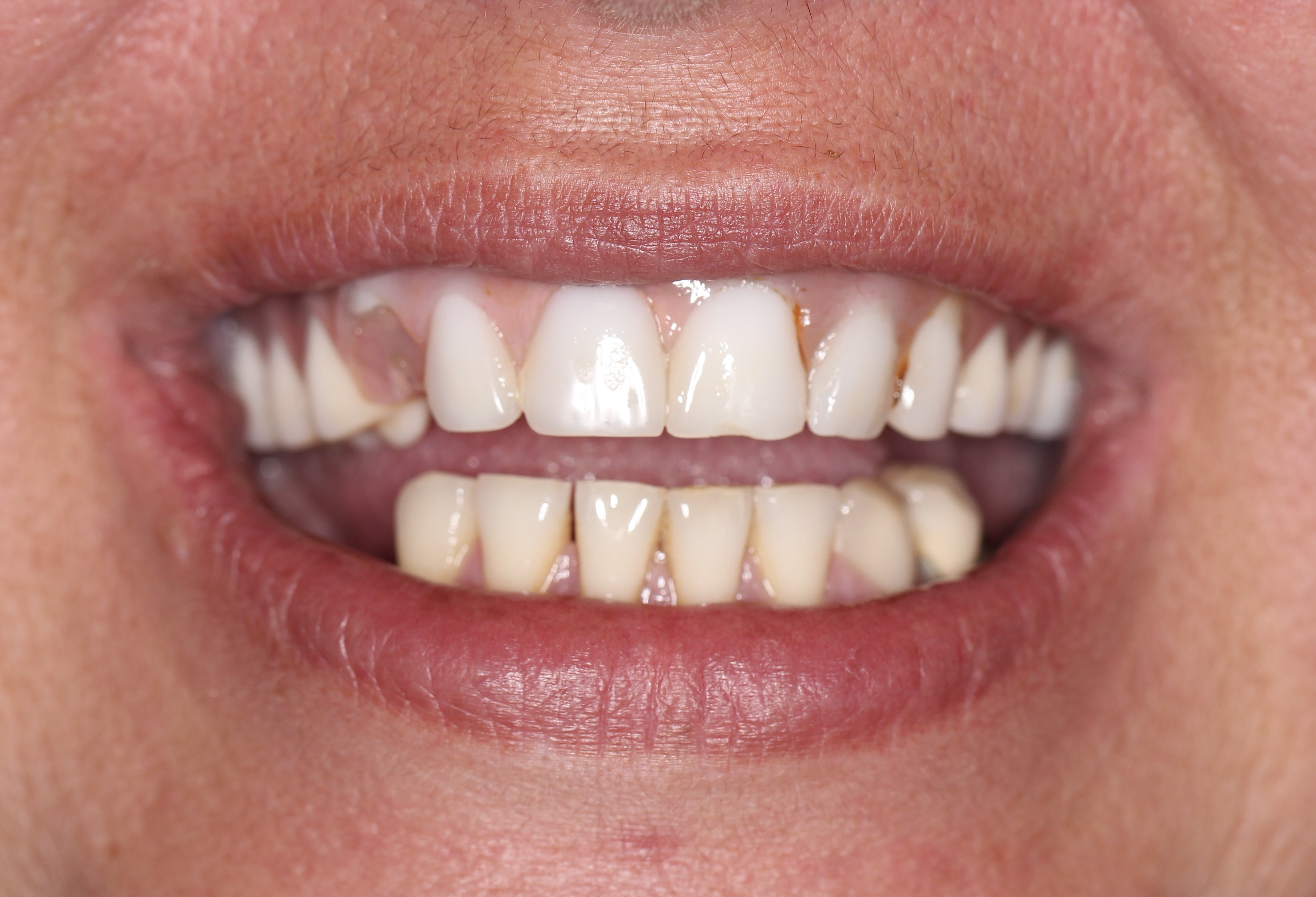
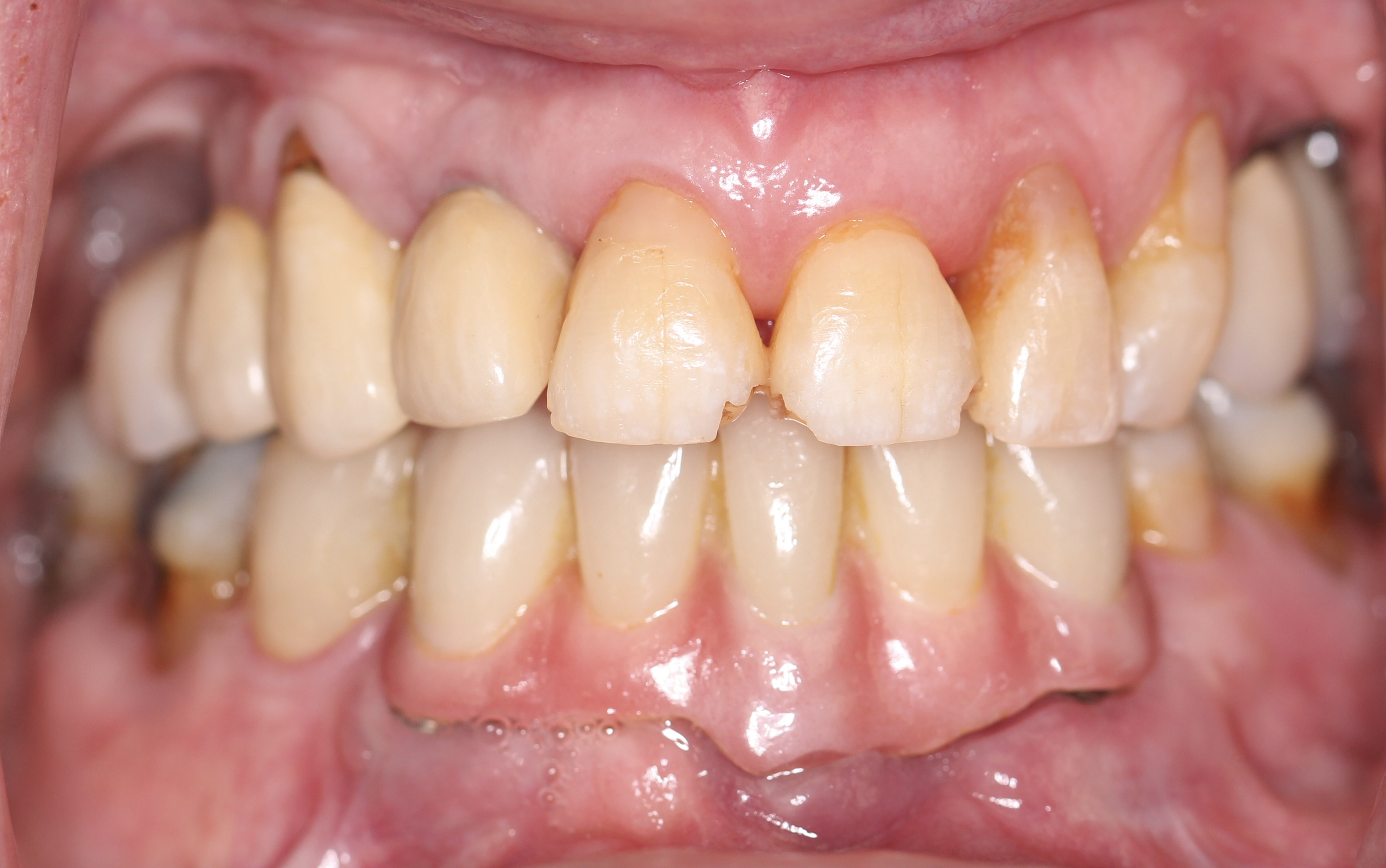
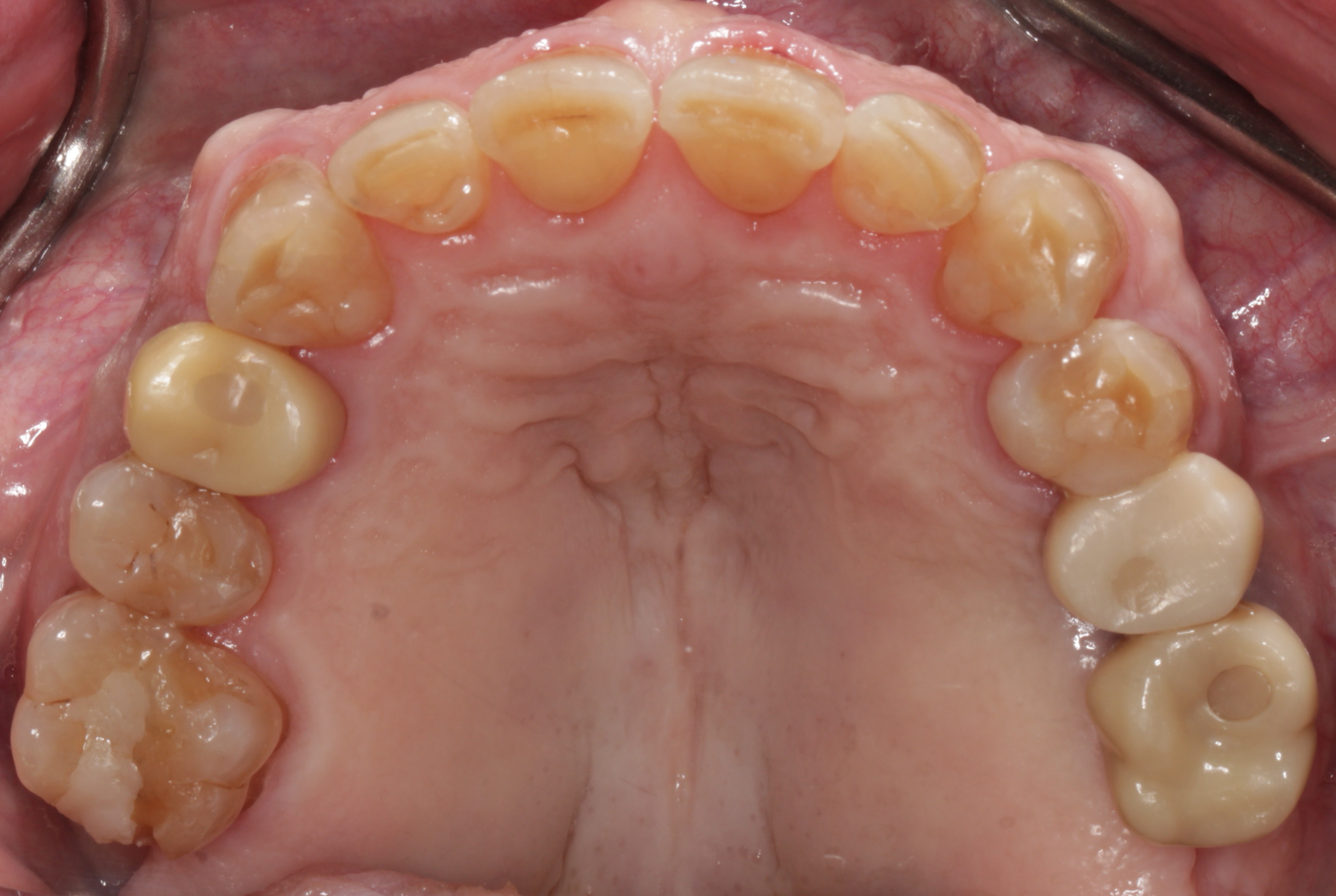
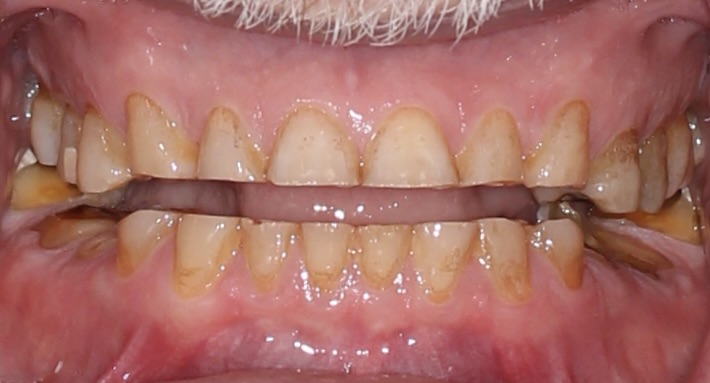
When many teeth need treatment, each restoration becomes part of one system. I diagnose the cause of wear before planning the restorations, whether grinding, acid erosion, or lost support from missing back teeth. Restoring teeth without addressing the cause places new restorations under the same forces.
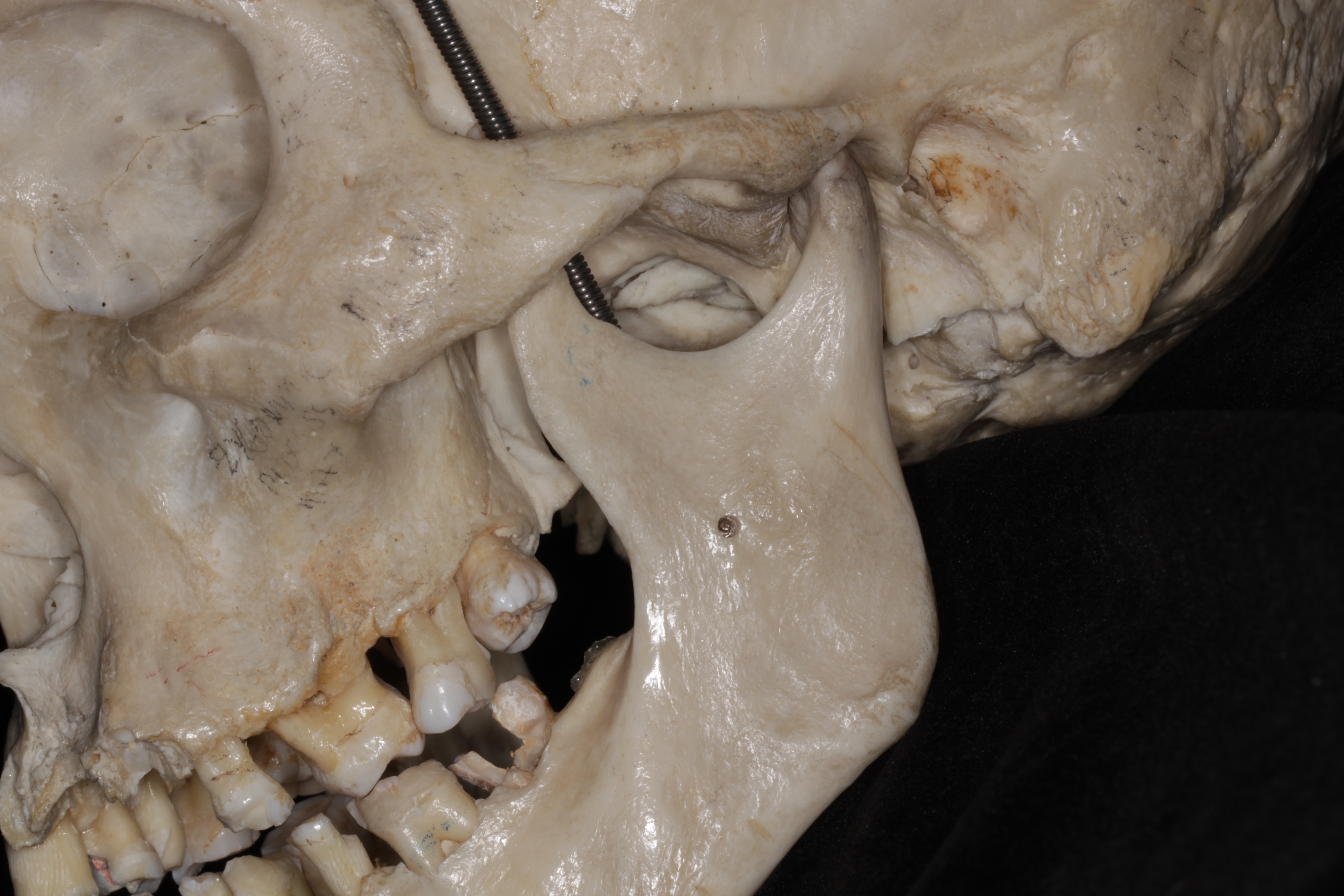
Bite height is evaluated, not assumed. Worn teeth do not necessarily mean the bite has collapsed, and the plan depends on the difference, which I explain in What Is “Bite Collapse”? Changing the bite is a clinical decision made for the restorations, and existing jaw symptoms are evaluated on their own terms.
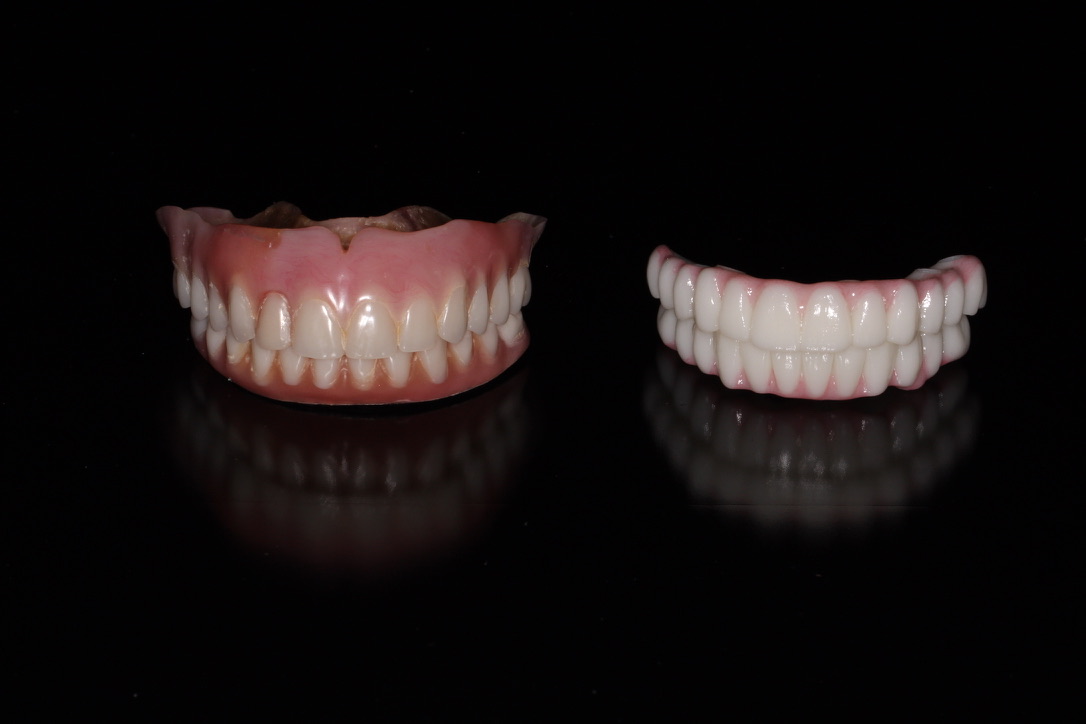
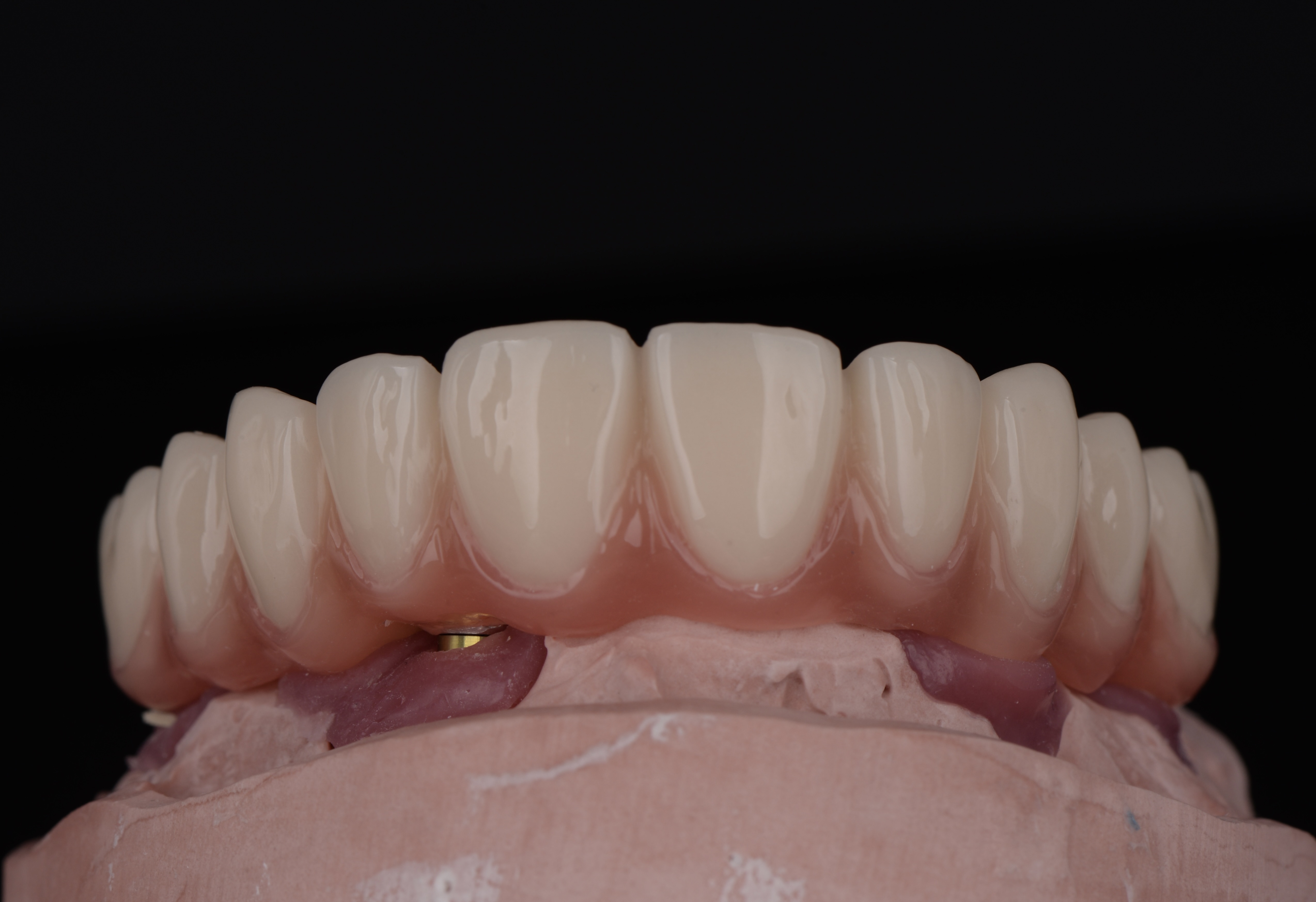
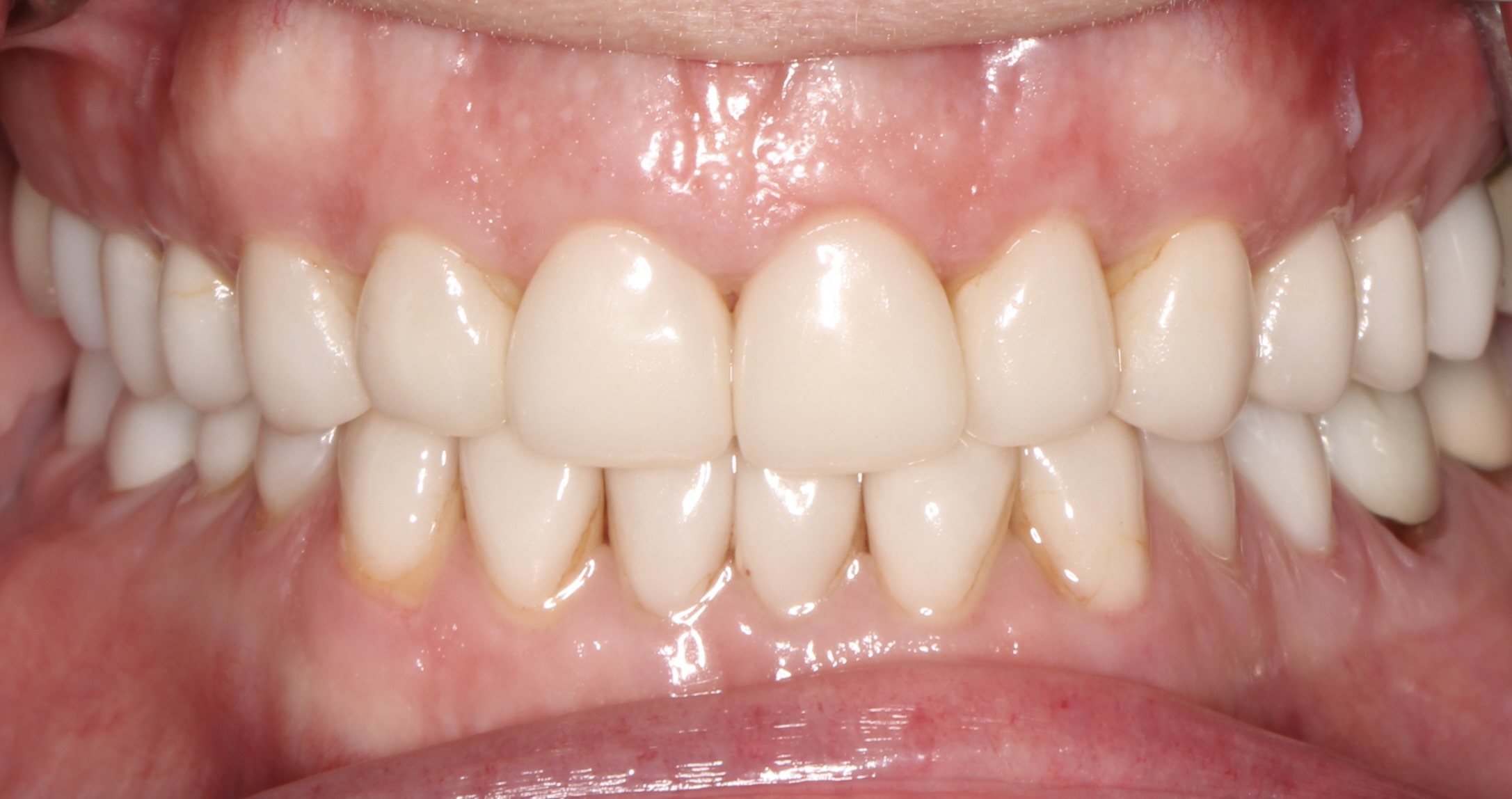
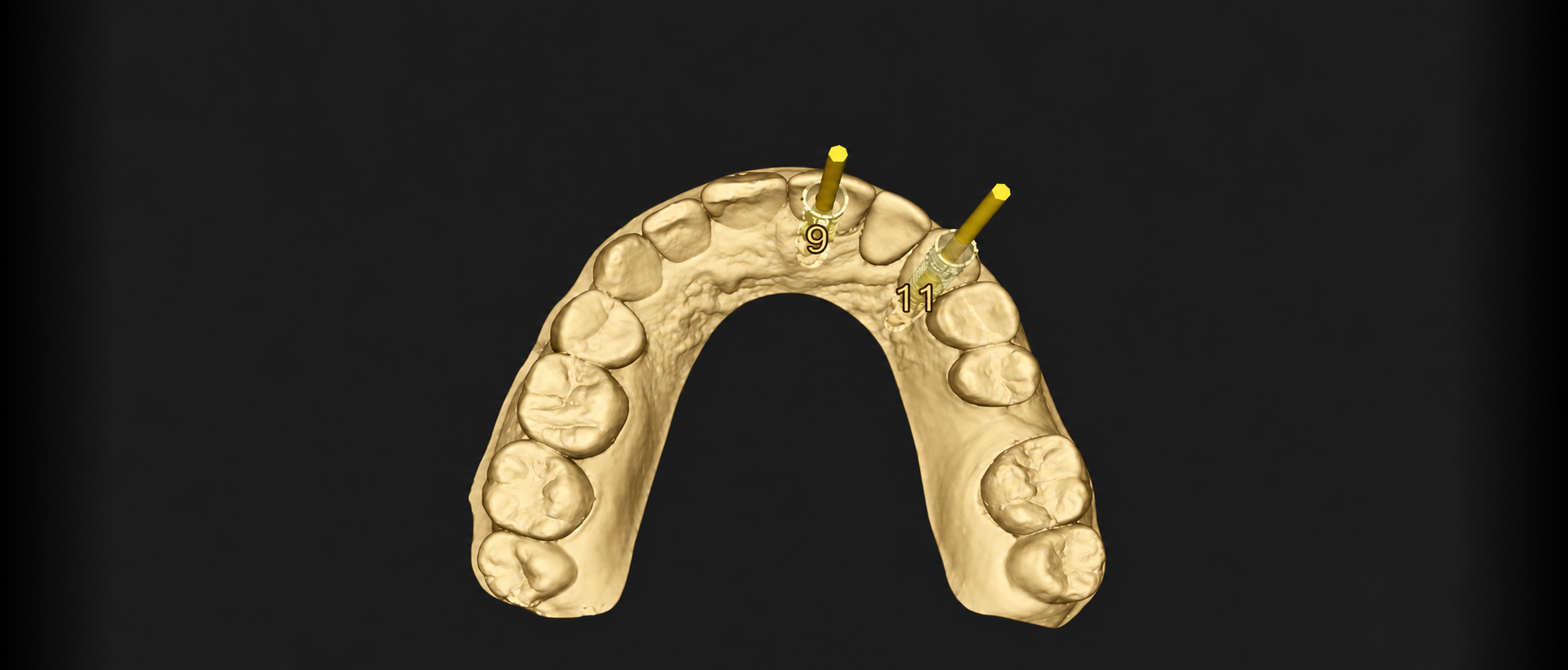
The tooth form and bite are designed together and confirmed in provisional restorations, where appearance, speech, comfort, and function are evaluated before the final restorations are made. This is the foundation of full mouth restoration in my practice.
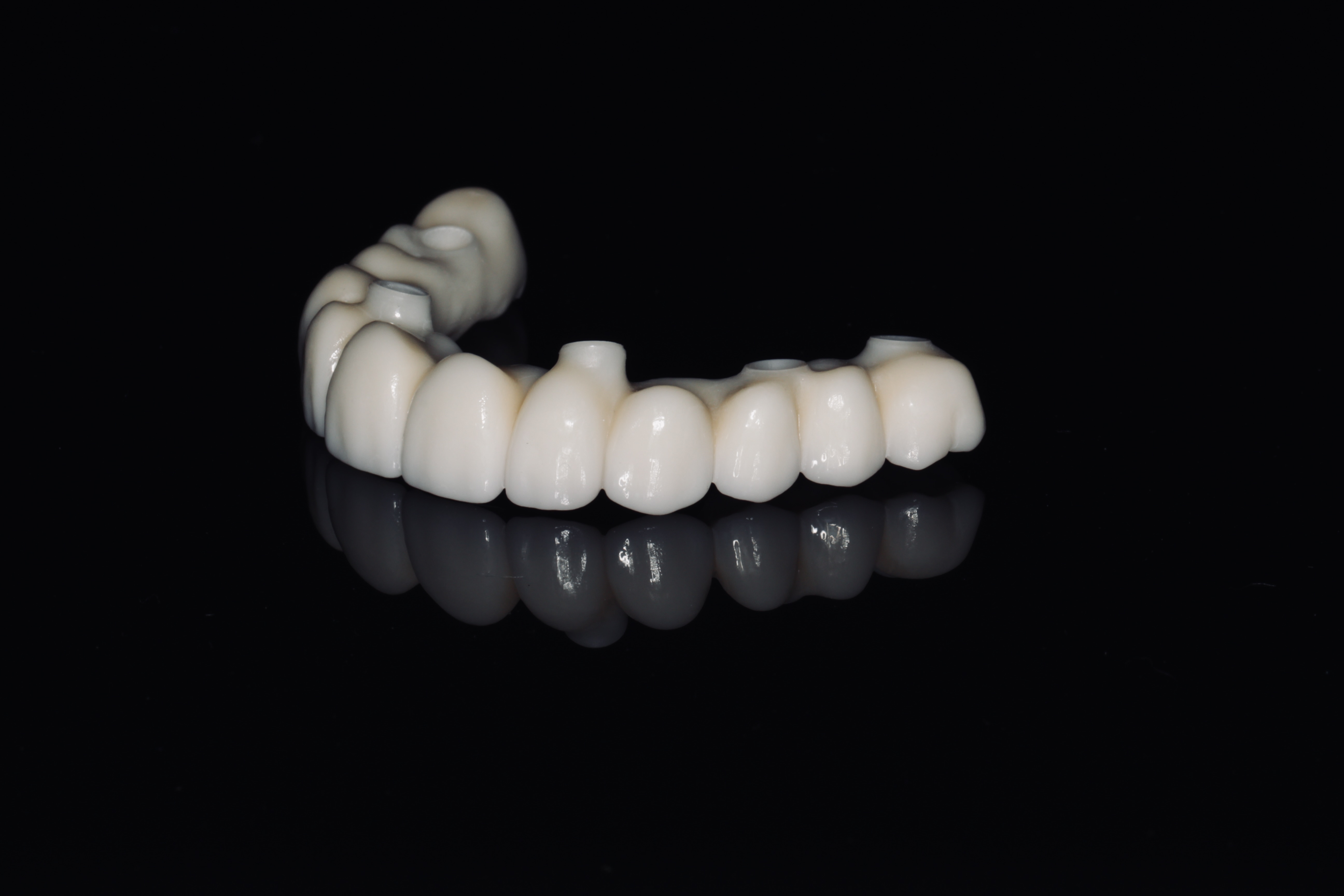
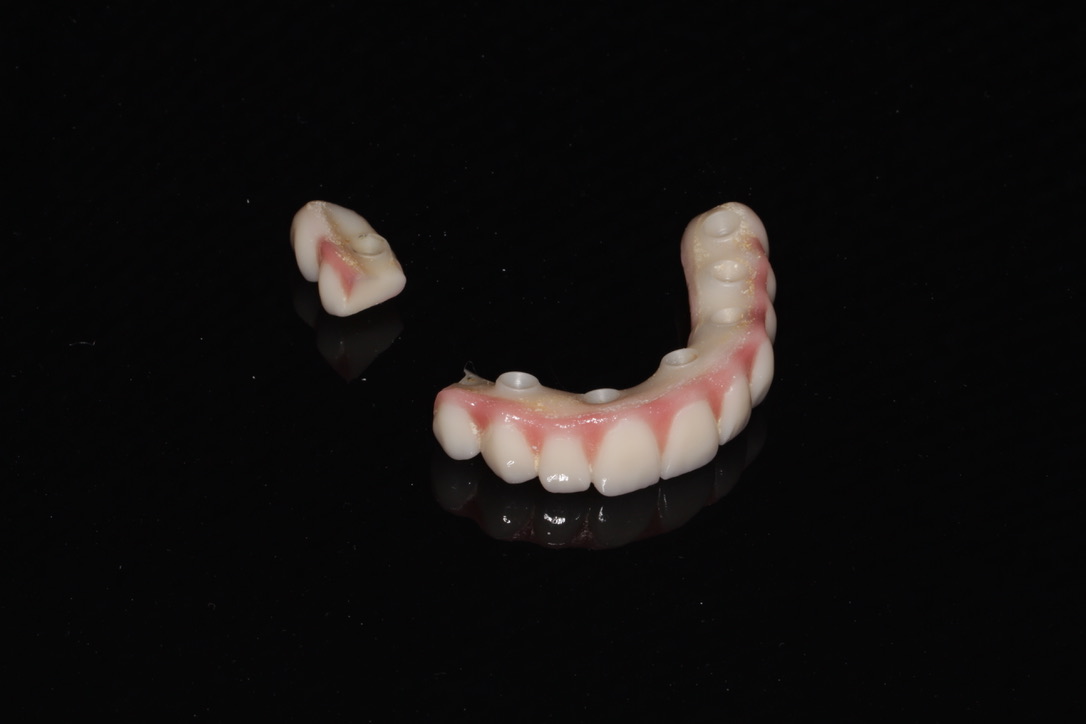
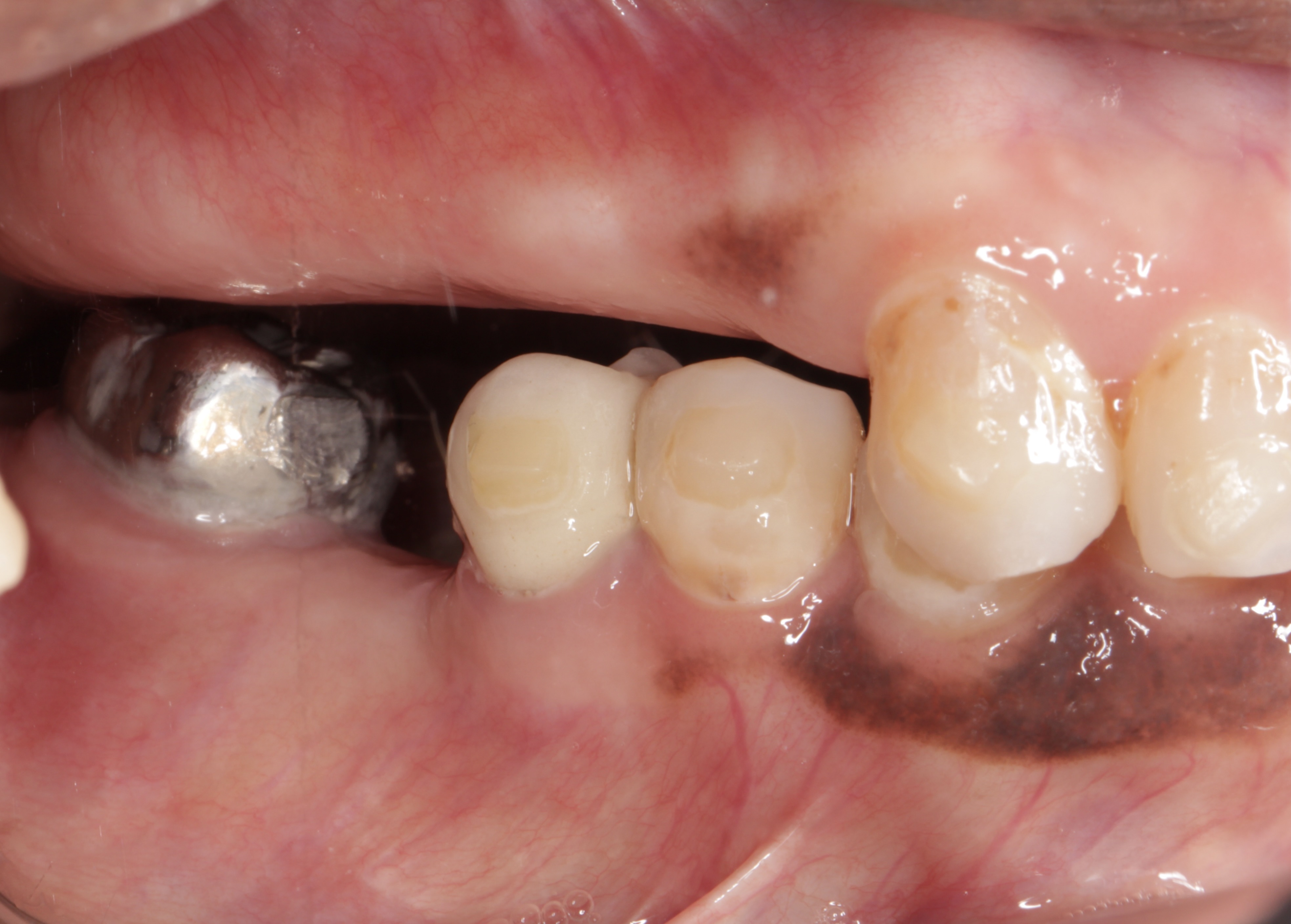
Missing teeth, gum disease, tooth position, and limited space can all shape the sequence of treatment. I design the final result first and coordinate with the oral surgeon, periodontist, or orthodontist so that each phase leads to it. Implants are planned around the intended restoration, not the other way around.
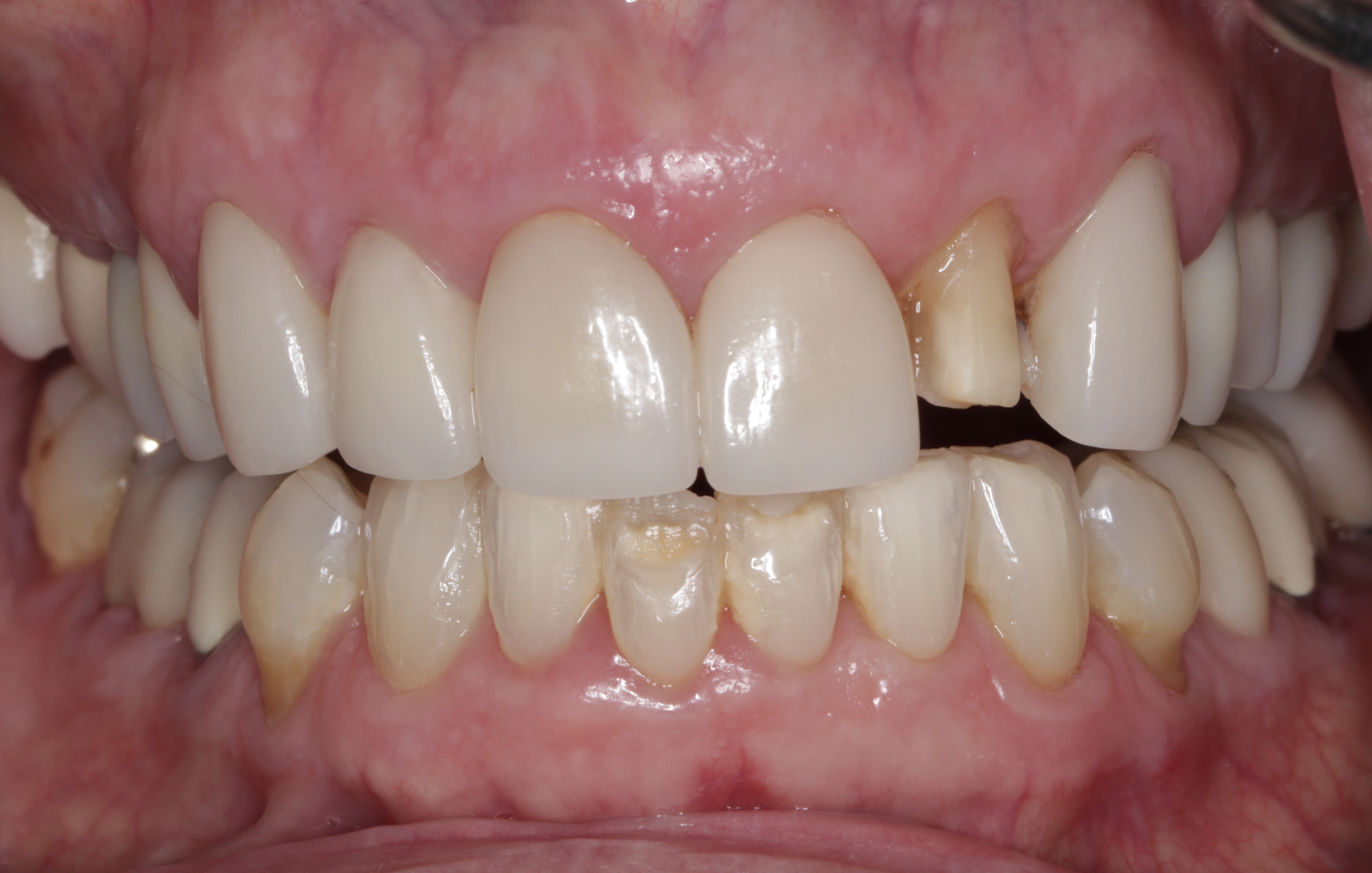
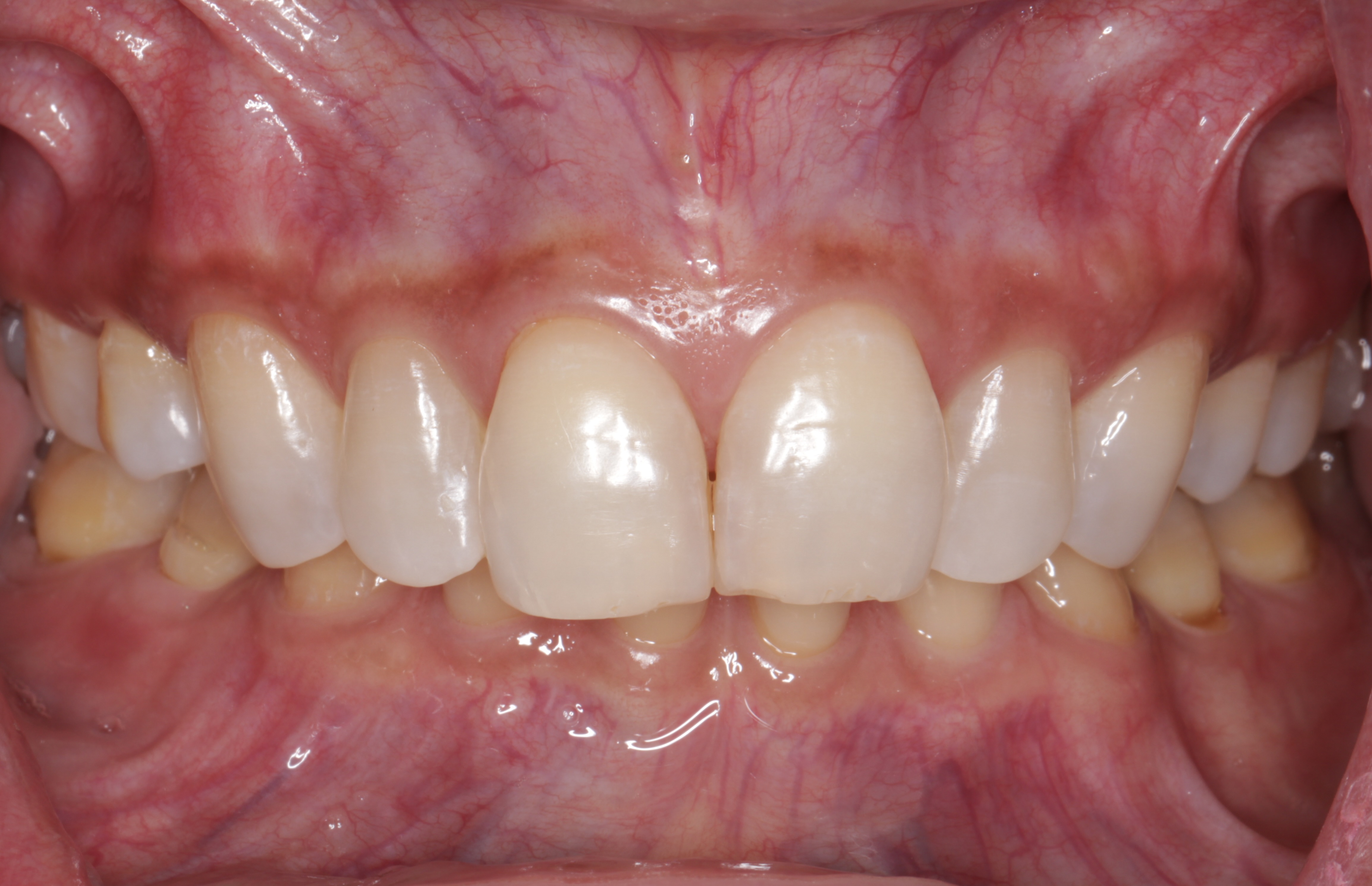
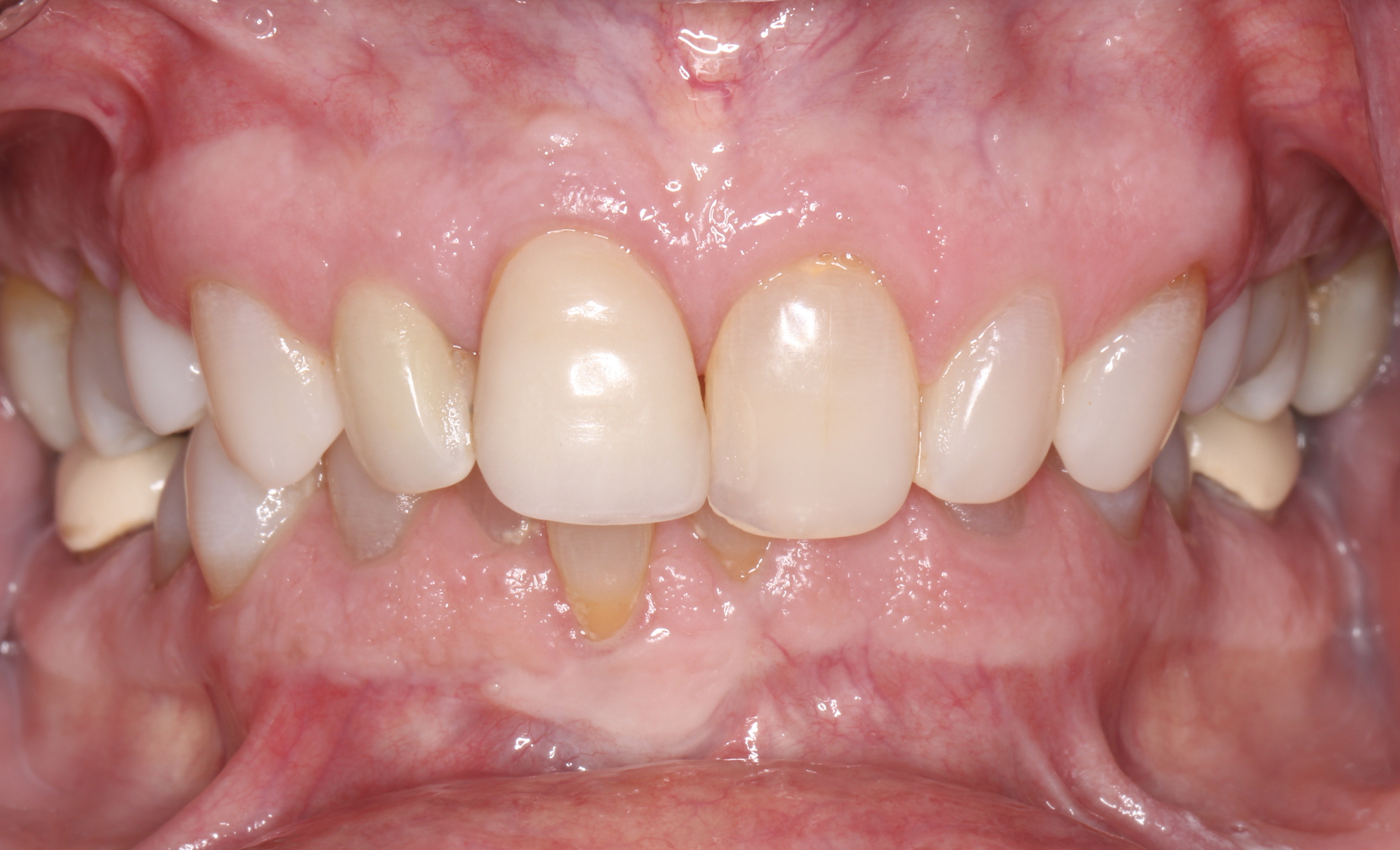
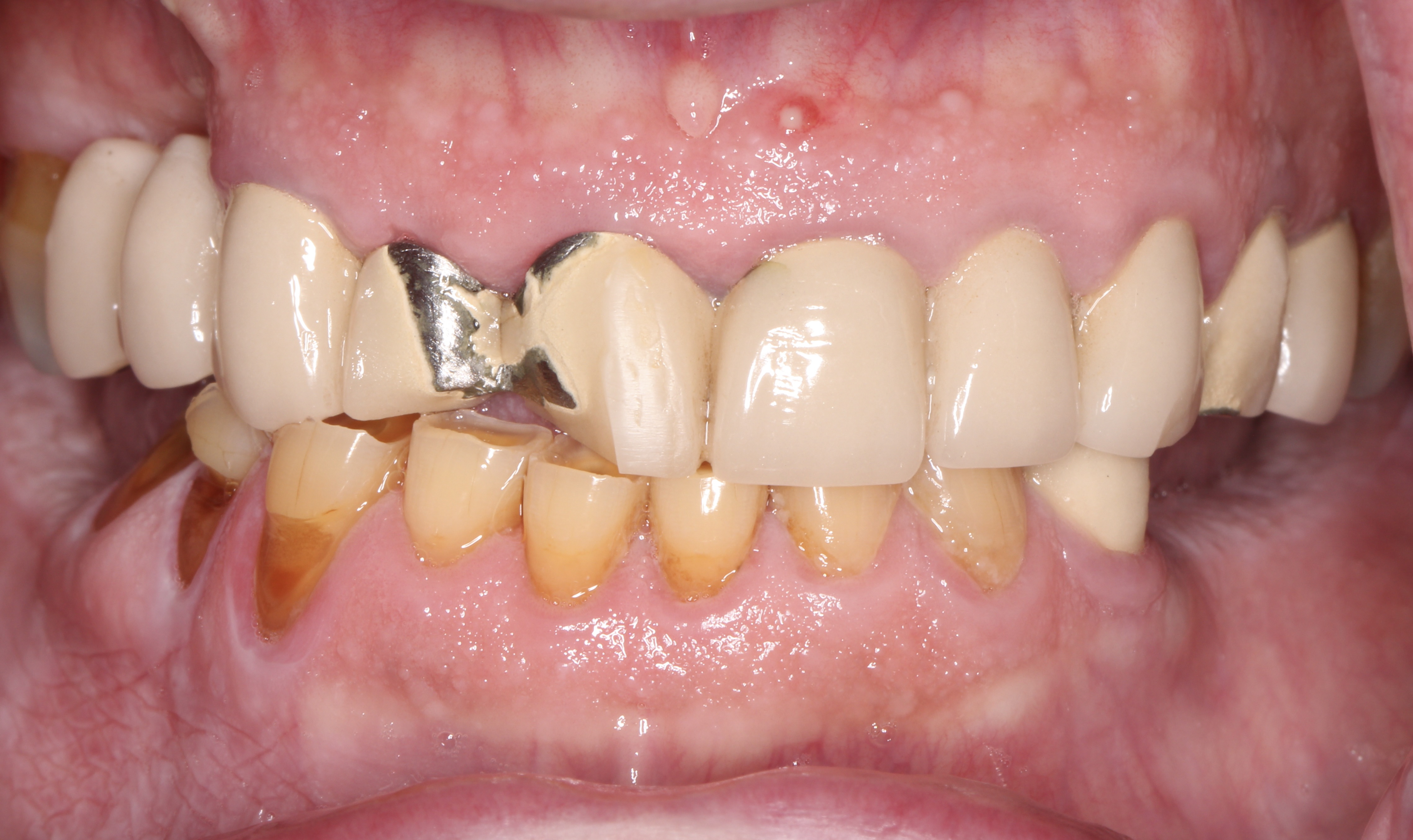
Restorations that look artificial, keep fracturing, or never felt right fail for a reason. Replacing them without finding it risks repeating the same result. I evaluate the restorations, the remaining tooth structure, the gums, and the bite, and the diagnosis determines whether repair, selective replacement, or a broader plan is appropriate. A second opinion before major dental treatment is often where that diagnosis begins.
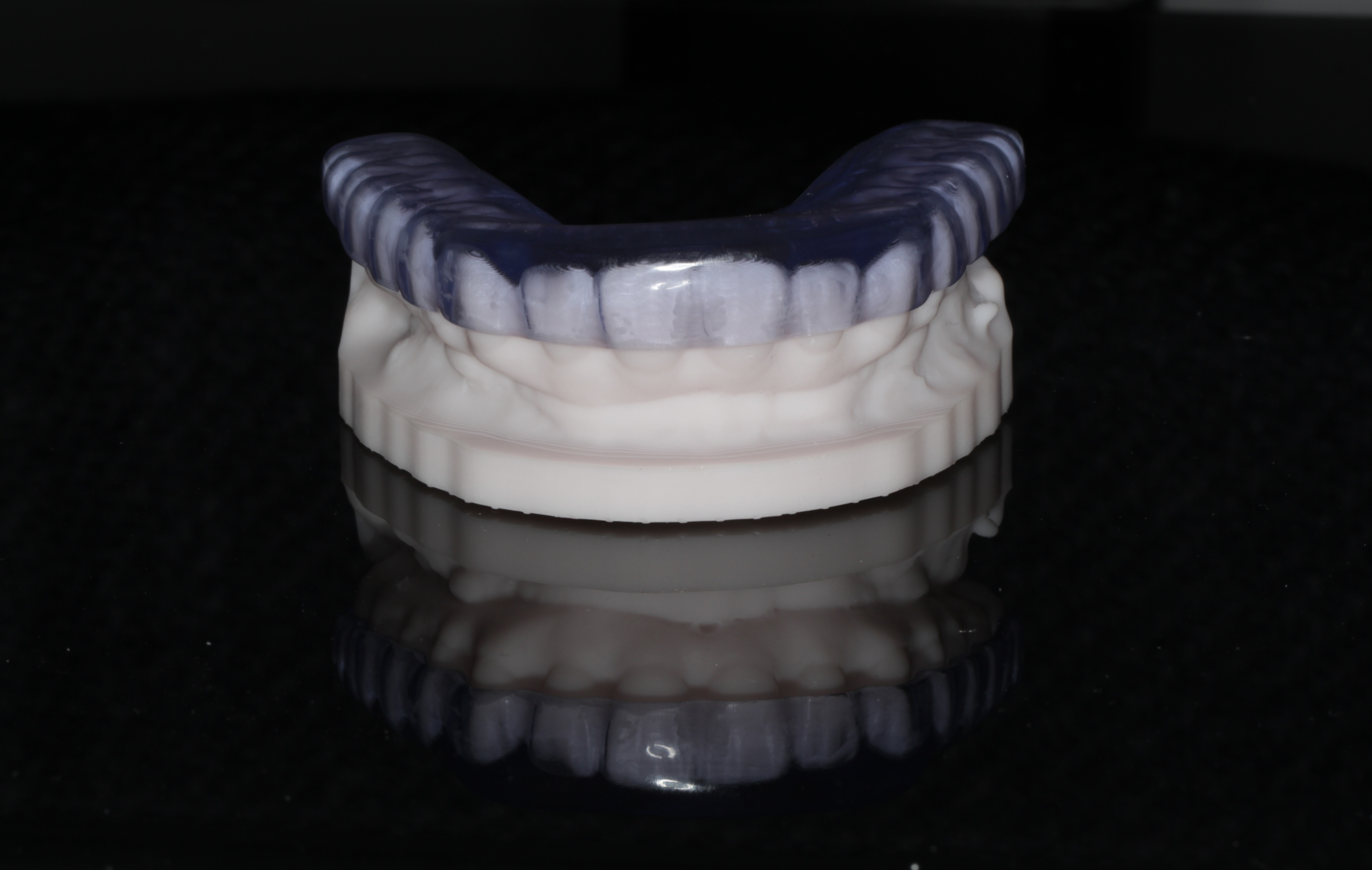
Maintenance begins in the design. Cleanable contours, materials chosen for the forces they will carry, protection for patients who clench or grind, and the follow-up care the restorations will need are all decided before treatment. No restoration is immune to complications, and planning for them is part of the treatment.
The earliest decisions in treatment determine what is preserved, what is changed, and what may need to be rebuilt later. That is where a specialist’s judgment matters most.
Results and treatment needs vary from patient to patient. This article is for educational purposes only and does not replace an individual clinical examination, diagnosis, or treatment recommendation.