How to Clean and Maintain an All-on-4 Bridge
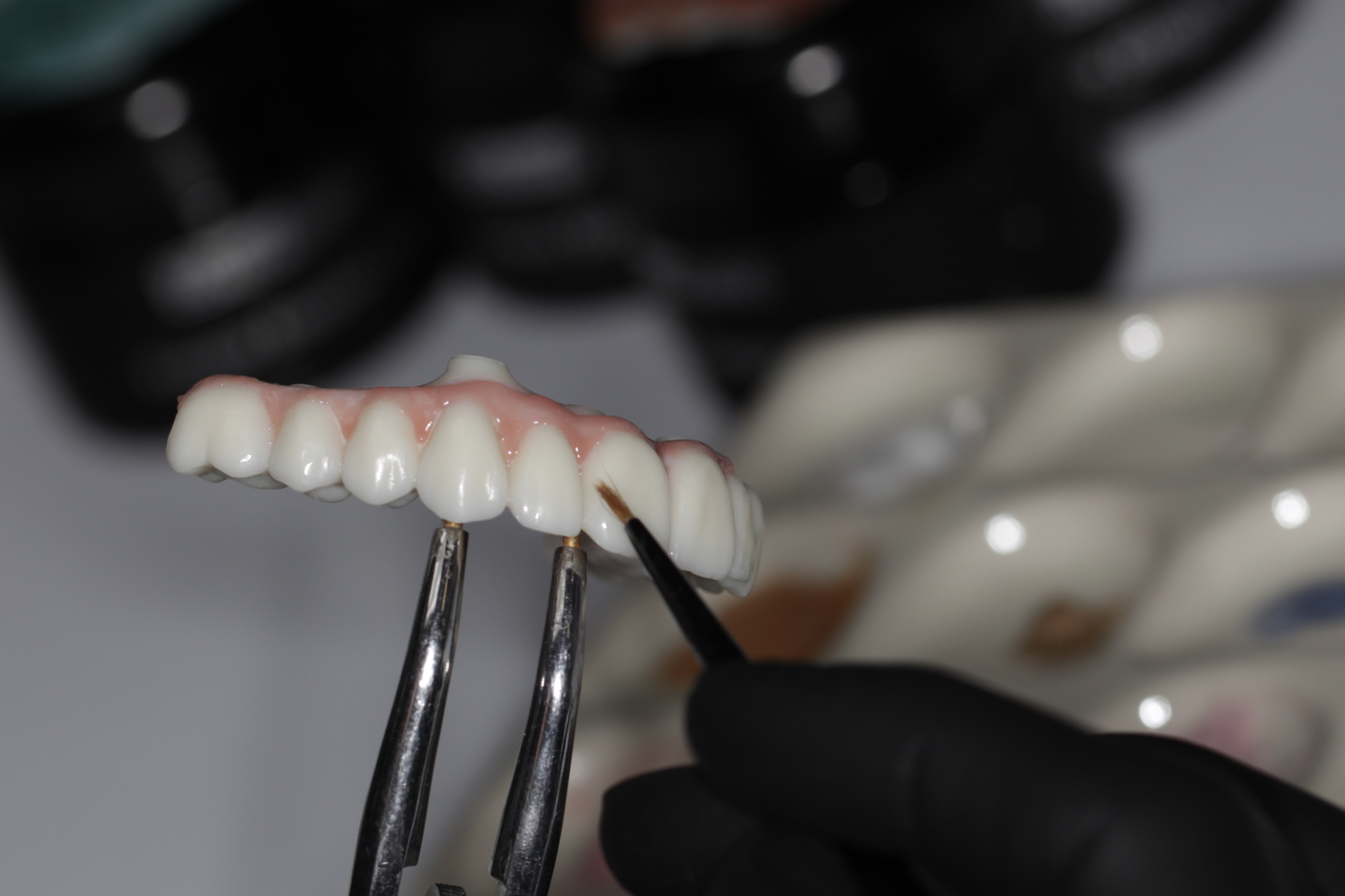
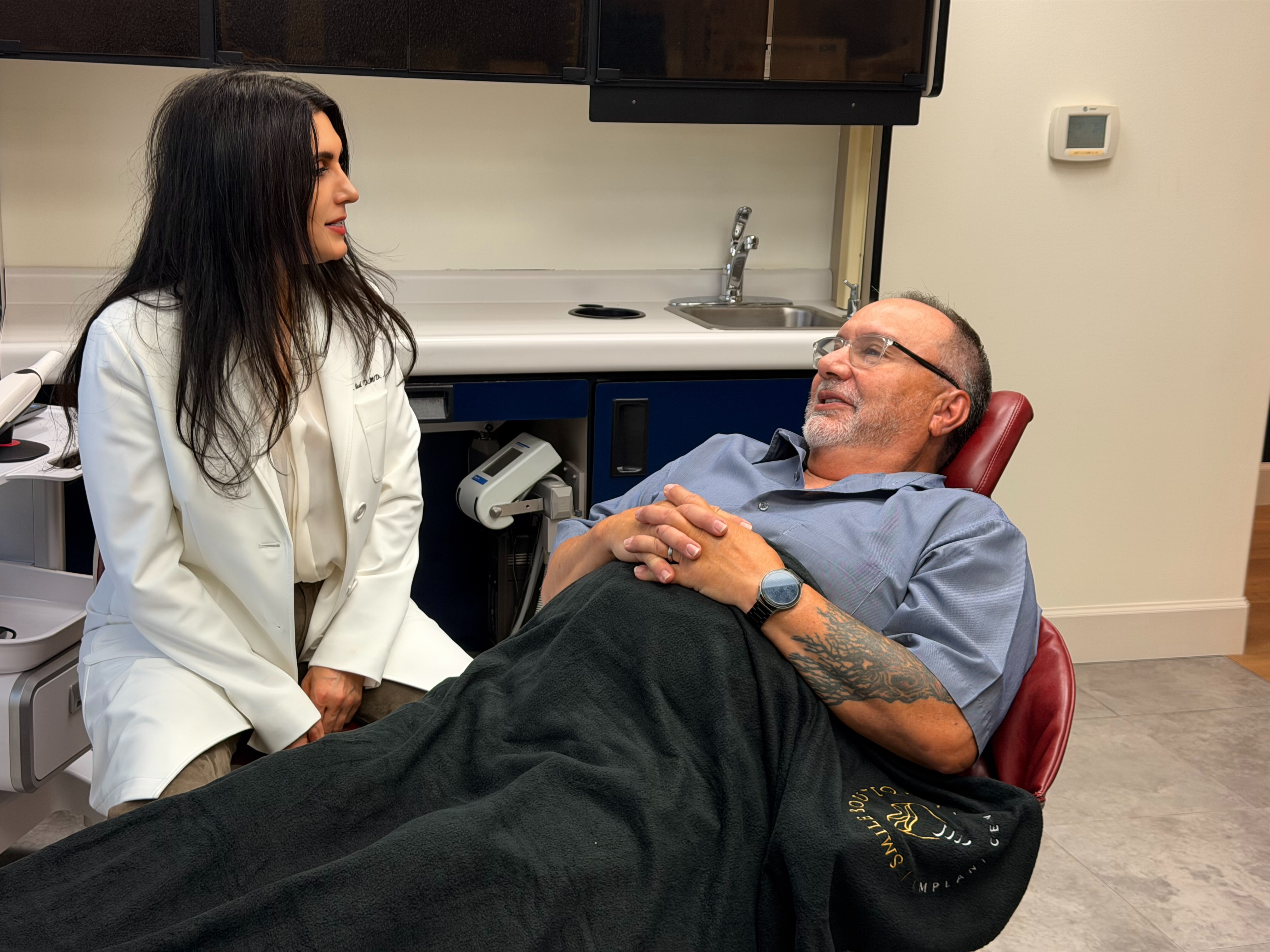
When patients come to me to discuss All-on-4, one of their first questions is what maintenance will look like. It is the right question to ask before treatment begins, because daily care and regular maintenance are part of the commitment.
A fixed implant bridge needs daily cleaning beneath the restoration, along the gumline, and around the implant connections, together with regular professional maintenance. The same applies to other fixed full-arch restorations, whatever the number of implants.
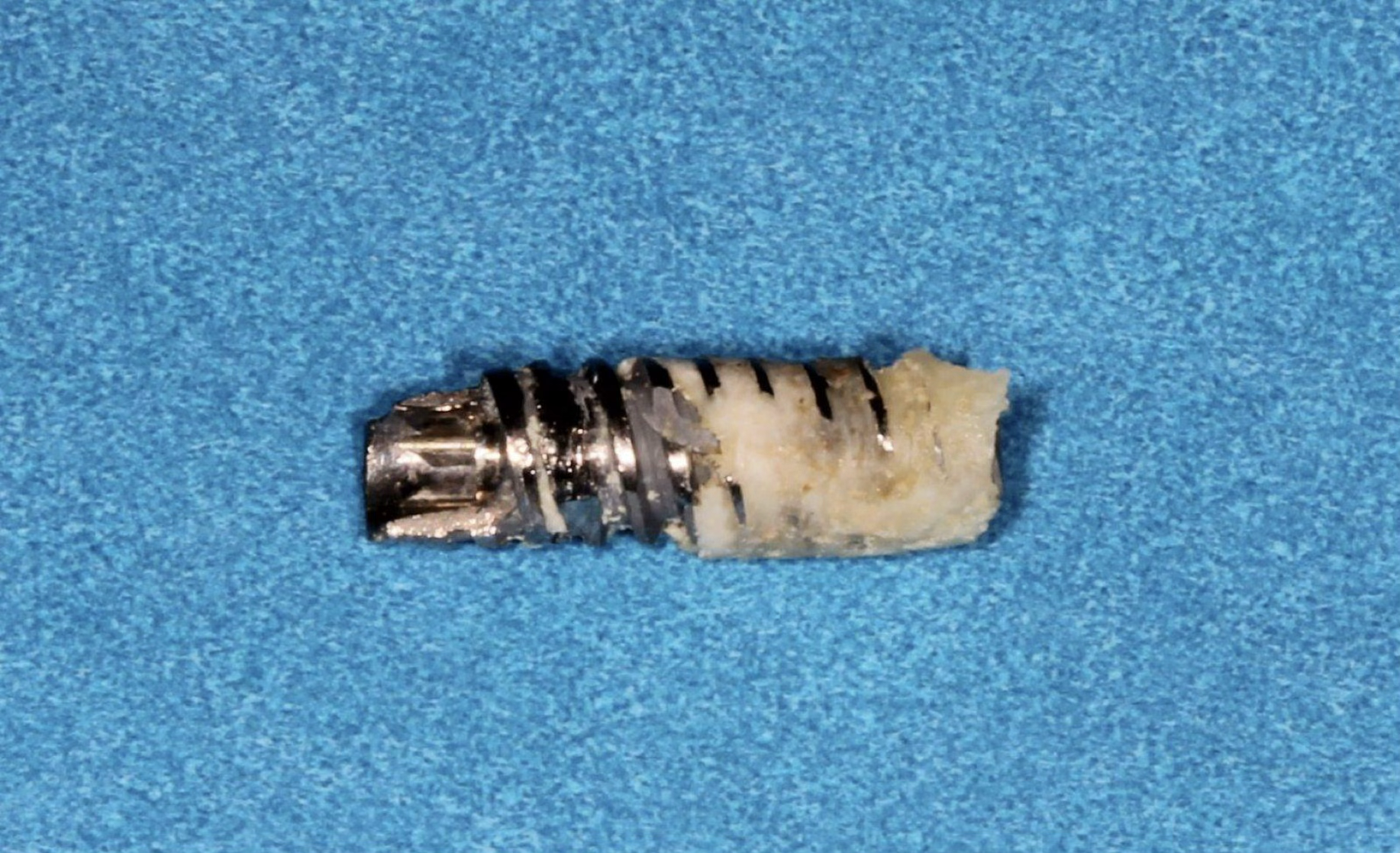
The bridge itself cannot decay, but the tissues supporting the implants can develop disease. Plaque left around the implants can cause inflammation and, in some patients, progressive loss of supporting bone.
Patients are responsible for daily cleaning. I am responsible for designing a restoration they can clean.
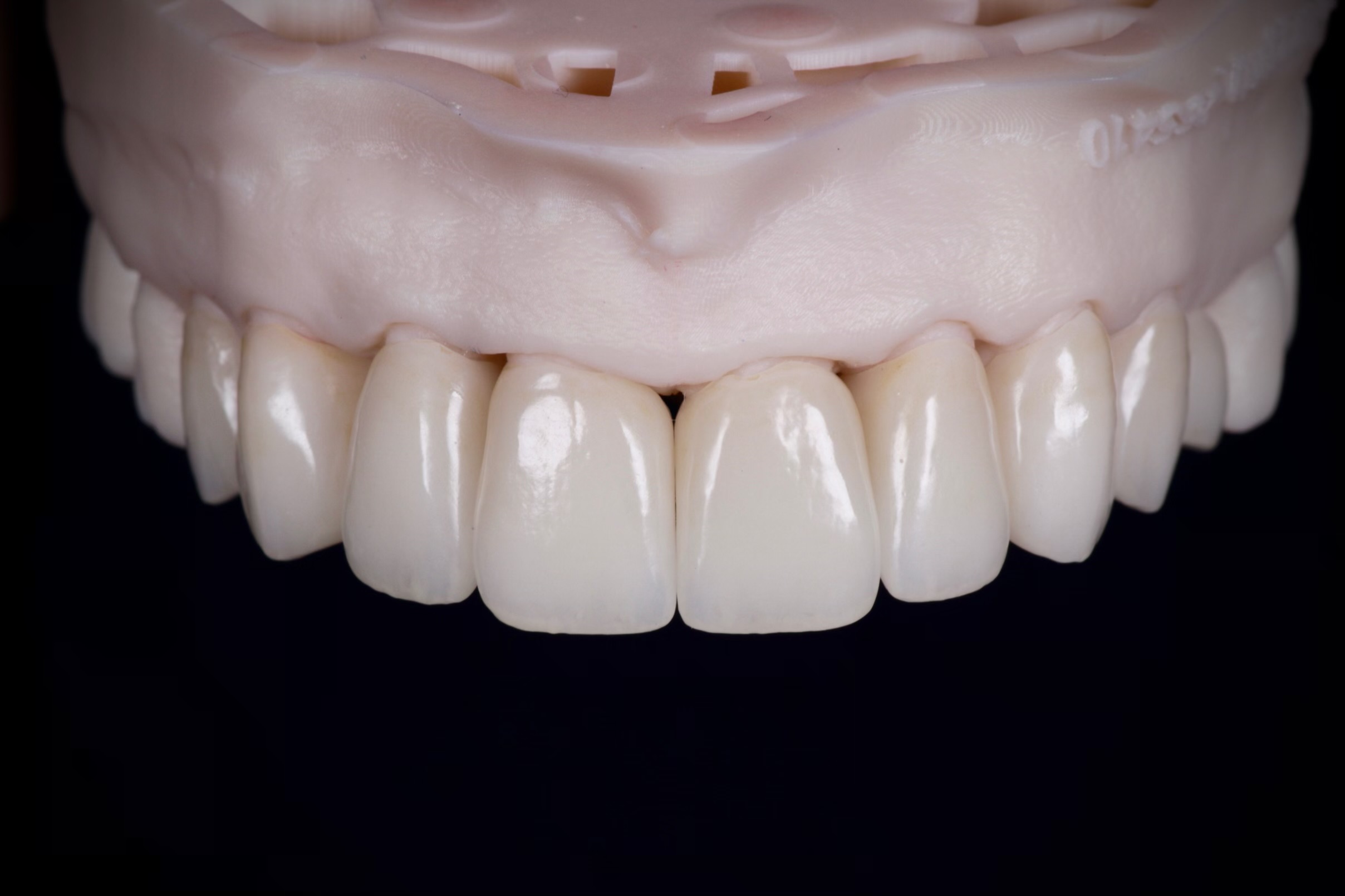
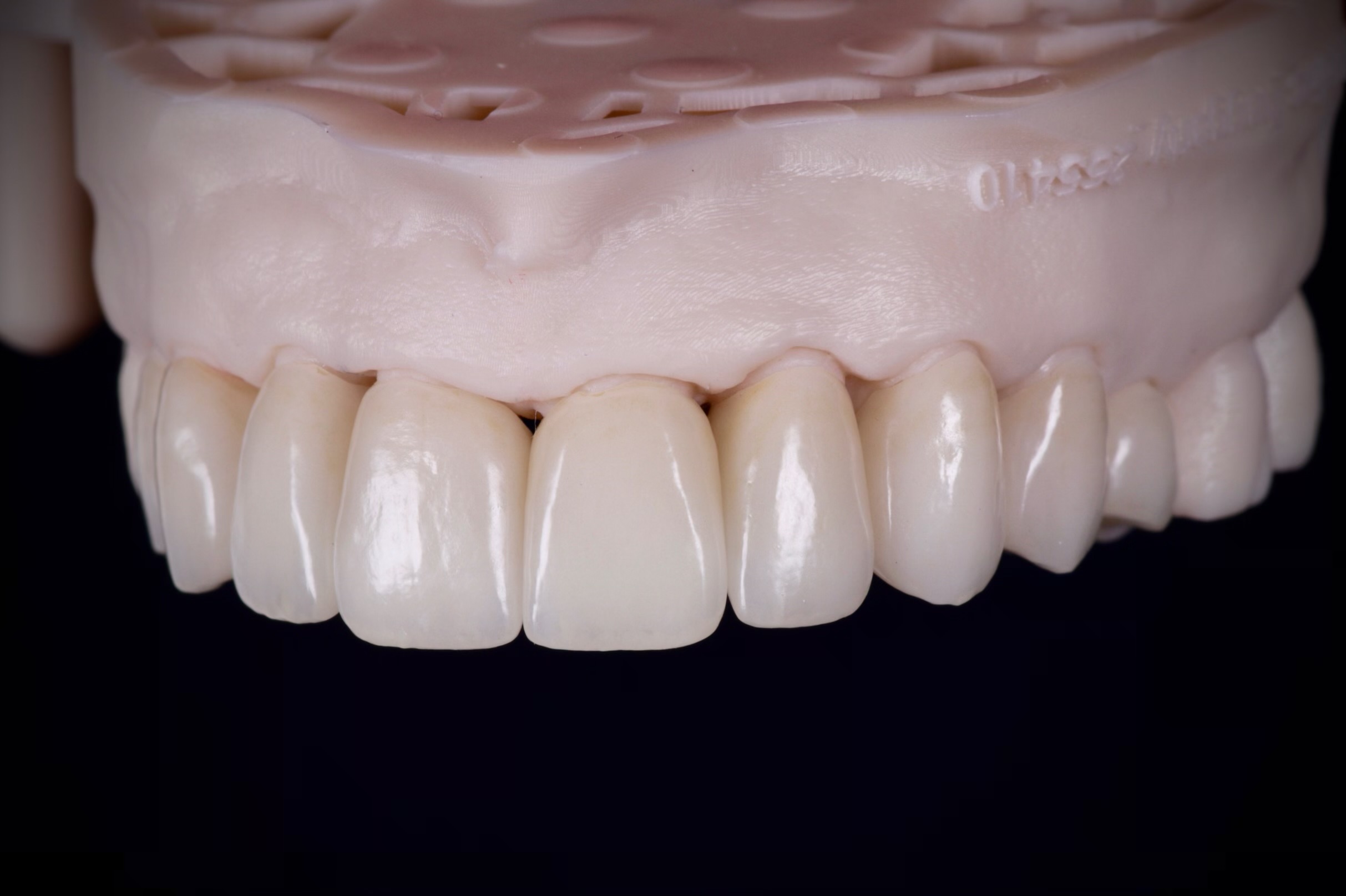
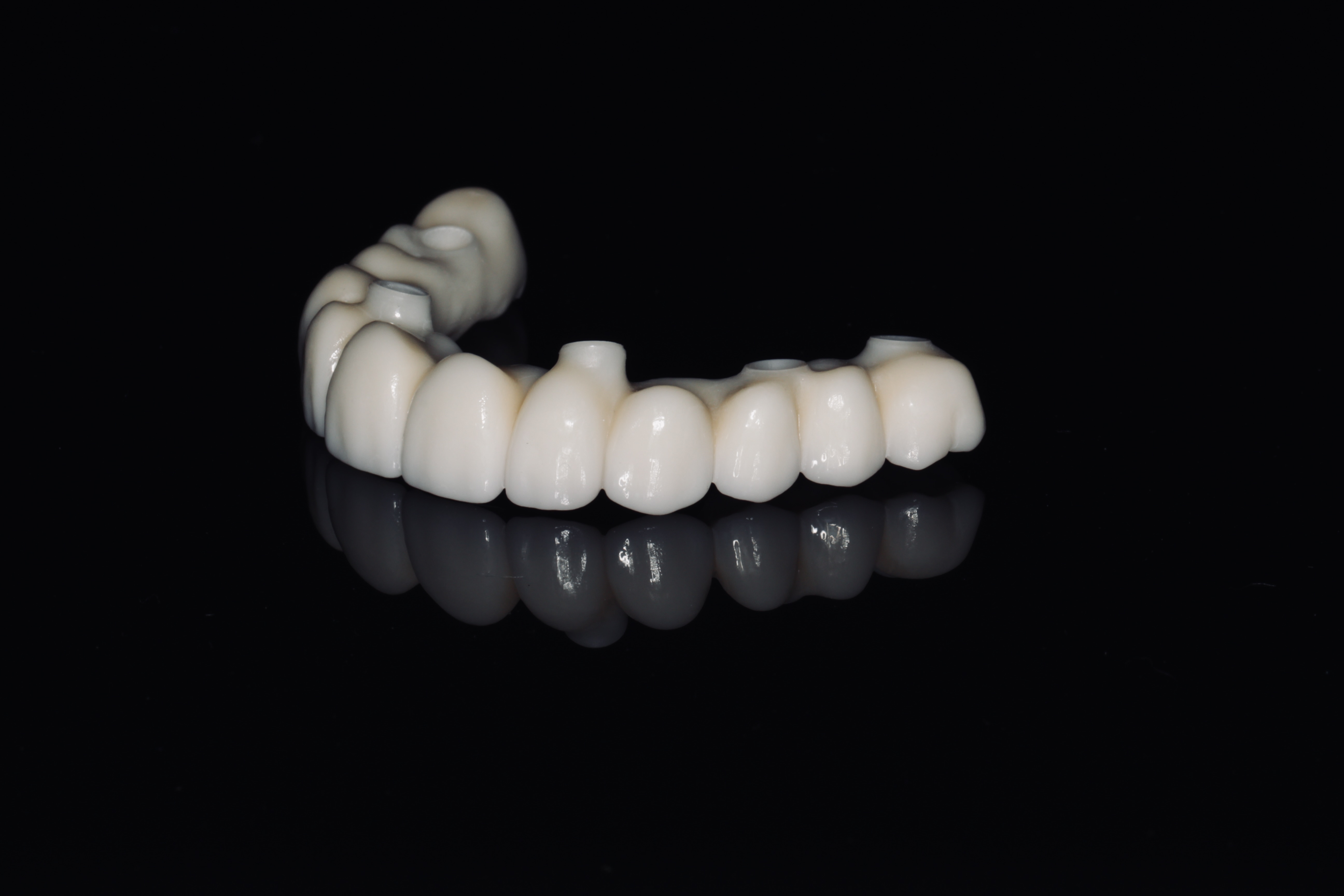
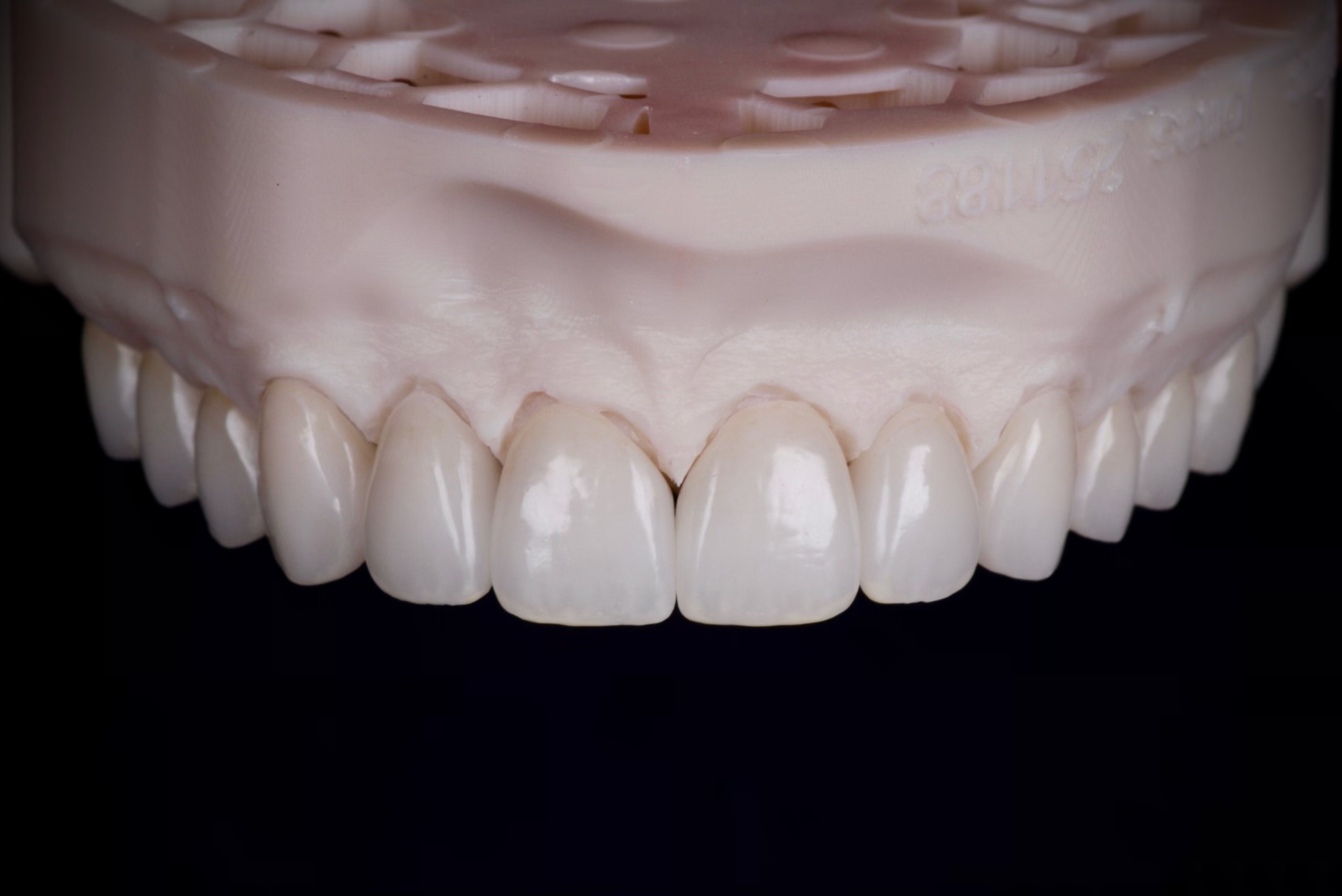
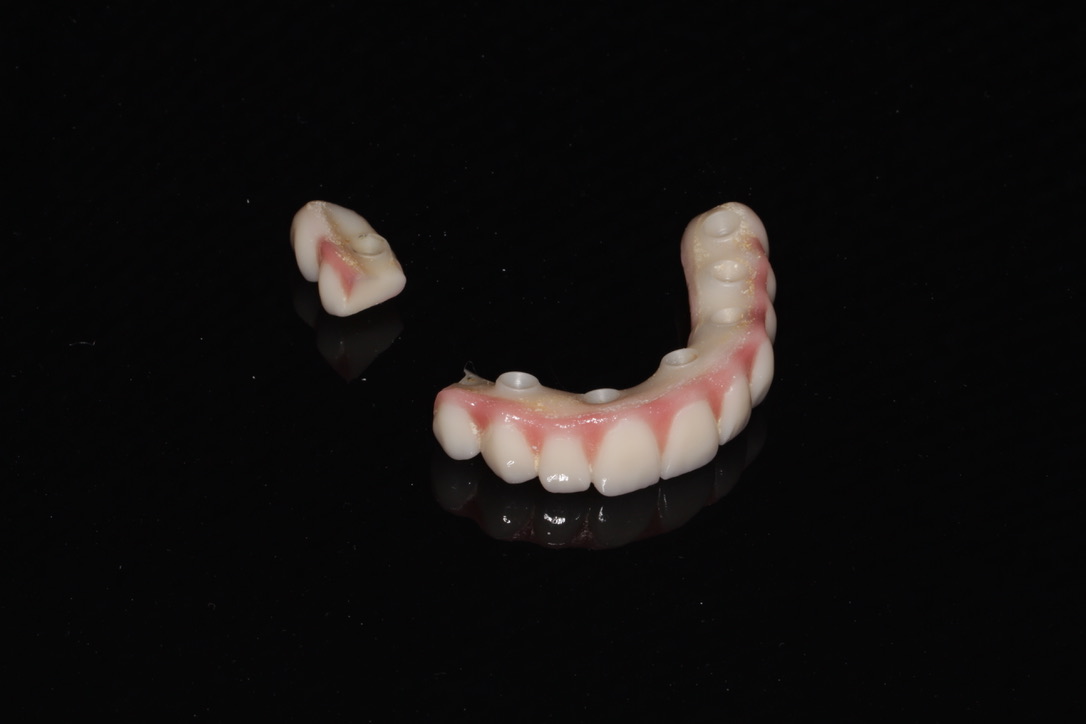
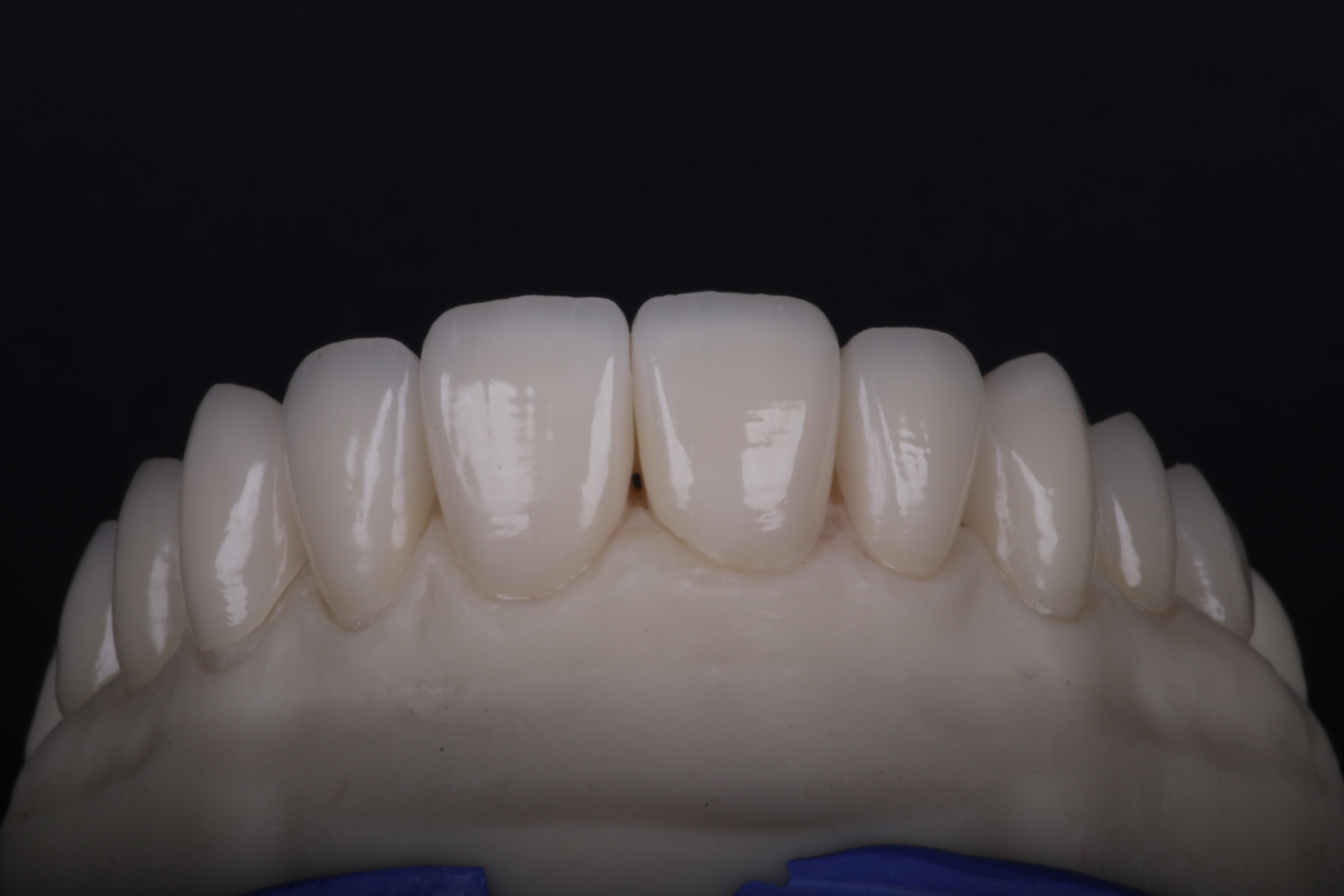
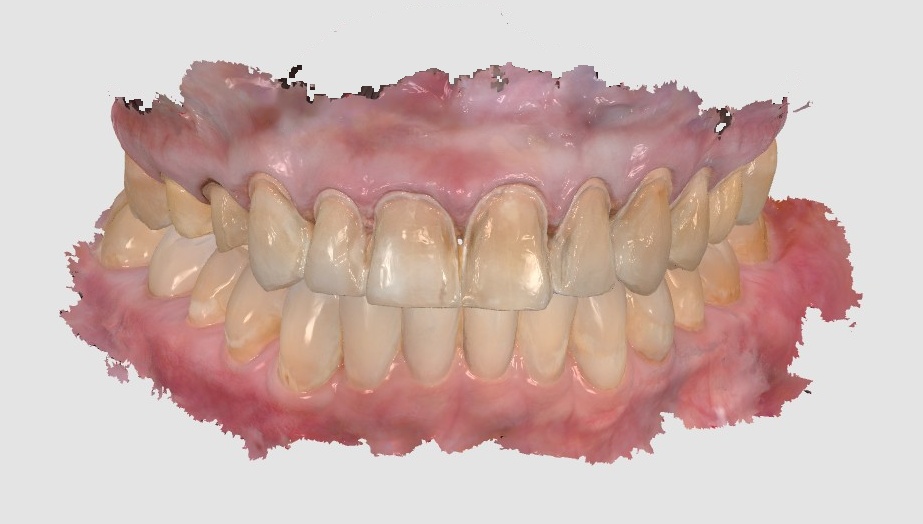
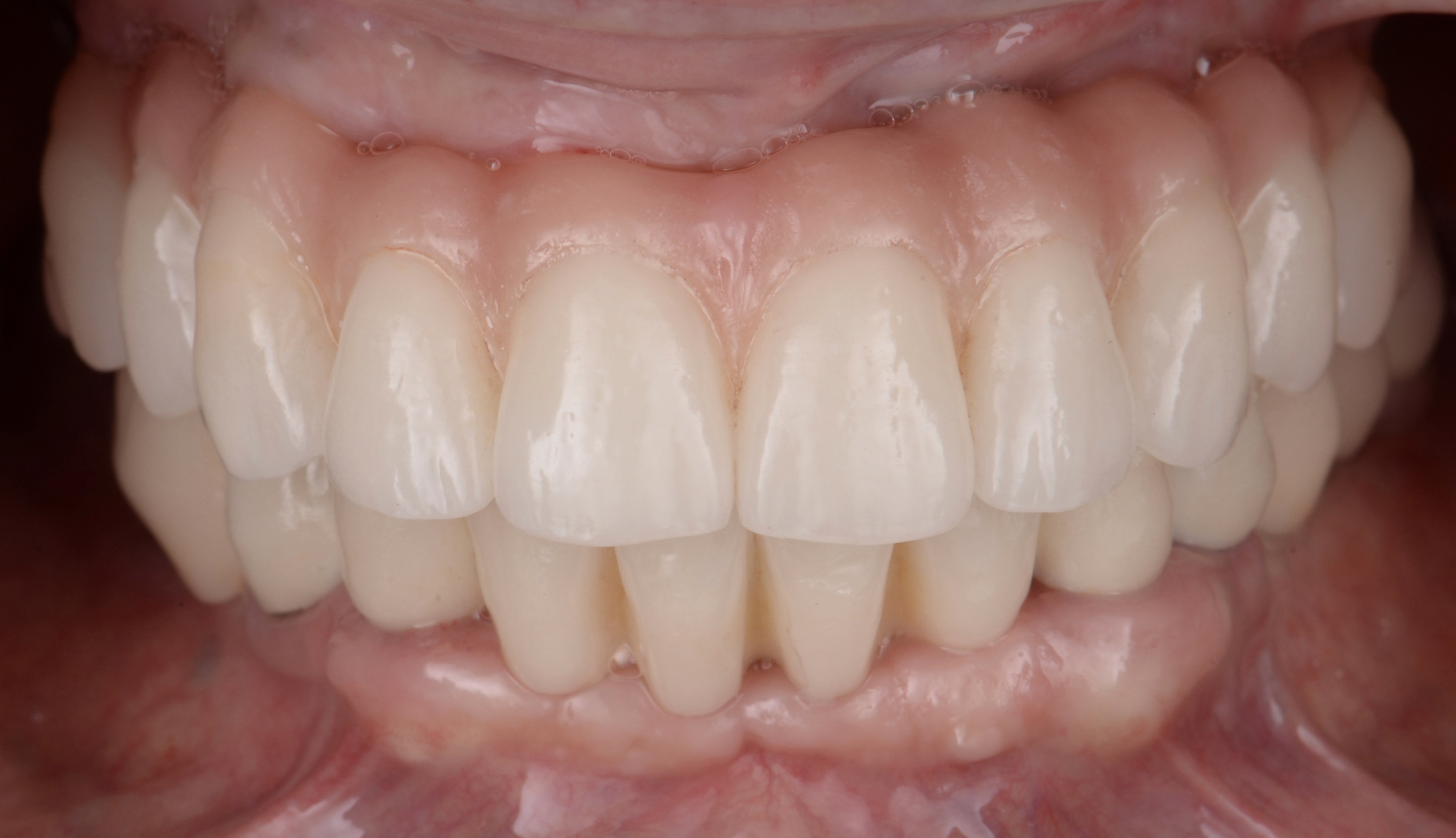
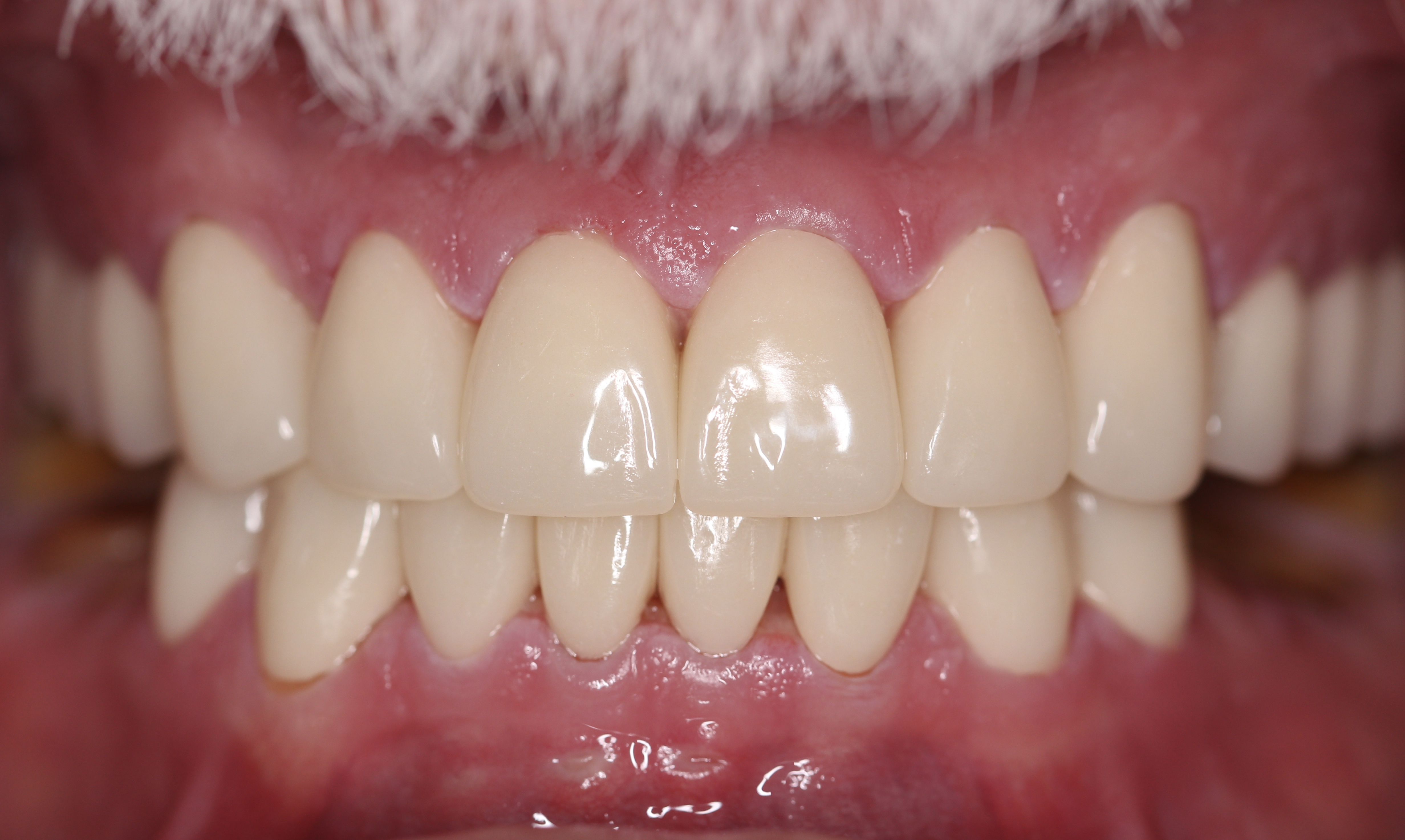
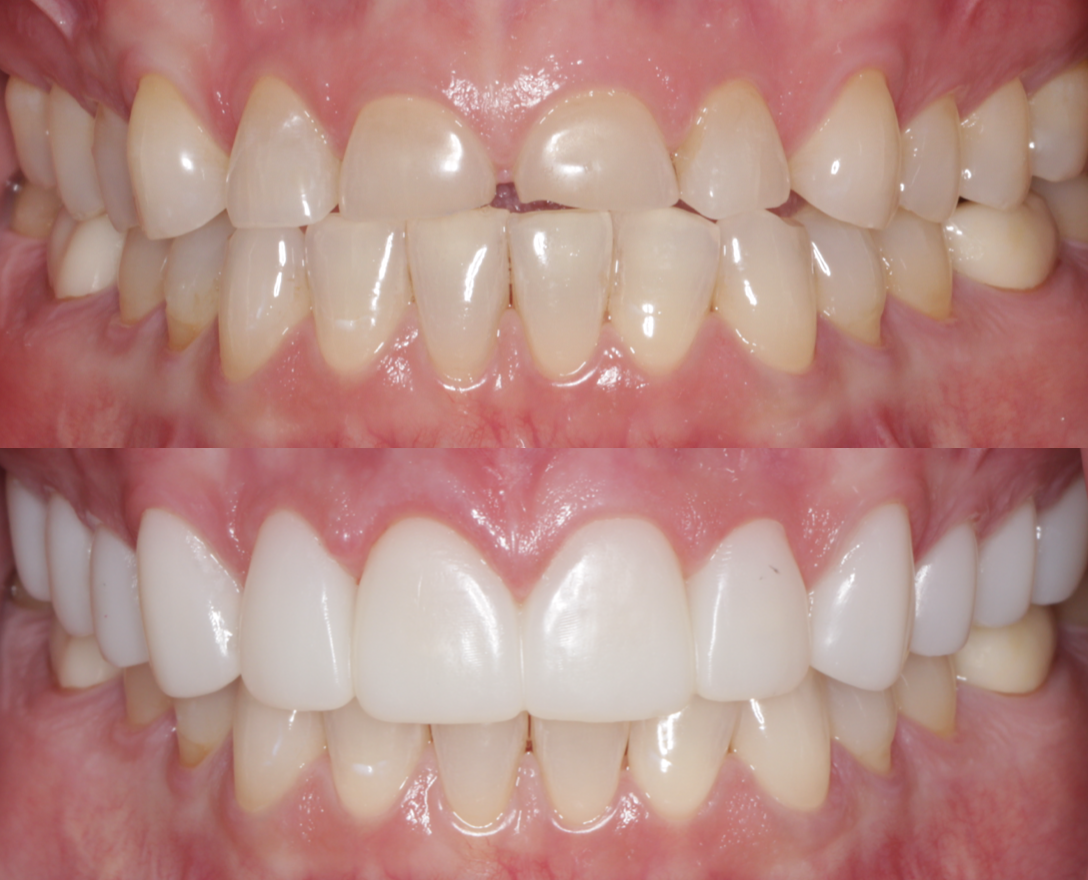
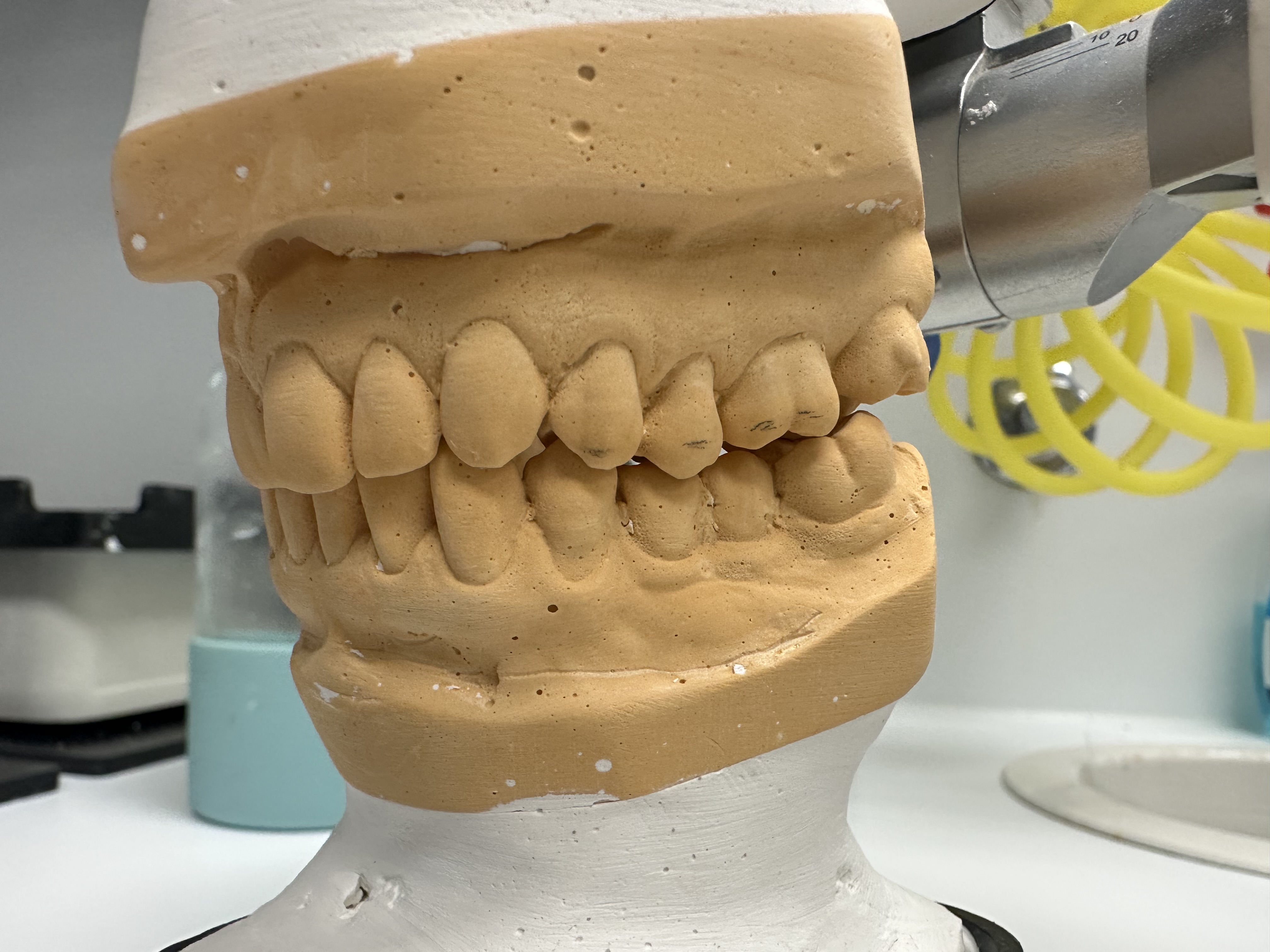
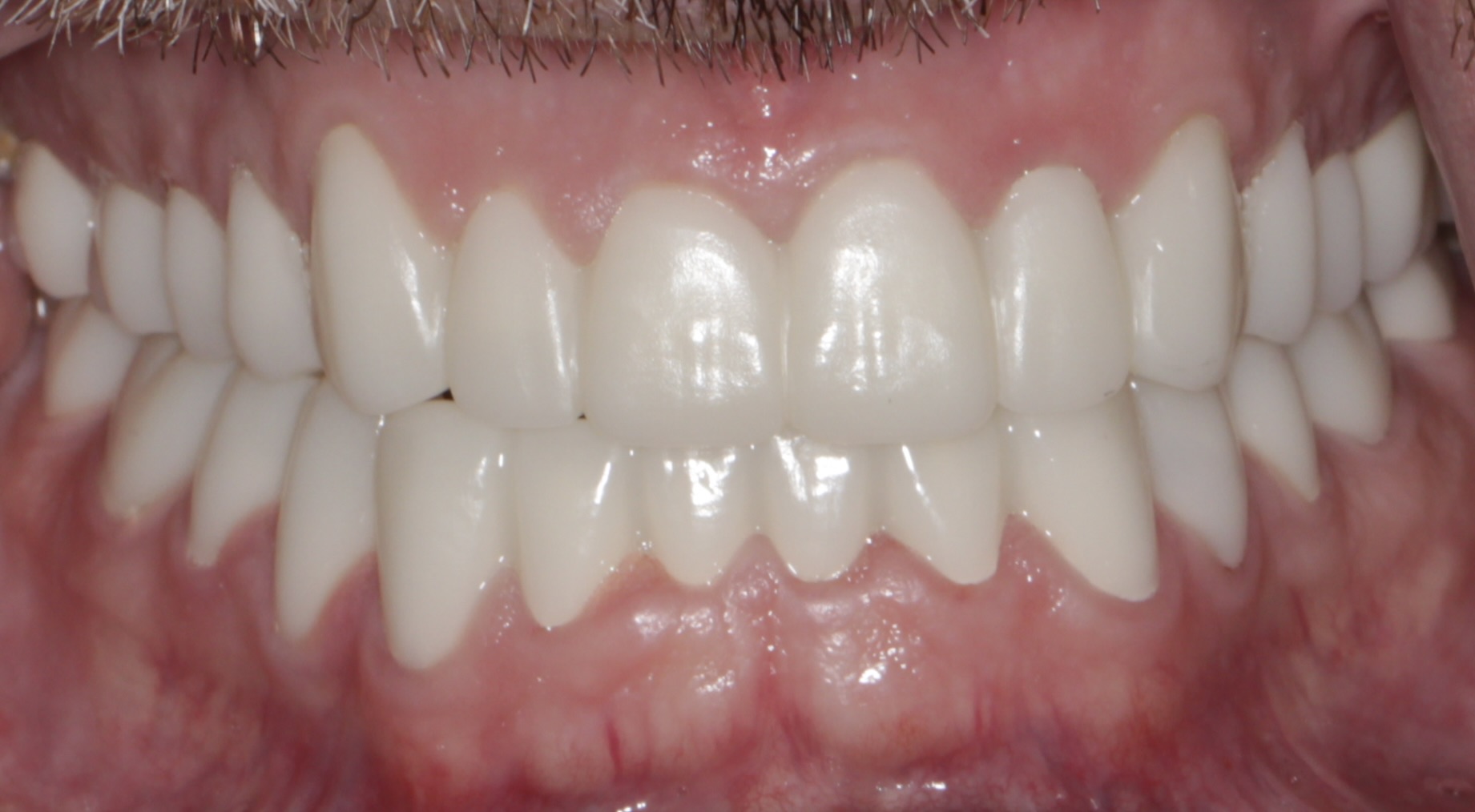
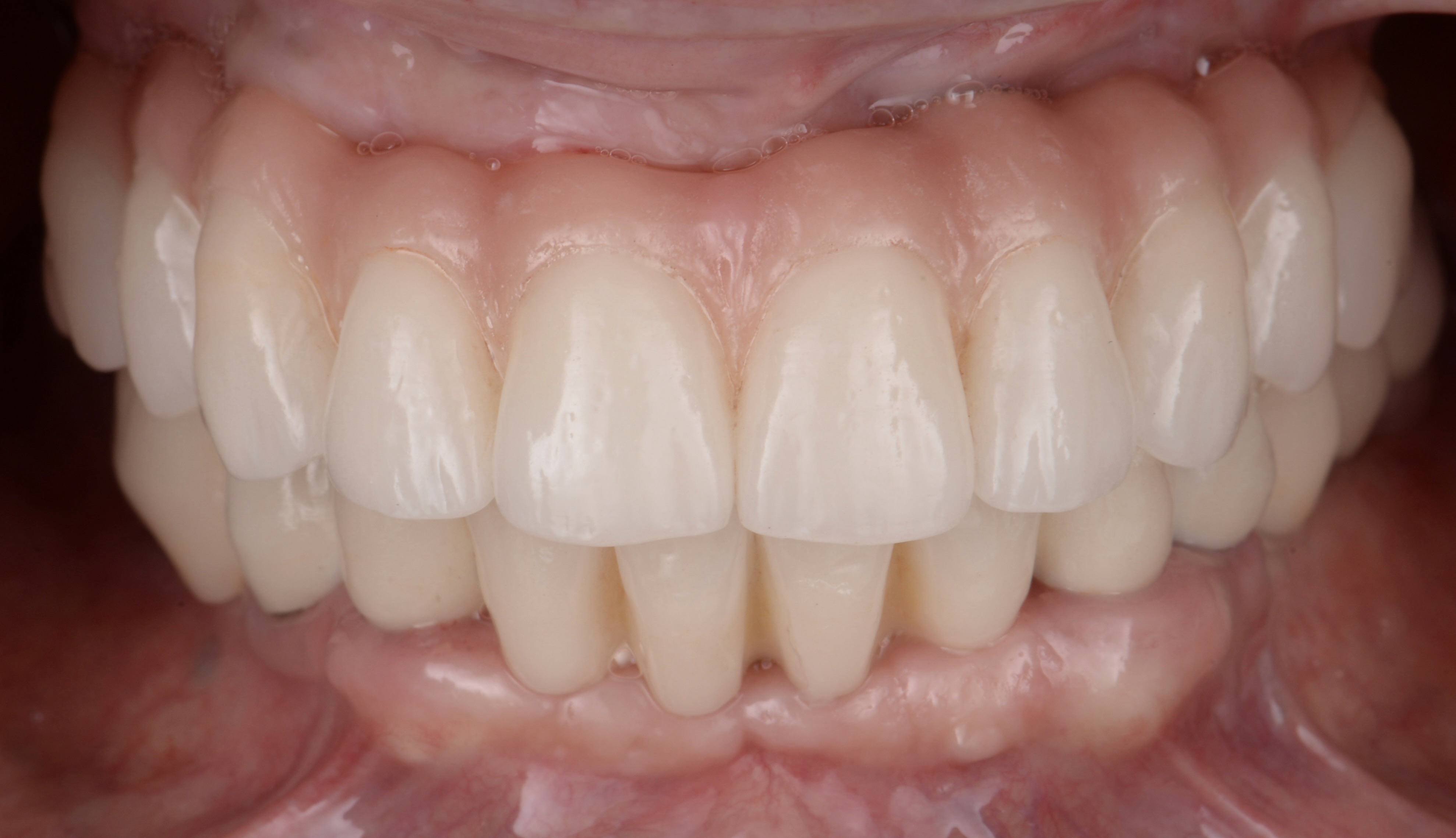
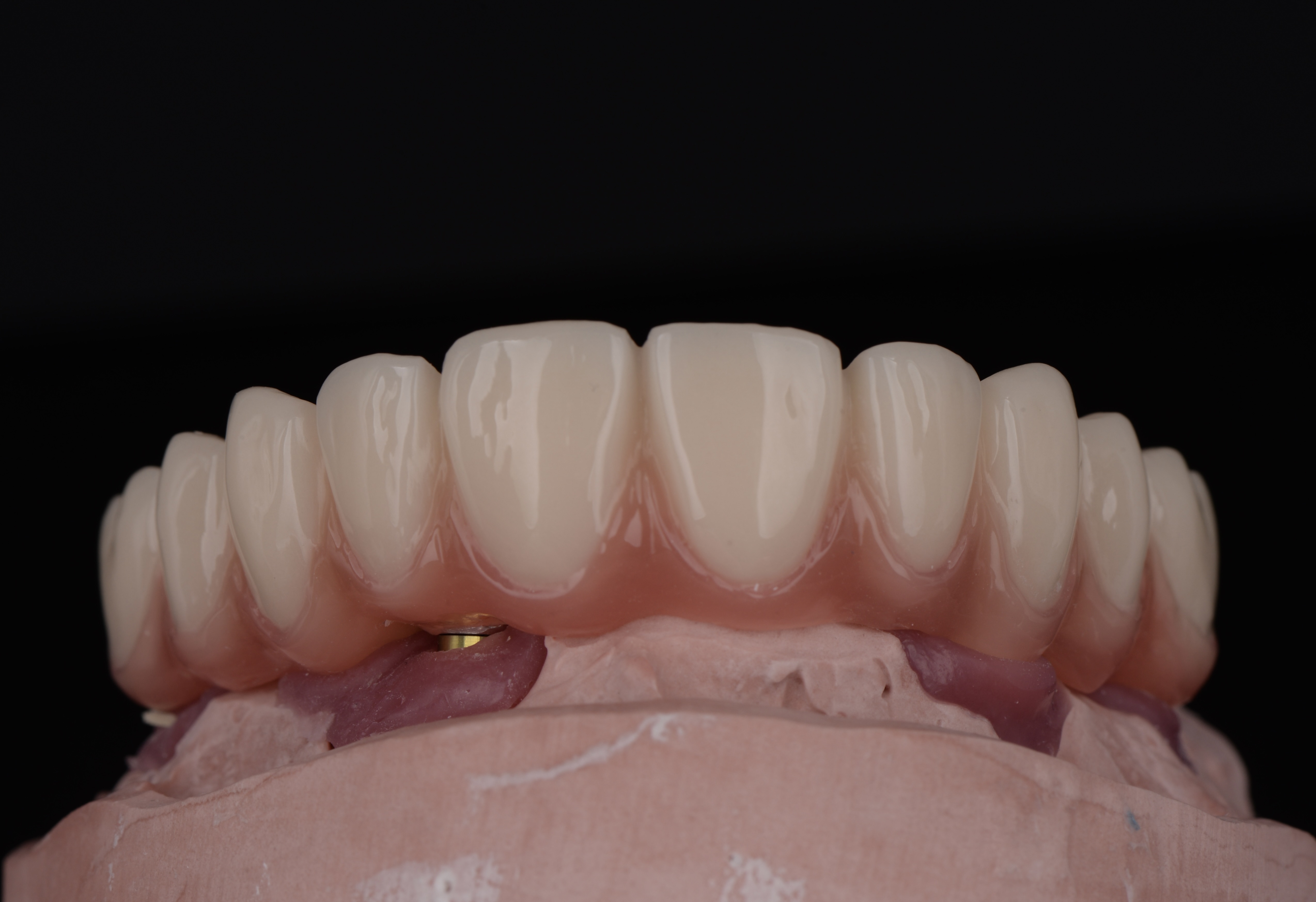
The underside needs smooth, cleansable contours and access for cleaning tools. Cleanability is decided in the design, together with esthetics and function, before the restoration is made. I discuss how design shapes the result in Full-Arch Restorations: Prosthesis Design vs. Restorative Material.
If you cannot reach beneath your bridge, that deserves an evaluation. The difficulty may involve the tools, the technique, or the contours of the restoration itself. Simply telling someone to clean better does not resolve a problem with access.
The right combination of tools depends on the restoration, the available spaces, and your dexterity.
Brushing twice a day. Use a soft manual or powered brush to clean the teeth and the accessible surfaces where the bridge meets the gums.
Cleaning beneath the bridge every day. A water flosser helps flush debris from beneath the restoration and around the implant connections. Floss threaders, implant floss, or correctly sized interdental brushes may also be needed for surfaces a toothbrush cannot reach. Each tool has a different role, and the routine is matched to your bridge.
Choosing suitable products. Use a low-abrasive toothpaste compatible with the restorative material. Avoid forcing brushes or floss into tight spaces. If floss catches or shreds, have that area checked.
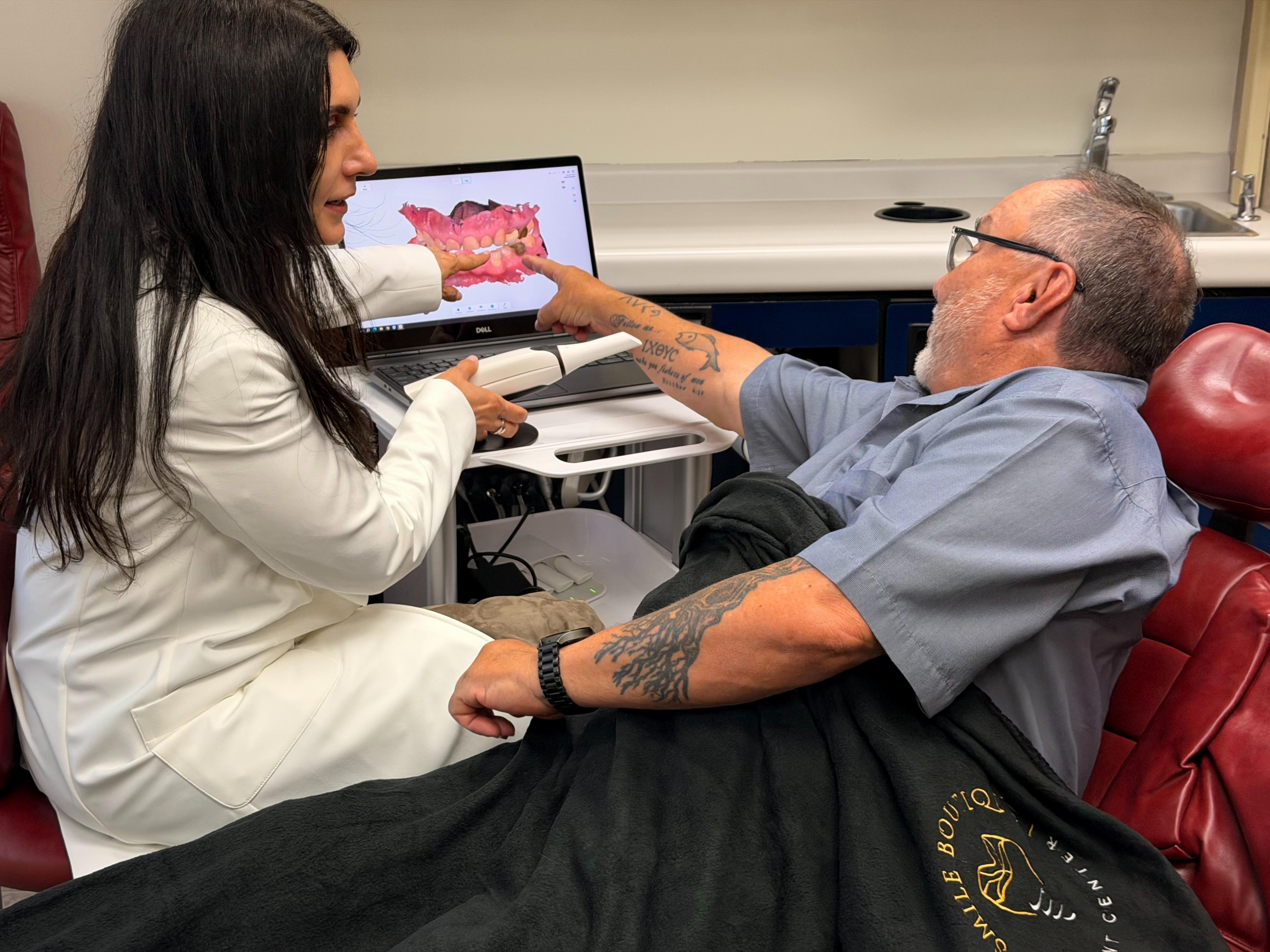
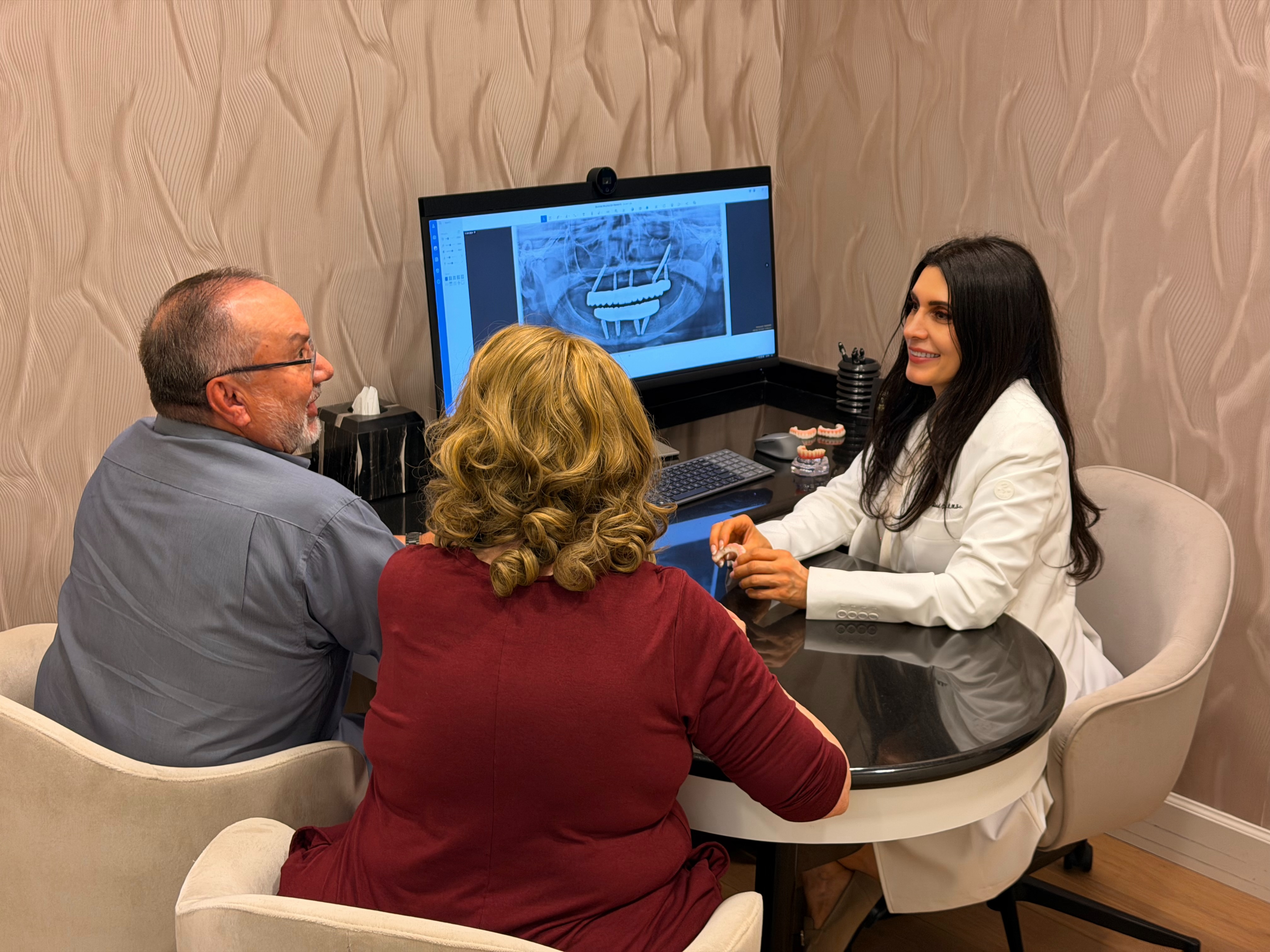
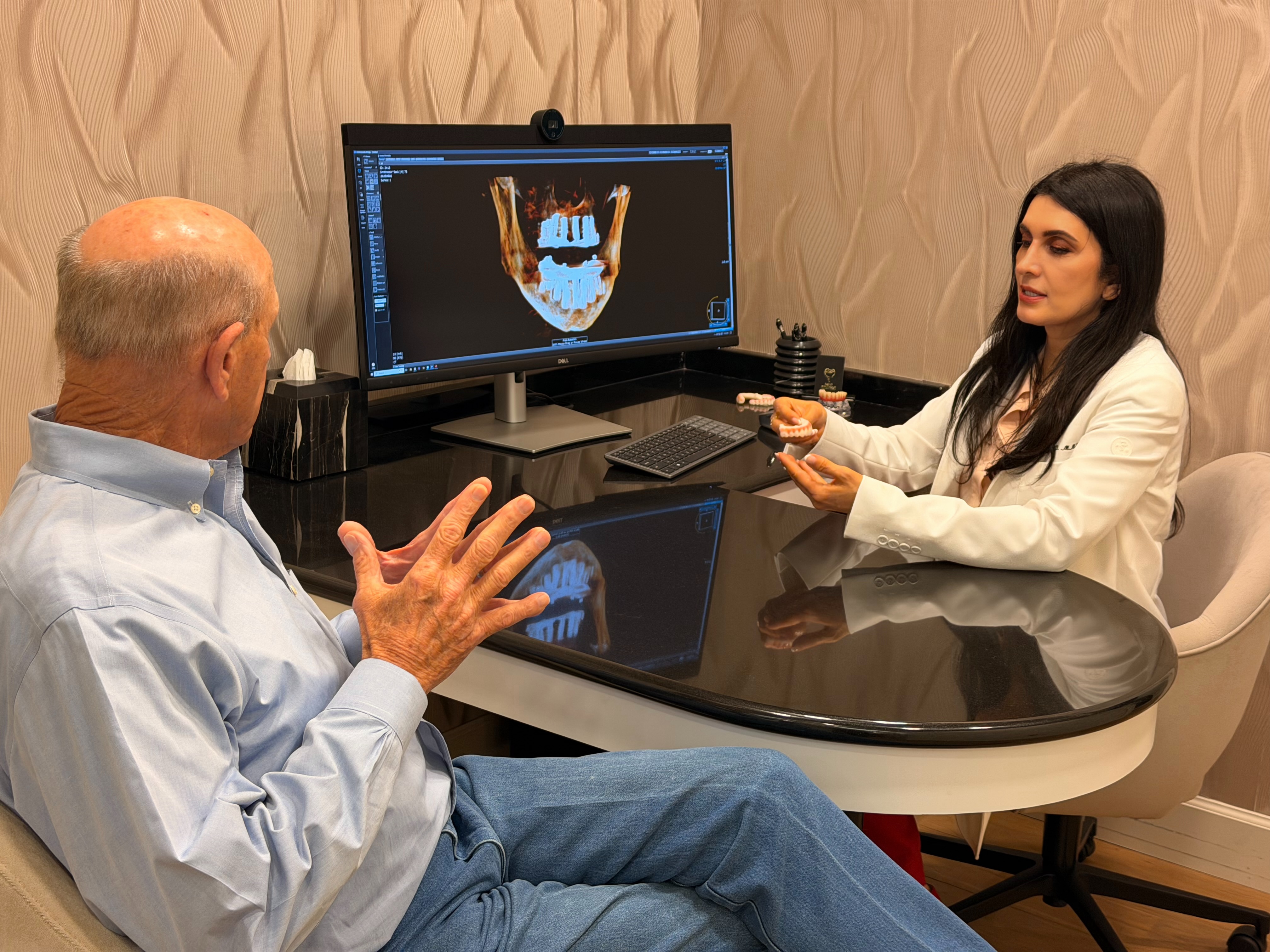
At delivery, I show each patient how to reach the areas that need cleaning and have them practice. At maintenance visits, I check whether that routine is working and adjust it when necessary.
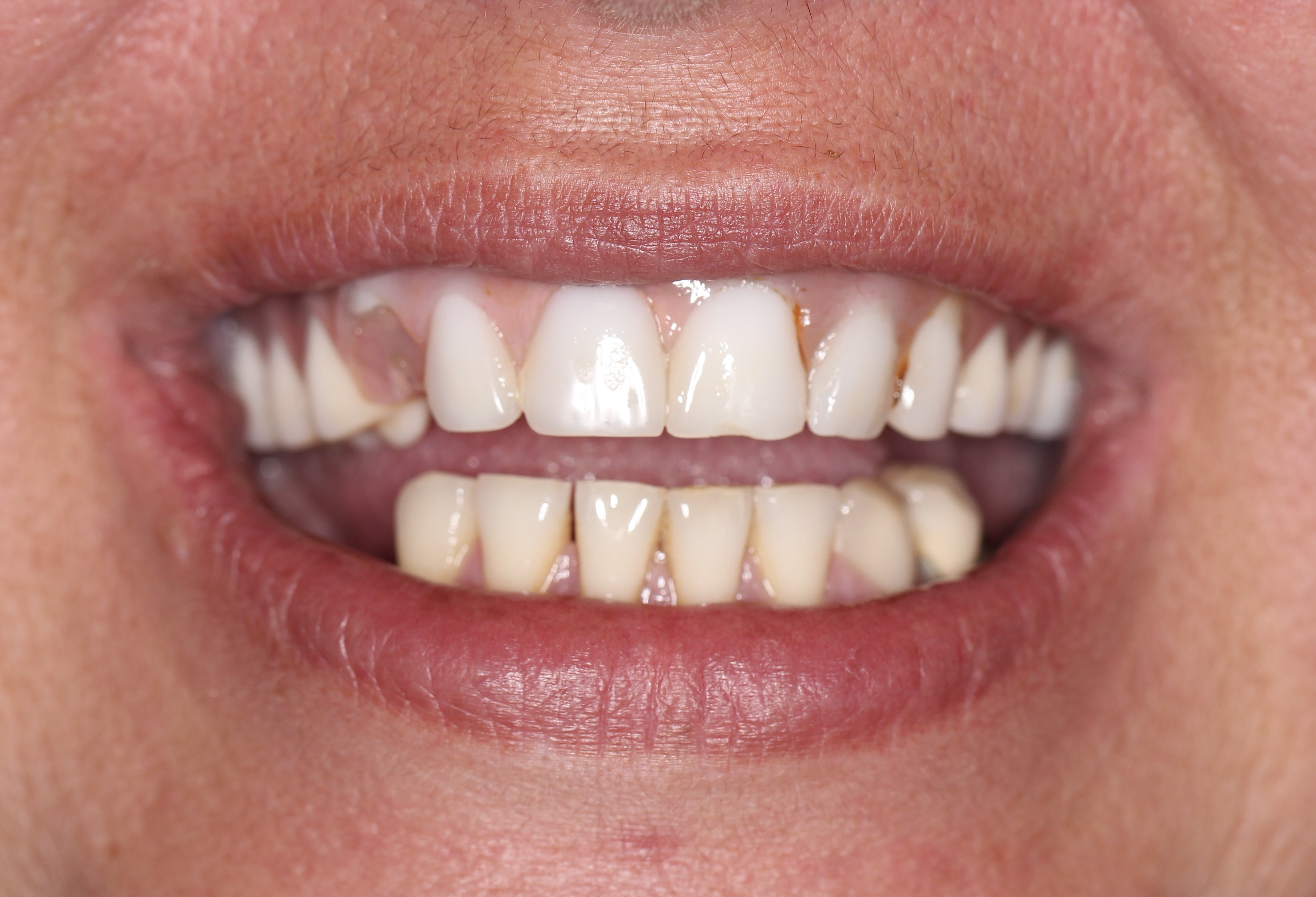
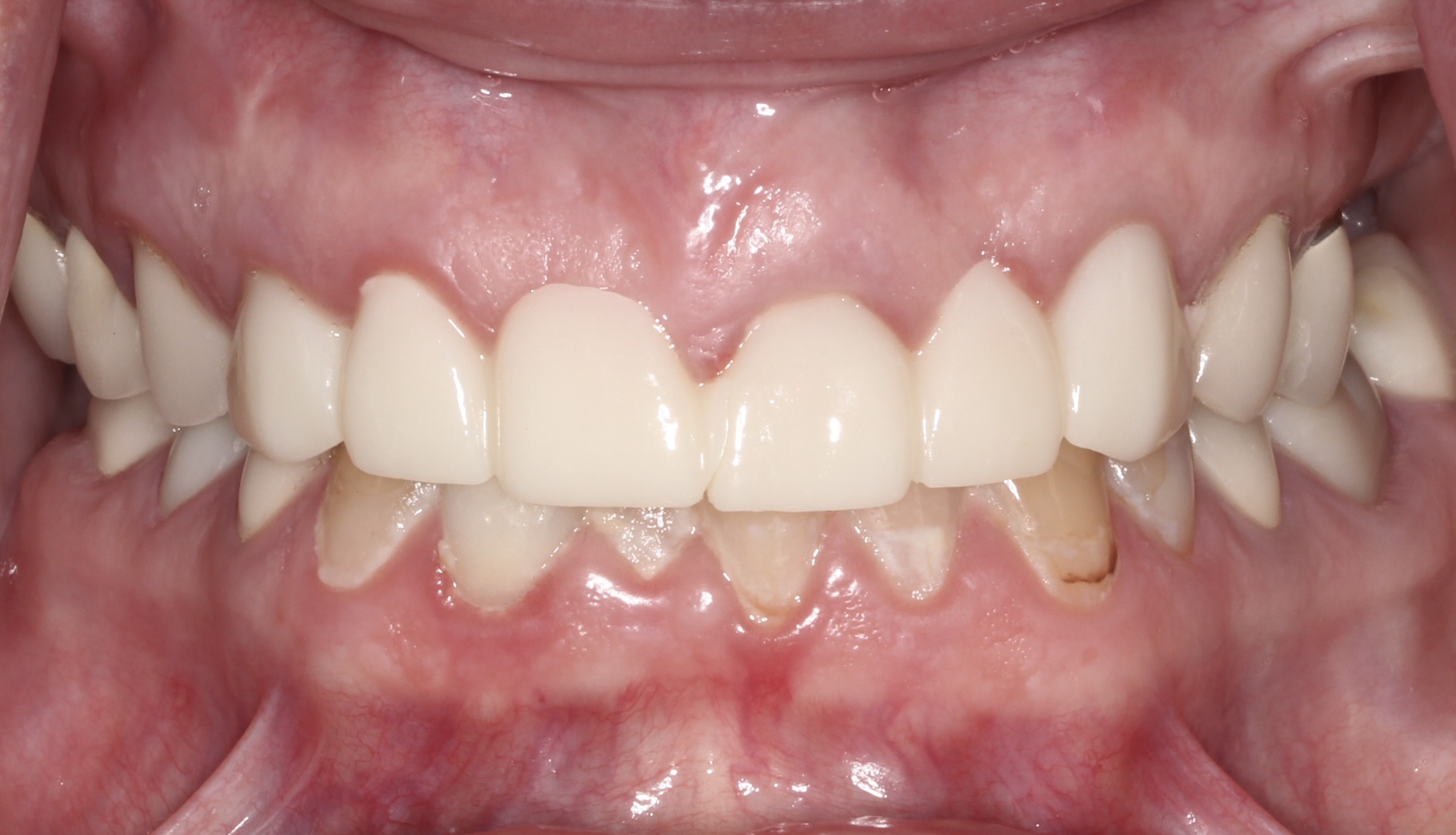
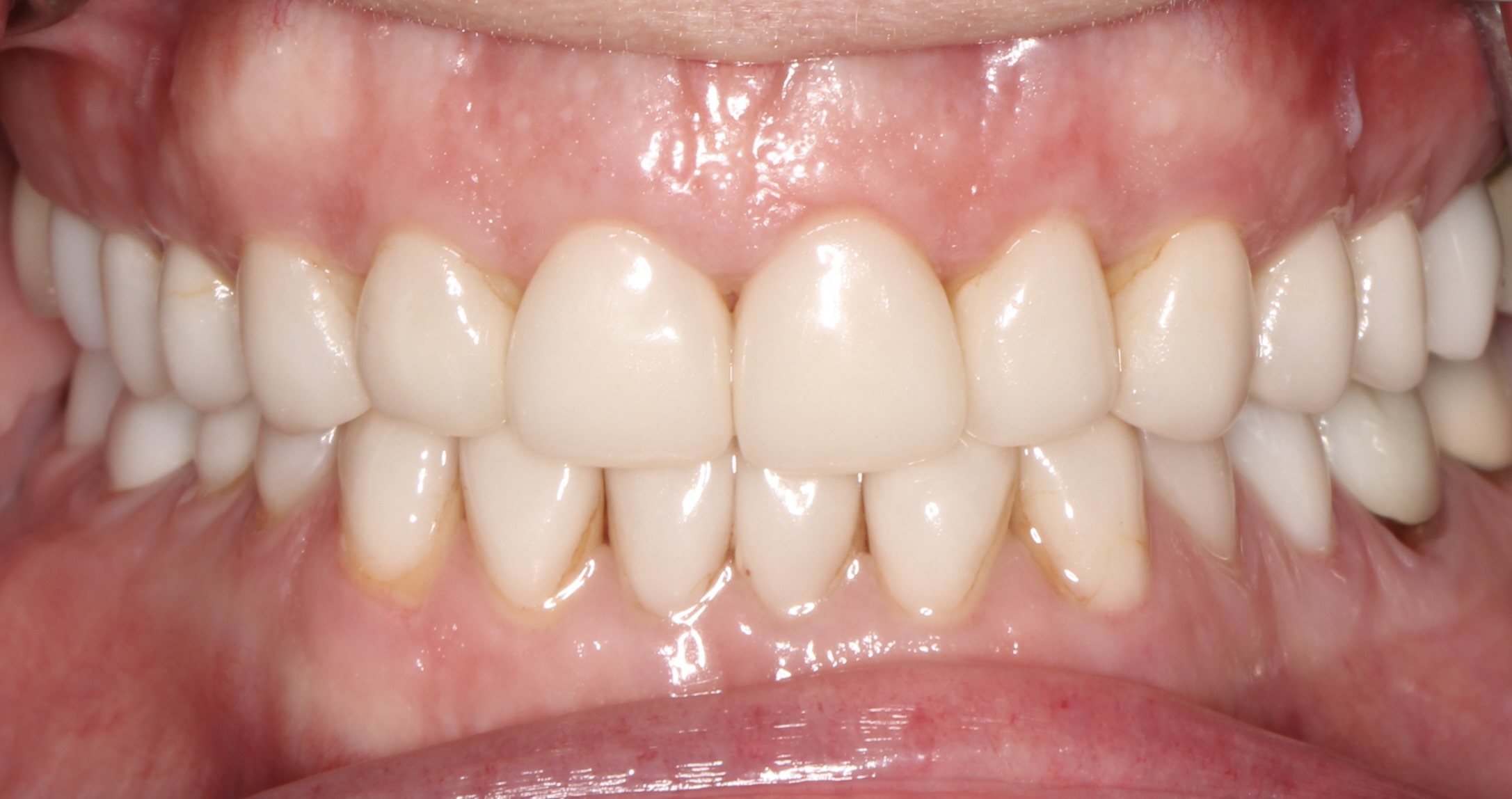
Maintenance includes professional cleaning and an examination of the tissues, bite, and restoration. I look for inflammation around the implants, areas that are difficult to clean, wear or damage, and signs of instability in the bridge or its components. Radiographs, taken periodically or when there are signs of a problem, allow comparison of the supporting bone over time.
The American College of Prosthodontists recommends maintenance visits every two to six months, according to individual risk. The appropriate interval depends on tissue health, any history of periodontal disease, medical conditions, and how effectively you can clean at home.
Not at every visit. A stable restoration that can be examined and professionally cleaned in place does not need routine removal.
Removal may be necessary when deposits cannot be reached, disease around an implant requires better access, or a problem with the fit or components needs investigation. The decision follows the clinical findings.
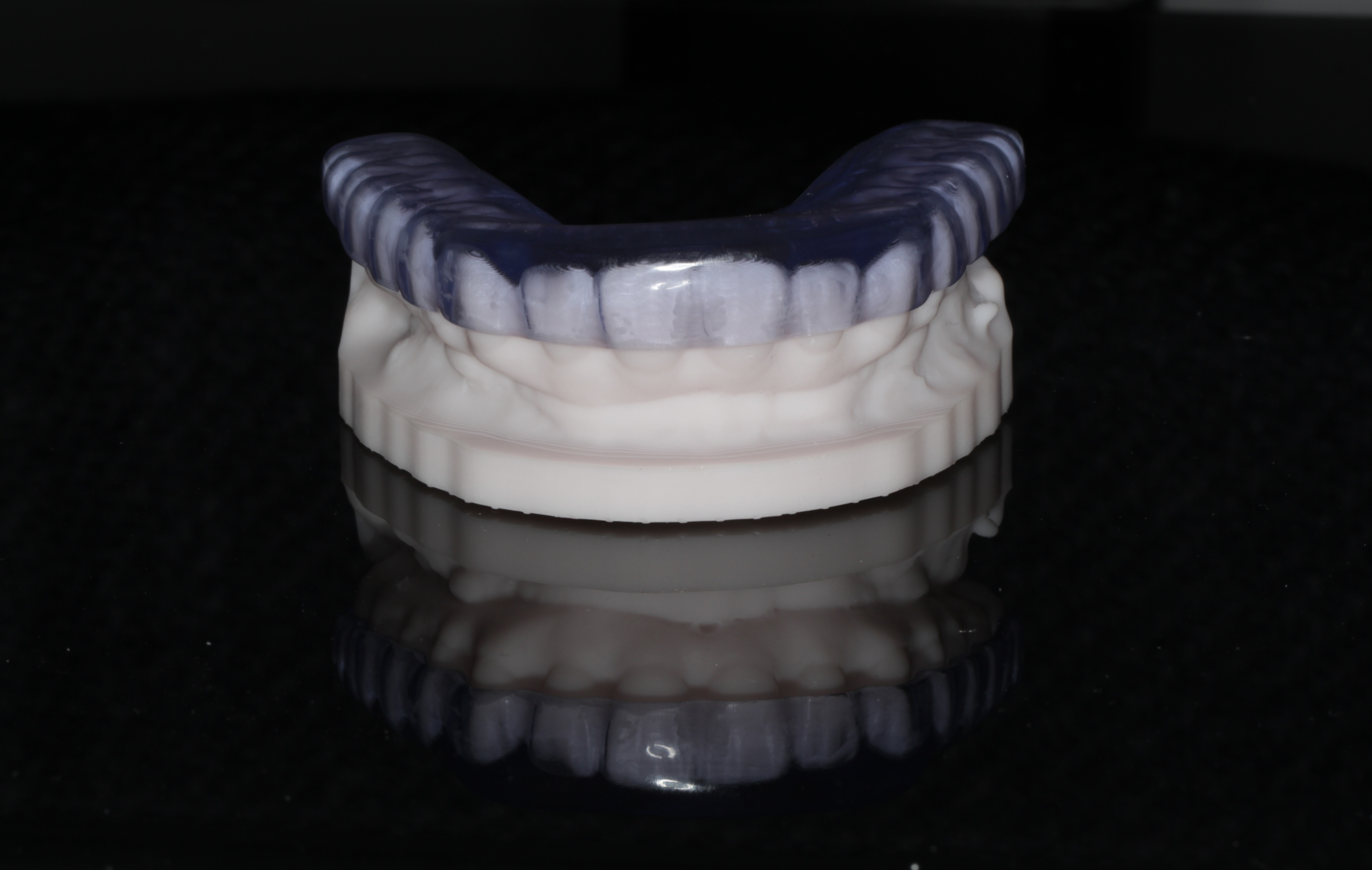
For patients who clench or grind, I prescribe an occlusal appliance to help protect the restoration. It does not stop grinding, and its fit and wear are checked over time.
Avoid chewing ice, bones, pens, or other hard objects that can damage the bridge. Avoiding tobacco and managing diabetes, when present, are also important for the health of the tissues around the implants.
Contact the office if you notice bleeding, swelling, persistent odor or a bad taste, discomfort, a change in your bite, movement, or a chip. Difficulty cleaning an area you could previously reach also deserves attention.
Do not wait for pain before reporting a change. Problems around implants can develop without significant discomfort, which is one reason regular examinations remain necessary even when the bridge feels comfortable. When something has broken or loosened, I explain the options in Broken or Loose All-on-4: Repair or Remake?, and what affects longevity in How Long Does All-on-4 Last?
This article provides general education and does not replace an individual examination. Cleaning instructions and maintenance needs vary with the restoration and the patient’s clinical condition.