What Affects the Cost of Veneers?
“How much is a veneer?” It is one of the most common questions my front desk hears on the phone. It sounds simple. It is not. A veneer is not a product with a fixed price. It is a dental procedure, and its scope is determined by examining the teeth, the bite, and the smile.
The cost of veneers varies because the treatment behind them varies: how many teeth are involved, how much design and planning the smile requires, who crafts the porcelain, and what the teeth and bite need before and during treatment. Two offices quoting “veneers” may be describing very different work.
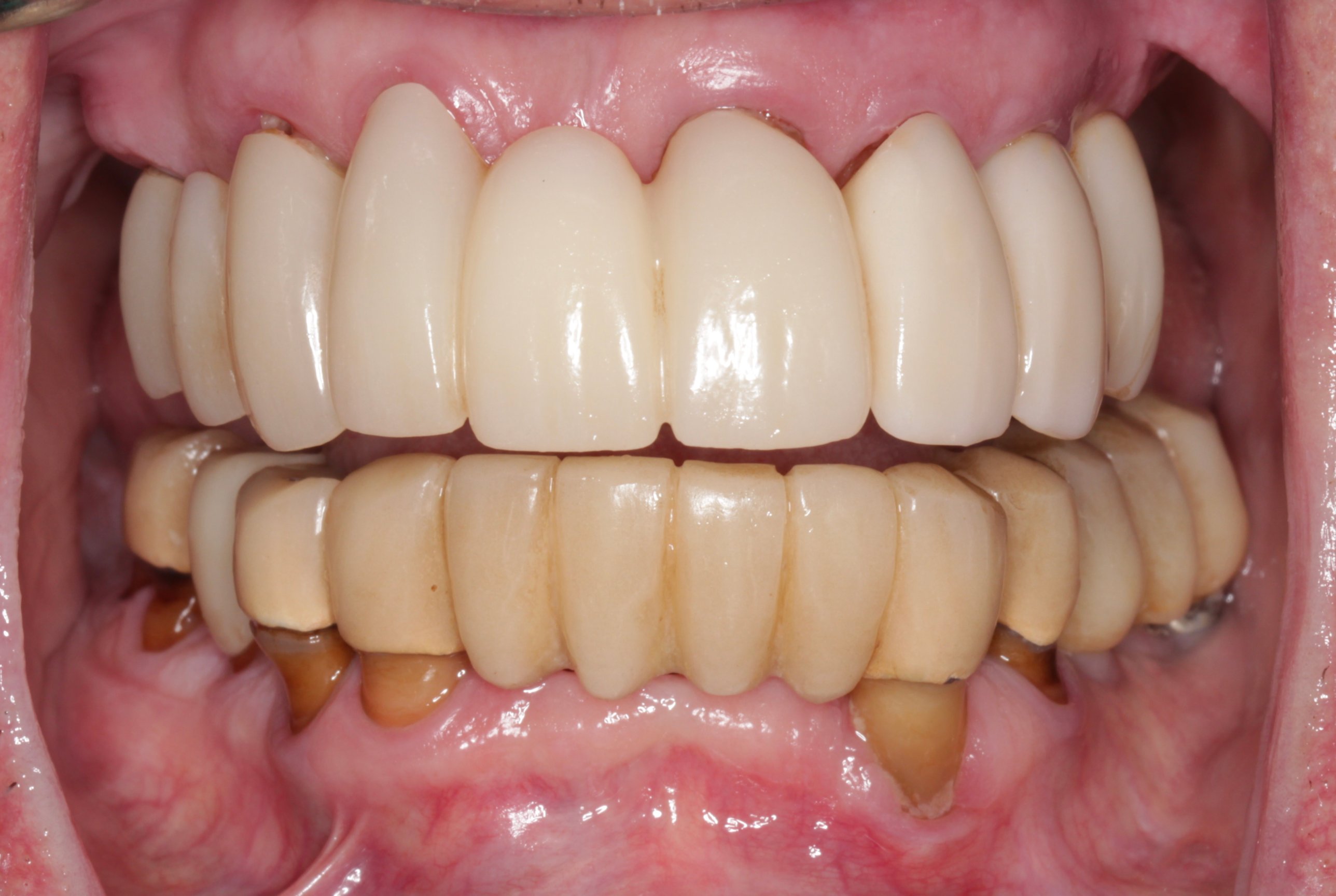
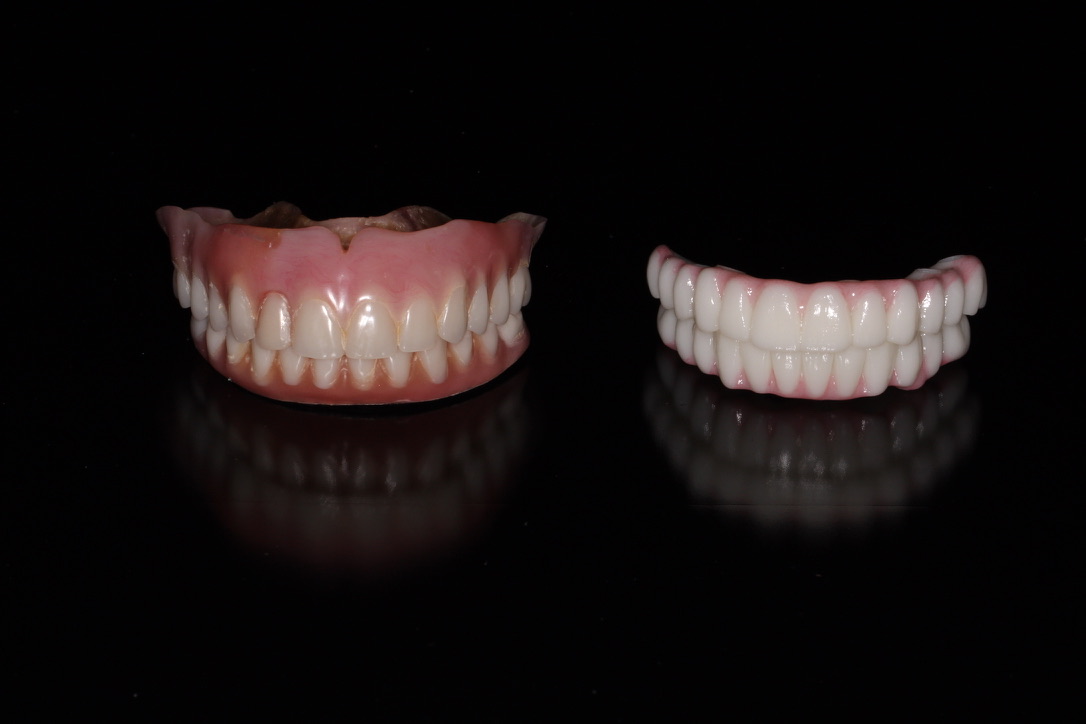
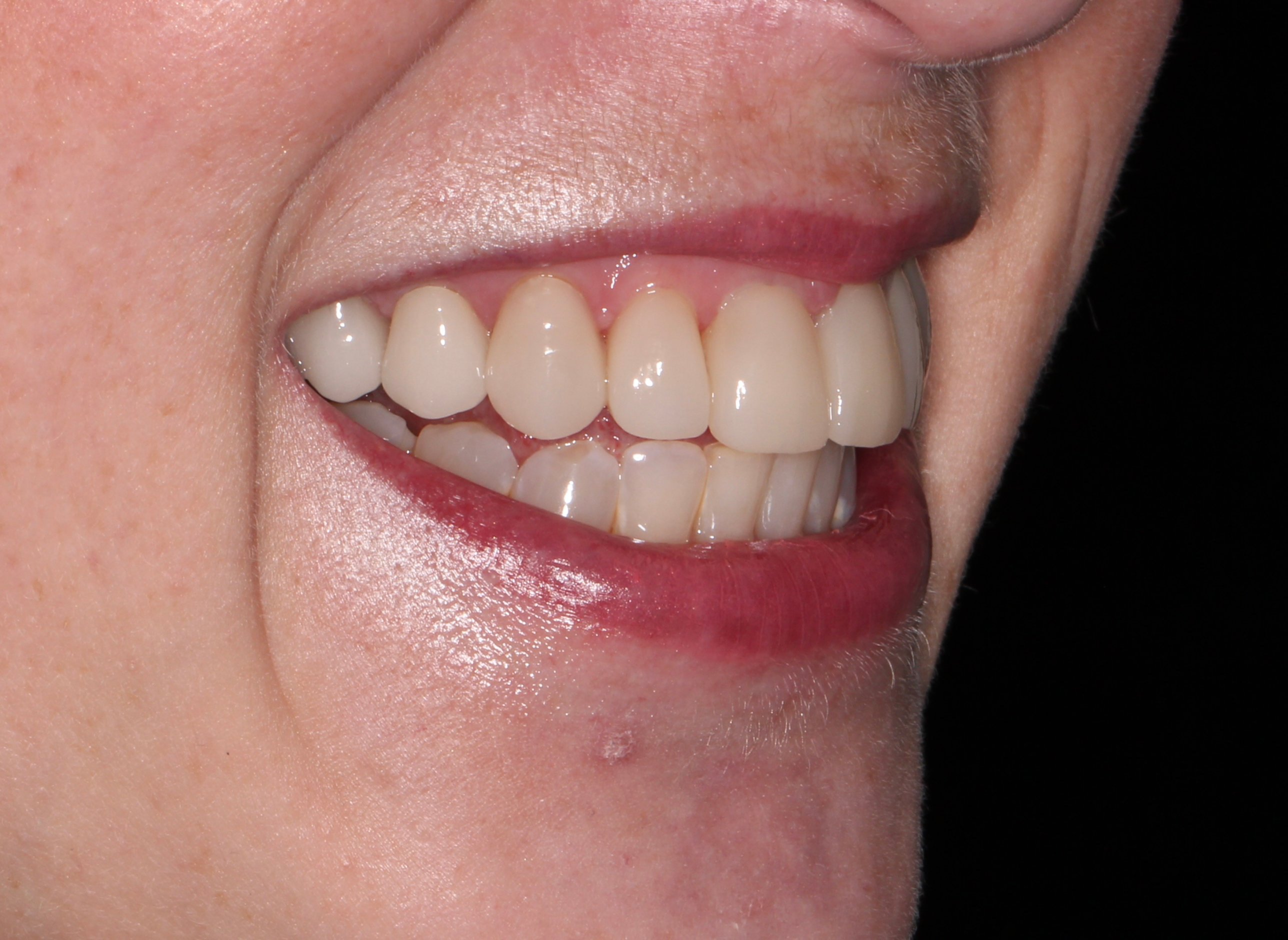
A porcelain veneer is a thin ceramic restoration bonded to a tooth. The planning, the preparation, the bite, and the skill of the ceramist determine whether the finished smile looks natural and holds up over time.
Some patients need one or two veneers to correct a single tooth or blend with existing work. Others need a full smile design across the teeth visible when they speak and smile.
The number of teeth is a design decision. I evaluate the smile in the context of the face, the lips, the gum line, and the neighboring teeth. Changing two central incisors may be enough, or the proportions may balance only when the adjacent teeth are included. Some teeth already fit the design and need nothing. Others are well served by bonding or contouring, with porcelain reserved for the teeth that need it. I make that determination tooth by tooth, based on the design, the condition of each tooth, and the bite.
Much of what separates veneer cases happens before any porcelain is made. For anything beyond a minor change, I build a diagnostic design that establishes tooth length, width, position, and the relationship to the lips and bite. A mock-up lets me assess the proposed shape in the mouth. When preparation is needed, the provisionals give me another opportunity to evaluate speech, appearance, comfort, and the bite before the final veneers are made.
Our in-house digital dental lab keeps clinical and laboratory decisions closely connected. I direct the design and ceramic refinement and collaborate with master ceramists when a case calls for it. Reproducing translucency, surface texture, and subtle color differences takes time and skill, particularly when matching a single tooth or making several restorations look natural together.
Veneers live inside the bite. Front teeth often guide the jaw as it moves, so their contacts and the forces the restorations will face are part of the design. Before treatment, I examine how the teeth meet, how the jaw moves, and whether there are signs of clenching or grinding.
Preparation follows the planned result. Some teeth can receive veneers with little or no reduction. Others need space created for the planned contour and color. I preserve enamel wherever possible without creating bulky or poorly supported restorations, because veneers bond most reliably to enamel. A systematic review of ceramic veneers reported favorable long-term survival. I explain how much preparation veneers actually need in do veneers damage your teeth?
The most conservative path to the planned result sometimes begins with something other than veneers. Whitening the surrounding teeth first lets me match the veneer shade once the new natural color has stabilized. Limited orthodontics can move crowded or rotated teeth into a better position, so less tooth structure is removed to achieve the planned shape. These steps change the scope of treatment and often improve the result.
A tooth with extensive structural damage may need a crown or another restoration while its neighbors receive veneers. Root canal treatment alone does not decide that choice; the remaining tooth structure and functional demands do. Restorations within the same smile are designed together so they match in color and character. How that choice is made is covered in veneers or crowns: how the right restoration is chosen.
Ask whether the fee is per tooth and which parts of care it includes: diagnostic records, design, mock-ups, provisionals when needed, final ceramic work, bonding, and follow-up. Whitening, orthodontics, gum treatment, or a protective appliance may be separate. A fee for one veneer cannot tell you the total cost of a smile plan until the teeth and treatment steps are identified.
What patients are comparing between offices, then, is not simply porcelain. It is the planning, the ceramic work, and the clinical judgment behind each decision. The scope of your own porcelain veneer treatment is something I determine at the examination, tooth by tooth.
Results and treatment needs vary from patient to patient. This article is for general educational purposes and does not replace an individual clinical examination, diagnosis, or treatment recommendation.