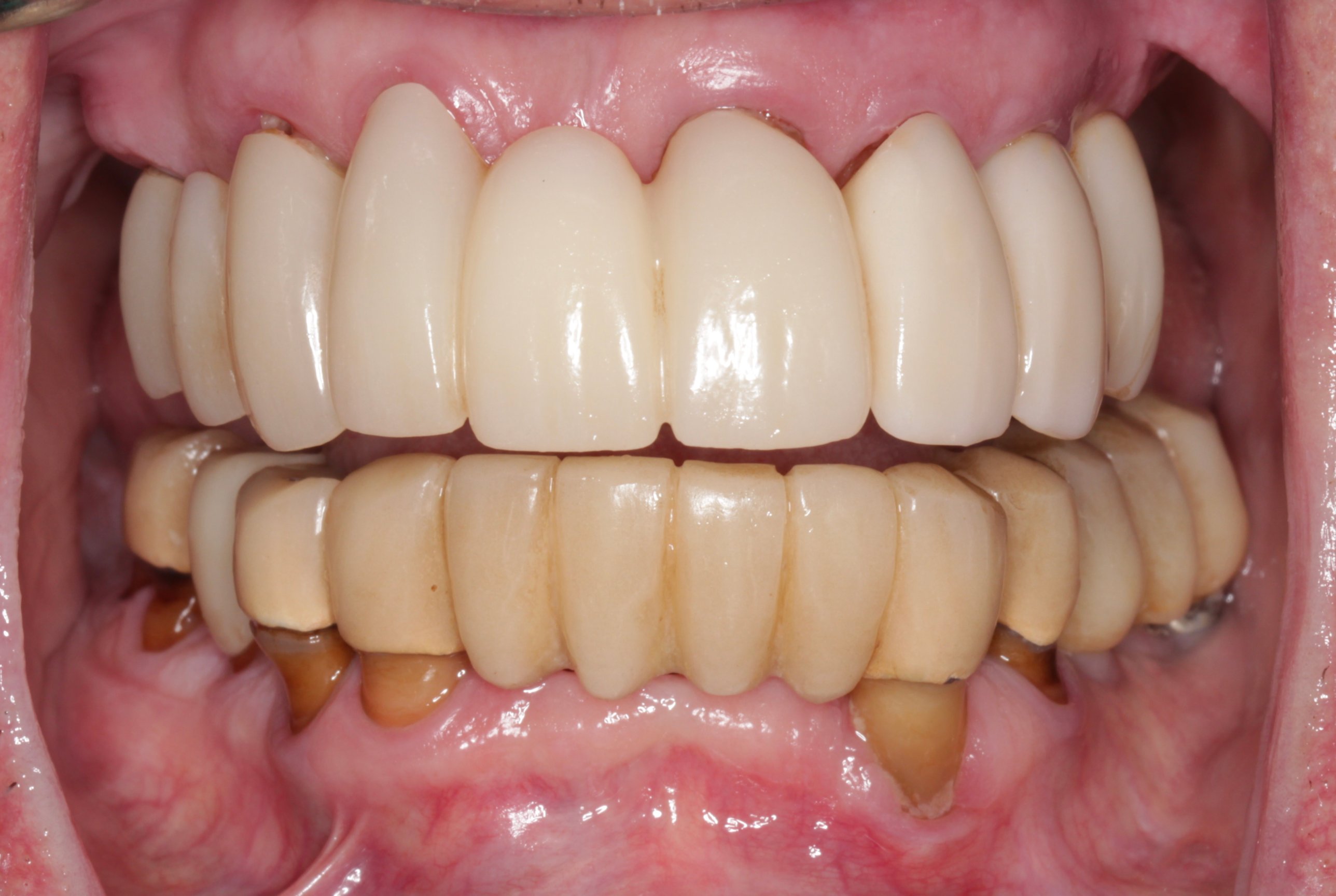
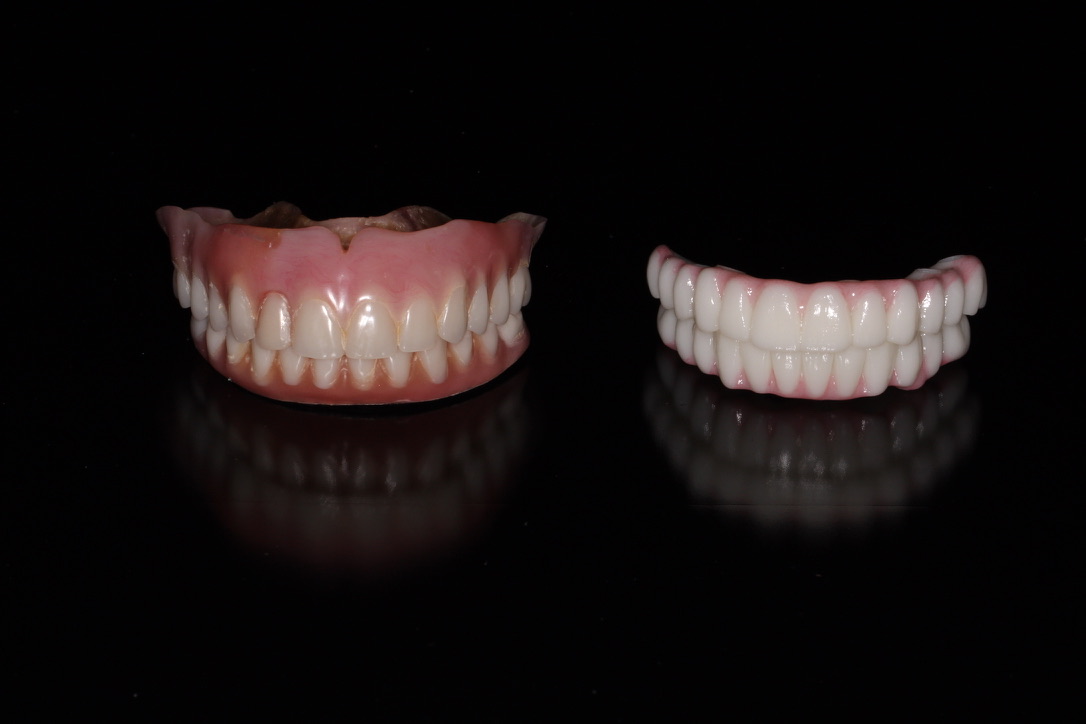
Do Veneers Damage Your Teeth?
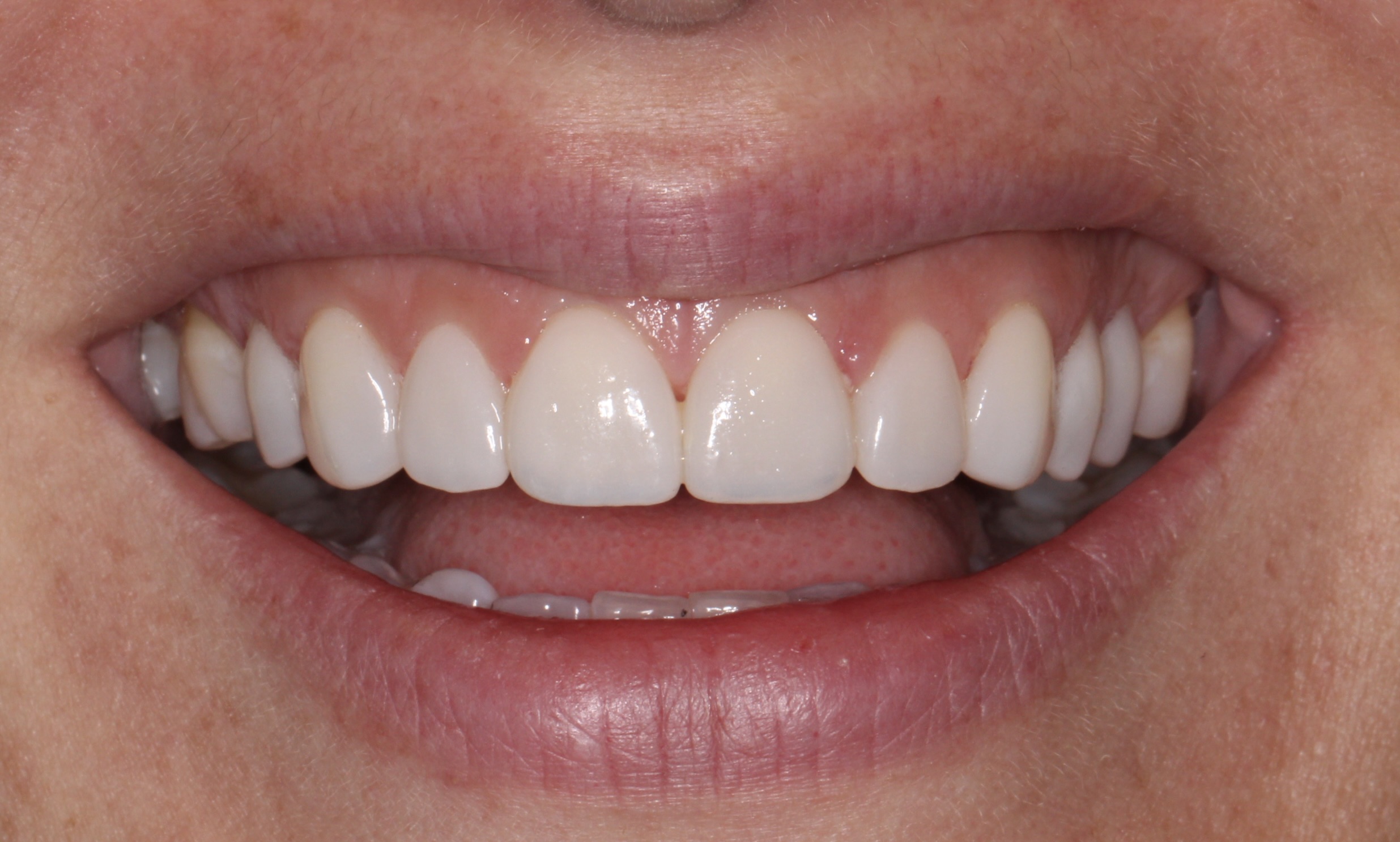
Well-planned porcelain veneers usually need only limited reduction of the front surface of the tooth, and sometimes none. Teeth shaved down to small pegs have been prepared for crowns, not typical veneers.
Patients who ask this question have often seen those photographs, frequently labeled “veneers” online, and worry that veneers would mean the same for their own smile. A crown can be the right restoration for a tooth that is already substantially broken down. Reducing a largely healthy tooth that far simply to change its appearance is a different decision.
Even limited preparation is irreversible, which is why how much is removed, and why, matters.
A veneer covers the front of the tooth and, depending on the design, may extend over the biting edge or onto the sides. Preparation creates room for the porcelain within the intended shape of the finished tooth. Without that room, the result becomes bulky or overly prominent.
How much room is needed depends on where the tooth starts and what is changing. A small tooth, or one positioned inward, may need very little preparation and sometimes none. A tooth that sits forward in the arch, or a dark tooth that needs substantial color correction, needs more. Minimal or no-preparation veneers are appropriate when porcelain can be added while maintaining natural contours, a healthy relationship with the gums, and a sound bite.
Enamel is the most reliable surface for bonding porcelain. Research shows that veneers bonded to enamel are far less likely to fail than veneers bonded largely to the dentin beneath it. A limited area of exposed dentin does not rule out a veneer, but removing more enamel than necessary gives up one of the treatment’s greatest advantages.
Excessive reduction also increases the risk of sensitivity and of inflammation in the pulp, the living tissue inside the tooth. Root canal treatment is not a routine part of veneer treatment. It becomes necessary only if the pulp is irreversibly inflamed or loses vitality.
Preparation follows the intended result. I evaluate tooth position, shape, color, existing restorations, remaining enamel, and the bite. For more involved changes, a diagnostic design and mock-up establish the planned contours, showing where porcelain will be added and where space must be created. Reduction is then guided by that plan rather than by the existing tooth.
When a planned change would require removing substantial healthy structure, I look for another way to achieve it. Orthodontic movement of a prominent tooth, or whitening before treatment, can reduce how much the veneers need to accomplish.
A tooth with a large filling, a fracture, or an existing crown may call for a different restoration. I explain that choice in Veneers or Crowns: How Is the Right Restoration Chosen?
Well-planned porcelain veneers preserve the enamel that gives them their strength. The goal is a smile that looks natural, with sound teeth beneath it.
Results and treatment needs vary from patient to patient. This article is for general educational purposes and does not replace an individual clinical examination, diagnosis, or treatment recommendation.