Oral Appliance or CPAP: Who Is a Candidate for Appliance Therapy?

“I refuse to wear a CPAP.” Many patients arrive with that sentence, and with a referral for an oral appliance. The frustration is real, and an appliance can be a good treatment. Refusing CPAP, however, is a starting point, not a diagnosis.
A custom oral appliance can be an effective treatment for obstructive sleep apnea, particularly for patients who cannot tolerate CPAP or prefer an alternative. Whether it can replace CPAP for you depends on your diagnosis and severity, your teeth and jaws, and a decision made together with your sleep physician.
CPAP generally reduces breathing interruptions and improves oxygen levels more effectively than an oral appliance, and it remains particularly important in severe disease. An appliance is still an appropriate choice for many patients, because treatment works only when it is used consistently.
In obstructive sleep apnea, the upper airway repeatedly narrows or closes during sleep. A mandibular advancement appliance holds the lower jaw forward, supporting the tongue and surrounding tissues so the airway is less likely to collapse. It treats obstruction. Central sleep apnea has a different mechanism and is not treated with an appliance.
A custom, adjustable device lets me titrate the jaw position gradually. The amount of advancement is individualized, not simply the maximum the jaw can reach.
An oral appliance is most often used for mild to moderate obstructive sleep apnea, and for primary snoring once sleep apnea has been excluded. The joint AASM and AADSM guideline supports appliance therapy for adults with OSA who cannot tolerate CPAP or prefer an alternative. The AADSM’s updated practice standards also recognize oral appliances as an initial treatment option for selected patients.
In severe OSA, an appliance is considered when CPAP cannot be used, with close attention to whether it controls the disease adequately. At any severity, quieter snoring or better daytime energy does not prove that breathing and oxygen levels are adequately treated.
Snoring, daytime fatigue, and morning headaches can suggest sleep apnea, but they cannot measure it. Diagnosis requires a sleep study interpreted by a physician, who determines whether sleep apnea is present, how severe it is, and what treatment is appropriate.
Before I treat snoring with an appliance, a physician first rules out sleep apnea, because quieter snoring can mask untreated disease. For diagnosed OSA, I work with the sleep physician to provide and manage the appliance as part of the treatment plan.
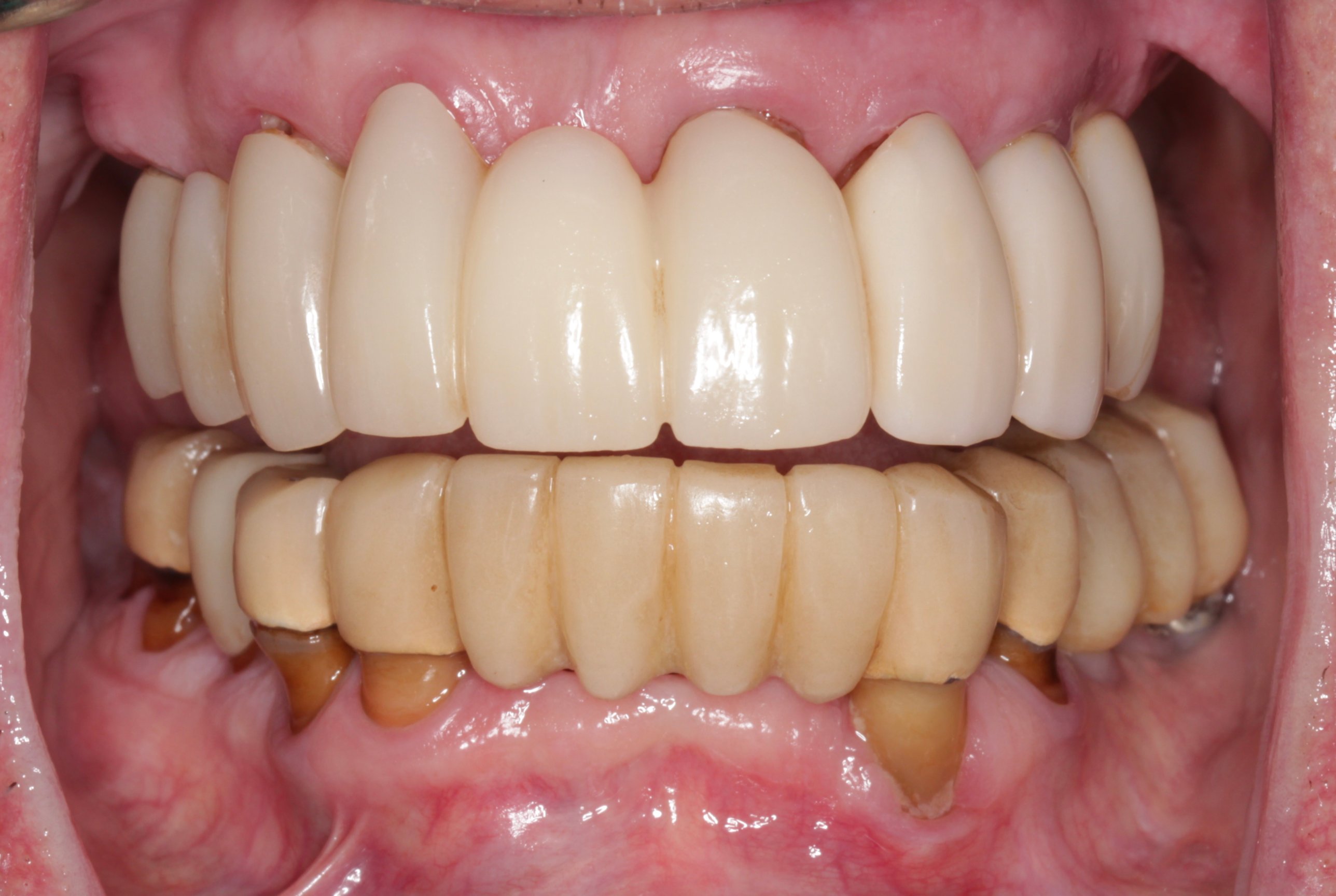
An appliance is anchored by the teeth, so the mouth must be able to support it. I evaluate:
Because the appliance repositions the jaw for hours each night, the jaw joints and the bite deserve careful attention. Patients with jaw symptoms are evaluated thoroughly first, and my approach to TMJ treatment informs how the appliance is designed and adjusted. Long-term appliance use can change how the teeth meet, which is why ongoing dental follow-up is part of treatment.
Appliance therapy and CPAP are not always an either-or choice. Some patients use an appliance for travel, once it has been shown to provide adequate treatment on its own. Others use both together under their sleep physician’s direction, and in selected cases the combination allows a lower CPAP pressure. Moving between treatments follows a plan agreed with your physician.
Appliance therapy is a shared responsibility. Your sleep physician diagnoses the condition, prescribes treatment, and confirms its effectiveness with follow-up sleep testing once the appliance has been adjusted. I evaluate the mouth, design and fit the appliance, refine its position, and monitor the teeth, bite, and jaw joints over time.
If you have a diagnosis of obstructive sleep apnea and are struggling with CPAP, or your physician has recommended an oral appliance, you can learn more about sleep apnea treatment here. Whether appliance therapy fits your care is determined through a thorough evaluation, in coordination with your physician.
Results and treatment needs vary from patient to patient. This article is for general educational purposes and does not replace an individual clinical examination, diagnosis, or treatment recommendation.