Traveling to Austin for Prosthodontic Care
Traveling to Austin for full-mouth or full-arch treatment is practical when the treatment, travel, and follow-up are planned together. Reviewing records before arrival makes the first visit more productive, but complex care commonly requires multiple visits and time for healing and adjustments.
Consider a typical situation. A patient from another state has been told different things by different offices: crowns here, extractions there, All-on-4 somewhere else. No one has looked at the whole picture, so the patient travels to Austin. That is a reasonable decision, if the travel is planned as carefully as the treatment.
Patients who ask this question are weighing the treatment they want against the logistics of getting it. A full-mouth or full-arch restoration is a significant undertaking, and where it is done, and by whom, shapes the result for years.
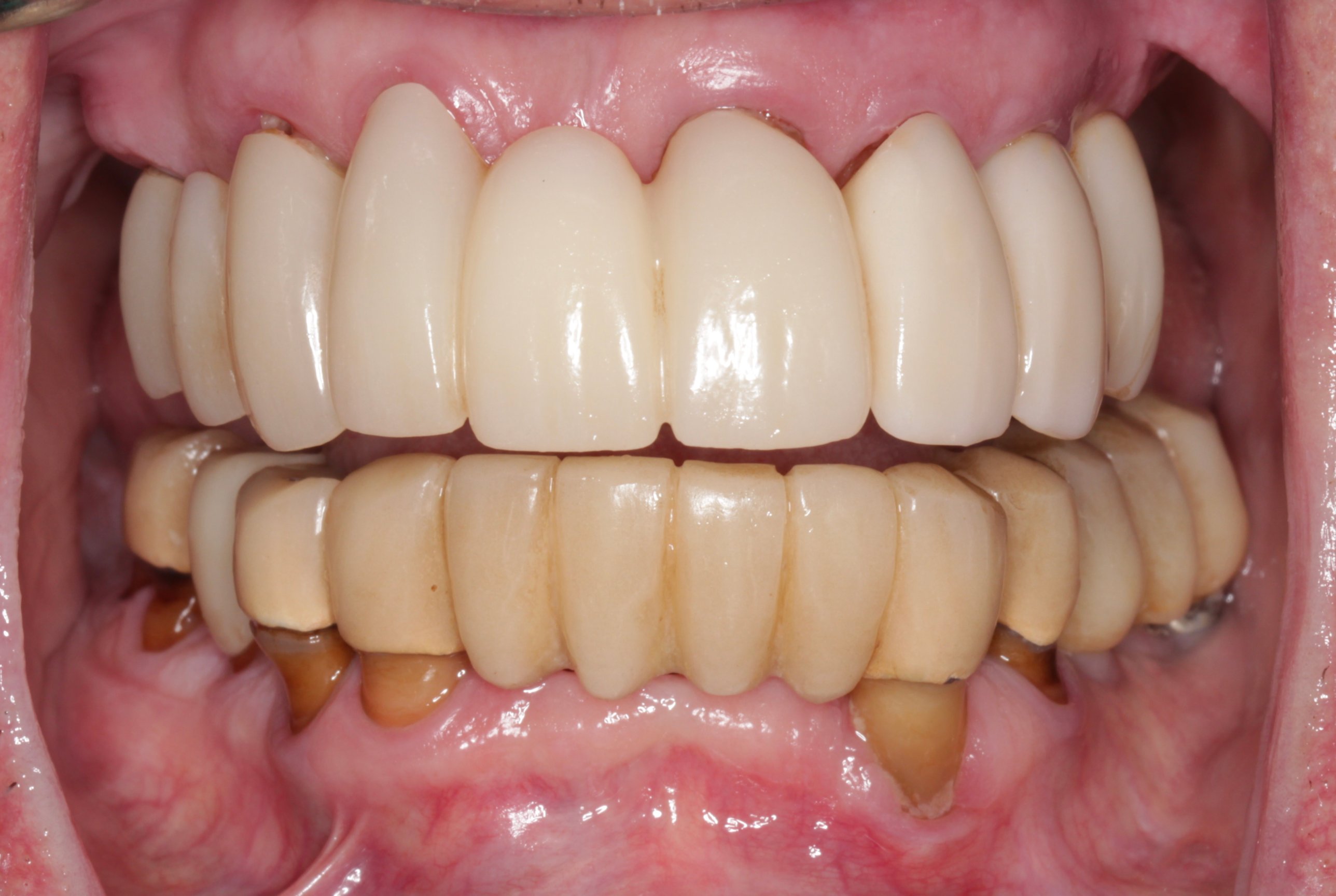
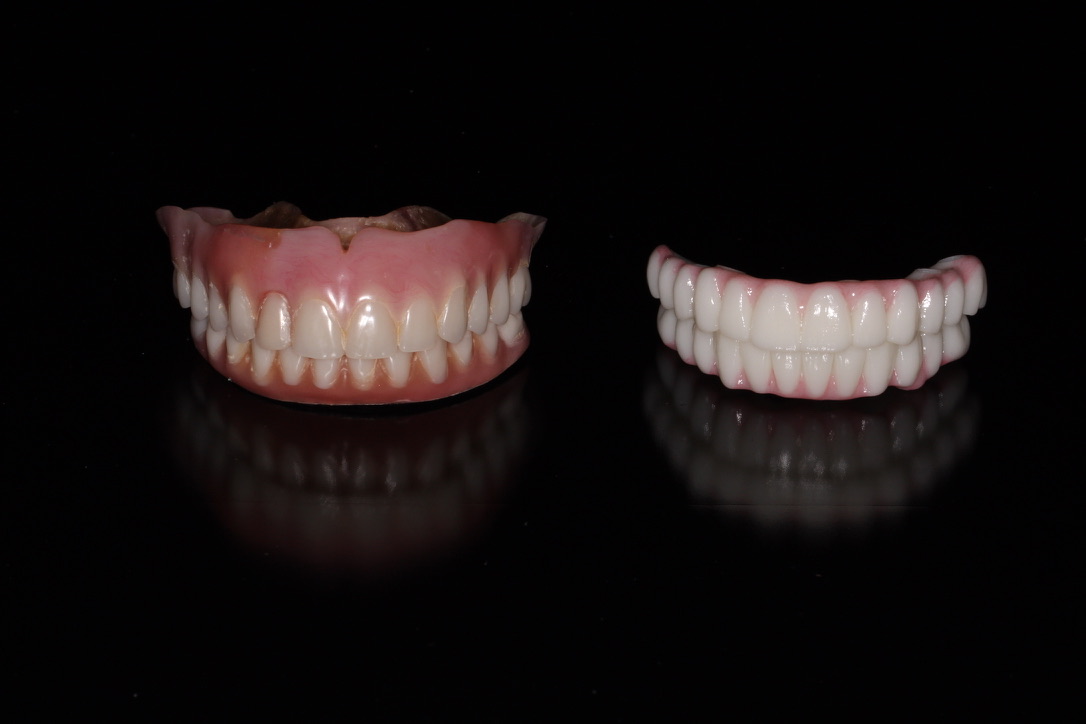
The patients who travel to see me tend to share a few circumstances. Some have complex needs, such as severe wear, a collapsed bite, failing restorations throughout the mouth, or a full-arch implant restoration that never felt right. Others have heard different opinions from different offices and want one specialist to evaluate the whole picture. Some value having design, fabrication, and refinement overseen closely in our in-house dental lab. Collaboration with other specialists or master ceramists depends on the case.
In full mouth restoration and full-arch implant treatment, I design appearance, the bite, jaw function, and material demands together. For a patient considering travel, the practical question is how to complete that care and the follow-up it requires.
Records can be sent ahead of your first visit, including recent X-rays or a CBCT scan, intraoral scans, photographs, and notes from your current dentist. They let me review your history and arrive at the evaluation knowing what needs to be examined.
An initial conversation with the office clarifies logistics and which records to send. It does not replace an examination. I plan treatment only after I have examined you in person, assessed the bite and the joints, and confirmed what the records suggest.
Each case follows a deliberate sequence, mapped out with the distance in mind.
Evaluation. An evaluation of the teeth, gums, bone, bite, jaw joints, and facial esthetics, with any additional records needed.
Planning. I design the outcome first and plan each clinical step backward from it. This is where esthetics and function are established together, along with the materials and the order of treatment.
Treatment phases. Depending on the case, this may include extractions, implant placement by the surgeon, periodontal care, or preparation of teeth. Phases are grouped where the biology and the plan allow.
Provisional or prototype evaluation. Before the definitive restoration is made, I evaluate a provisional or prototype in function to assess the bite, phonetics, tooth display, and comfort, and to refine the design.
Definitive restoration. The definitive restoration is fabricated from the refined design and delivered once the evaluation confirms it is ready.
How these phases fall across your trips depends on your diagnosis and how your tissues heal. The itinerary may change if healing, the provisional, or the bite needs more attention.
Before booking, clarify the likely number and spacing of visits, how long to stay after each phase, and which appointments require an escort. If sedation is planned, arrange transportation and supervision according to the instructions you are given.
Leave room for postoperative reviews and adjustments rather than departing immediately after a major procedure. Travel and accommodation costs are separate from dental treatment and belong in your overall budget.
Your relationship with your home dentist continues. Many patients who travel are referred by their general dentist, and I welcome that collaboration. I share findings and the treatment plan, and your dentist remains central to your routine care, cleanings, and early detection close to home. I clarify which aspects of care your dentist continues and which I manage directly. Dentists who would like to coordinate care can reach me through the referring doctors page.
Follow-up is planned from the beginning. After the definitive restoration is delivered, I schedule the reviews your restoration needs. Photographs or information from your local dentist can answer questions between visits, but they do not replace an examination when one is needed.
Your home dentist may support routine maintenance by agreement, although not every office services every implant system or complex prosthesis. Before treatment, I establish with you who provides local care, who to contact if an interim restoration loosens or breaks, where to obtain urgent local evaluation, and which problems require a return to Austin. Home care and scheduled examinations remain necessary even when everything feels comfortable.
If you live outside Austin and are considering full-mouth or full-arch treatment, the first step is a conversation and a thorough evaluation. You can contact the office to arrange sending records ahead and to plan your visit. If another office has already given you an implant plan, send it with your records; I can review it as a second opinion.
Results and treatment needs vary from patient to patient. This article is for general educational purposes and does not replace an individual clinical examination, diagnosis, or treatment recommendation.