How Long Does All-on-4 Last?
When patients tell me, “I want permanent teeth,” I ask, “Do you mean teeth that don’t come out?”
Most often, that is exactly what they mean. They want teeth that stay in place when they eat, speak, and sleep, without having to remove them at home. A fixed implant bridge provides that.
I also explain that nothing is permanent in the sense of lasting forever without change. The restoration will need maintenance, and repairs, revisions, or replacement may be necessary over time.
That leads to the next question: “How long will they last?”
To answer that, we need to consider both the implants in the jawbone and the restoration attached to them. They do not necessarily have the same lifespan. A restoration needing replacement does not mean the implants need to be replaced.
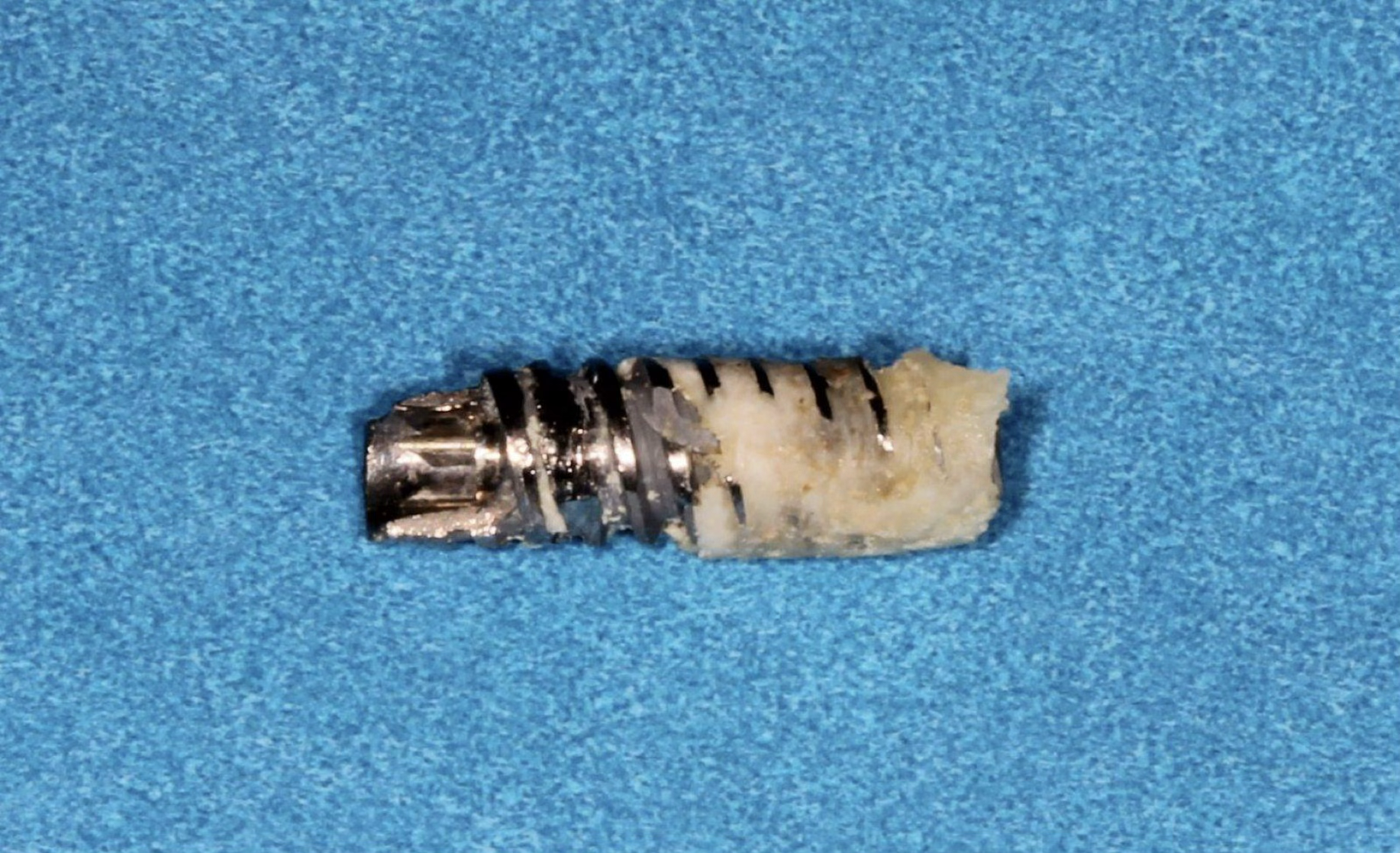
Research has reported implant survival rates of approximately 97% at 10 years. Survival means the implants remained in place. It does not necessarily mean they remained free of disease or required no treatment during that time.
Ten years is also a period of follow-up, not an expiration date. Implants can continue functioning beyond that point, provided the surrounding tissues and bone remain healthy and complications are addressed.
The material makes a substantial difference. Acrylic, porcelain layered over a framework, and monolithic zirconia age differently and have different maintenance and repair needs.
Acrylic teeth are commonly attached to a metal framework. With use, the teeth can wear, fracture, or detach. The framework may remain intact while the teeth or surrounding acrylic need repair or replacement.
Acrylic is generally easier to repair than zirconia, but wear and repeated repairs can become part of its long-term maintenance.
Some restorations use porcelain layered over a metal or zirconia framework. The underlying framework provides strength, while the porcelain creates the visible tooth surfaces.
The porcelain can chip even when the framework remains intact. The extent and location of the chip determine whether it can be polished, repaired, or requires a more extensive revision.
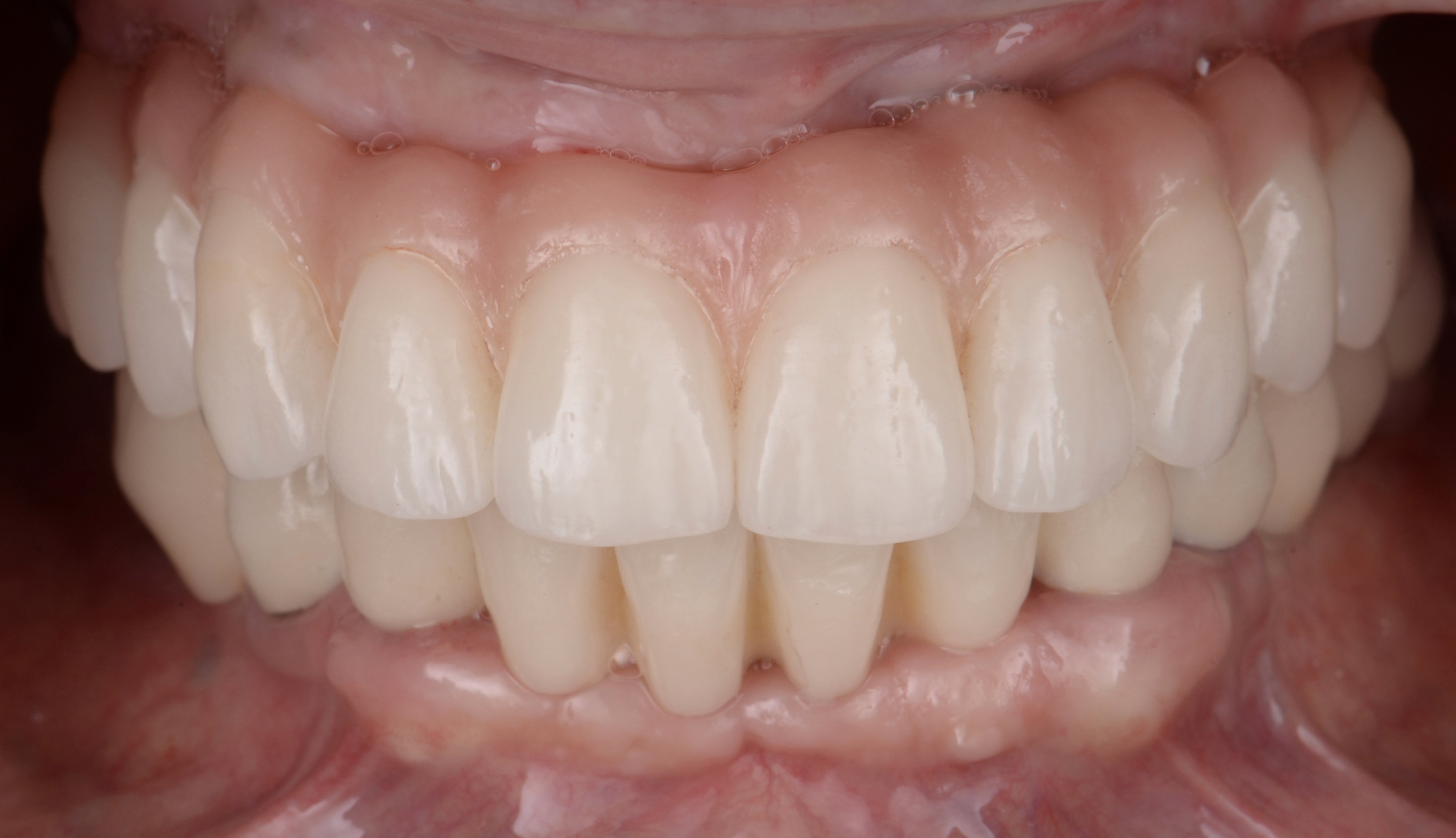
For my final full-arch restorations, I use monolithic zirconia. The teeth are milled from a single block of zirconia. Its resistance to wear helps preserve their shape and chewing surfaces, and there is no separate layer of veneering porcelain on the biting surfaces to chip.
That does not make zirconia indestructible. Zirconia itself can chip or fracture, and a major fracture generally requires replacement of the restoration.
Clinical research has reported approximately 99% survival of monolithic zirconia restorations after an average follow-up of about five years. Survival does not mean complication-free success. A restoration may remain in service even if it has needed an adjustment, repair, or attention to a component.
These findings are encouraging, but they do not establish an average lifespan or a fixed replacement interval. Five years describes how long the restorations were followed, not how long they are expected to last.
Complications can involve the implants, the bridge, or the components connecting them.
Disease around the implants. Implants cannot develop cavities, but inflammation can affect the surrounding tissues and lead to loss of supporting bone. Smoking, poorly controlled diabetes, a history of periodontal disease, and inadequate plaque control increase the risk.
Clenching and grinding. Repeated heavy forces can contribute to fractures, screw loosening, and damage to other components. The material, bite, and implant arrangement need to account for those forces.
Design and material thickness. Zirconia needs adequate thickness in areas exposed to stress. Implant position, the distance the bridge extends beyond the last implant, and the opposing teeth also affect how forces are distributed. These considerations are part of planning the final teeth before implant placement.
Fit and component stability. A restoration should fit passively. Repeated screw loosening warrants investigating the cause rather than repeatedly tightening the screw.
Trauma. A fall or an impact to the mouth can damage the restoration, its components, or the implants.
Daily cleaning beneath the restoration and around the implants is essential. The restoration must allow access for cleaning, and patients need a method they can use effectively.
Professional maintenance evaluates the tissues, bone, bite, restoration, and components. The American College of Prosthodontists recommends intervals based on individual risk, generally every two to six months. A well-functioning restoration does not automatically need to be removed at each visit.
For patients who clench or grind, I may recommend a protective appliance as part of their care.
Not necessarily. A loose screw or a lost filling over a screw-access opening may require limited treatment. A major zirconia fracture generally requires a new restoration, but healthy implants may continue to be used.
If an implant itself fails, the options depend on its position, the remaining implants, and the restoration’s design.
A change in the bite, movement, or a fracture needs an evaluation to identify what has changed and what treatment is appropriate.
Results and treatment needs vary from patient to patient. This article is for educational purposes only and does not replace an individual clinical examination, diagnosis, or treatment recommendation.