Can Worn Teeth Make Your Face Look Older?
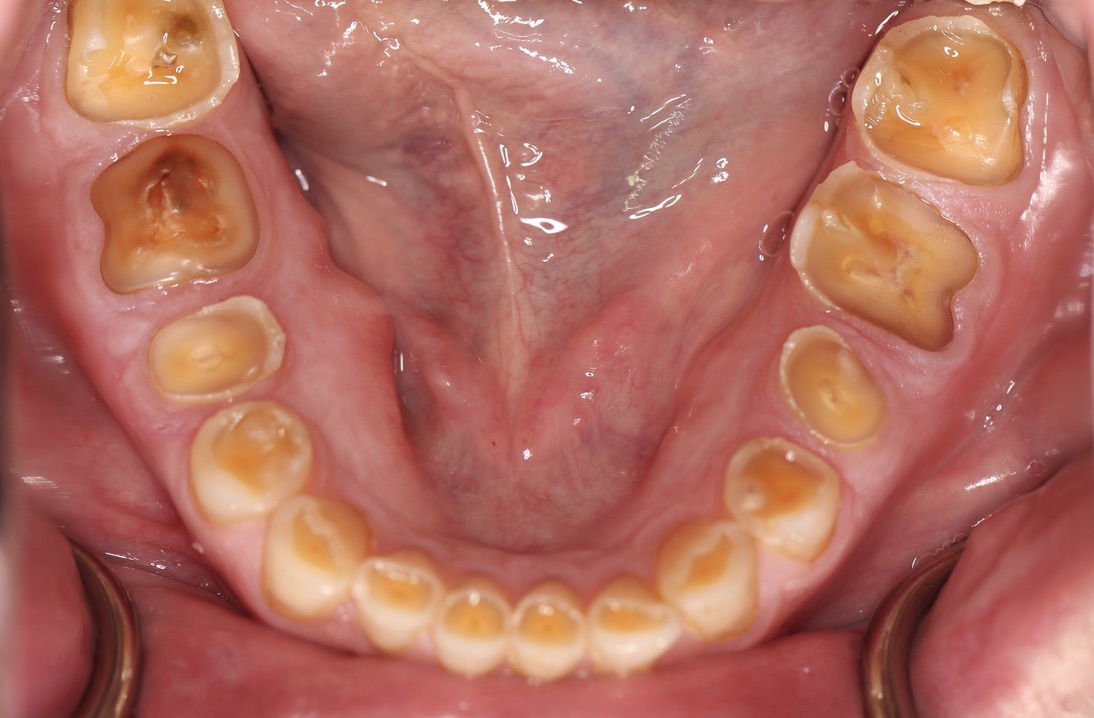
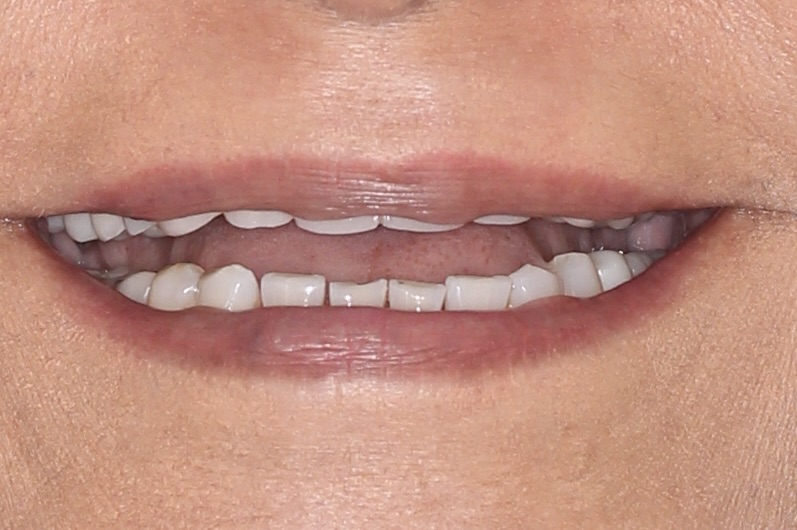
“I don’t smile because my teeth don’t show anymore.” Patients of different ages come to me with this concern. They notice it in the mirror, in conversation, and in photographs.
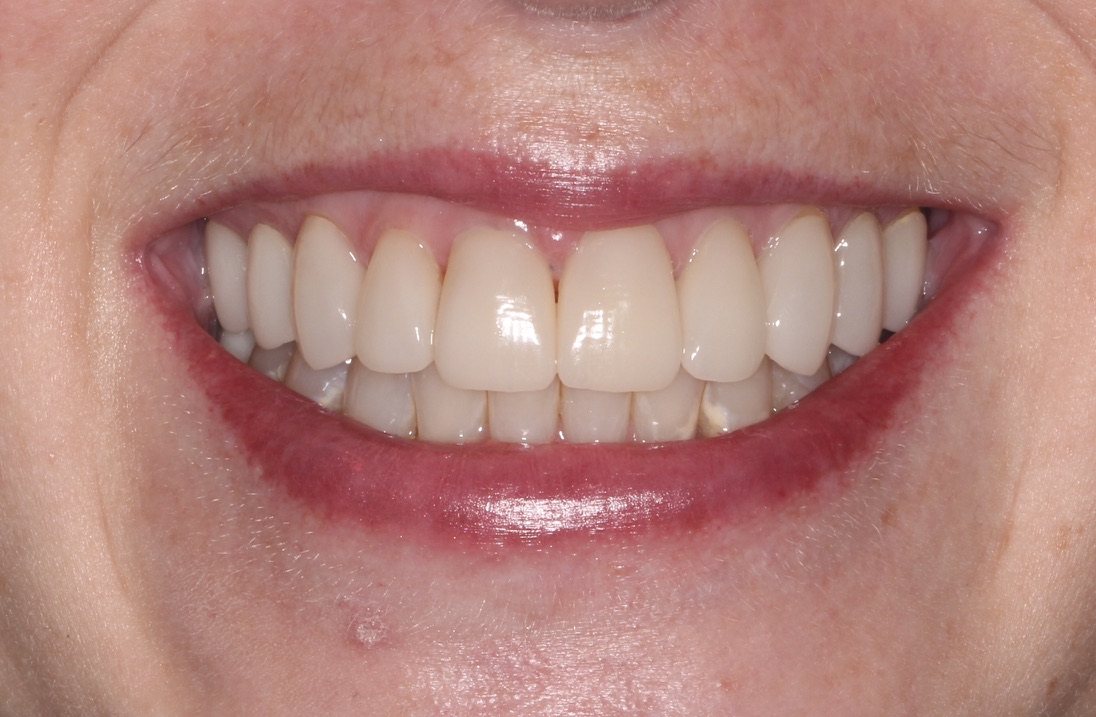
Worn teeth can contribute to an older appearance, and restoring them can change the smile and the proportions of the lower face. What treatment can accomplish depends on what has happened to the teeth, the bite, and the surrounding tissues.
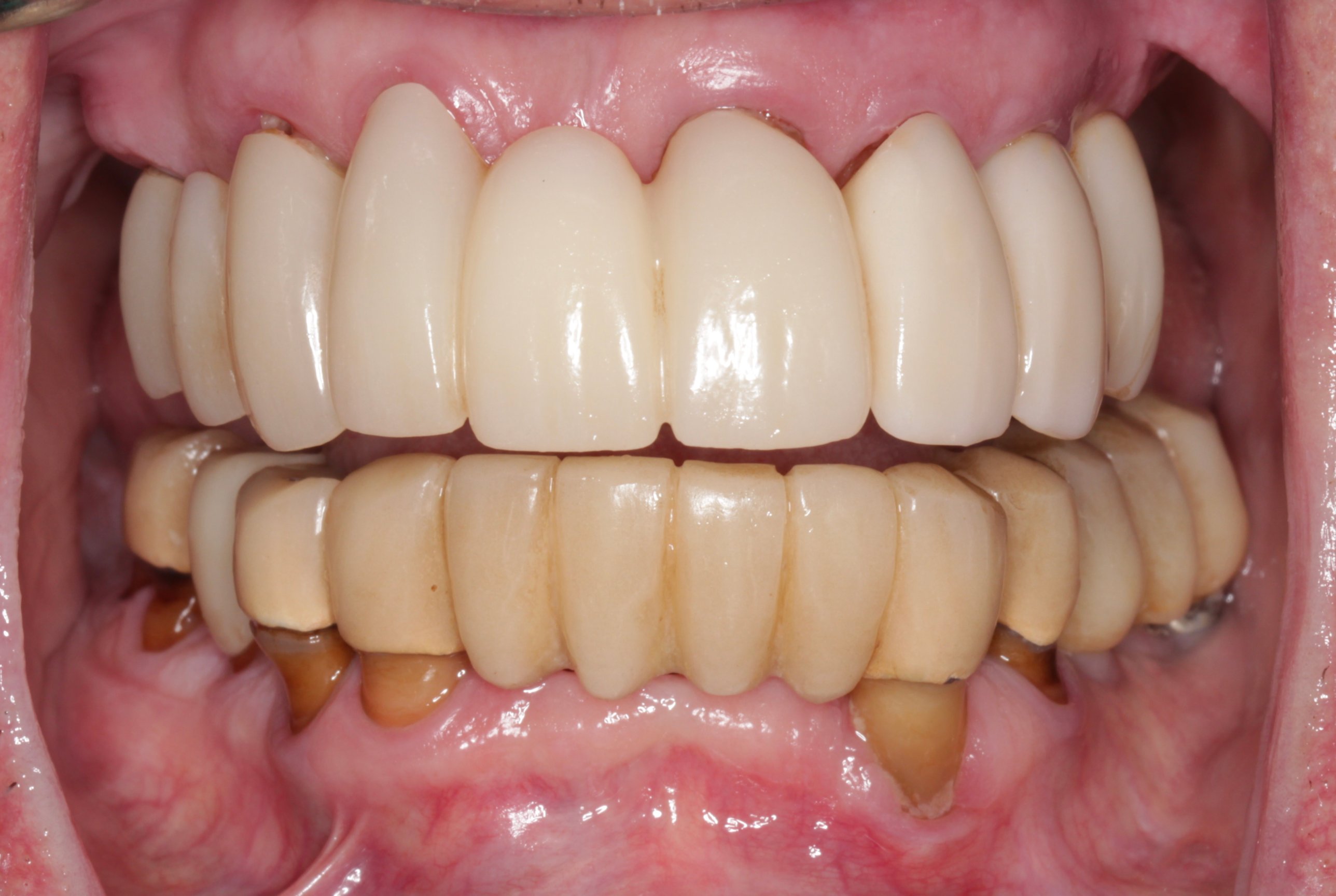
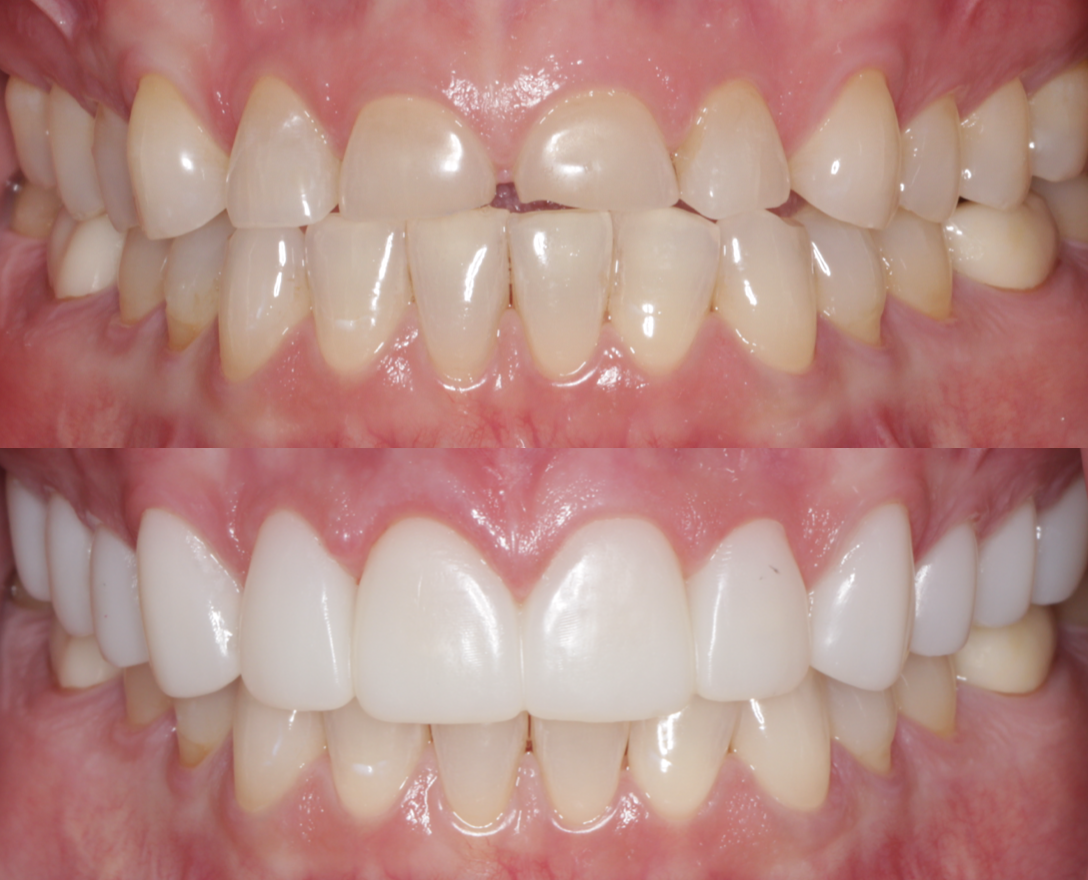
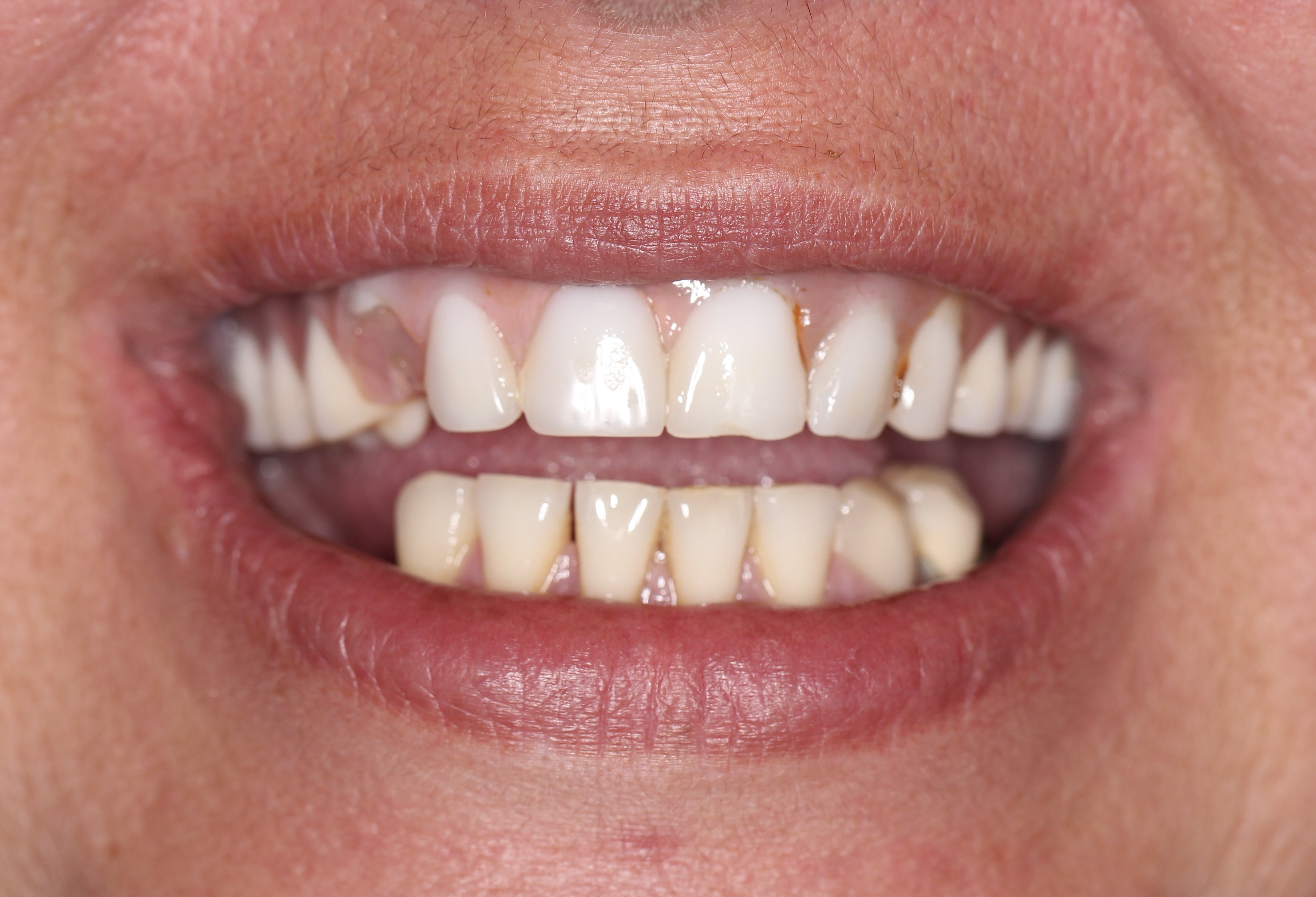
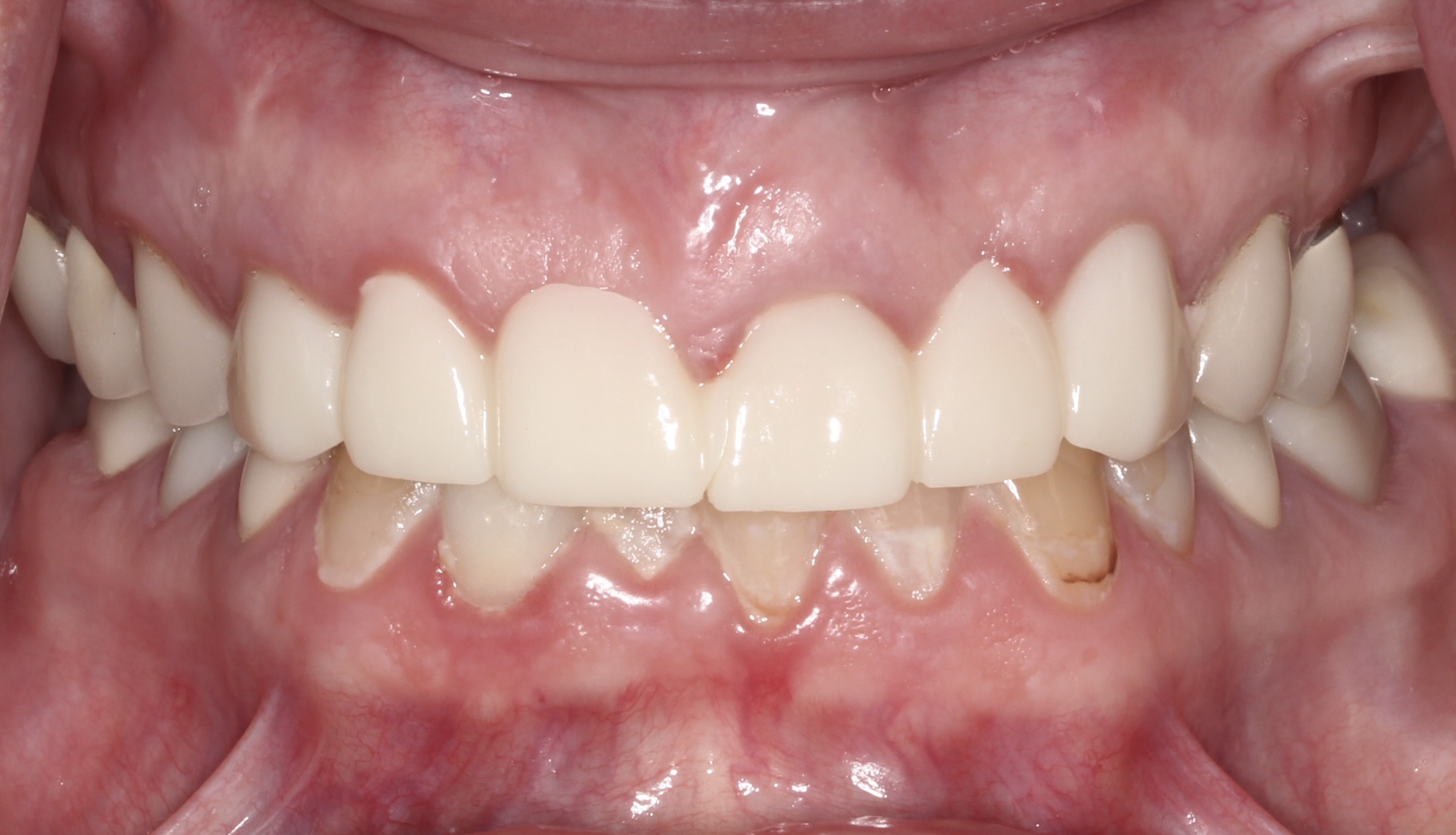
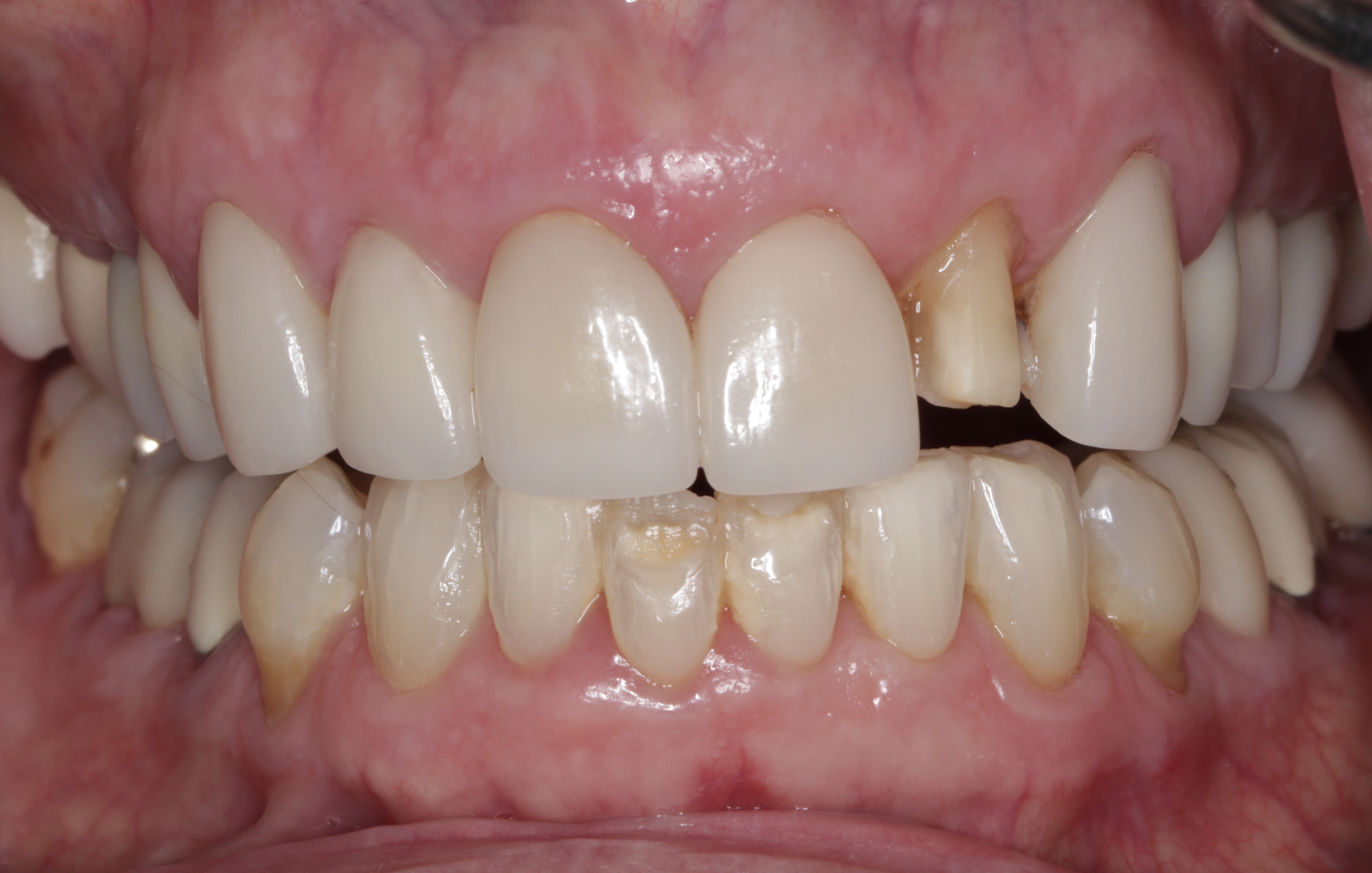
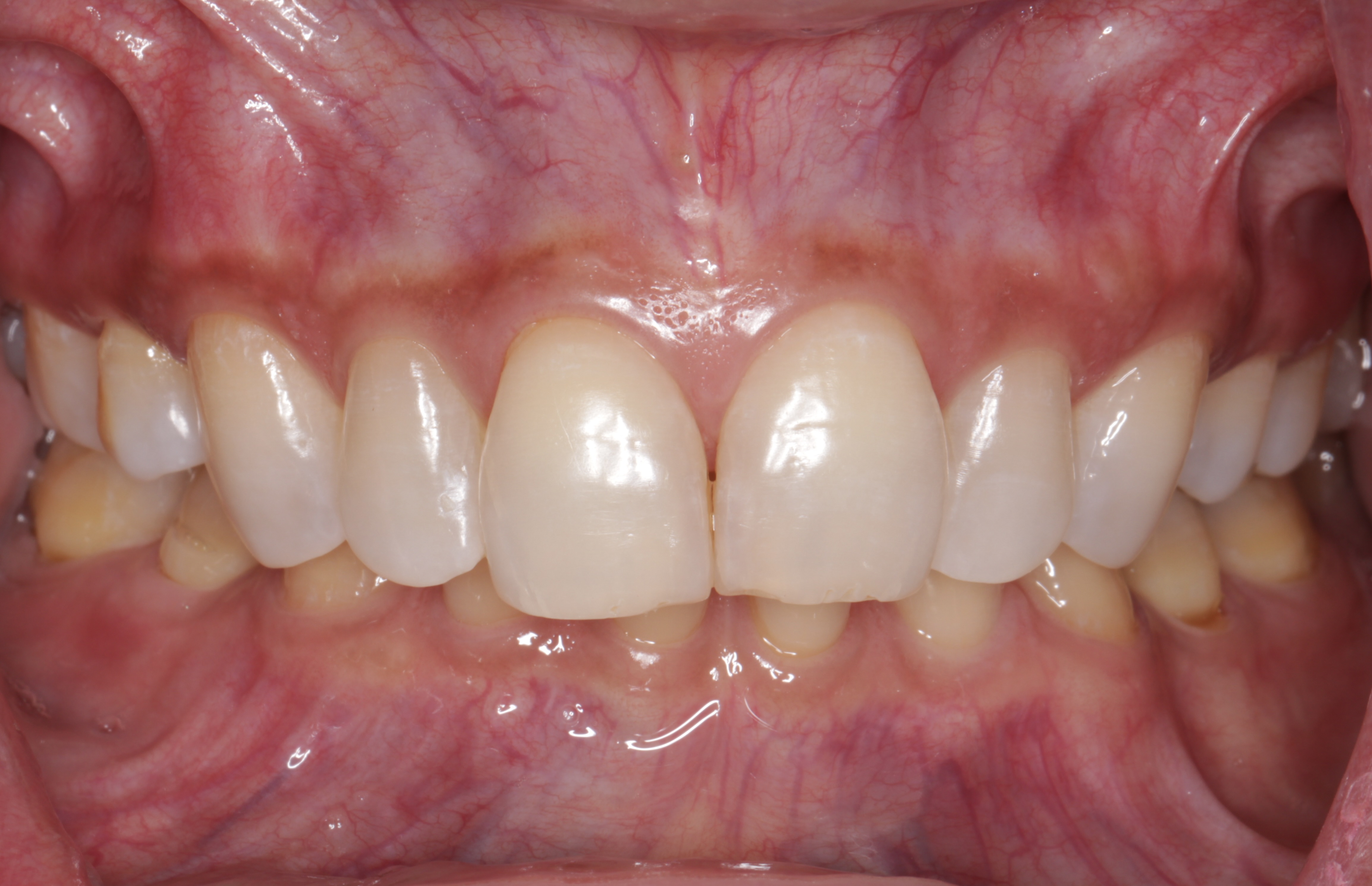
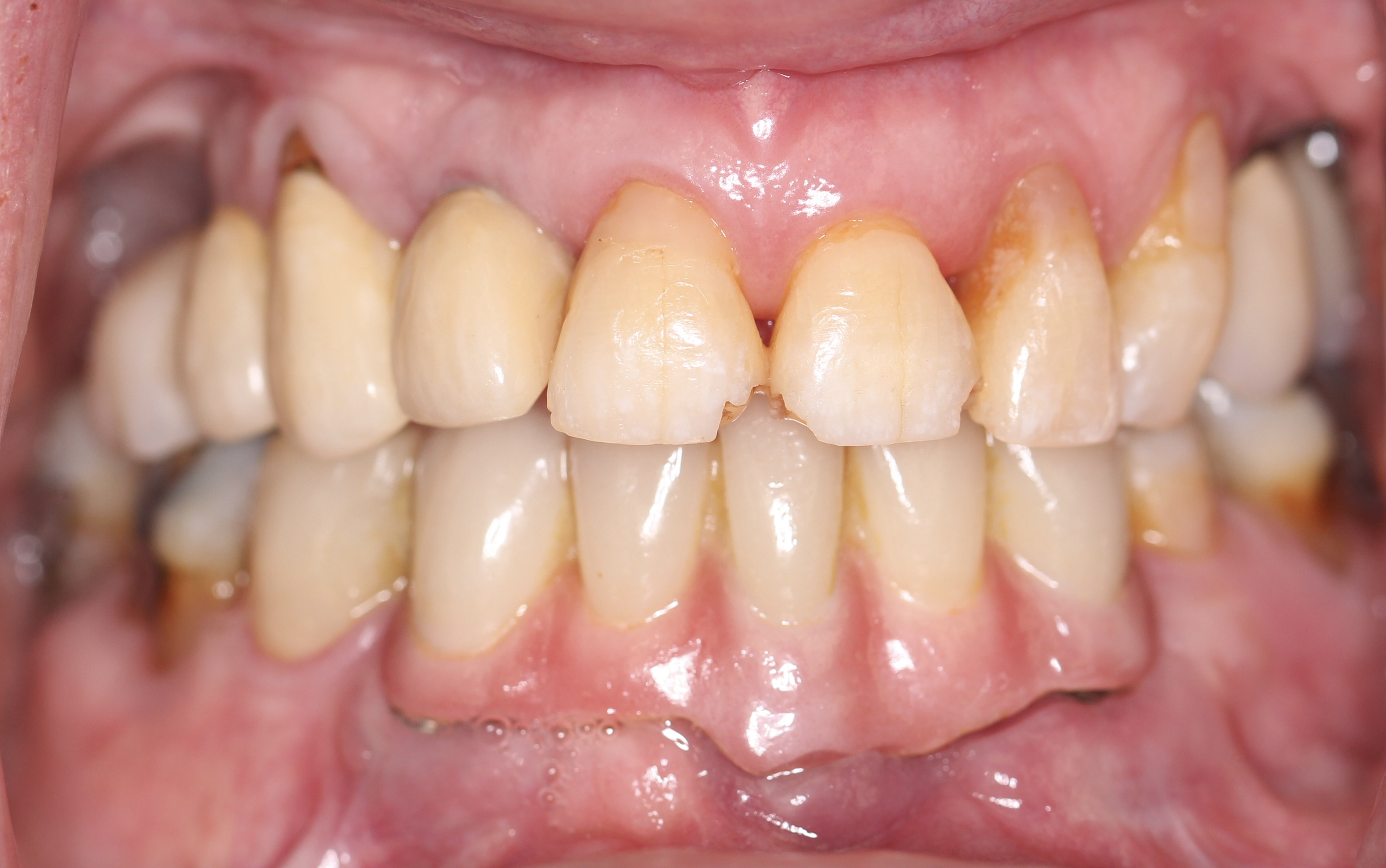
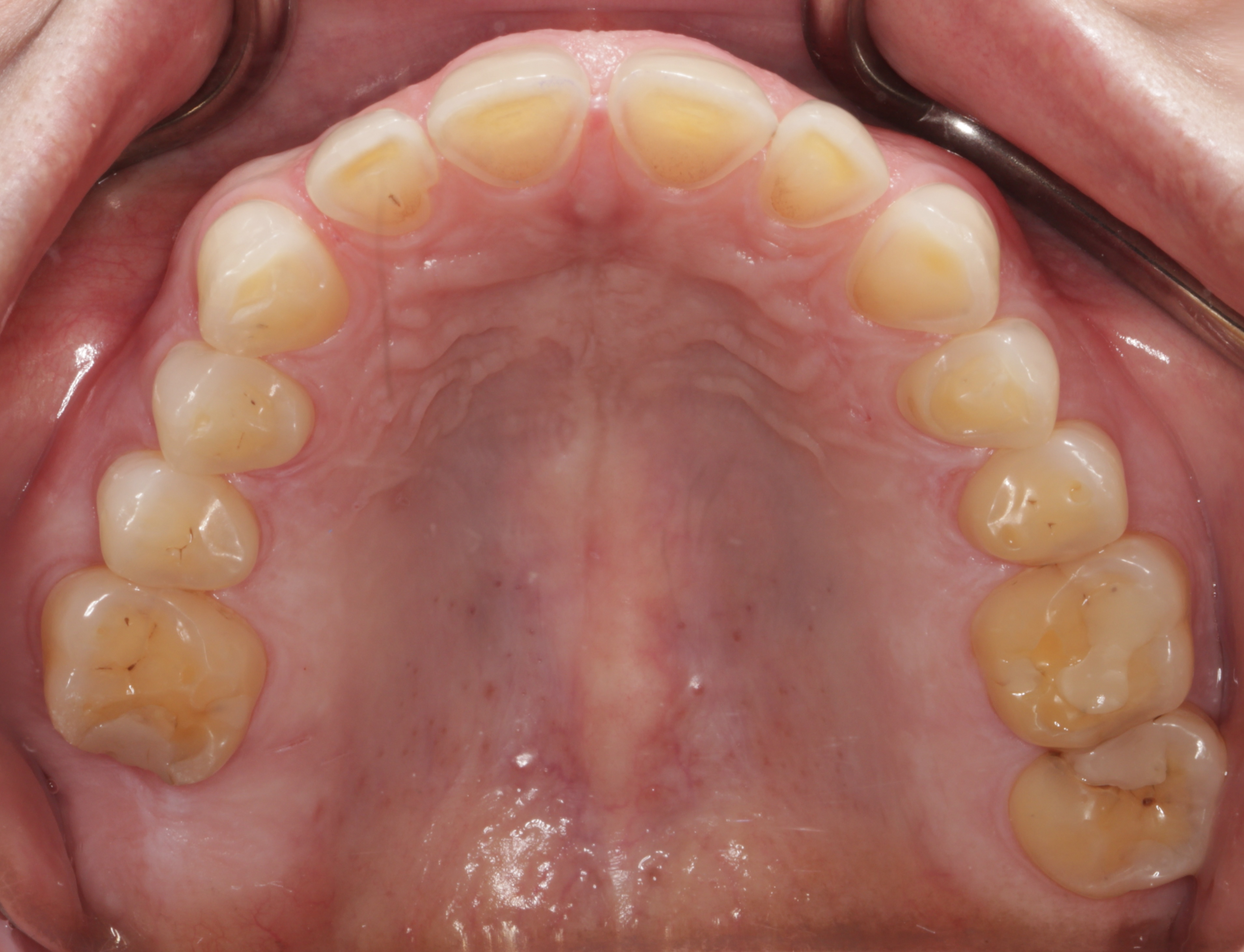
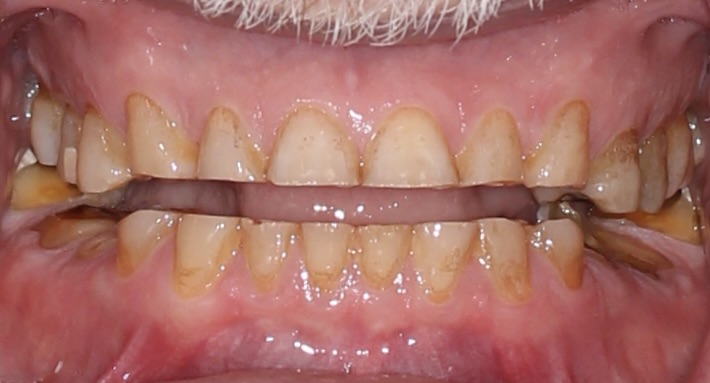
Some patients lose tooth length over a few years while the face is still young. As the front edges shorten and flatten, less tooth shows when they speak or smile, and the smile can look older than the face around it.
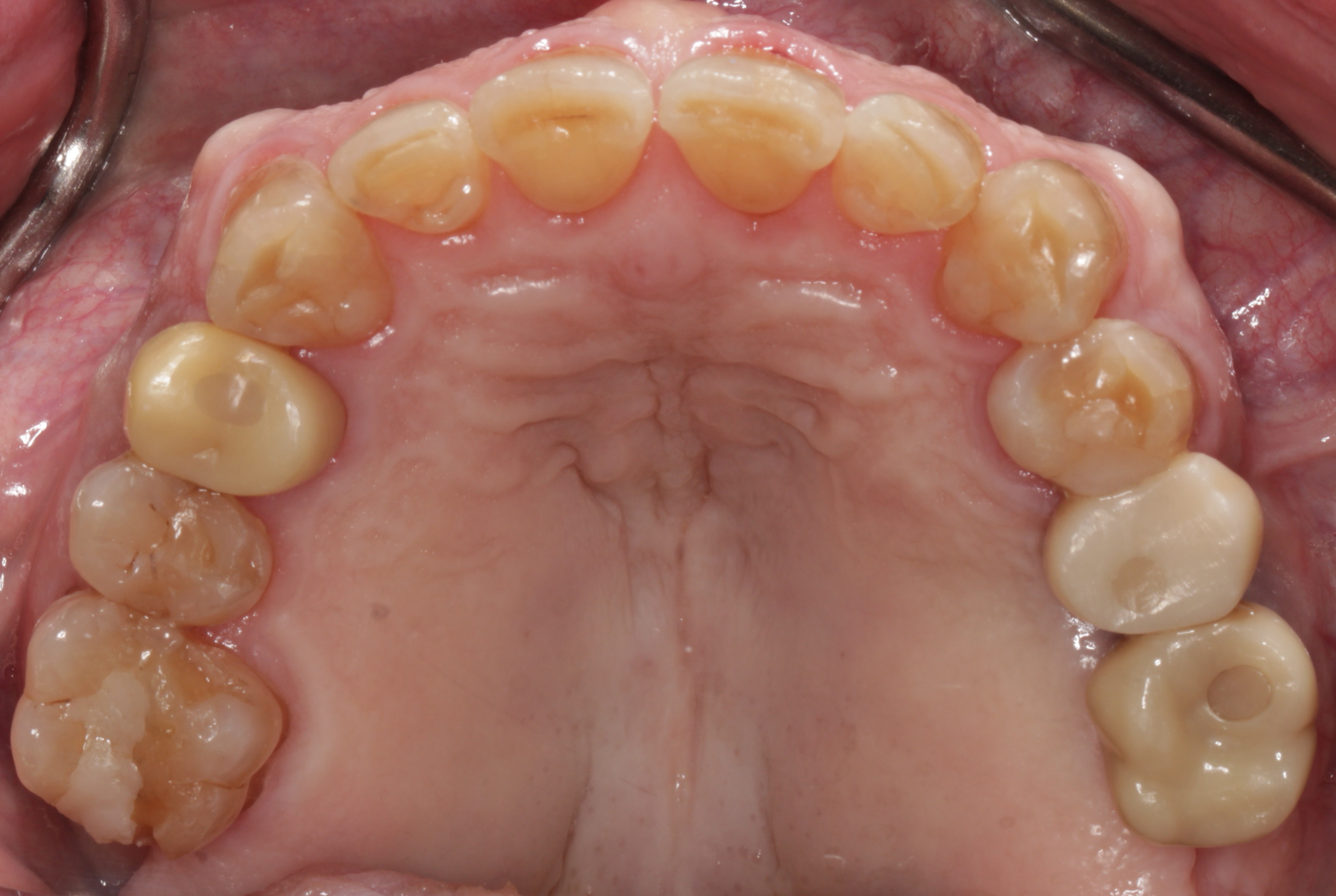
For others, tooth wear develops alongside changes in the face over many years. The upper lip tends to lengthen with age and cover more of the upper teeth, and wear reduces their visibility further. Tooth position, missing teeth, and the contours of existing restorations also affect how the lips are supported.
These patterns often overlap, and teeth can also look short for reasons other than wear, which I explain in Why Do My Teeth Look Short? The examination establishes how much of the change comes from the teeth and how much from the surrounding tissues.
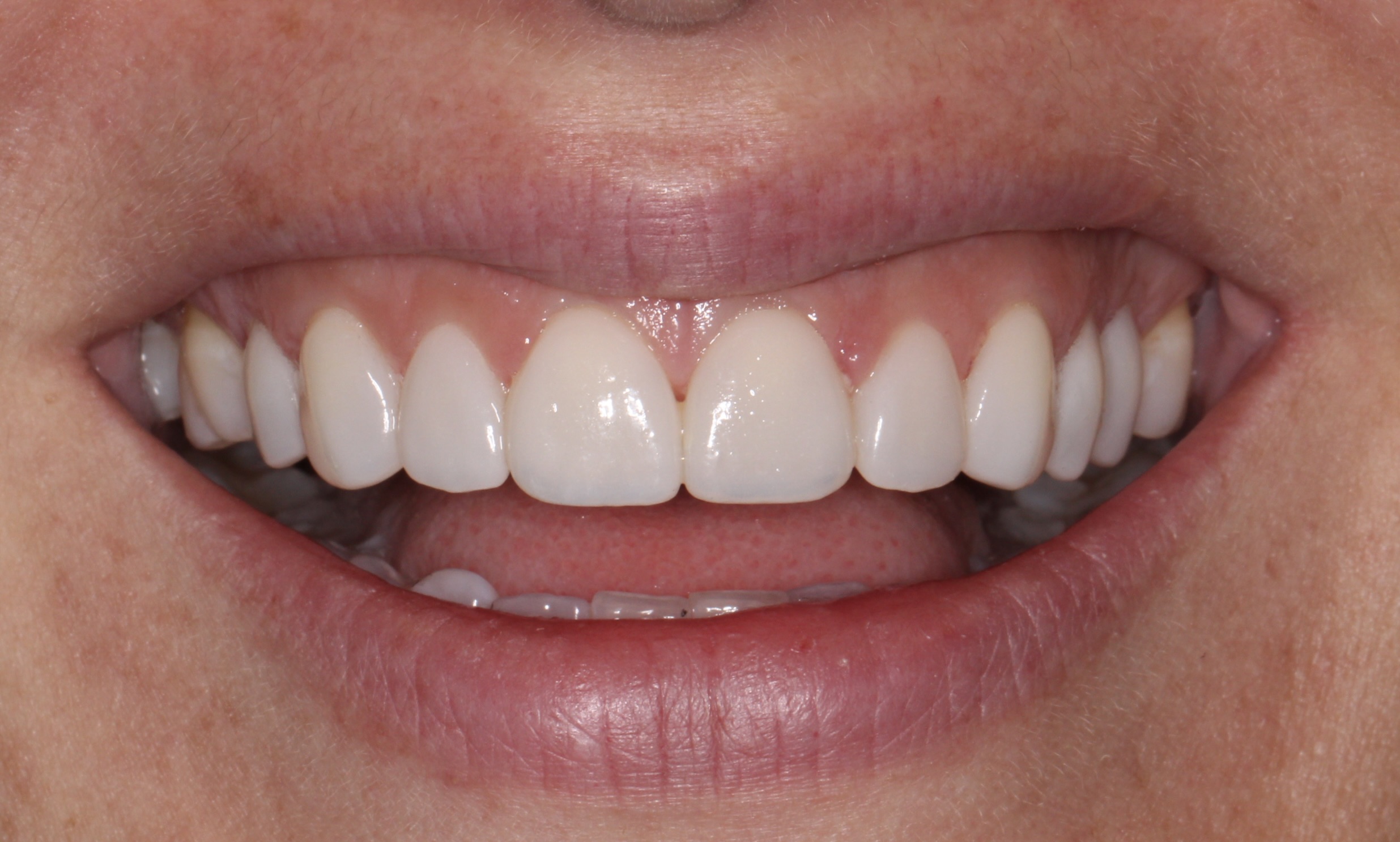
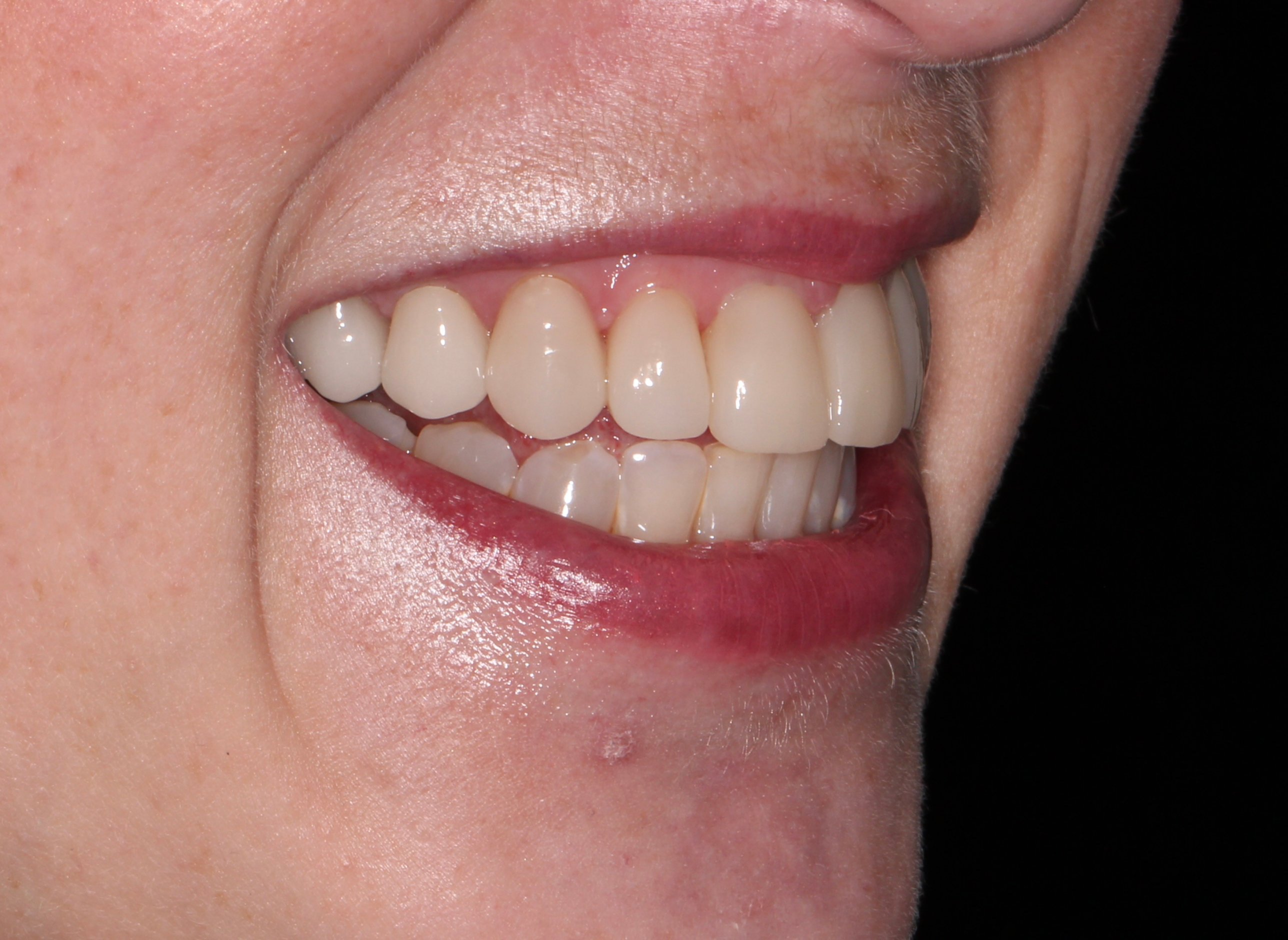
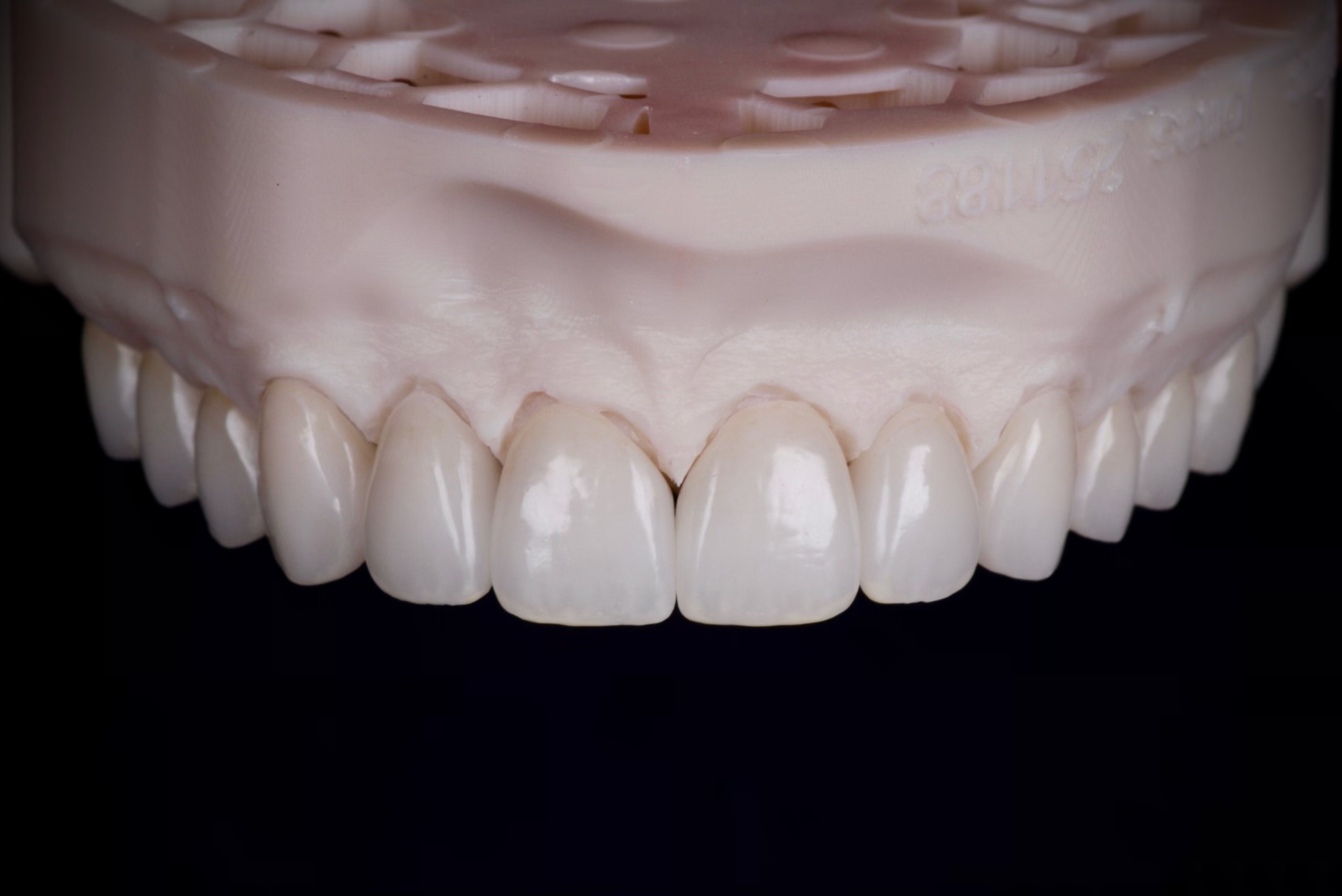
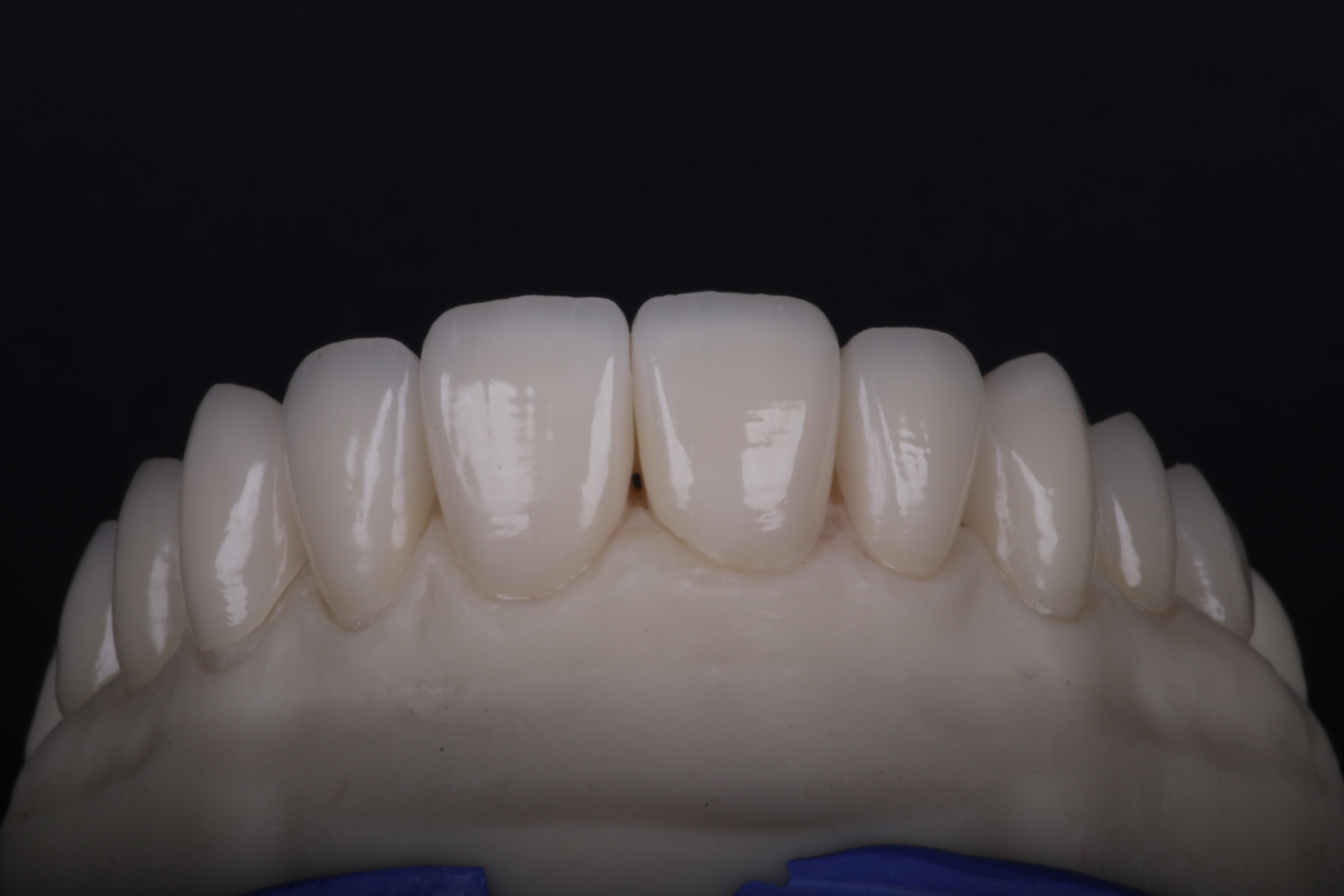
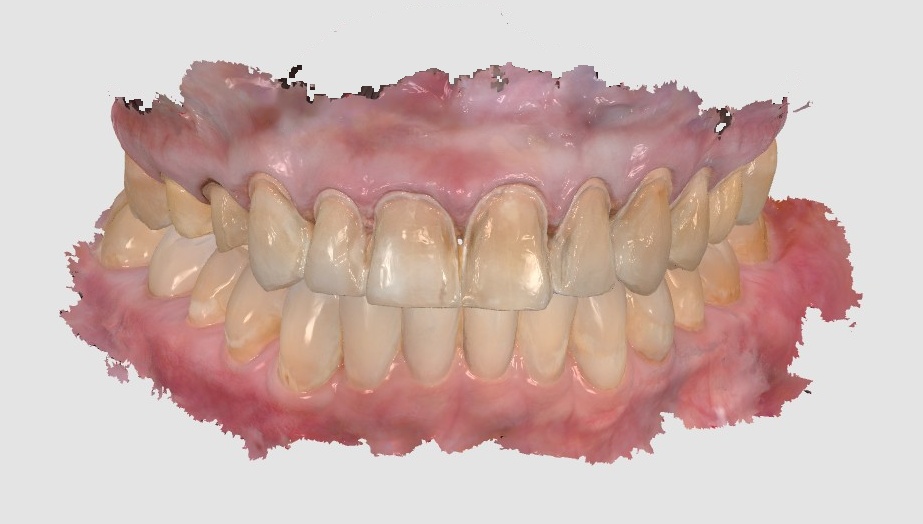
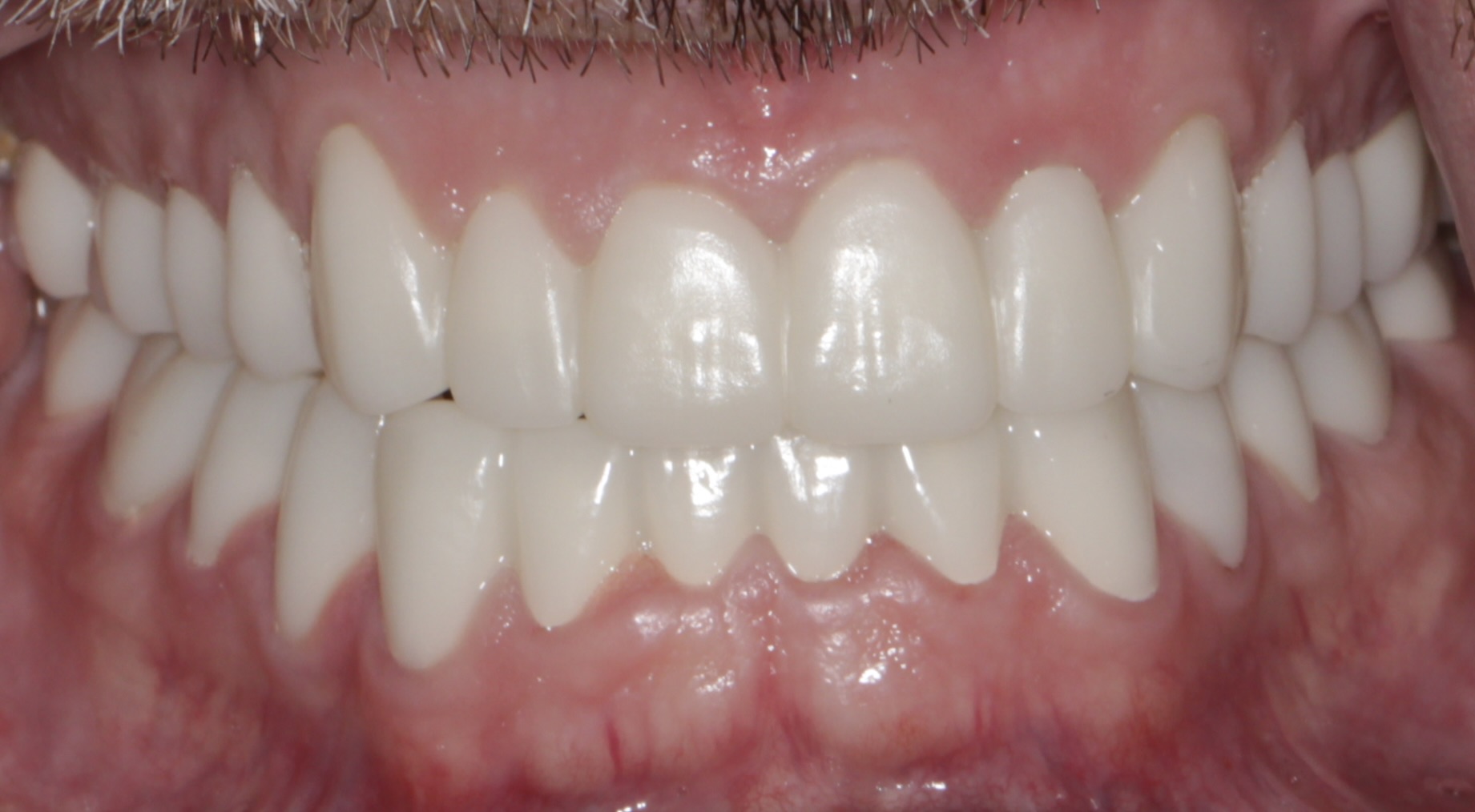
Length is only part of it. Youthful front teeth have defined edges and contours, and the edges of the upper teeth follow the curve of the lower lip when you smile. As teeth wear, the edges flatten and square off, and the smile line can straighten or even reverse.
Wear also changes color. As enamel thins, more of the darker dentin beneath it shows through, and the teeth can look yellower.
With age and wear, the upper teeth show less and the lower teeth show more. Together, these changes read as an older smile, even when the face itself has changed little.
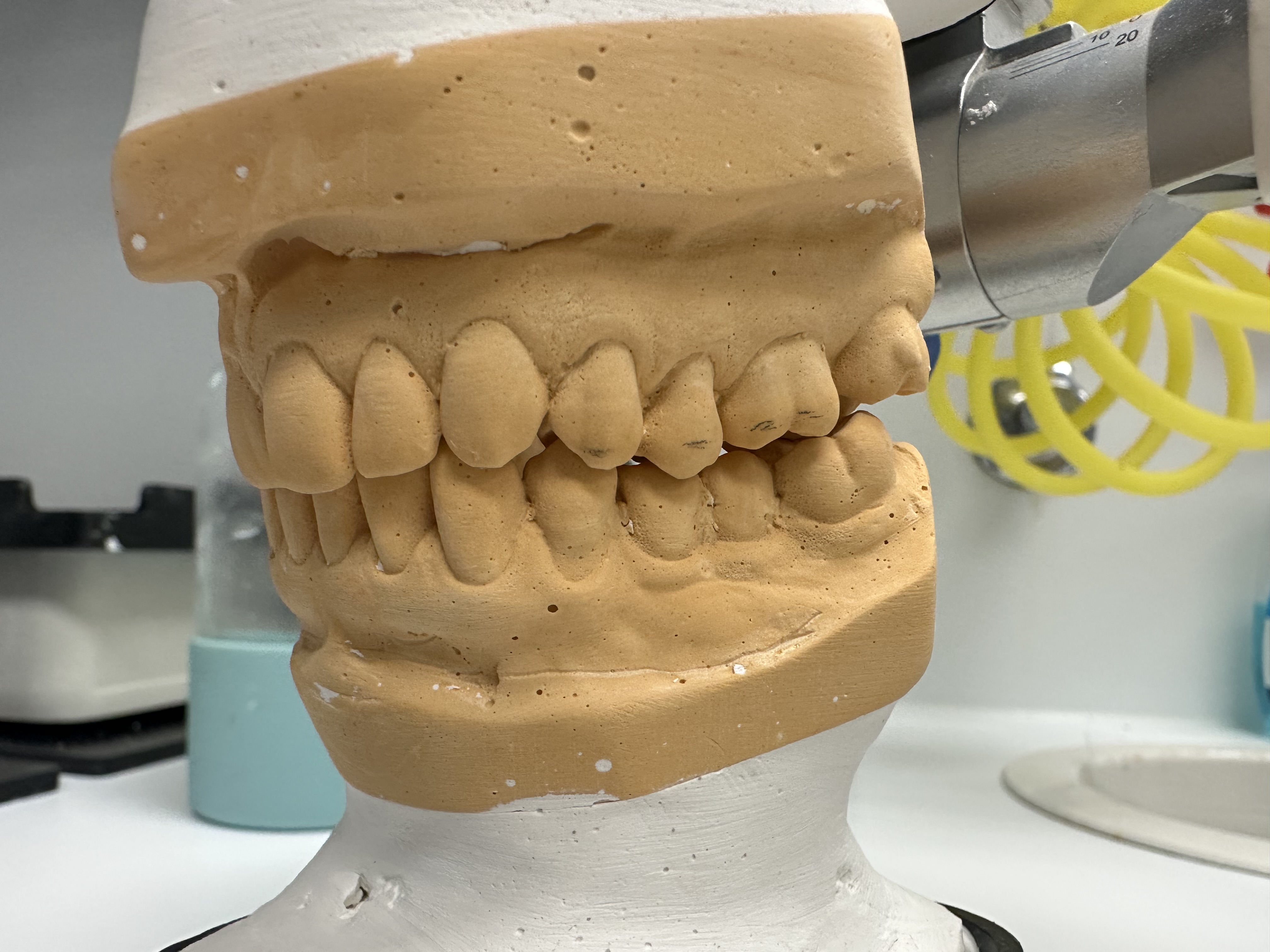
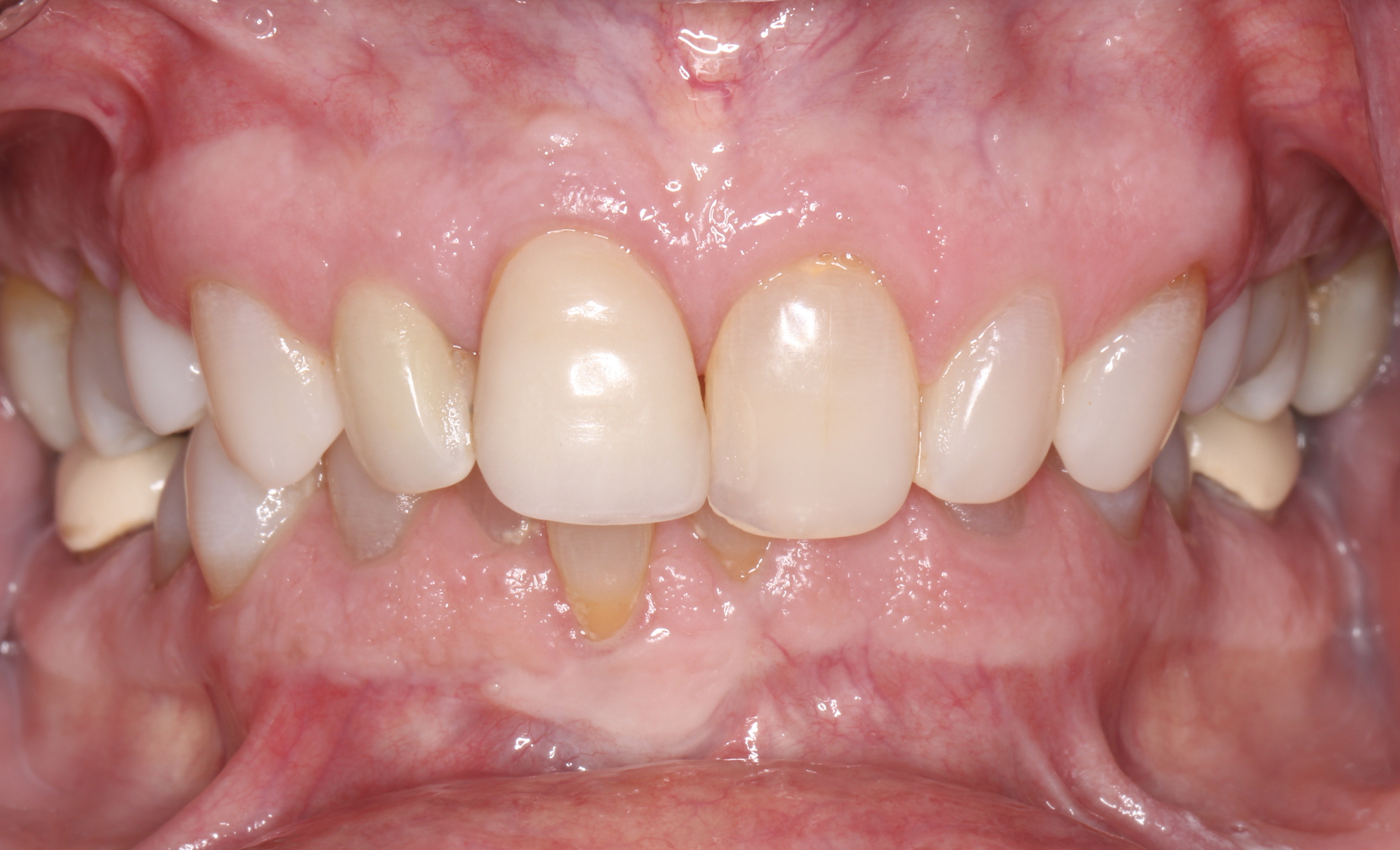
The upper and lower teeth help determine how far the jaws close. When bite height is reduced, the jaws close farther together and the lower third of the face can appear shorter. Severe wear, loss of back-tooth support, and failing restorations can contribute to this change.
Wear does not always reduce bite height. As teeth wear gradually, the teeth and the bone around them often adapt, maintaining contact and bite height even as the teeth shorten. I explain how the two are distinguished in What Is “Bite Collapse”?
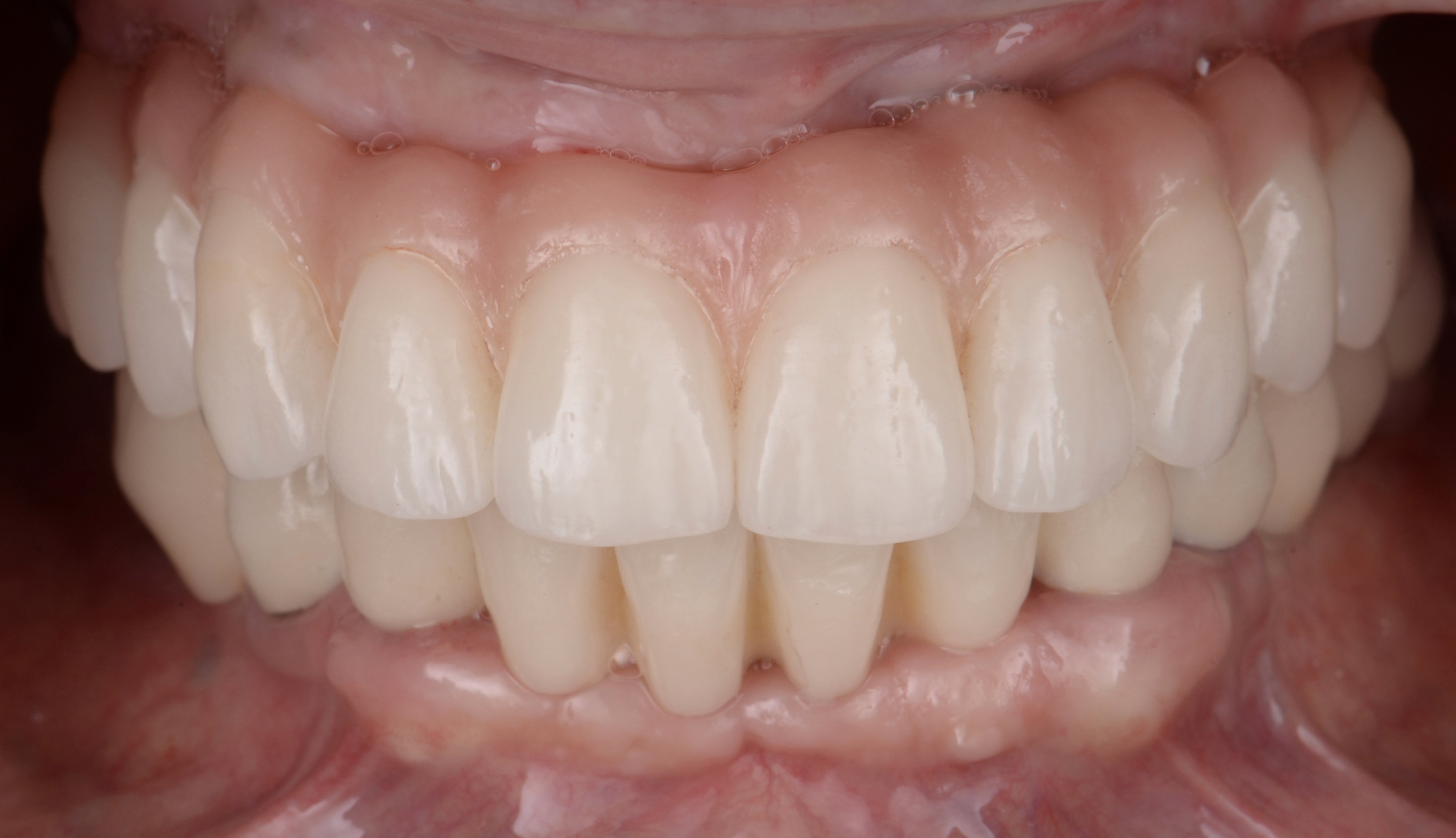
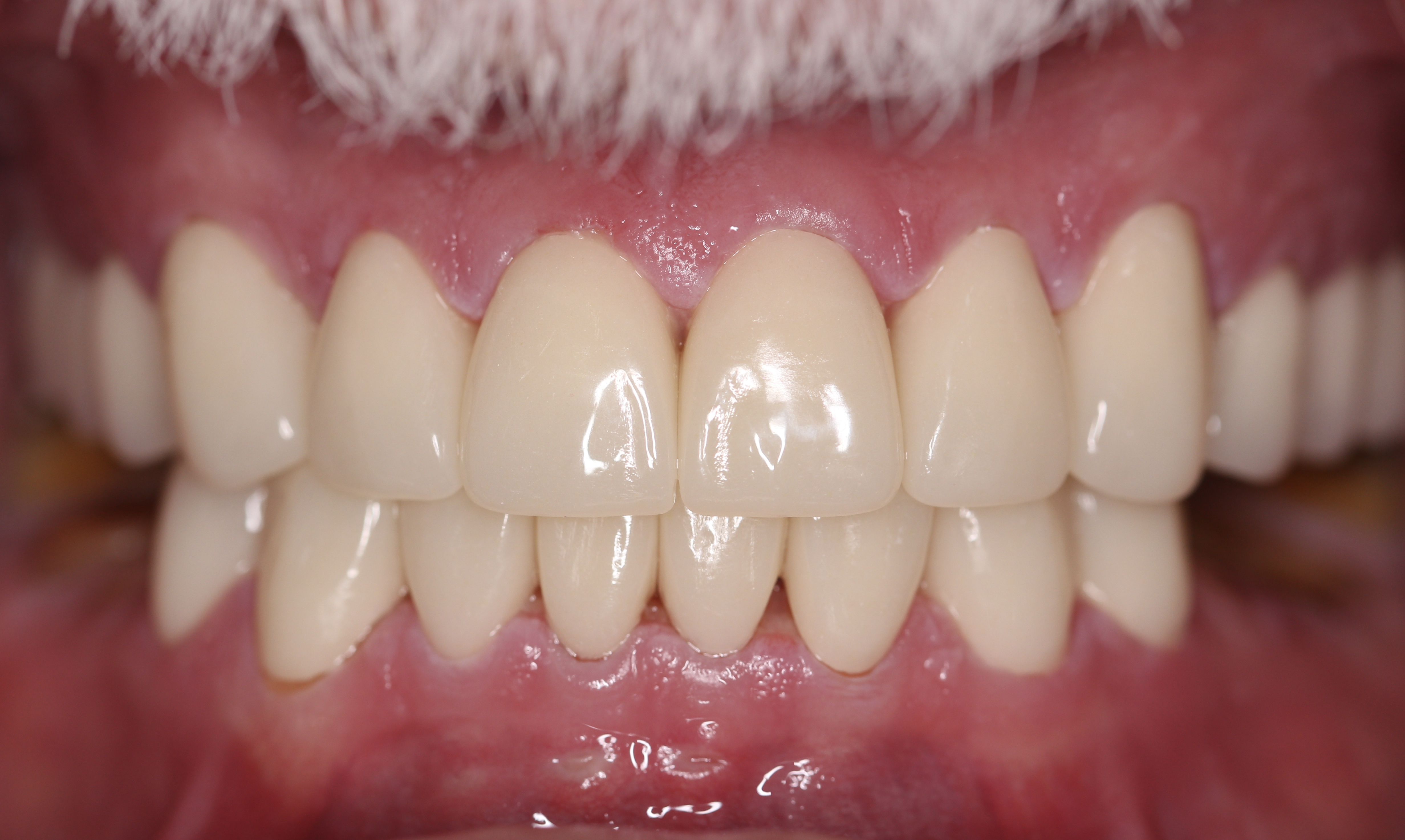
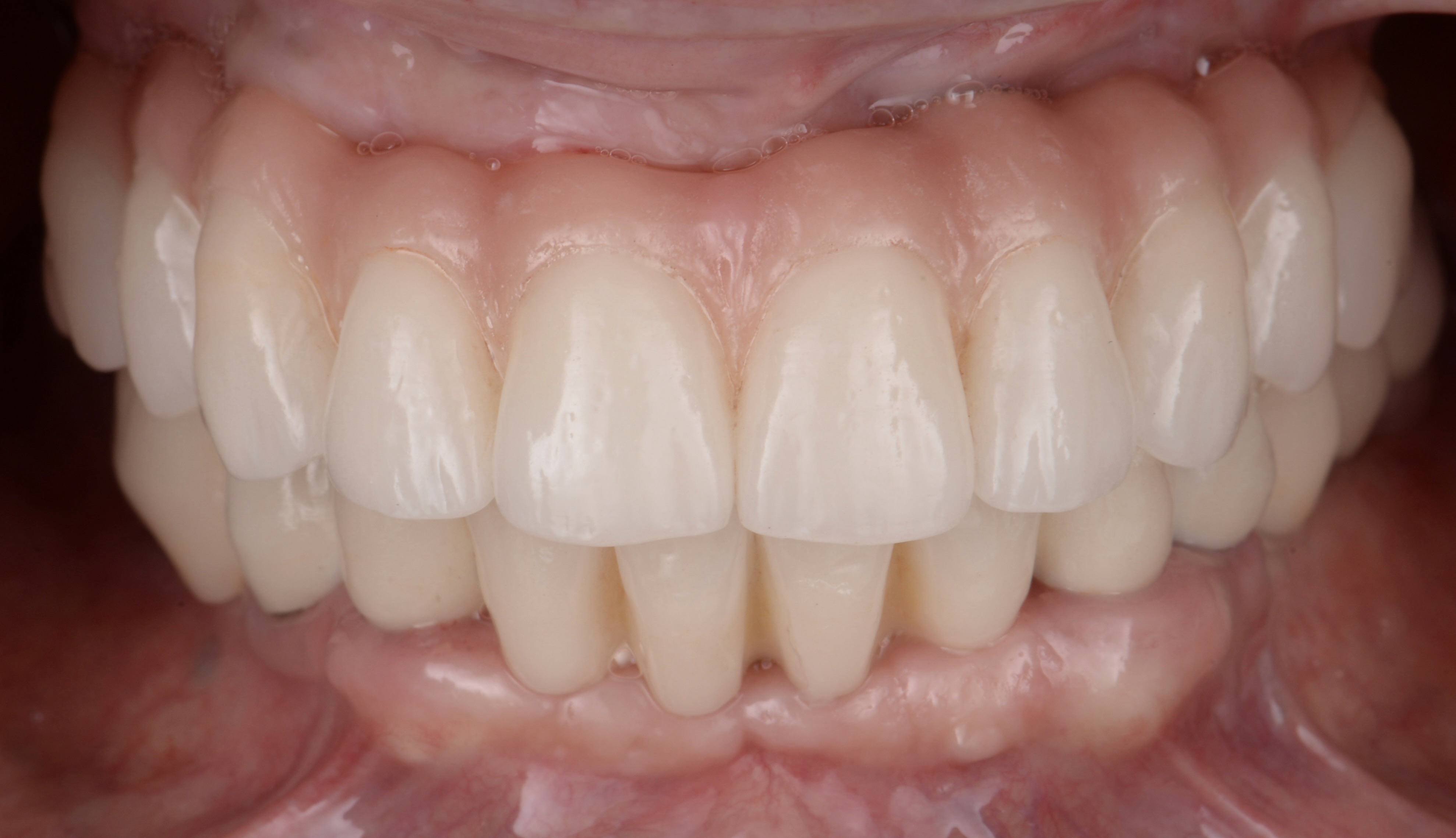
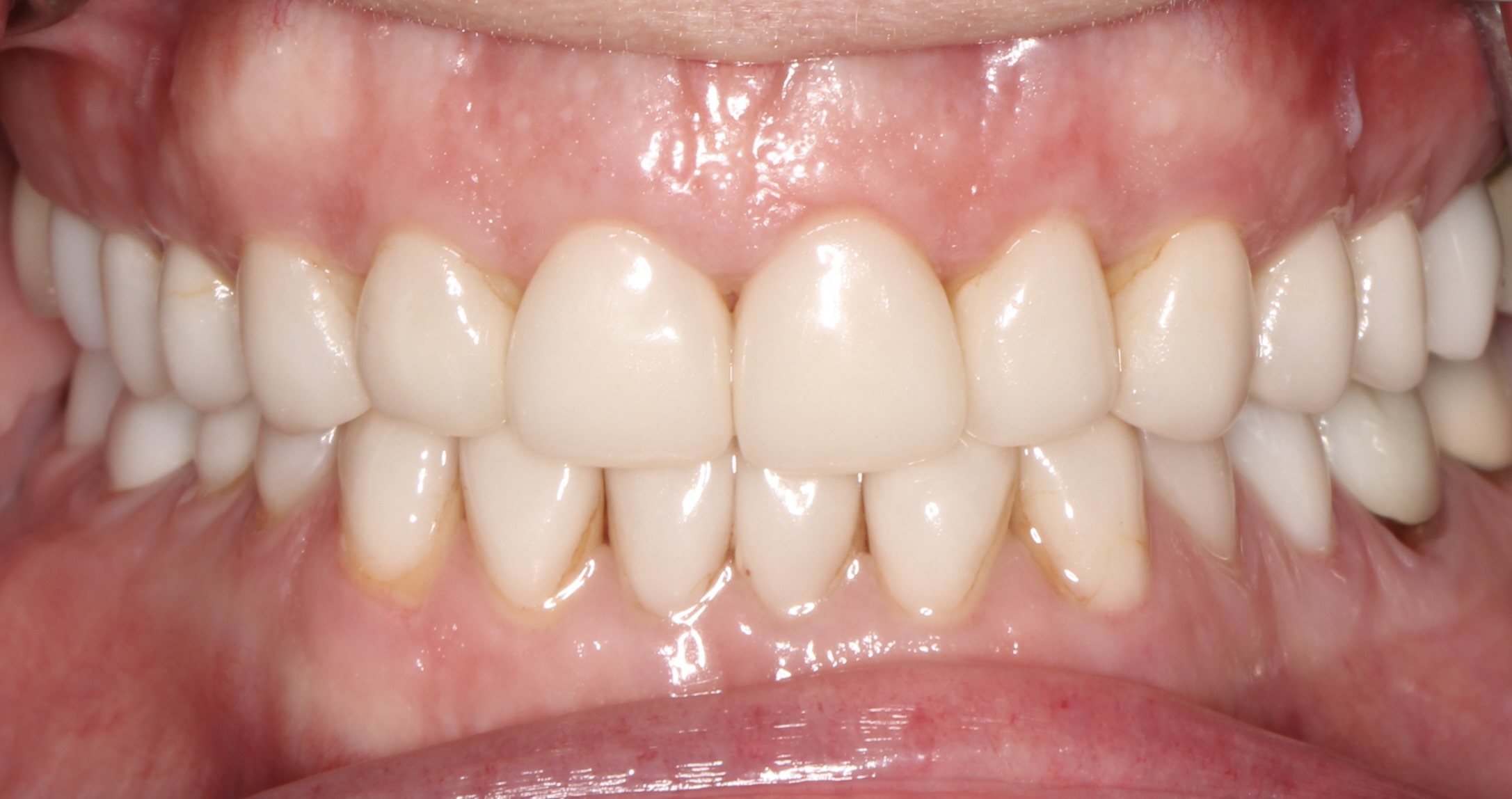
When bite height has been lost, restoring it can improve lower facial proportions. Together with restoring tooth shape, display, and lip support, this can create a more youthful appearance. These changes come from rebuilding the teeth and their relationships. Dental treatment does not reverse aging of the skin.
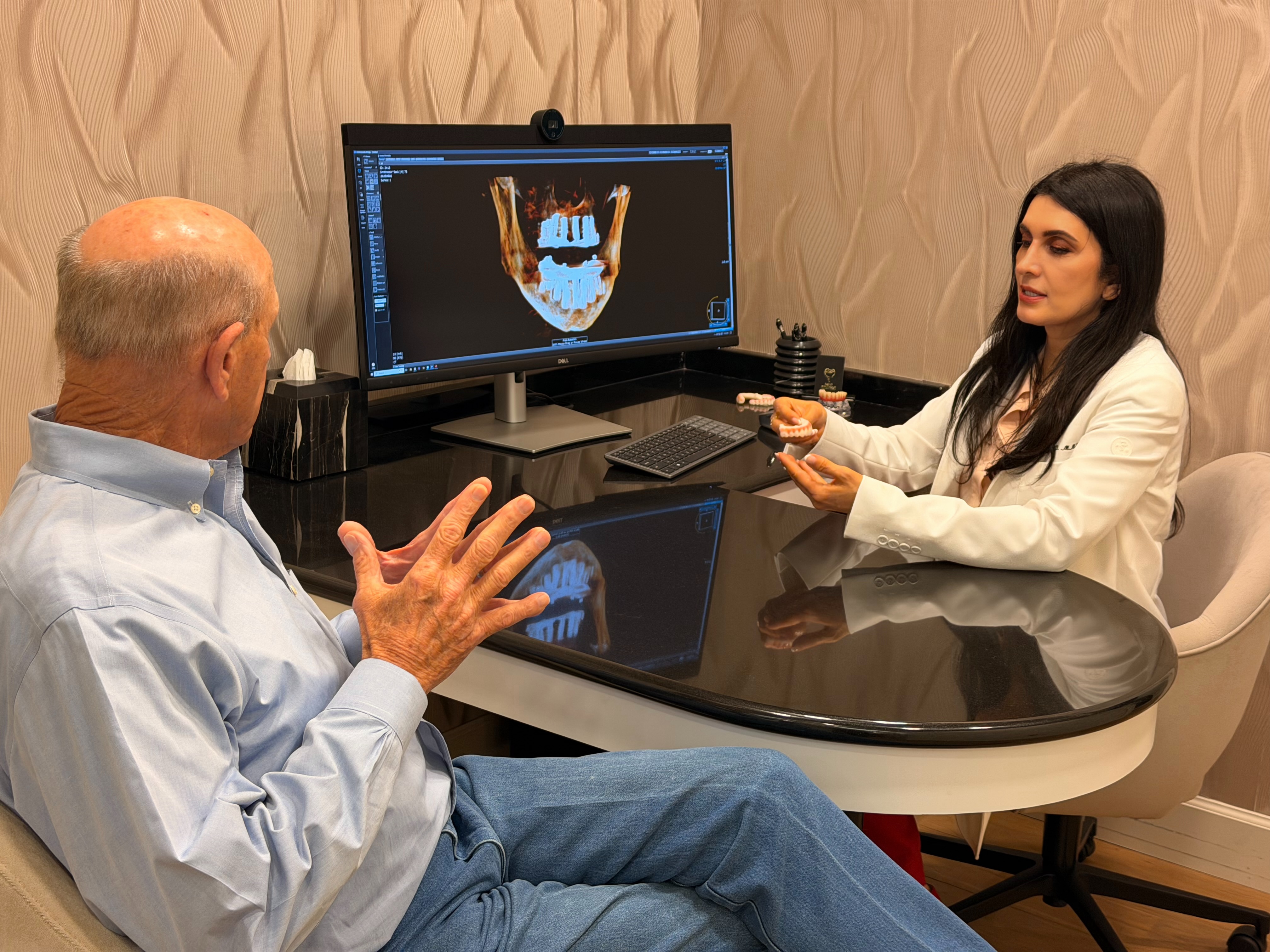
I look at how much upper tooth shows when the lips are relaxed, where the edges sit when you smile, and how they relate to the lower lip. I assess lip support and the proportions of the lower face alongside the condition of the teeth and the way they meet.
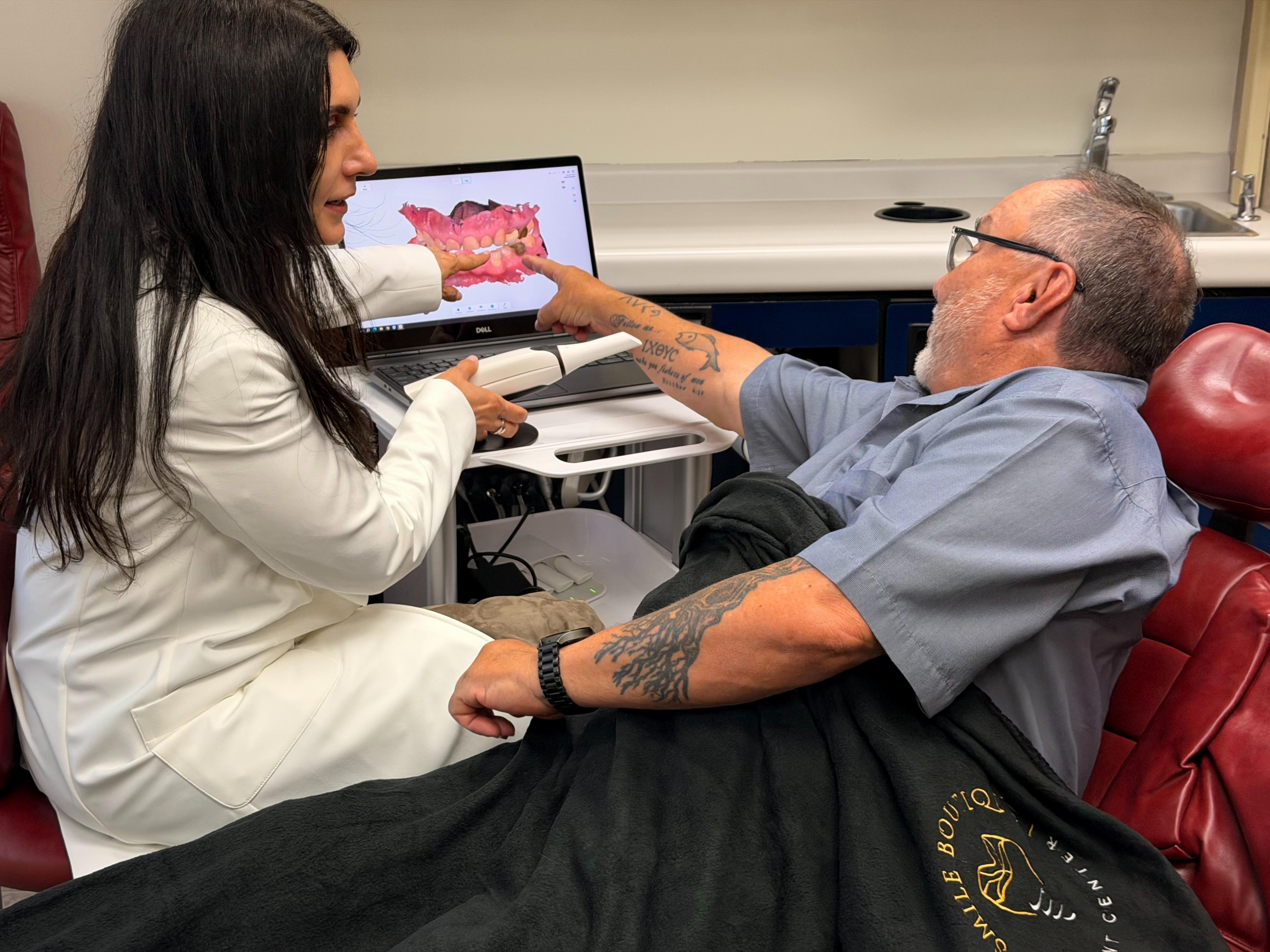
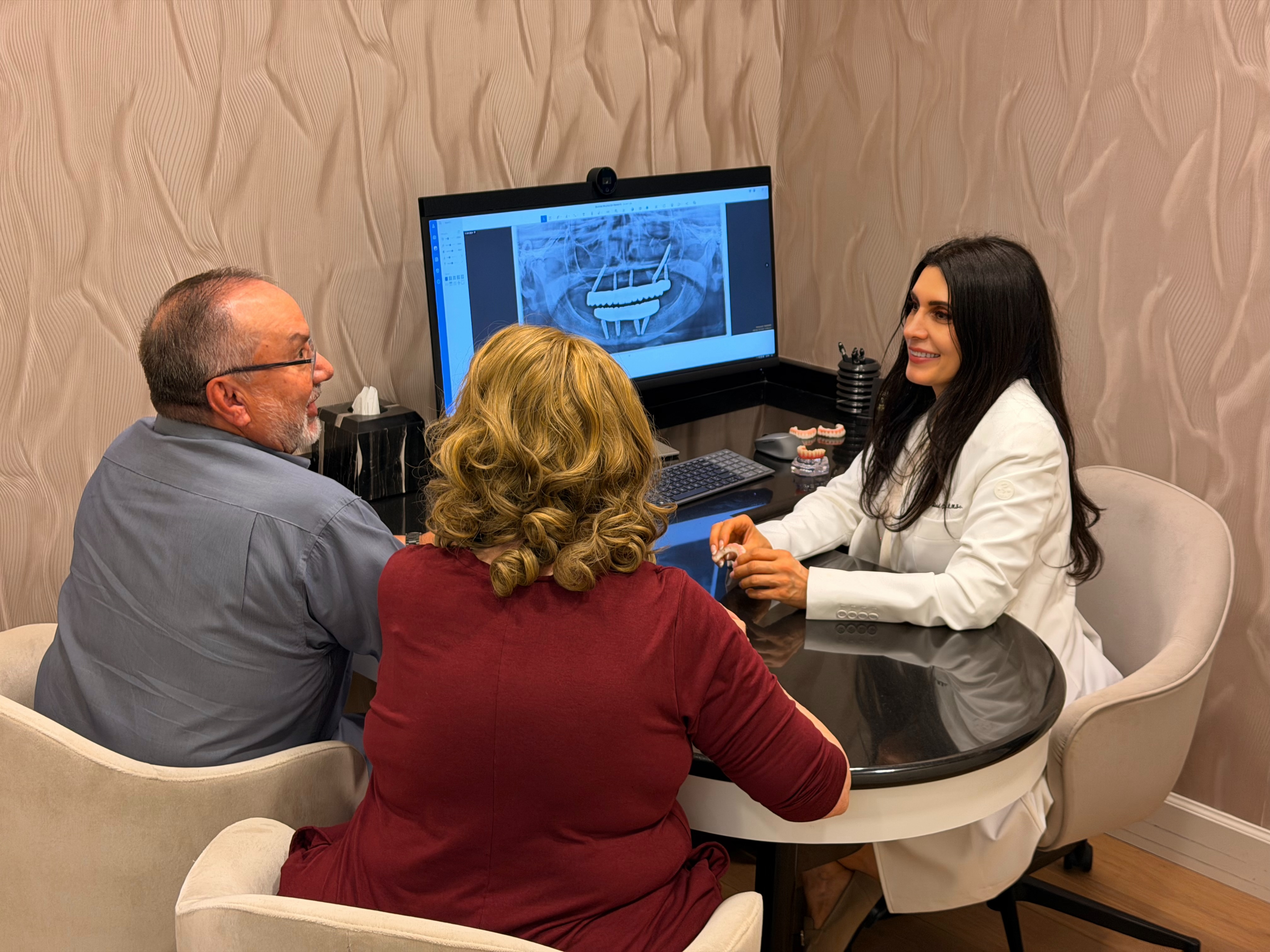
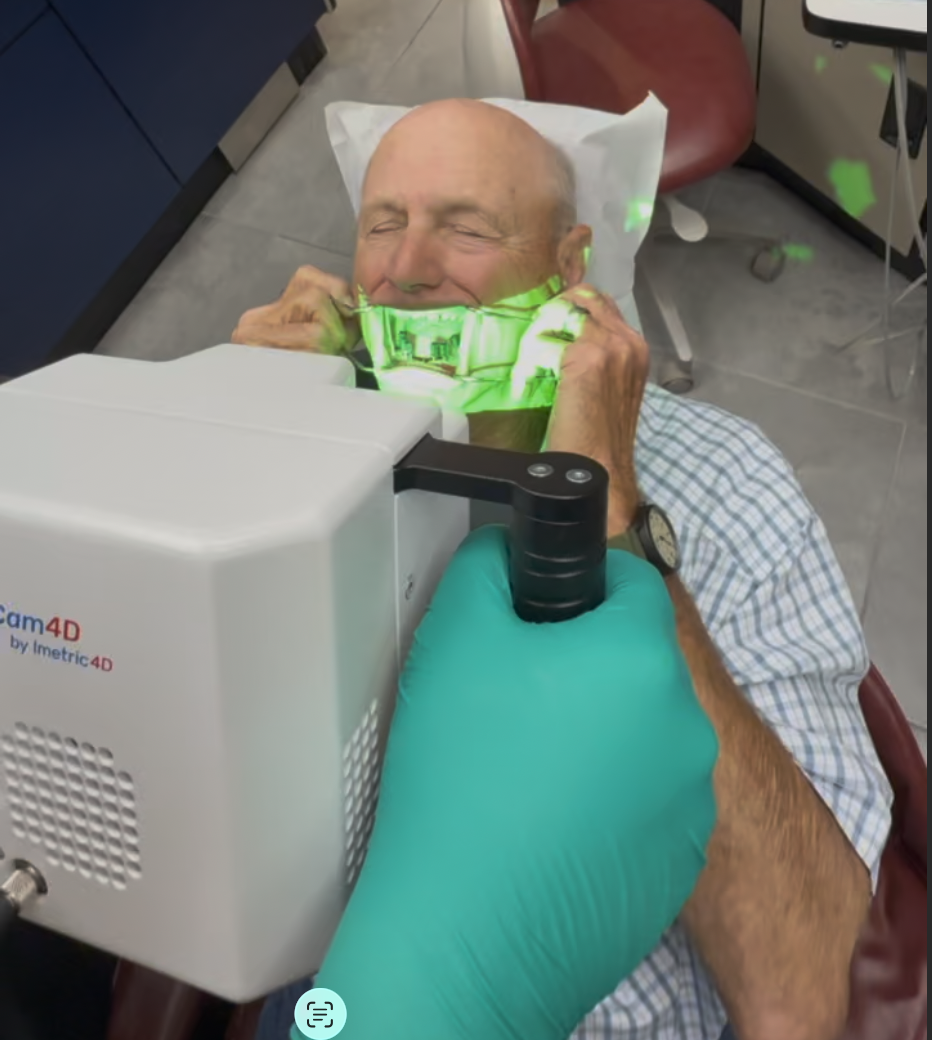
Photographs and video let me study these relationships while you speak, rest, and smile, including movements a posed photograph can miss. Older photographs help establish how your smile has changed.
At every age, I investigate what is contributing to the wear. Grinding, acid exposure, and the way the teeth contact may interact, and those findings shape both the restoration and how it is protected afterward. I discuss these causes further in Severe Tooth Wear: Why Rebuilding the Bite Matters.
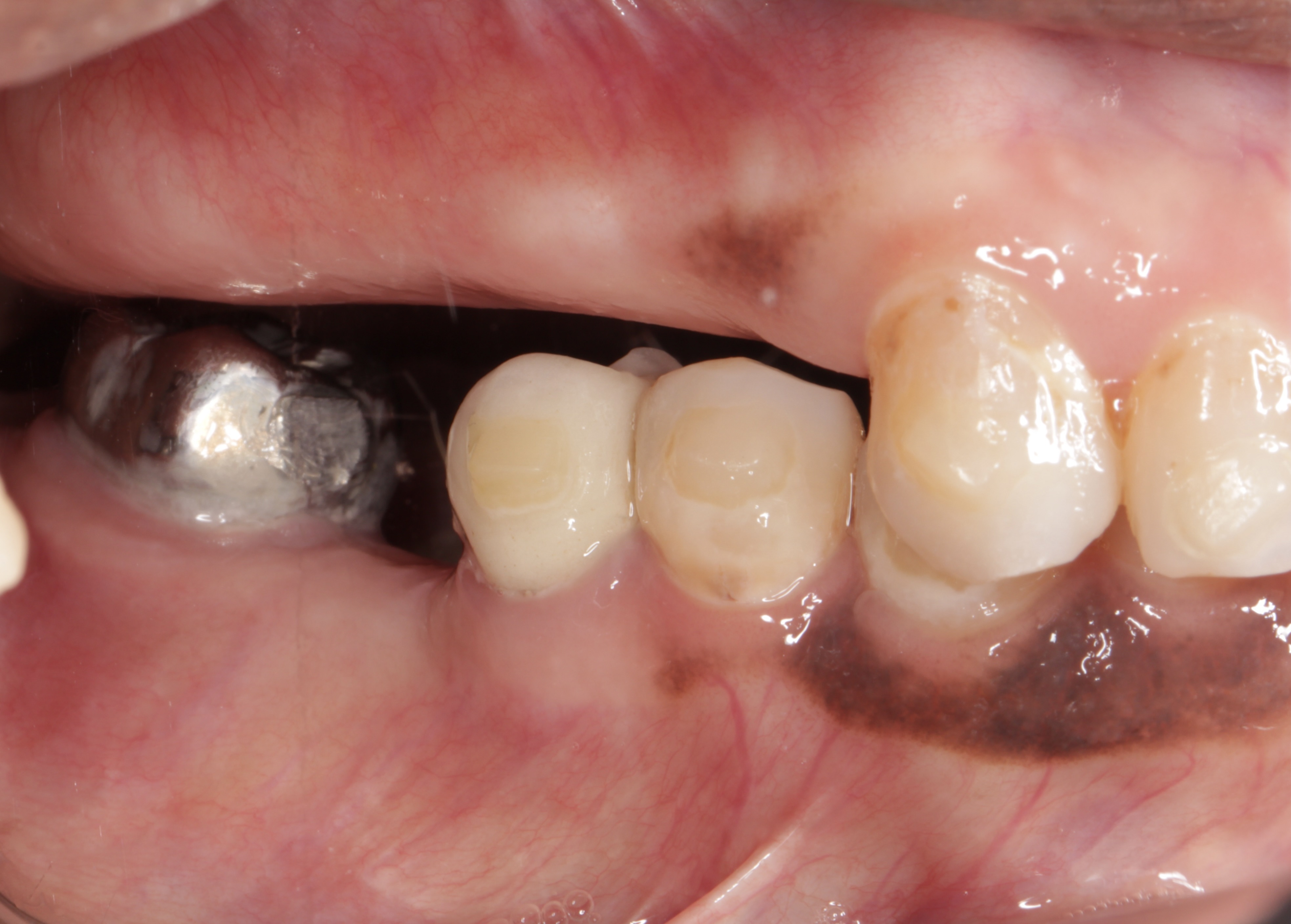
Shorter teeth do not necessarily leave room to rebuild them. When the bite has adapted to wear, the teeth still meet, and adding length requires creating space.
I assess whether there is enough room for the proposed tooth length and the thickness of the restorative material. Additional length may come from a planned change in bite height, tooth movement, adjusting the gum level, or a combination. The new tooth form must also allow the jaw to move freely without overloading the teeth or restorations.
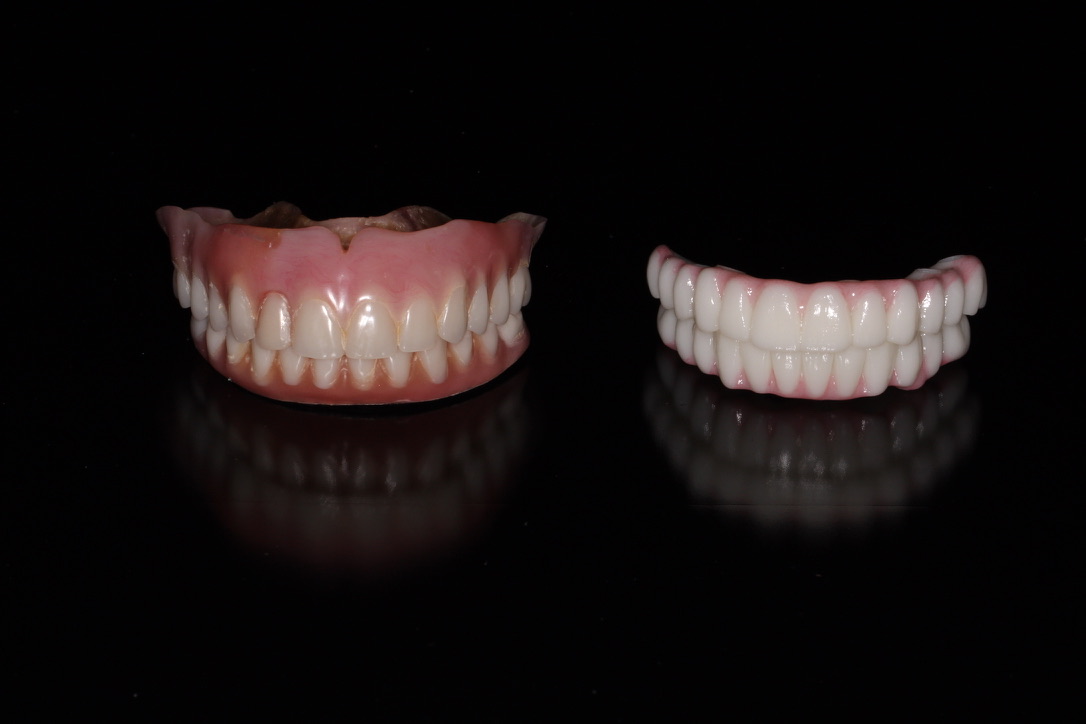
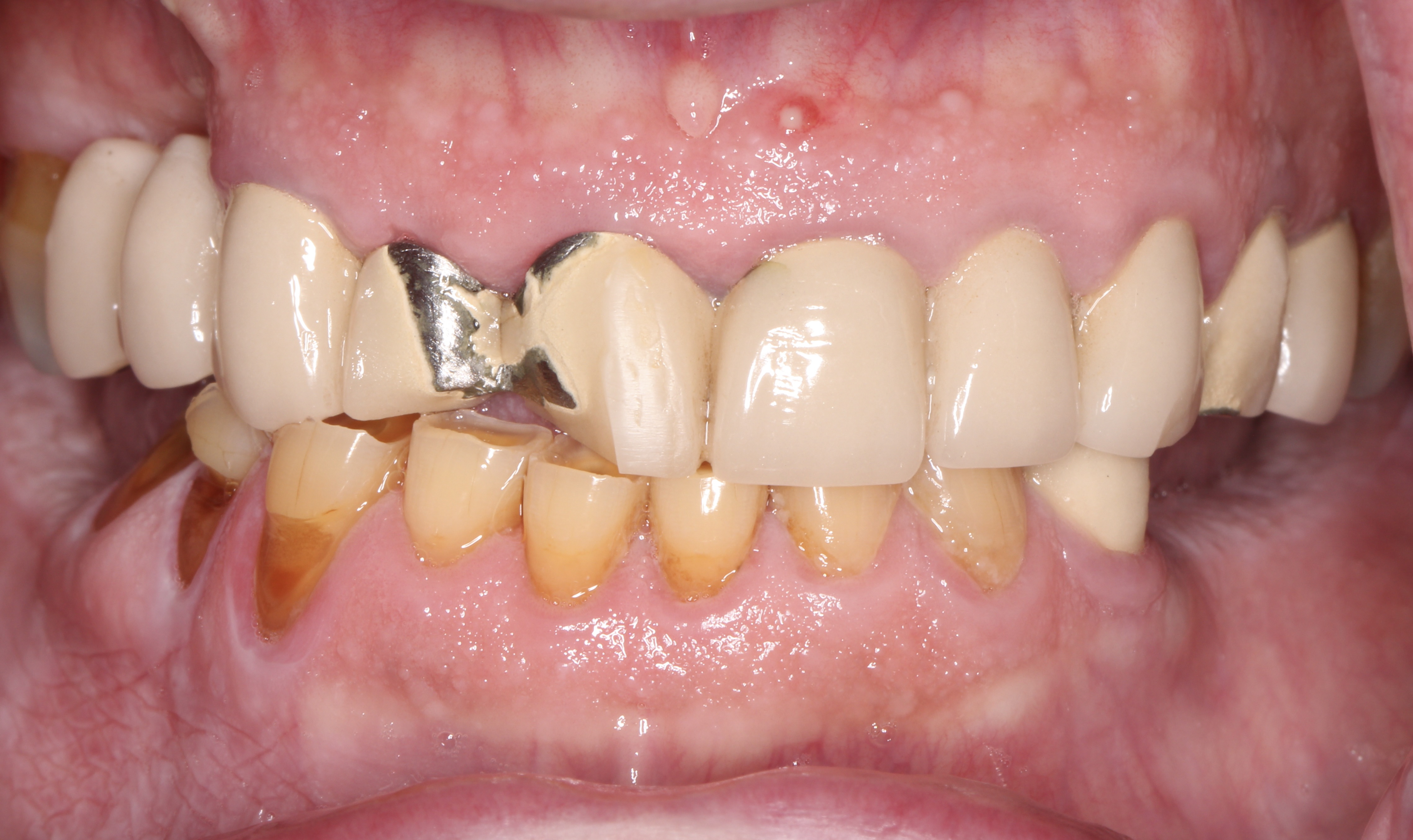
Restoring only the front teeth can be appropriate when wear is localized, the back teeth provide stable support, and adequate space exists or can be created. More extensive wear, missing teeth, or failing restorations may call for treatment of one arch or both through a coordinated full mouth restoration.
Even when only one arch needs treatment, its design must work with the opposing teeth. I explain that decision in Can Full-Mouth Restoration Be Done One Arch at a Time?
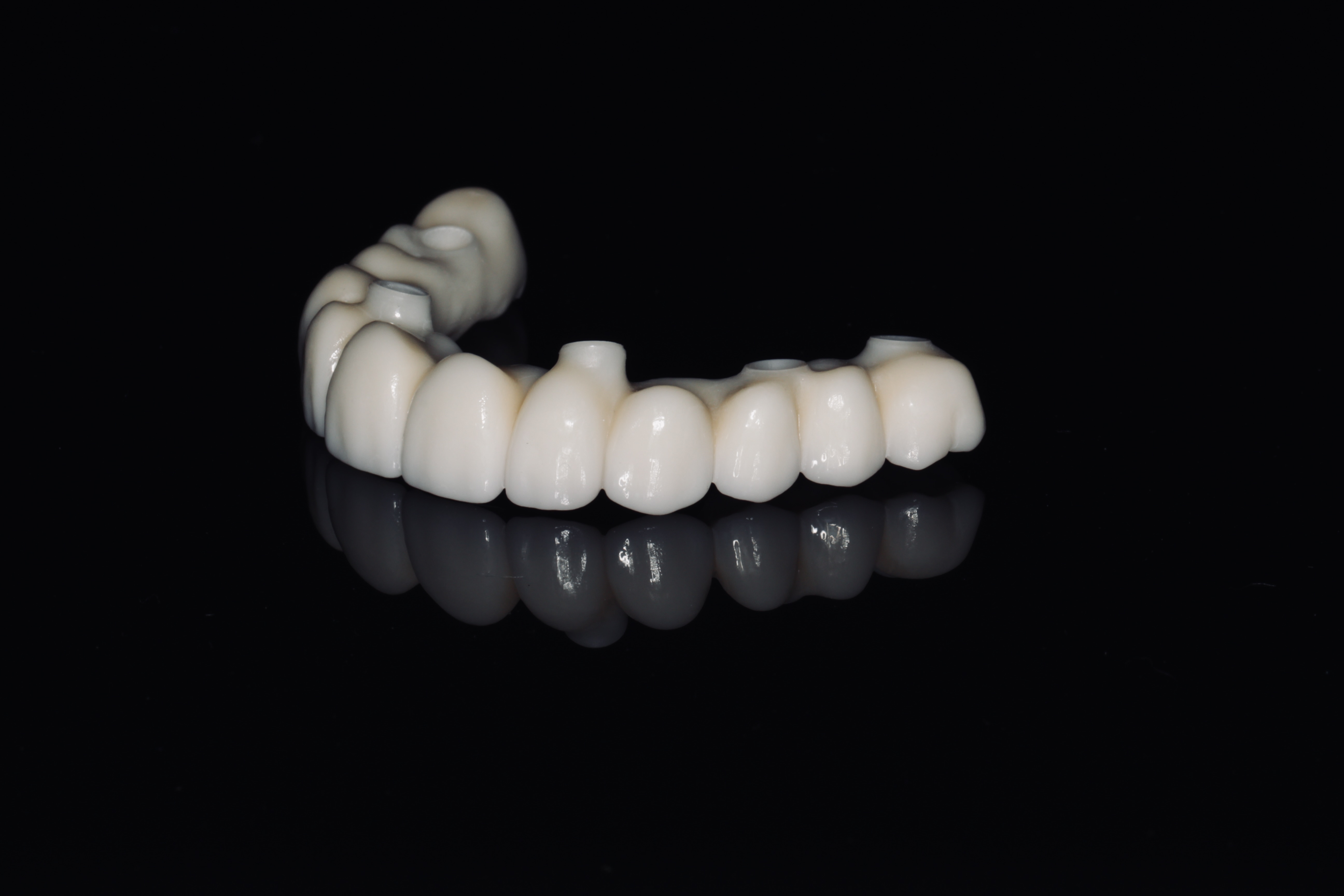
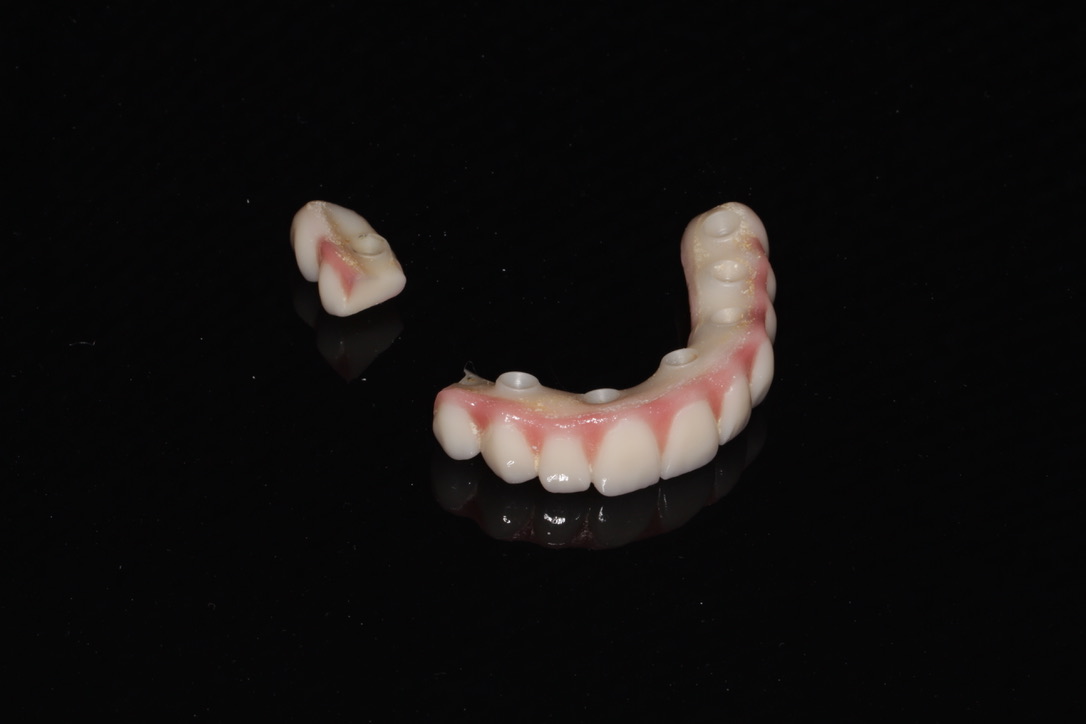
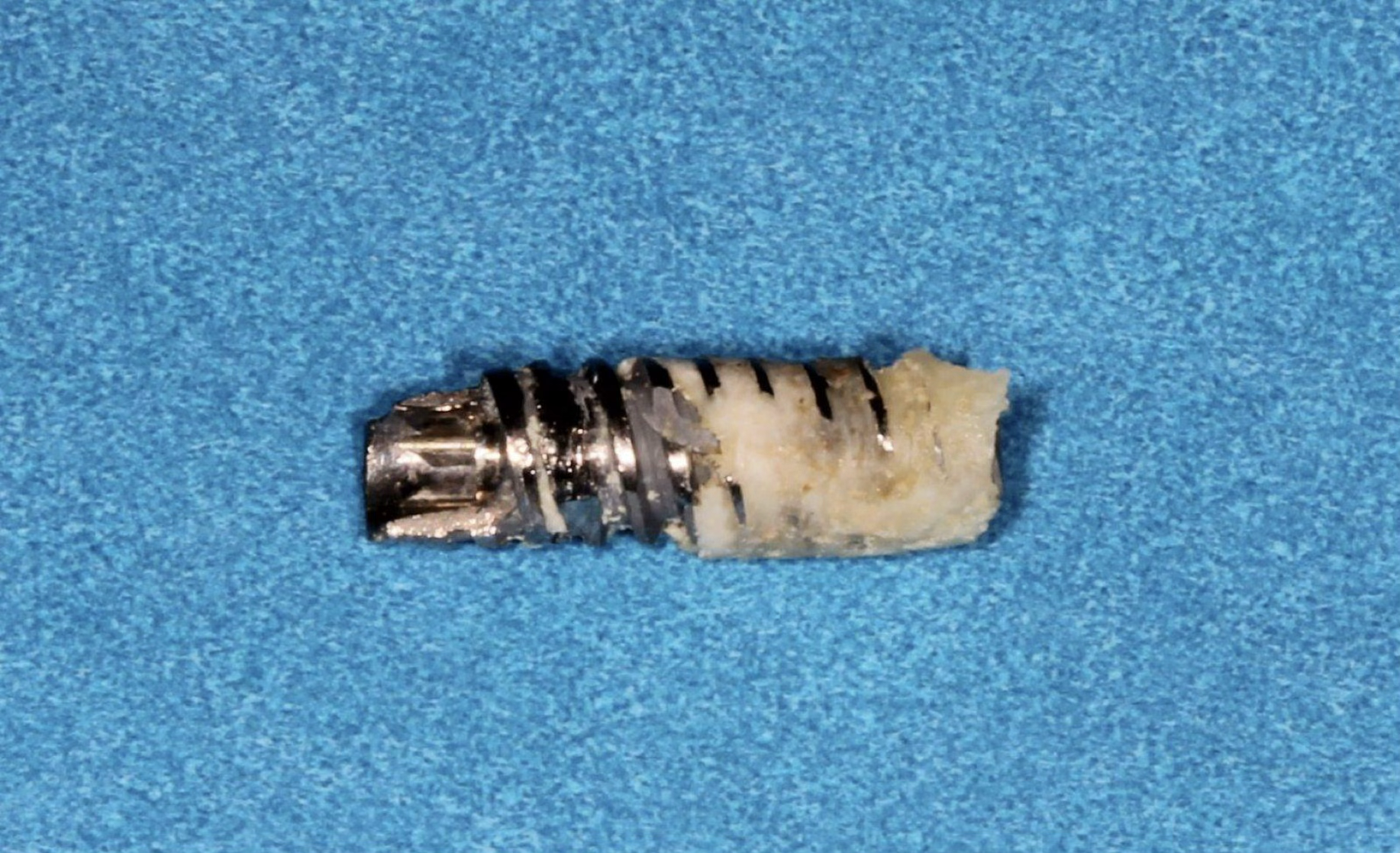
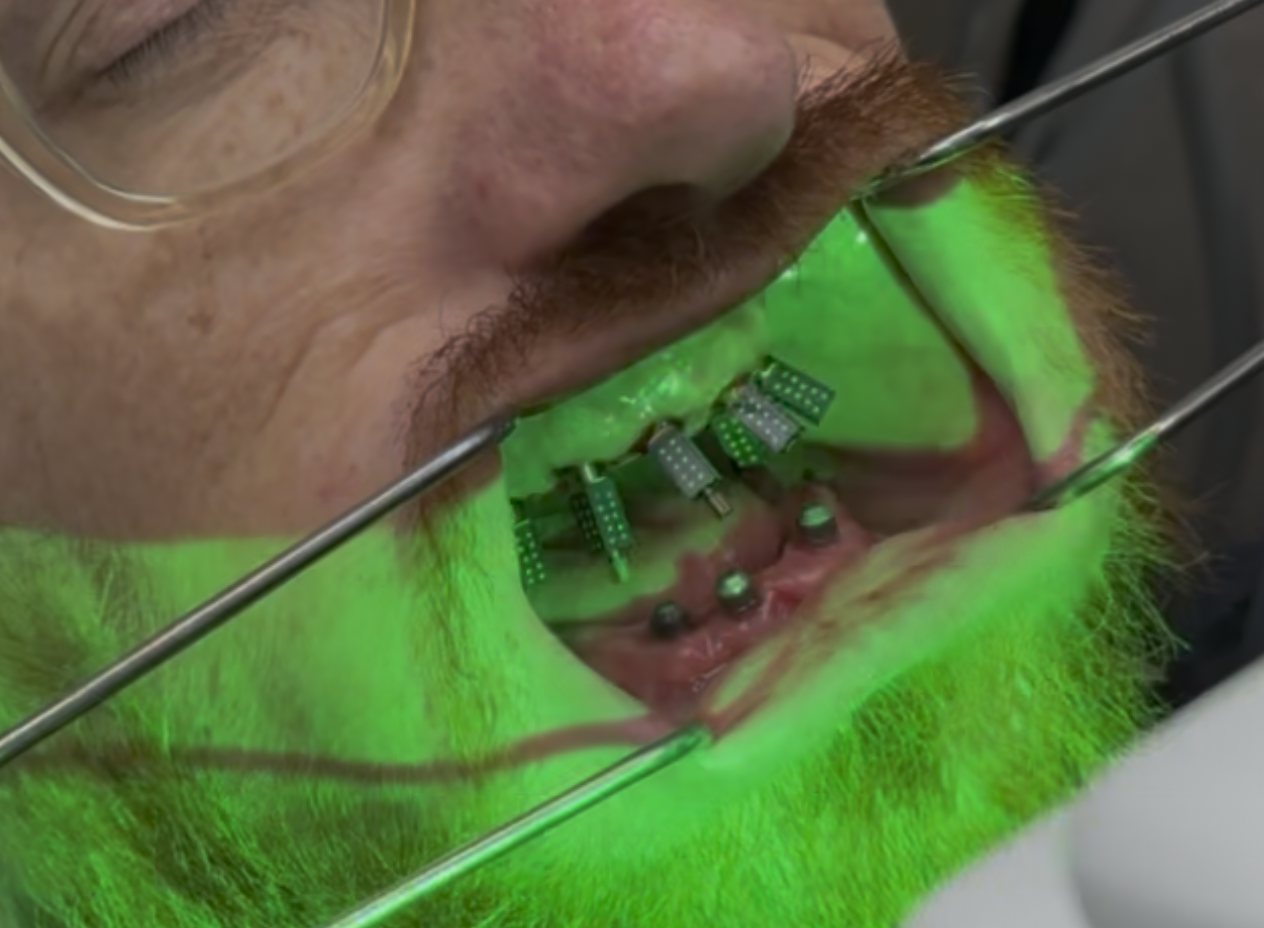
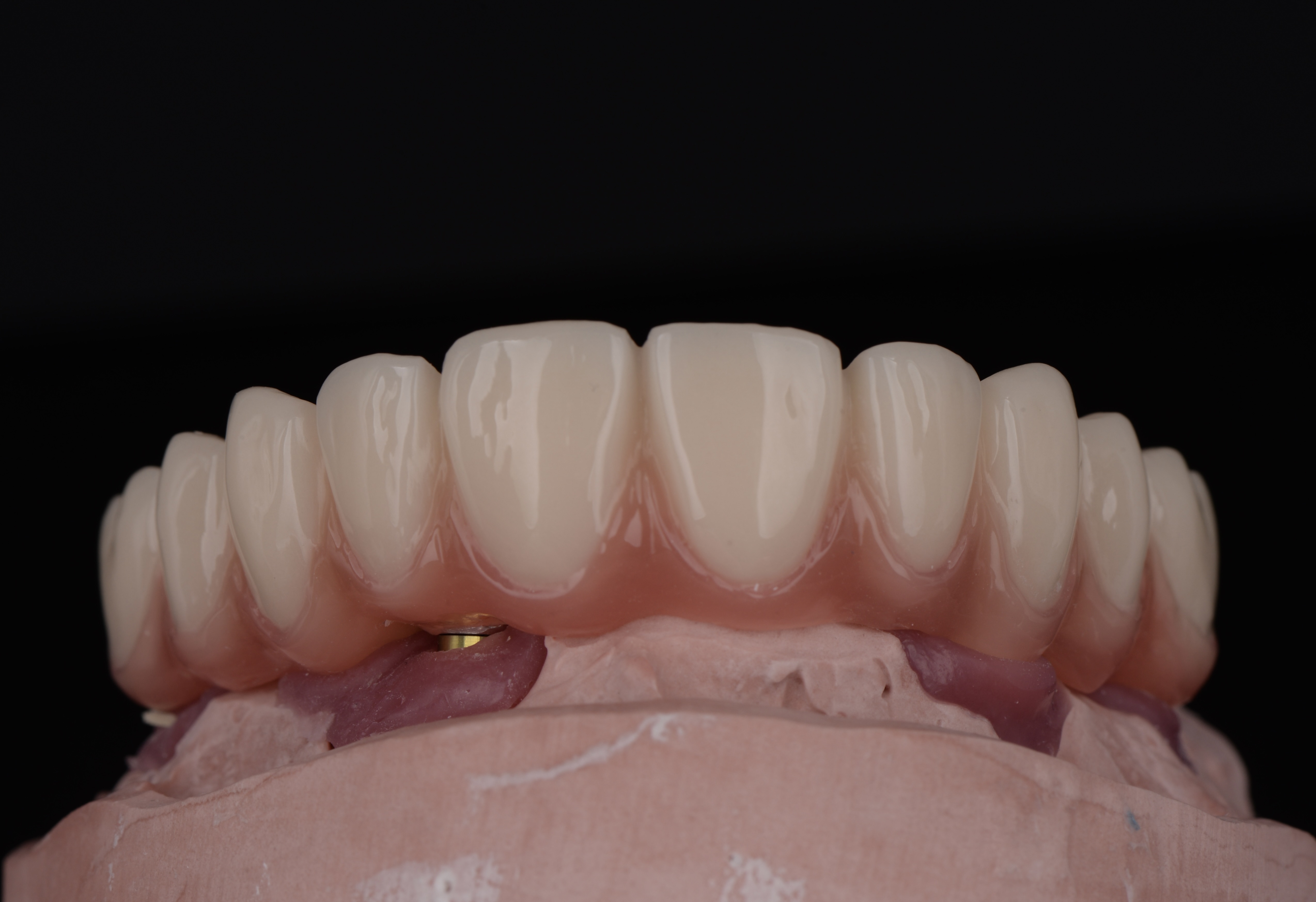
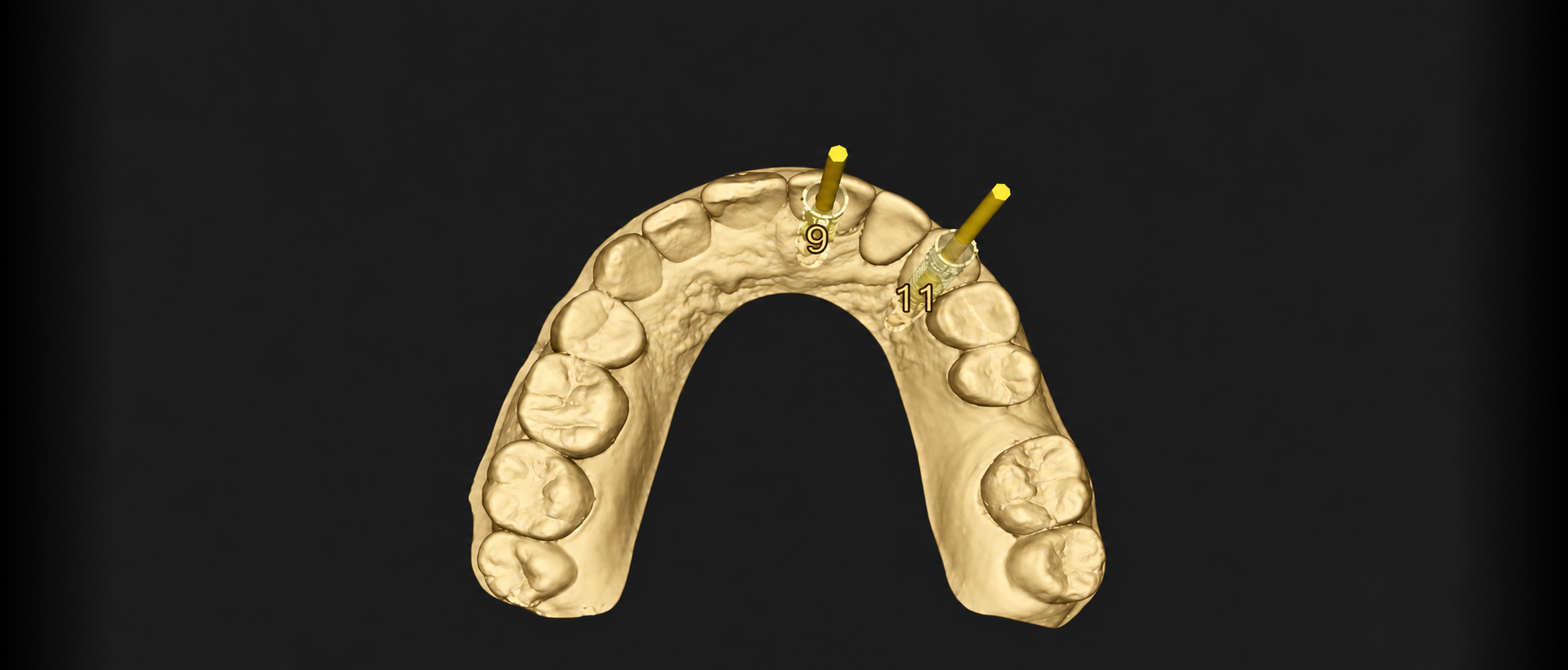
Teeth that can be kept are restored. When a tooth needs to be replaced, that is planned as part of the reconstruction and may involve implants.
I develop the tooth form and bite together, with esthetics and function designed from the beginning. Photographs of smiles you like can help communicate your preferences, and the design itself is developed for your facial proportions and clinical needs.
A mock-up allows me to assess the proposed tooth form in your mouth. For a reconstruction, the provisional prototype then lets me verify appearance, speech, comfort, and the bite during daily use. Your observations are part of that evaluation, and any refinements are incorporated before the final restorations are made.
Results and treatment needs vary from patient to patient. This article is for educational purposes only and does not replace an individual clinical examination, diagnosis, or treatment recommendation.