Can Acid Reflux Damage Your Teeth?
Acid reflux can contribute to permanent loss of tooth structure. But when I see worn teeth, reflux is only one of the possibilities I consider.
Tooth wear often develops through a combination of factors. Acid exposure may come from reflux, diet, or other sources. Mechanical forces from chewing, clenching, or grinding may occur at the same time. Saliva, medications, existing restorations, tooth position, and the patient's history can change how those factors affect the teeth.
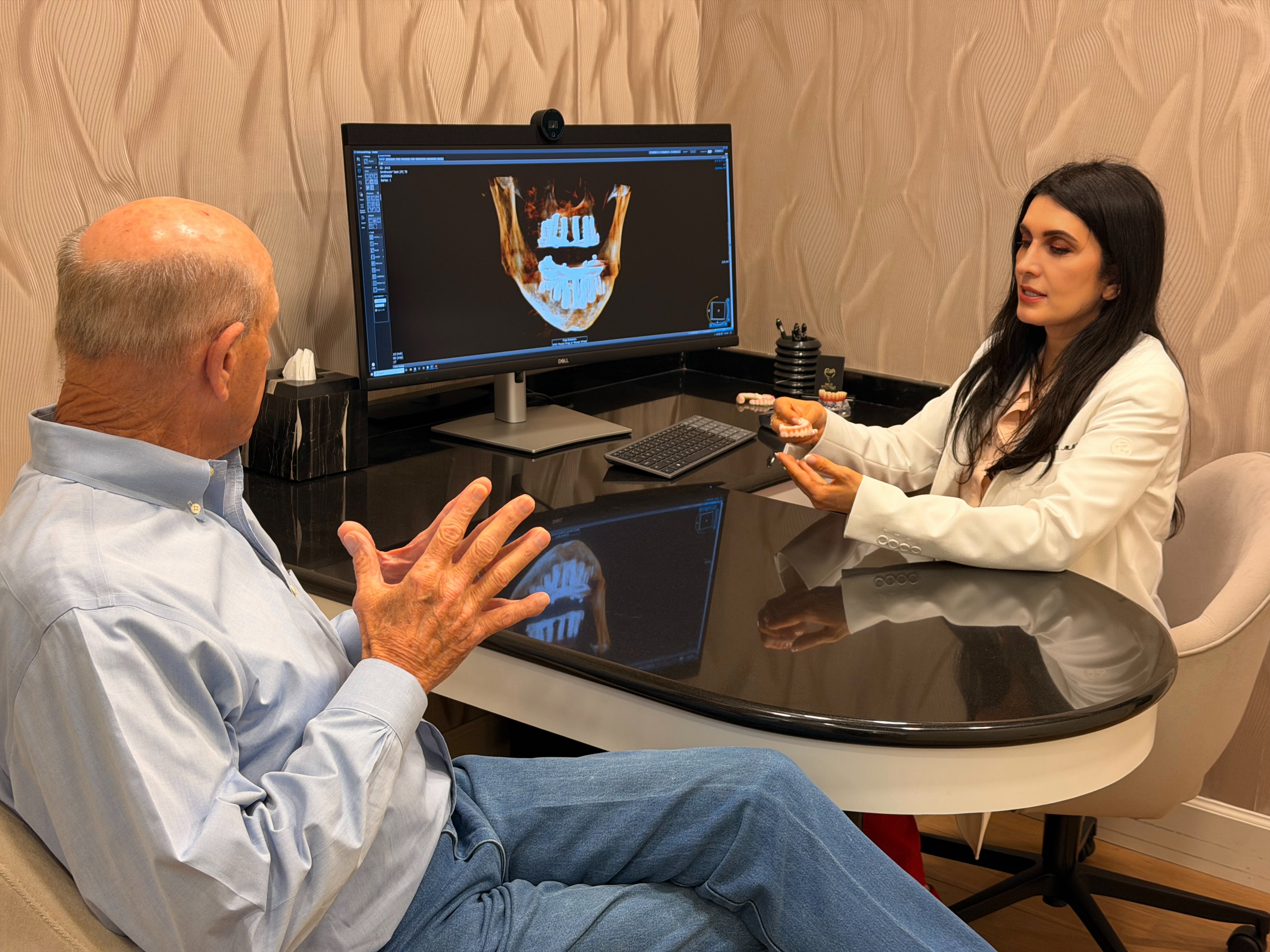
When I evaluate a patient with significant wear, I look at these relationships together. I want to understand the pattern of wear, when it developed, whether it appears to be progressing, and what conditions the teeth are functioning under now. That information becomes part of the diagnosis before I decide whether the patient needs monitoring, prevention, limited restorative treatment, or something more comprehensive.
So the important question is not simply, “Can reflux damage teeth?” It can. The more useful question is: What is causing this patient's tooth wear, and what needs to be addressed before we restore it?
Enamel is extremely strong, but repeated acid exposure can demineralize its surface. When acid challenges are frequent or prolonged, tooth structure can gradually be lost.
This is called erosive tooth wear, sometimes described more generally as dental erosion.
The acid can come from outside the body. Frequent exposure to citrus, carbonated or sports drinks, wine, and other acidic foods and beverages are examples. Or the acid can come from inside the body when gastric contents repeatedly reach the mouth. Acid reflux is one possible source of that intrinsic acid exposure.
Erosive tooth wear is different from a cavity. Tooth decay involves acids produced by bacteria within dental plaque. Erosive tooth wear involves direct chemical acid exposure that is not caused by those bacteria.
Grinding is often part of the conversation when teeth appear worn, but it is not always the whole explanation.
Tooth-to-tooth contact can contribute to mechanical wear. Acid exposure can demineralize tooth surfaces and contribute to chemical loss of tooth structure. In the same patient, both processes may be occurring.
That interaction matters. Tooth surfaces repeatedly exposed to acid may become more vulnerable to additional mechanical wear from chewing, clenching, grinding, or other friction.
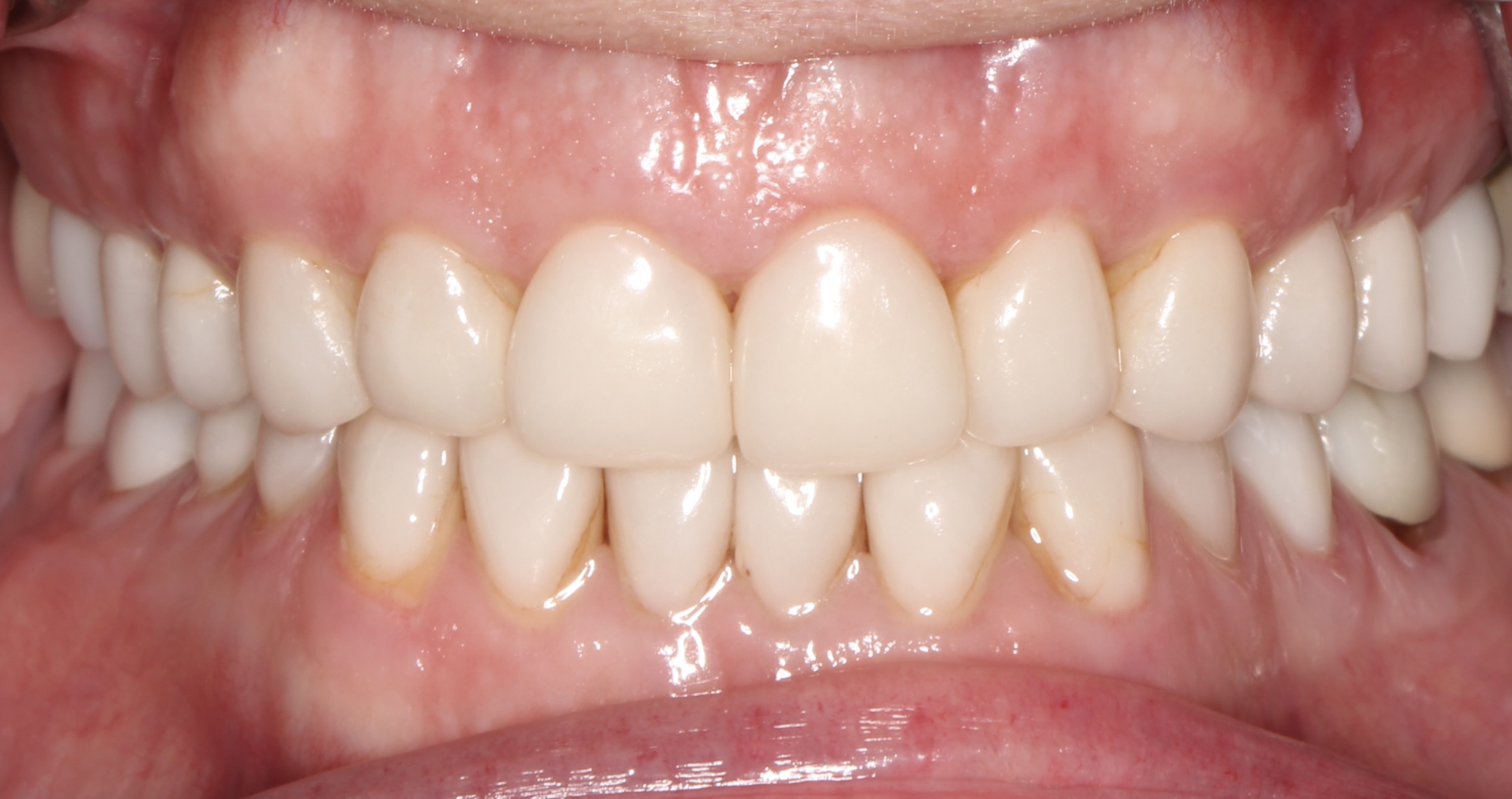
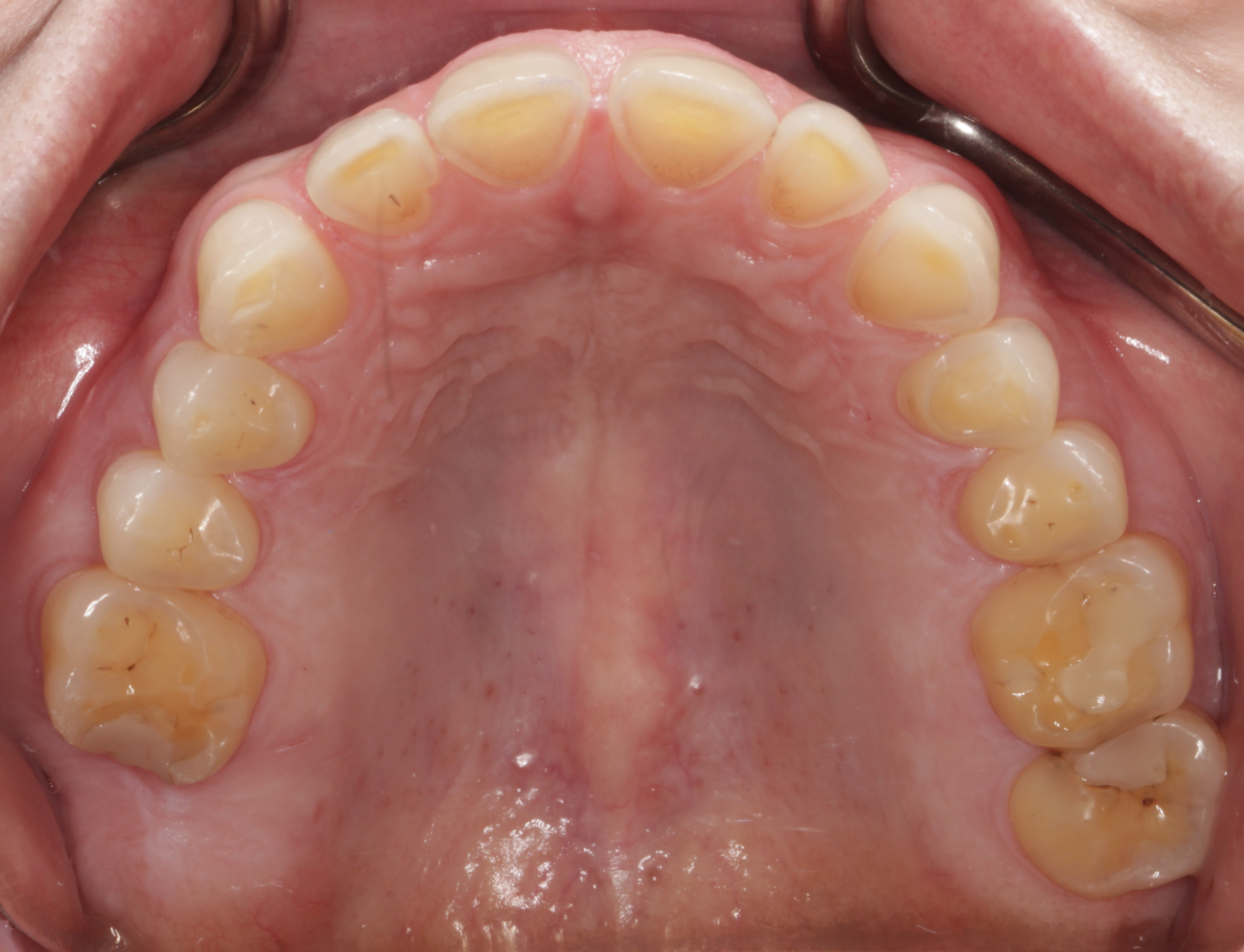
The patterns can look different. Erosive wear may create smooth or cupped areas, thinning of enamel, rounded contours, or loss of normal surface anatomy. Tooth-to-tooth wear may create flatter opposing facets where teeth have repeatedly contacted.
But real mouths do not always follow textbook patterns. Chemical and mechanical processes frequently overlap.
When gastric contents repeatedly reach the mouth, the inside surfaces of the upper teeth and the chewing surfaces may be affected.
That pattern can make me ask more questions about reflux or other sources of acid exposure. It does not allow me to diagnose GERD from the teeth.
Diet, saliva, oral habits, tooth position, mechanical wear, and the frequency and duration of acid exposure can all influence what the final pattern looks like.
Dental findings can raise a question. They do not replace a medical diagnosis.
Not everyone with reflux describes classic heartburn.
Some people report regurgitation, an acidic or bitter taste, throat symptoms, or other gastrointestinal concerns. Those symptoms can have more than one cause and require medical evaluation rather than a dental conclusion.
Sometimes a patient already has a diagnosis of GERD. Other times, the dental findings and medical history simply give us a reason to suggest discussing reflux with the appropriate medical provider.
As a prosthodontist, I am evaluating what has happened to the teeth and what may still be affecting them. I am not diagnosing the gastrointestinal condition.
Two patients with apparently similar acid exposure do not necessarily develop the same amount of tooth wear.
Saliva helps dilute and buffer acids and supports the natural remineralization of tooth surfaces.
When saliva is reduced because of medications, dehydration, medical conditions, or other factors, the mouth may have less ability to recover from repeated acid challenges.
Imagine rebuilding teeth that have lost substantial structure without considering why the damage occurred. The new restorations will enter the same mouth.
Before restoring worn teeth, I want to know whether I am treating the result of a process that occurred in the past or placing new restorations into an environment where the destructive process is still active.
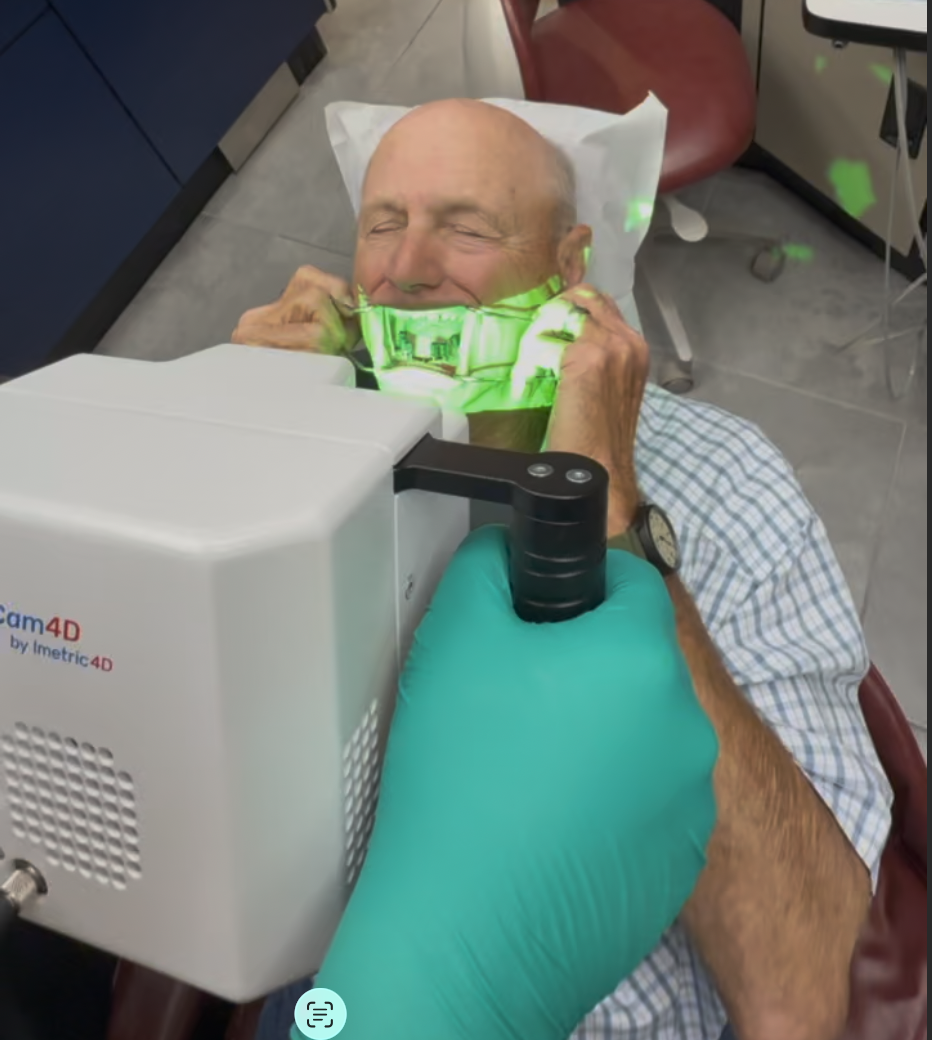
A wear pattern may reflect damage that occurred years ago, a process that is continuing today, or both. History, photographs, digital scans, existing restorations, symptoms, and changes observed over time can help us understand whether the dentition appears stable or continues to change.
If significant acid exposure is continuing, that matters. If the patient is also clenching or grinding, that matters. If the shape and relationships of the teeth have changed as they have worn, that matters. When several dental problems begin interacting, they may need to be understood together.
This does not mean restorative treatment must always wait until every contributing factor is completely eliminated. It means the likely causes, current activity, and ways to reduce further damage should become part of the restorative plan whenever possible.
Yes, progressive loss of tooth structure can change tooth length, shape, translucency, and surface anatomy.
But acid exposure is only one reason teeth may appear short. If the concern is primarily that your teeth look shorter than they once did, the more important question is why they look short before deciding how to make them longer.
No. The presence of erosion does not determine the treatment.
Some patients need prevention, management of contributing factors, and monitoring rather than restorative treatment. Others have lost enough tooth structure that treatment becomes appropriate because of sensitivity, structural damage, appearance, function, or a combination of concerns.
And when wear is severe and generalized, placing veneers only on the front teeth may not address the larger restorative problem. The decision between conservative additions, veneers, crowns, or more comprehensive treatment depends on what remains, the functional demands, and the overall plan. I discuss that restorative decision in Veneers or Crowns: How Is the Right Restoration Chosen?
The first goal is not automatically to replace the lost enamel with dentistry. It is to understand the source of the acid exposure and reduce continued damage where possible.
If reflux is suspected or poorly controlled, medical evaluation may be appropriate. Persistent or concerning symptoms should be discussed with the appropriate medical provider.
From the dental side, I may look at acidic foods and beverages, oral hygiene habits, fluoride exposure, saliva and dry mouth, wear patterns, and whether tooth structure appears to be continuing to change.
One practical point is timing. After reflux, vomiting, or another significant acid exposure, the mouth remains acidic for a period of time. Brushing immediately adds mechanical abrasion while the teeth are still in that acidic environment, which can contribute to additional surface loss.
Rinsing with water and allowing saliva time to help buffer and neutralize the mouth before brushing is generally preferable to immediately scrubbing the teeth.
Early erosion and a severely worn dentition are very different clinical situations.
When substantial tooth structure has already been lost, I need to understand what remains and what the new dentistry will be asked to do.
Have the teeth become significantly shorter or thinner? Has dentin become exposed? Are restorations beginning to fail? Is there enough room to rebuild the teeth without making them too bulky or disrupting the bite? Are mechanical forces accelerating the damage?
When wear has become severe and generalized, the restorative implications may extend beyond individual teeth. Severe tooth wear can change the space, form, and functional relationships that need to be considered when rebuilding the dentition.
In selected patients, that may lead to consideration of full-mouth restorative treatment. In others, treatment may remain limited and conservative.
Once tooth structure has been lost, restorative dentistry can replace some of what is missing. It cannot make the conditions that caused the wear irrelevant.
My treatment plan depends on what I find: how much structure remains, whether the wear appears stable or progressive, what functional demands are present, and whether contributing factors can be reasonably managed.
For one patient, that may mean prevention and monitoring. For another, a limited restoration may be appropriate. And when substantial wear has affected many teeth and changed the way the dentition functions, the restorative plan may need to be more comprehensive.
The amount of dentistry should follow the diagnosis—not the other way around.
Results and treatment needs vary from patient to patient. This article is for educational purposes only and does not replace an individual clinical examination, diagnosis, or treatment recommendation.