Why Does a Dental Implant Crown Keep Coming Loose?
When an implant crown becomes loose once, sometimes the solution is relatively straightforward.
When it keeps happening, I start asking a different question: Why does it keep coming loose?
Tightening or replacing a screw may solve the immediate problem. But when the same complication returns, I want to understand the forces acting on that restoration and how it is functioning within the rest of the mouth.
Sometimes the loose crown is the problem. Sometimes it is a clue to a bigger one.
Patients often tell me, “My implant is loose.” But the implant itself may be completely stable.
An implant restoration has several parts. The crown may be retained with a screw or with dental cement, and other restorative components connect it to the implant in the bone.
A crown can lose cement retention. A screw or restorative component can loosen or become damaged. Or the implant itself can move, which is a very different situation and needs prompt evaluation.
So the first step is simple: determine what is actually moving. Once I know that the implant itself is stable and the problem is restorative, the more important question—especially when it has happened repeatedly—is why.
An implant crown does not function by itself. It functions against opposing teeth and alongside the rest of the dentition. Every time we chew, swallow, clench, or move the jaw, forces are distributed through the teeth and restorations.
That is why recurrent screw loosening makes me look beyond the screw. I want to understand the environment in which that implant crown is functioning.
Is the rest of the dentition heavily worn? Are there flattened or fractured teeth? Are multiple restorations showing signs of mechanical stress? Has the way the teeth come together changed? Is there evidence of clenching or grinding? Is one implant restoration carrying forces differently from the surrounding teeth?
These findings can be much more informative than simply knowing that a screw became loose.
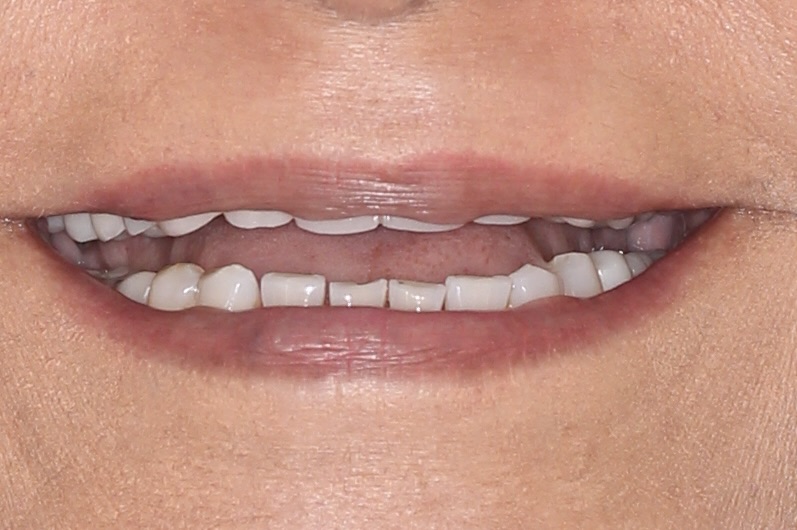
A severely worn dentition is not simply a collection of shorter teeth. The shape of the teeth, their contacts, the way the front and back teeth relate during movement, available restorative space, and the overall occlusal scheme may all be different from what they once were.
Now place an implant crown into that environment. Even if the implant itself is healthy, the restoration still has to function within the existing system.
If the surrounding teeth are heavily worn, if the opposing dentition has changed, or if the patient generates substantial functional or parafunctional forces, recurrent loosening may be one of several signs that deserve attention.
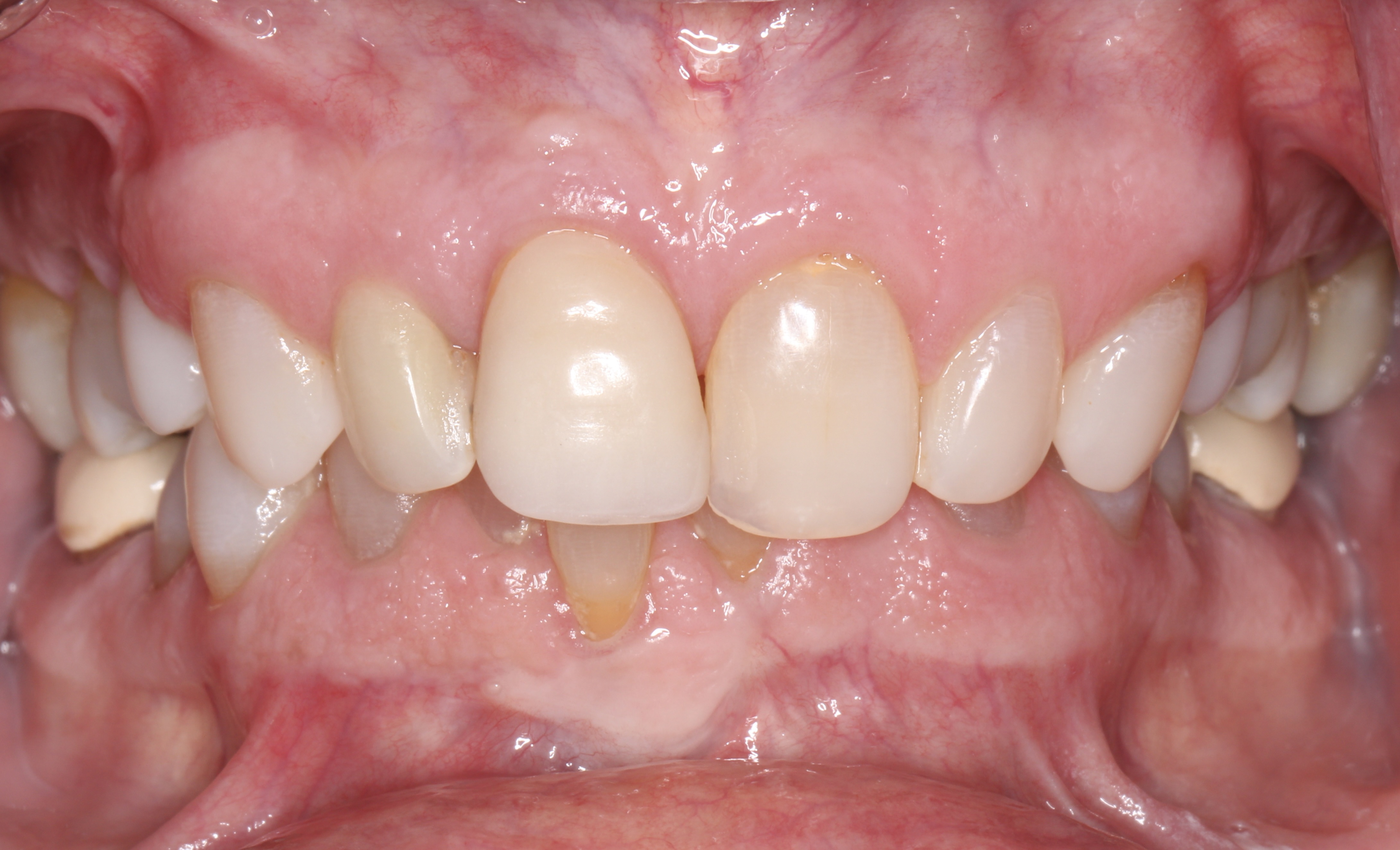
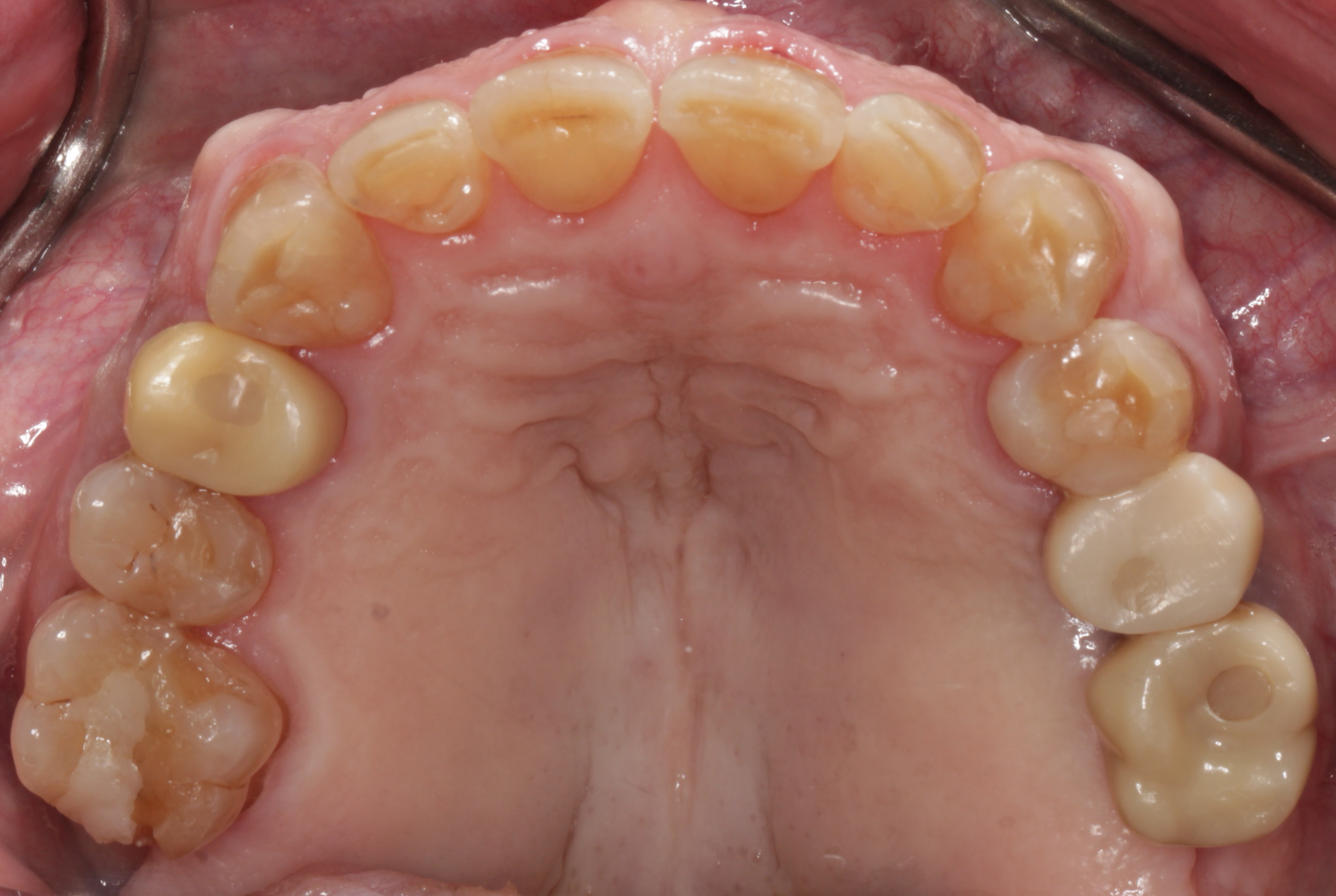
I have seen this in my own patients. In one case, a patient with a severely worn dentition presented with a fractured implant screw, while another implant restoration repeatedly loosened over time. I did not view those complications in isolation. The wear pattern, occlusal relationships, and mechanical demands throughout the dentition were part of the larger clinical picture.
This does not mean that every patient with worn teeth needs comprehensive treatment. It means that when a mechanical complication keeps returning, I want to understand the mouth in which it is occurring.
When people hear that an implant complication may be related to the bite, they often imagine a dentist checking whether one crown hits too hard and simply grinding it down.
Sometimes an isolated contact really does need adjustment. But function is broader than that.
I may want to understand how the teeth contact when the patient closes, how they move against one another during chewing and jaw movements, how forces are distributed between the front and back teeth, what the implant crown is opposing, and whether the existing occlusal scheme makes sense for that patient's dentition.
That is very different from automatically saying, “Your bite is off.” The goal is to understand how the restoration is functioning. A bite that feels unstable can also have several possible explanations, which I discuss in Why Does It Feel Like I Can’t Find My Bite?
Clenching and grinding can place significant demands on natural teeth, restorations, and implant-supported crowns.
But I would not look at a loose implant crown and automatically conclude that grinding caused it. I look for the rest of the story.
Wear patterns, fractured or chipped restorations, muscle history, repeated mechanical complications, changes in tooth anatomy, and the overall condition of the dentition can all contribute information.
Parafunction may be important. It may also be only one part of a more complicated functional picture.
Function does not replace restorative design. They have to be considered together.
The implant has a particular position, and the crown has to be designed around that position. Its height, contours, contacts, cusp form, and relationship to the opposing teeth influence how forces are transferred through the restoration.
This is one reason I believe implant treatment should be planned with the final tooth in mind.
An implant placed in a favorable restorative position generally gives us more favorable options for designing the crown. When the position is less ideal, compromises may sometimes be necessary.
But when I see recurrent loosening, I don't look at implant position in isolation. I look at the restoration and the functional environment together.
No. Not necessarily.
A screw, crown, or other restorative component can become loose while the implant itself remains completely stable in the bone.
Actual movement of the implant is different and needs prompt professional evaluation. Swelling, drainage, discomfort, or changes in the tissues or bone around an implant also deserve attention.
That is why the first distinction matters: is this a restorative complication, a problem involving the implant itself, or both?
Sometimes tightening or replacing a screw is exactly the appropriate treatment. A simple problem should remain a simple problem.
But when loosening keeps returning—especially in a mouth with severe wear, fractured restorations, altered tooth anatomy, or other signs of mechanical stress—I want to understand the functional environment before deciding that another tightening is enough.
The appropriate treatment may still be limited to the implant crown. In other cases, the implant complication may be one part of a larger pattern in which apparently separate dental problems need to be looked at together.
If an implant crown is moving, I would not ignore it, continue heavily chewing on it, or try to tighten or glue it yourself. Have it evaluated while the problem is still identifiable and before additional components are damaged.
This article is educational and is not a substitute for an individual examination, diagnosis, or treatment recommendation.