Missing Back Teeth and Worn Front Teeth: The Hidden Connection
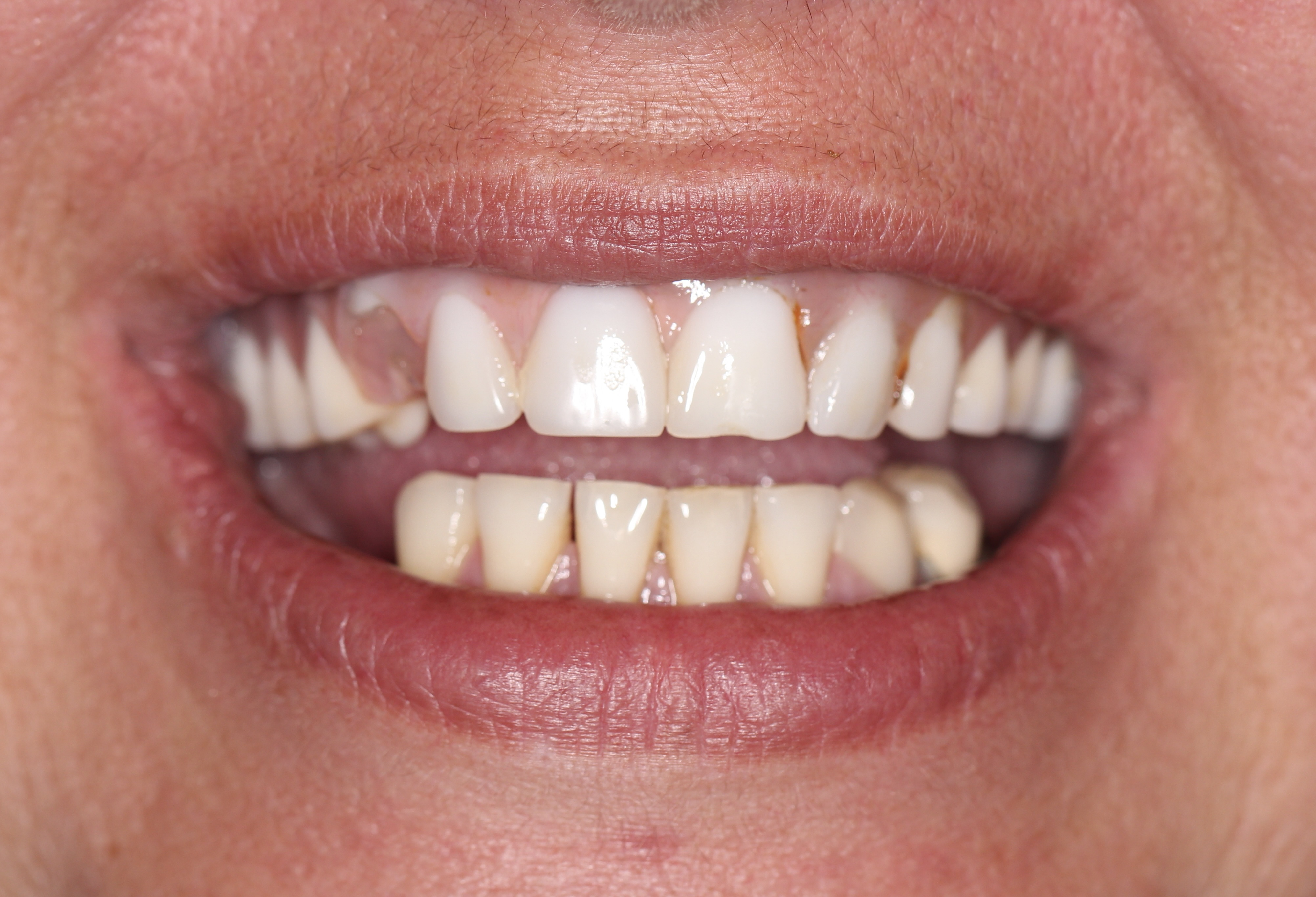
When front teeth begin chipping, flattening, or spreading apart, patients naturally focus on the teeth they see in the mirror. They want their smile restored.
Missing or damaged back teeth may seem like a separate concern. But when the bite has lost support, restoring the front teeth involves more than changing their appearance.
The teeth function together. What happens in the back of the mouth can affect the demands placed on the front.
The back teeth have broad chewing surfaces that help crush food and provide support when the jaw closes. The front teeth cut food, contribute to speech and appearance, and help guide how the teeth move against one another.
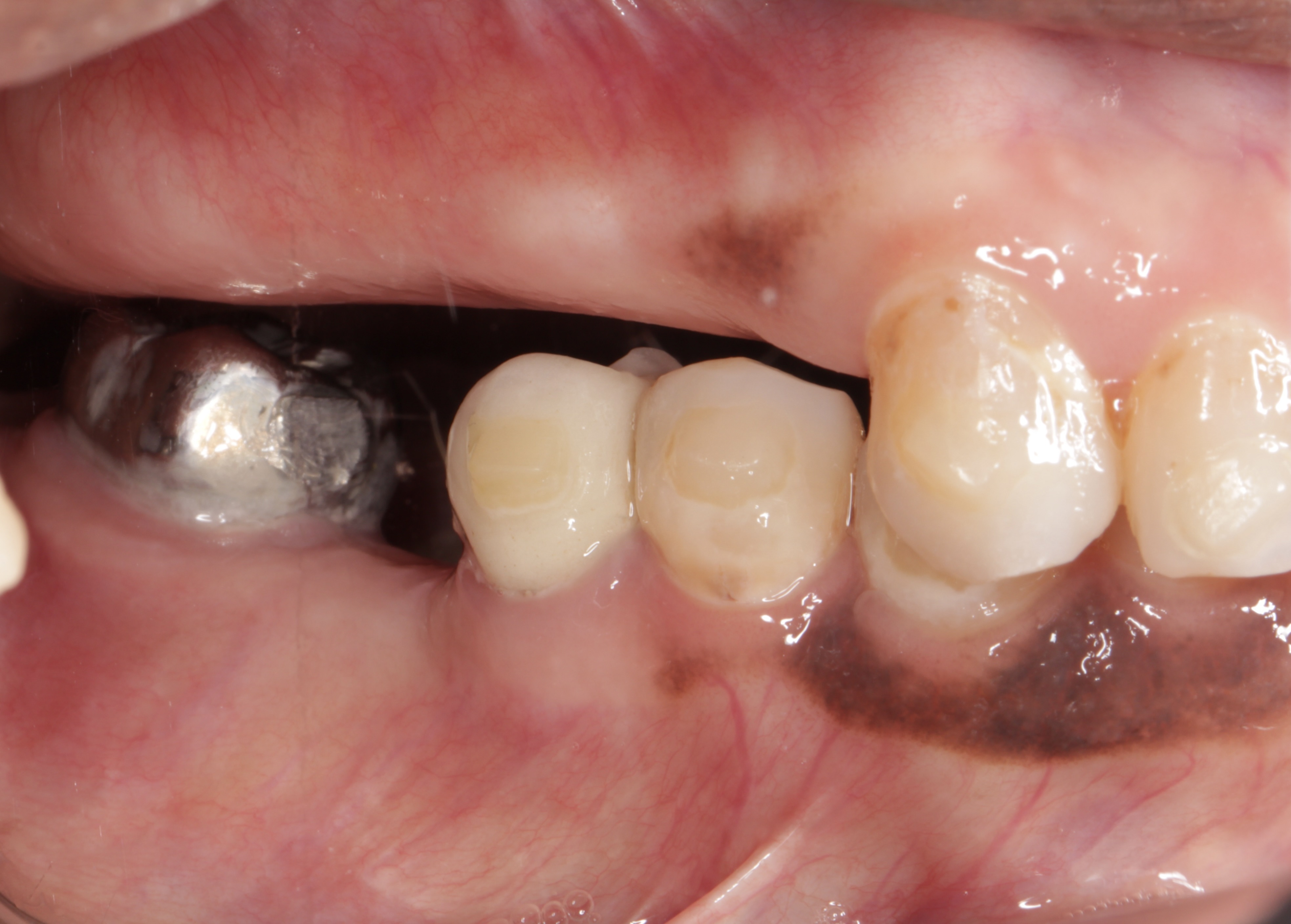
When back teeth are missing, severely worn, or supported by failing restorations, the front teeth may take on heavier contact. The effect depends on which teeth remain, how they meet, and whether their supporting tissues are healthy.
A missing molar and a mouth with extensive loss of back-tooth support are different situations. The remaining support matters as much as the empty spaces.
When support from the back teeth becomes inadequate, the way the jaw closes and the teeth contact can change.
In some patients, the bite closes farther, bringing the lower front teeth more heavily against the upper teeth. In others, tooth movement changes where the contacts occur without an obvious change in overall bite height.
Repeated heavy contact, especially in patients who grind or clench, can contribute to worn edges, thinning tooth structure, and chipping. These forces also matter when the front teeth already have bonding, veneers, or crowns.
Spreading or flaring of the front teeth requires attention to the gums and supporting bone as well. Teeth that have lost support through periodontal disease are more vulnerable to movement. An increasing gap between teeth may therefore involve both the bite and the health of the tissues holding the teeth in place.
The term "bite collapse" is sometimes used to describe a mouth that feels different after losing teeth. Patients may notice deeper overlap of the front teeth, changes in their smile, or difficulty finding comfortable chewing contacts.
Those changes deserve evaluation, but missing back teeth do not automatically mean the face has become shorter.
Teeth and their supporting tissues can adapt over time, maintaining contact even as tooth structure is lost. Significant wear and altered contacts can exist without a clear reduction in bite height.
The practical questions are how much support remains, where the teeth contact, and whether there is enough space to restore their shape and function.
Sometimes limited treatment is appropriate. But when inadequate back-tooth support is contributing to damage in the front, the treatment plan needs to address that relationship.
Bonding, veneers, and crowns all function against opposing teeth. If a new restoration becomes a heavy contact in an unstable bite, changing the material alone does not resolve the problem.
Repeated chipping, fracture, or loosening can follow when the conditions damaging the teeth remain in place.
I plan tooth length, shape, and bite together. Esthetics and function are designed simultaneously.
The intended position and length of the front teeth help determine the design of the back teeth. The available support and space farther back also influence what can be achieved in the front.
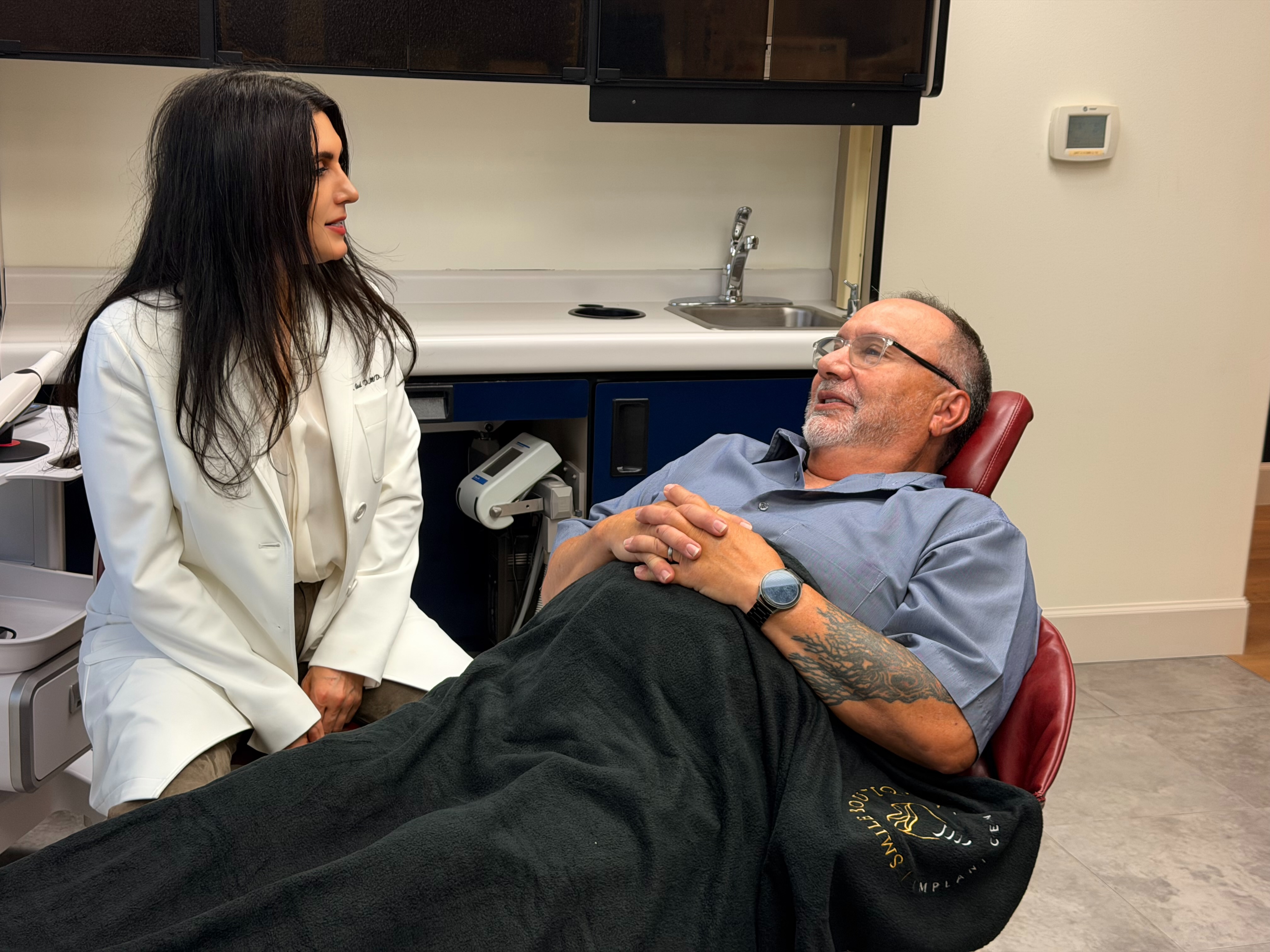
The examination includes the remaining teeth, existing restorations, gum and bone support, and contacts during closure and movement. From those findings, I develop a coordinated plan for the mouth.
That plan may include restoring worn natural teeth, replacing missing teeth with implants or bridges, or addressing periodontal problems. Each treatment has a role in the intended result.
For complex cases, provisional restorations allow the proposed tooth relationships to be evaluated and refined together. Appearance, speech, comfort, and function are assessed before the final restorations are completed.
Treatment may take place in stages, but those stages follow one overall design.
Long-term care includes monitoring the restorations, supporting tissues, and bite. Grinding, clenching, and other contributors to wear remain relevant after treatment. A protective appliance may be part of that care when indicated.
Replacing missing back teeth can do more than improve chewing. When lost support is contributing to damage, rebuilding that support is part of restoring and protecting the front teeth patients want to keep.
Results and treatment needs vary from patient to patient. This article is for educational purposes only and does not replace an individual clinical examination, diagnosis, or treatment recommendation.