Are There Alternatives to All-on-X?
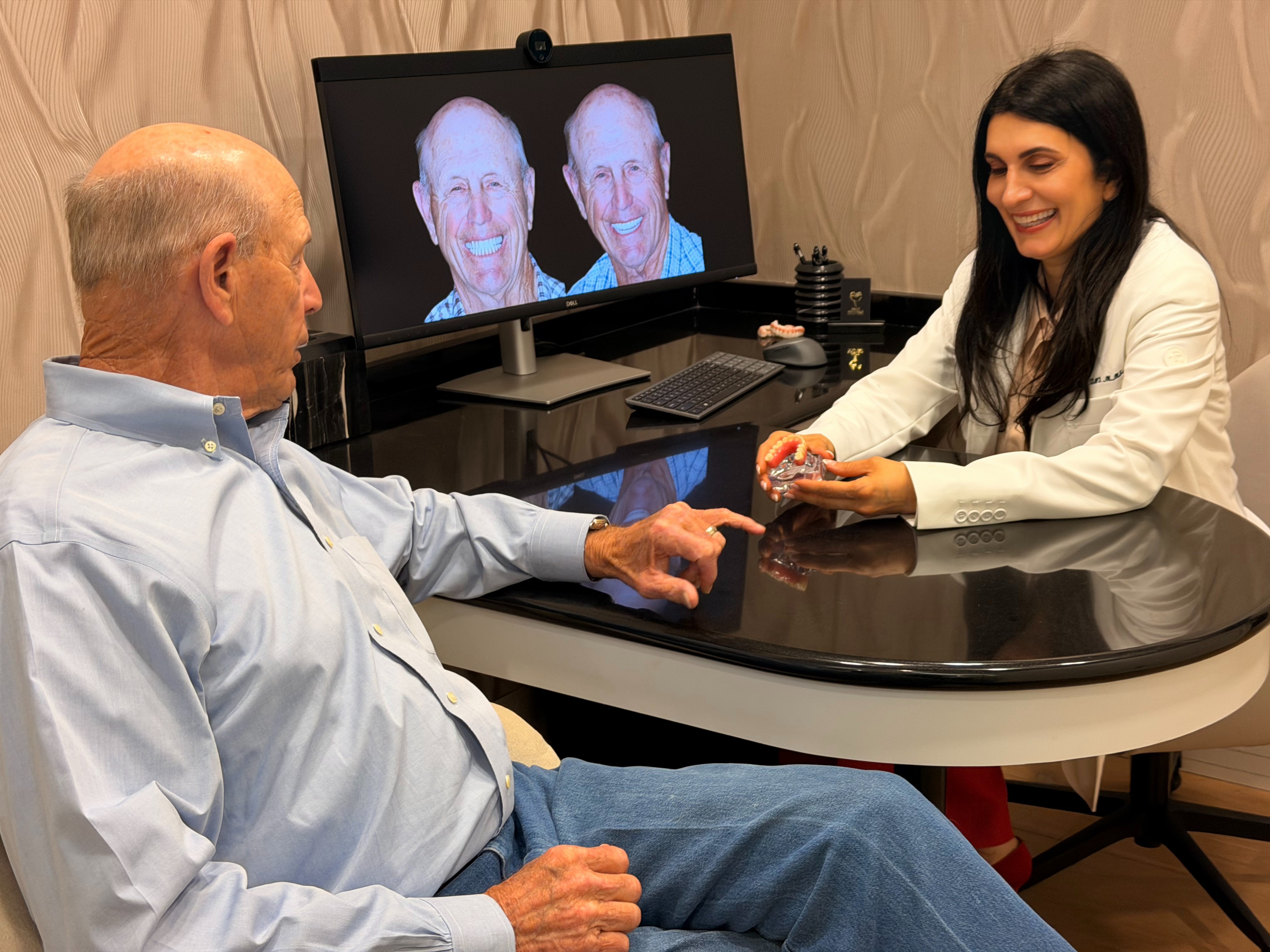
Many patients come to me after being offered All-on-X at a practice focused primarily on dental implants. They do not want all their remaining teeth removed and have been advised to see a prosthodontist to explore their options.
They deserve to know whether their teeth can be restored predictably, whether only certain teeth need to be replaced, and why removing an entire arch has been recommended.
An evaluation focused on full-arch implants may not fully explore the possibilities for restoring natural teeth. I assess those possibilities before recommending a treatment plan.
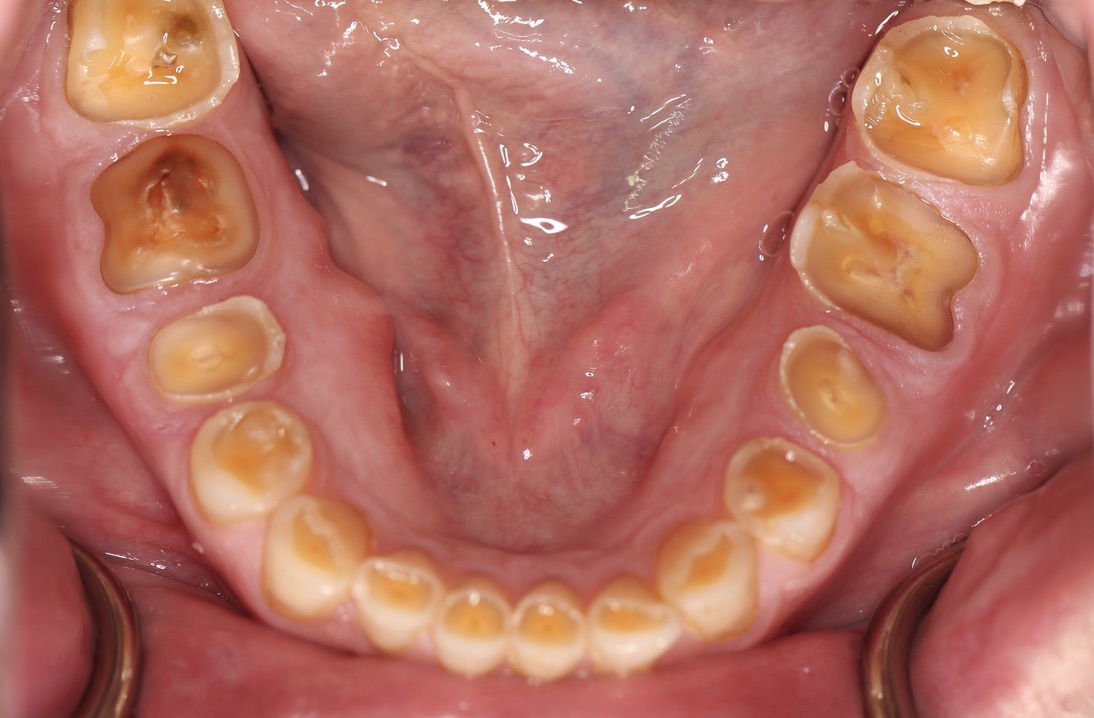
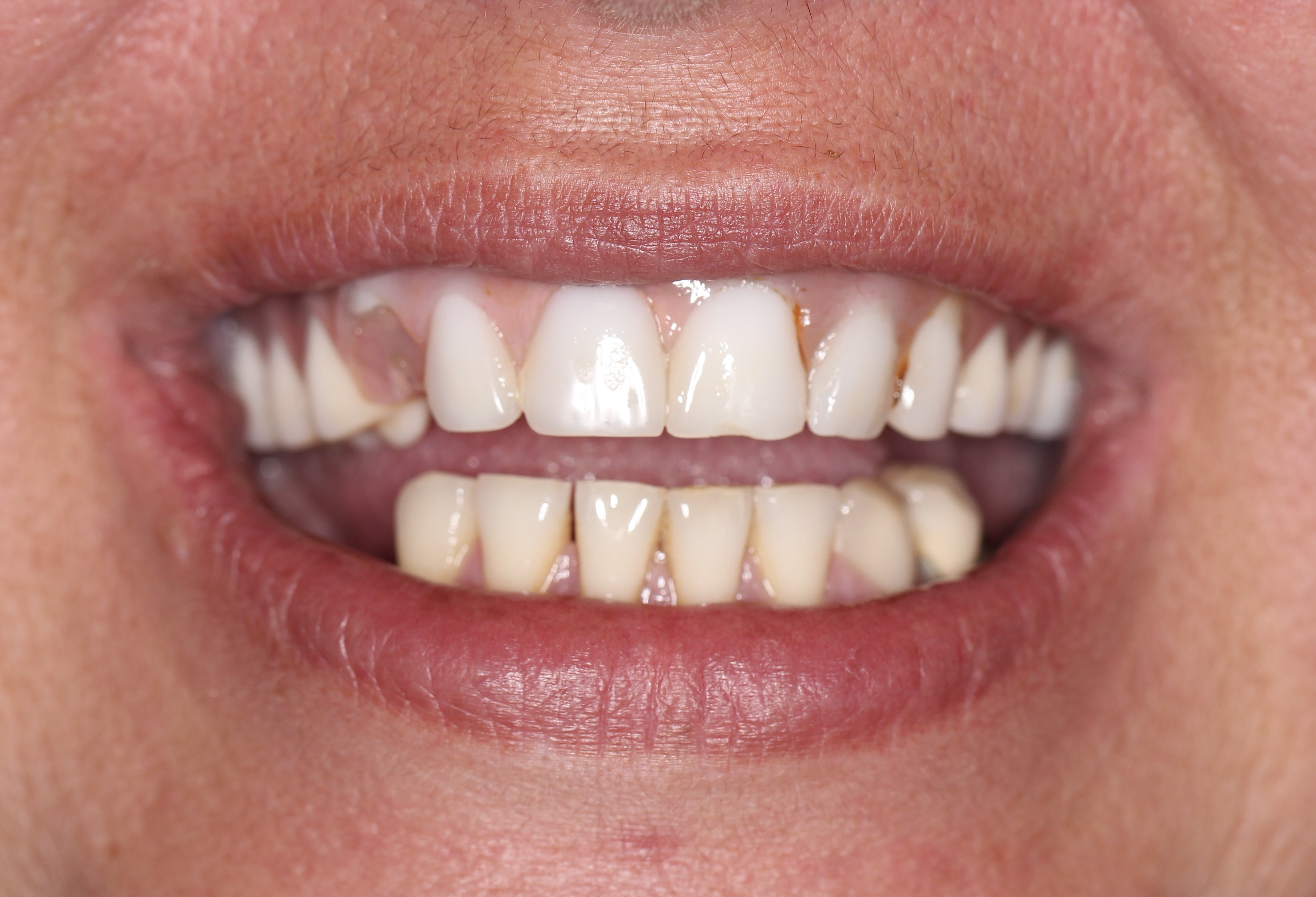
No. Worn teeth, failing crowns, missing teeth, and difficulty chewing can create the need for extensive treatment without making every remaining tooth unsalvageable.
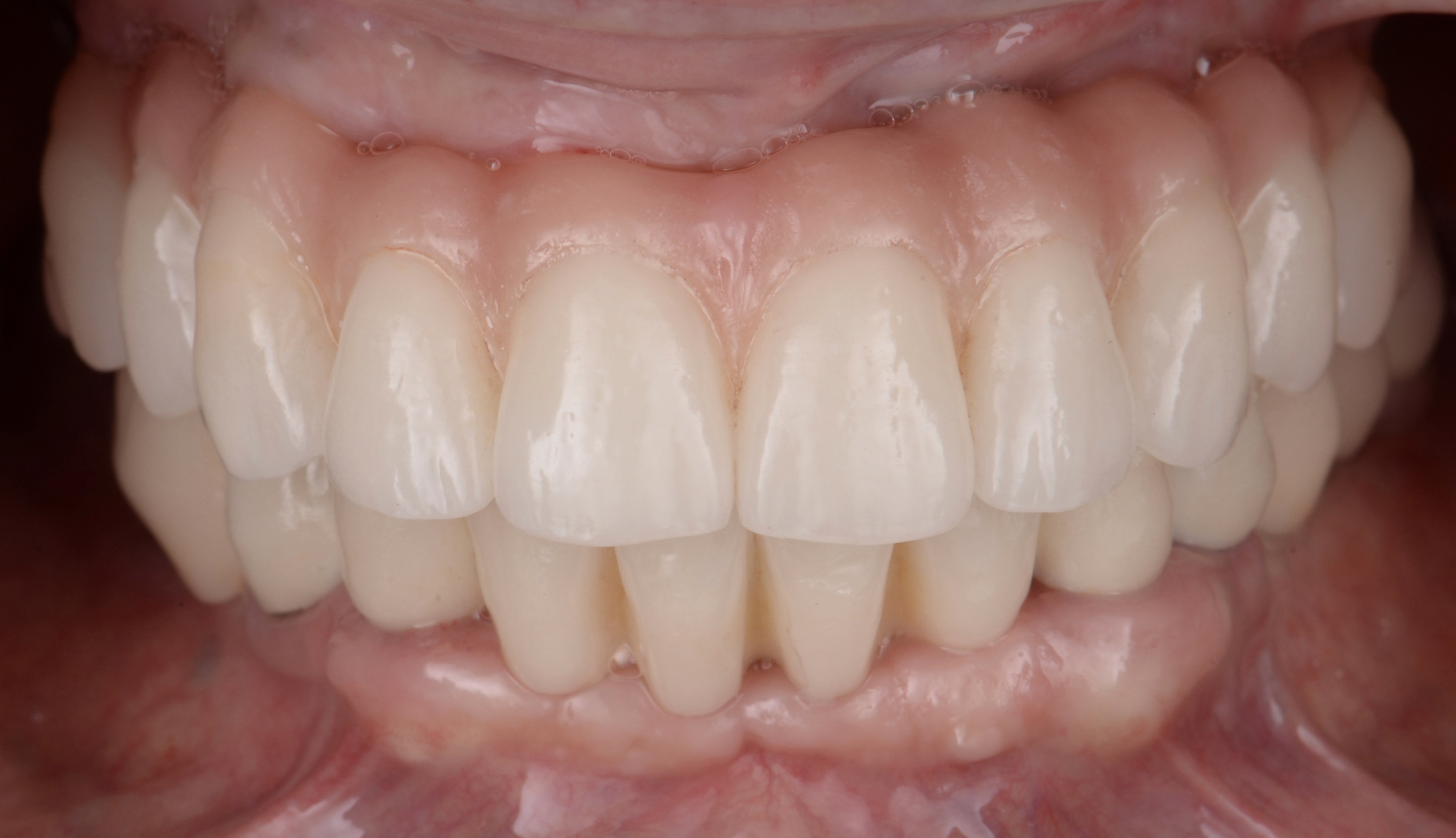
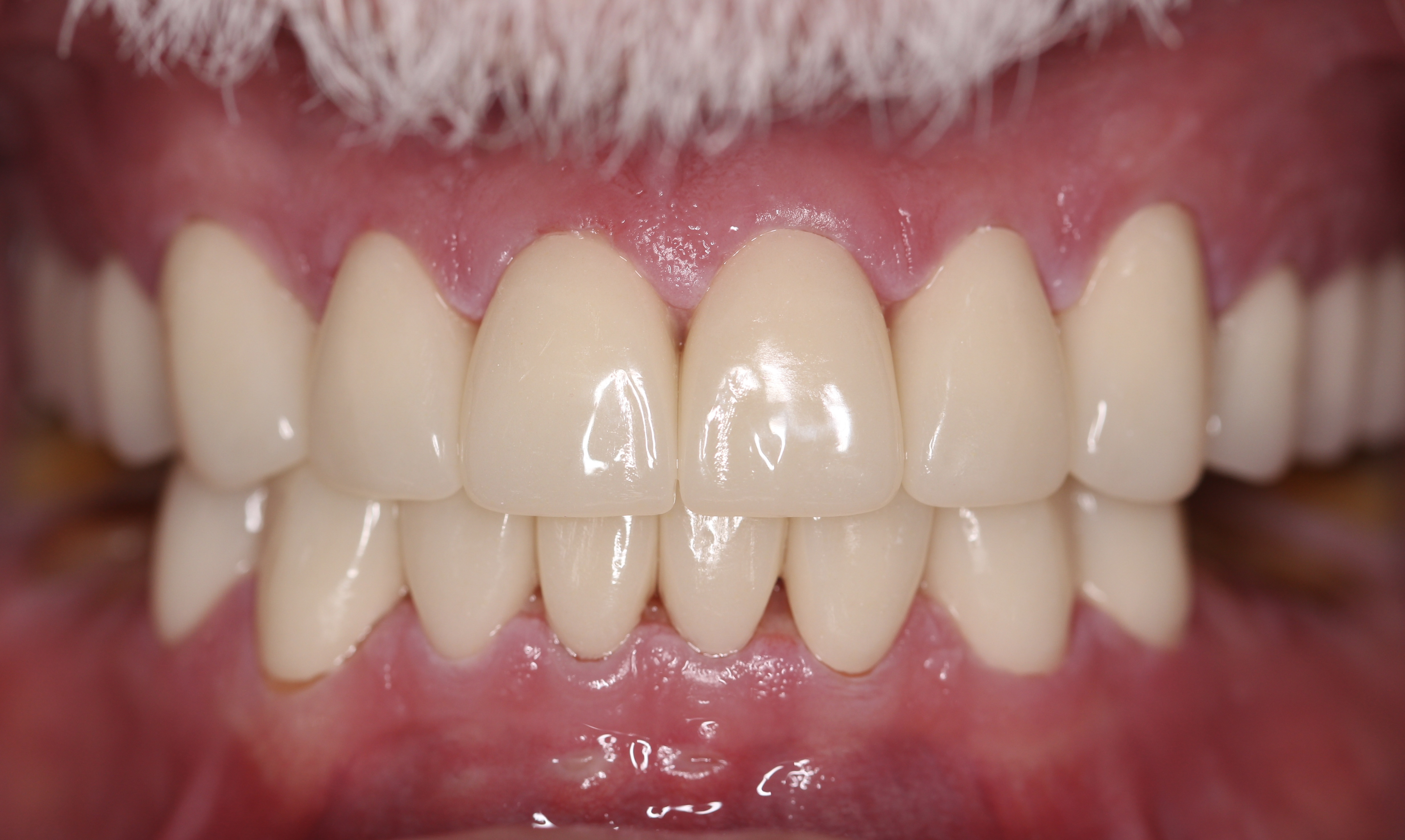
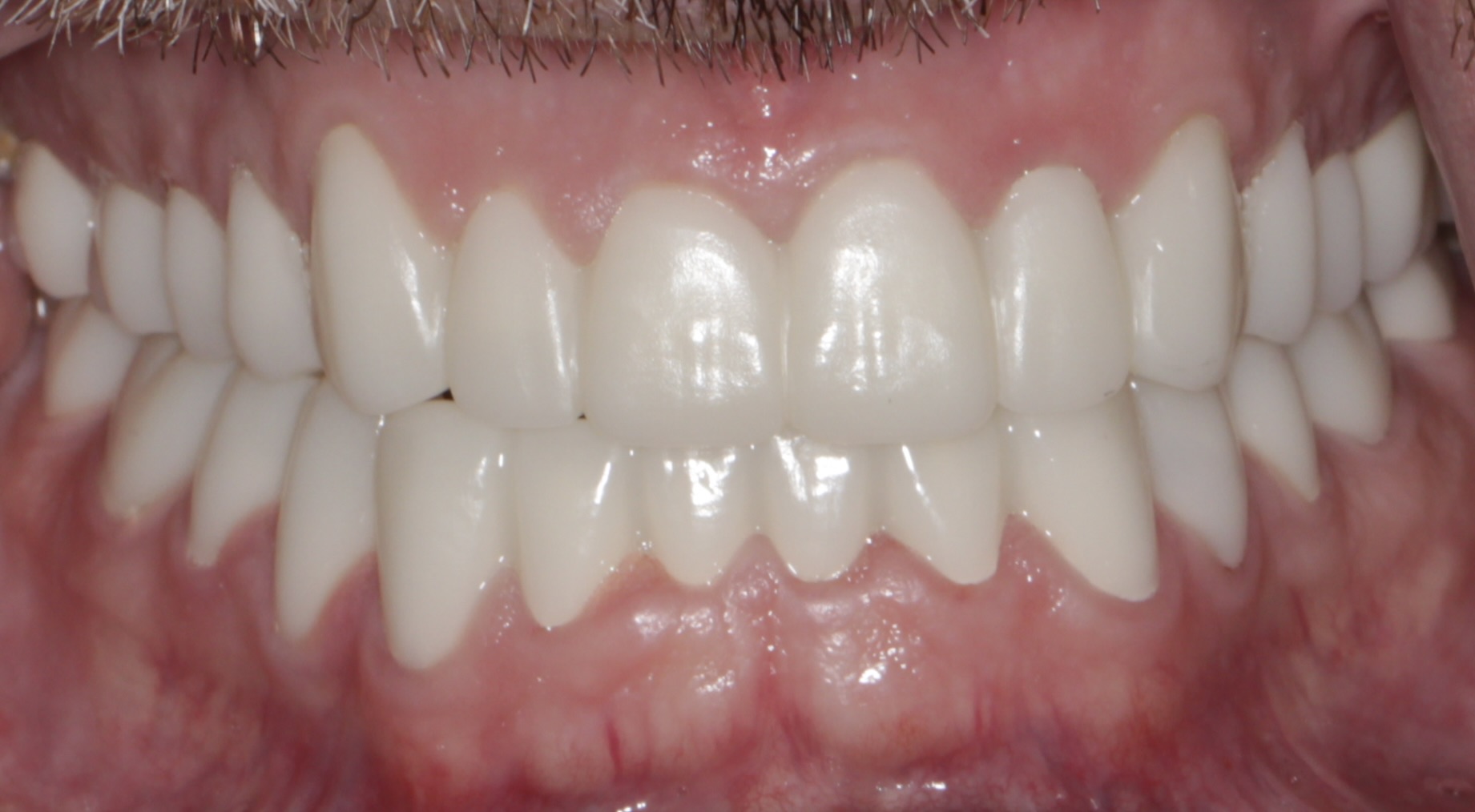
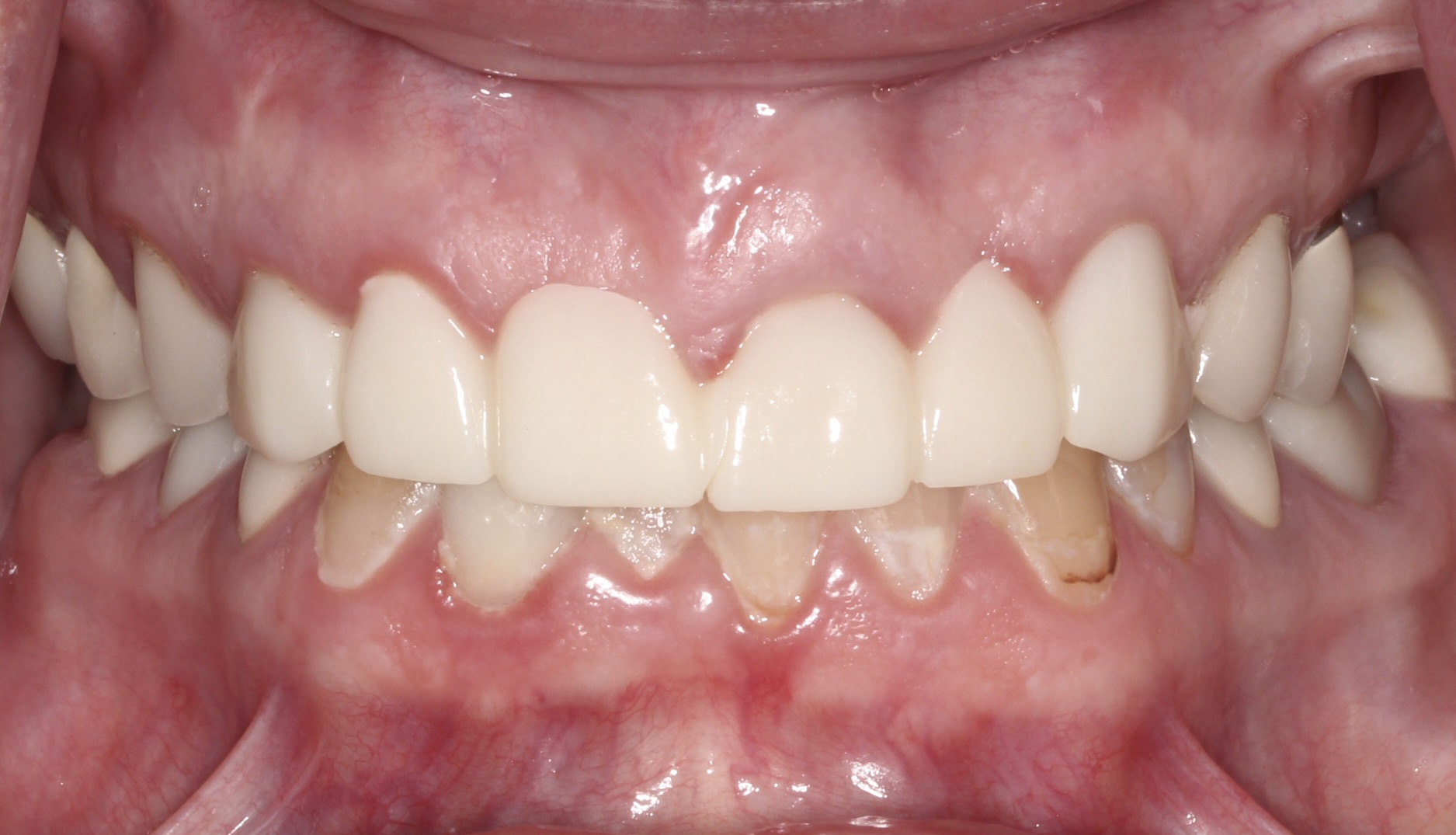
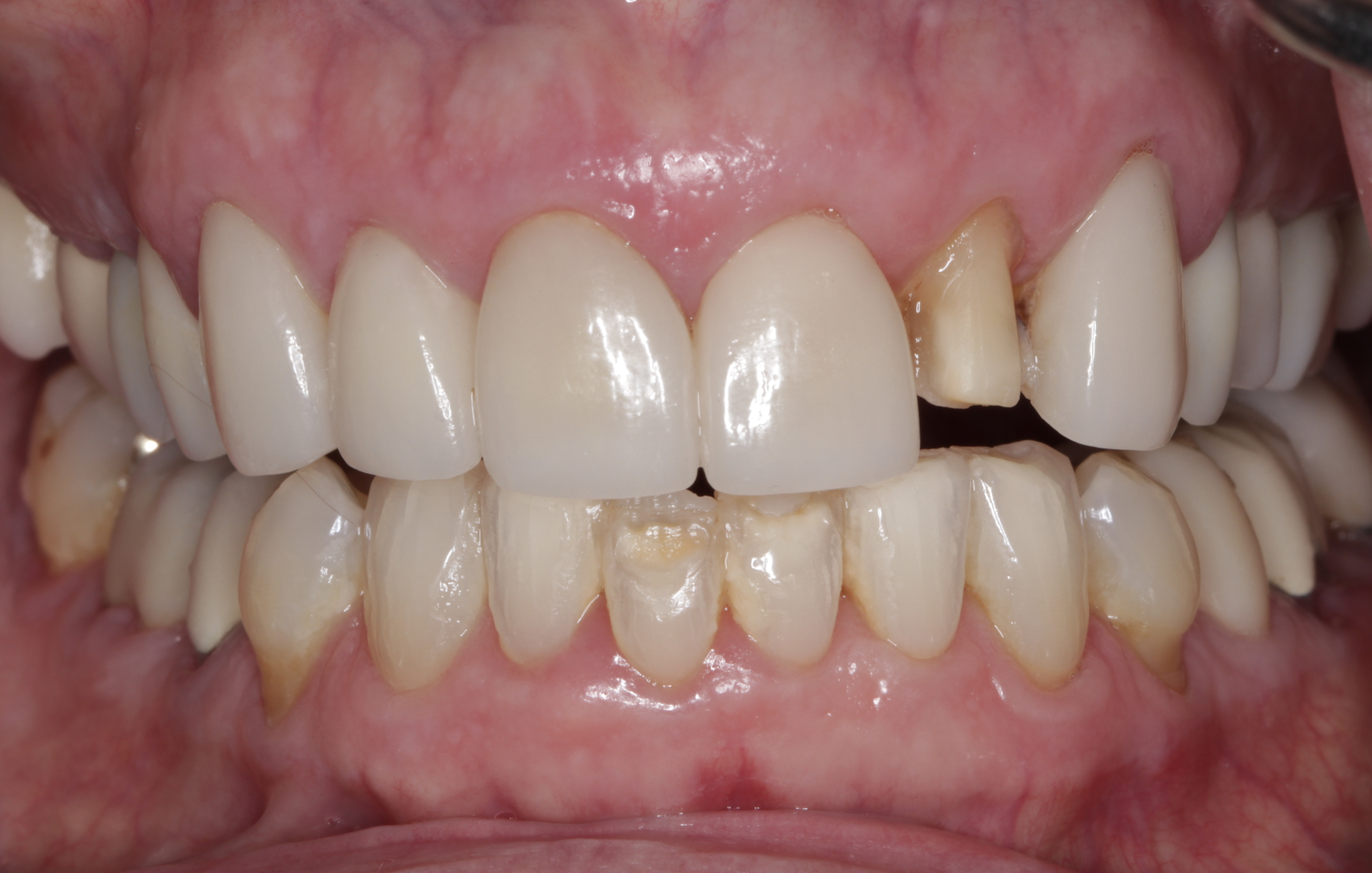
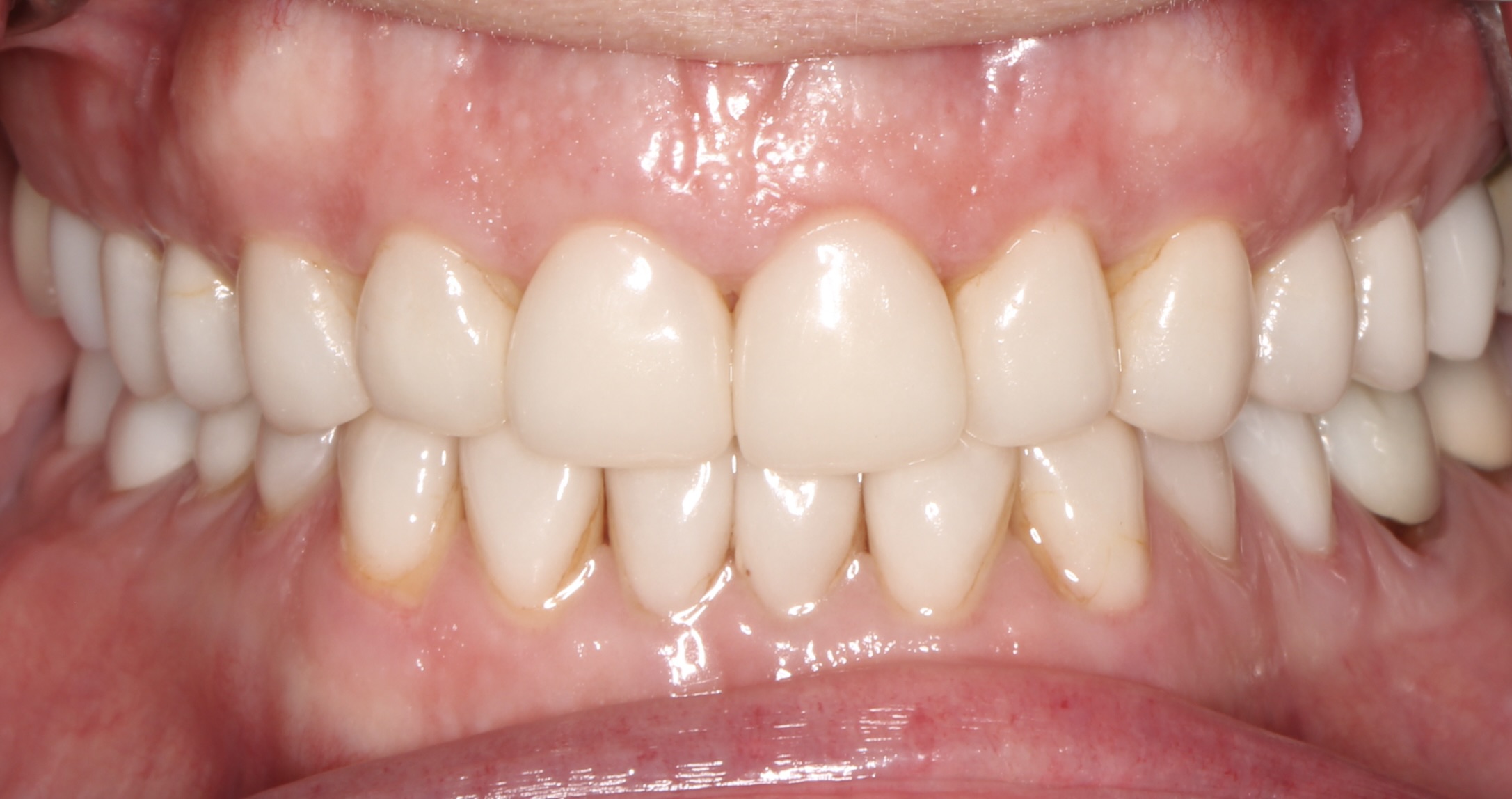
A full-mouth restoration can rebuild natural teeth and replace missing teeth within one coordinated plan. The extent of the work does not determine whether that plan should be supported by teeth, implants, or a combination of the two.
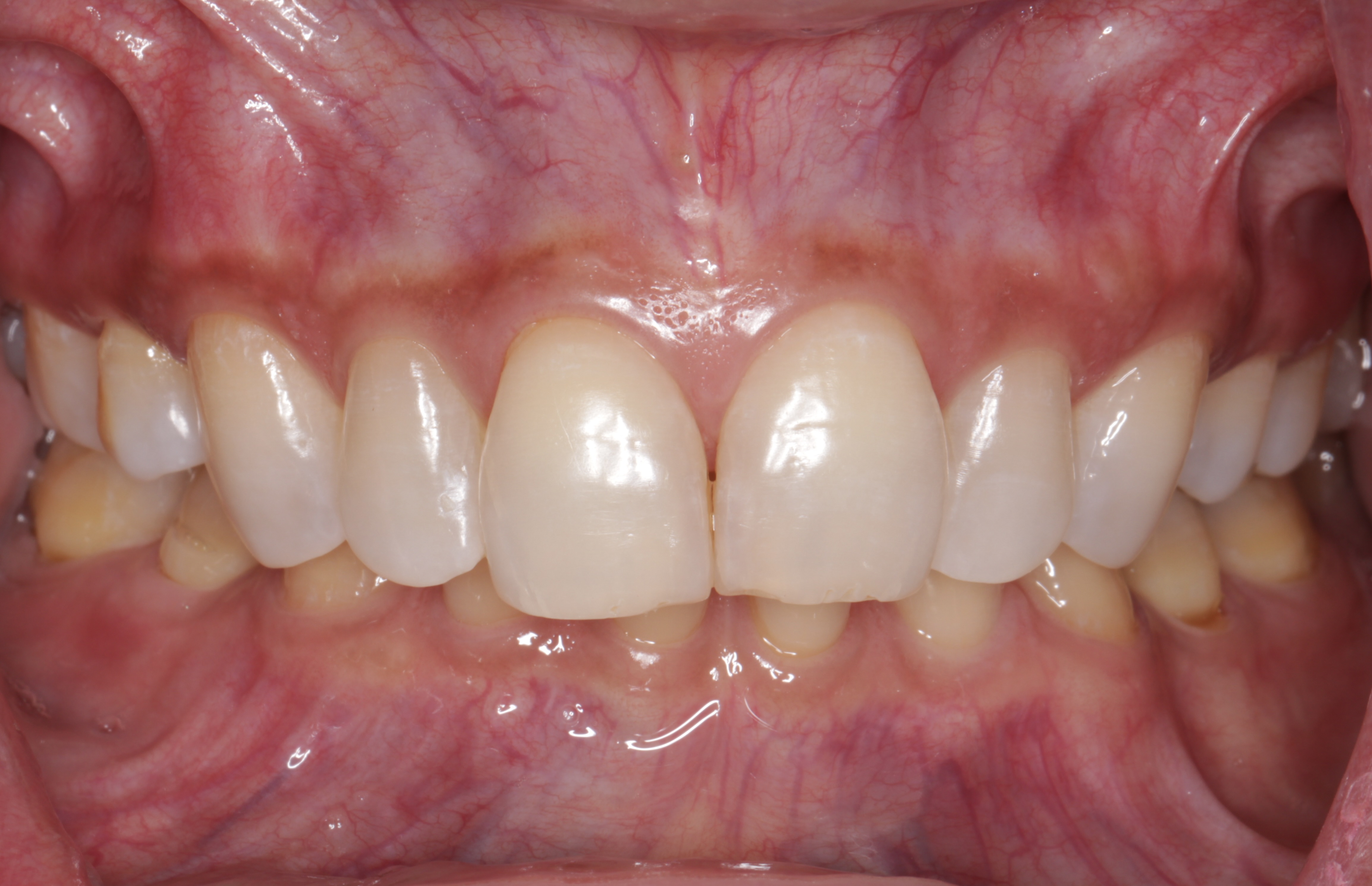
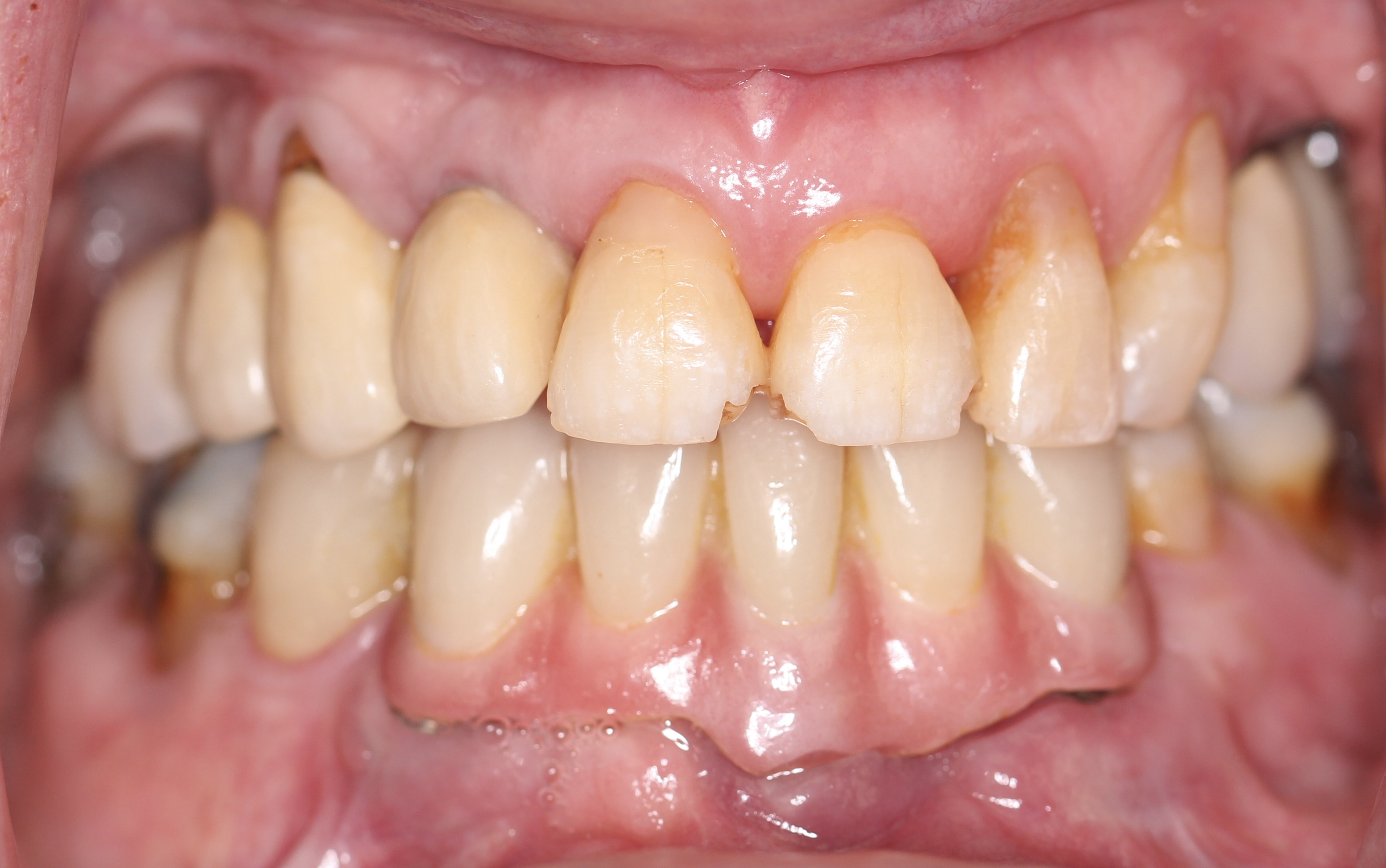
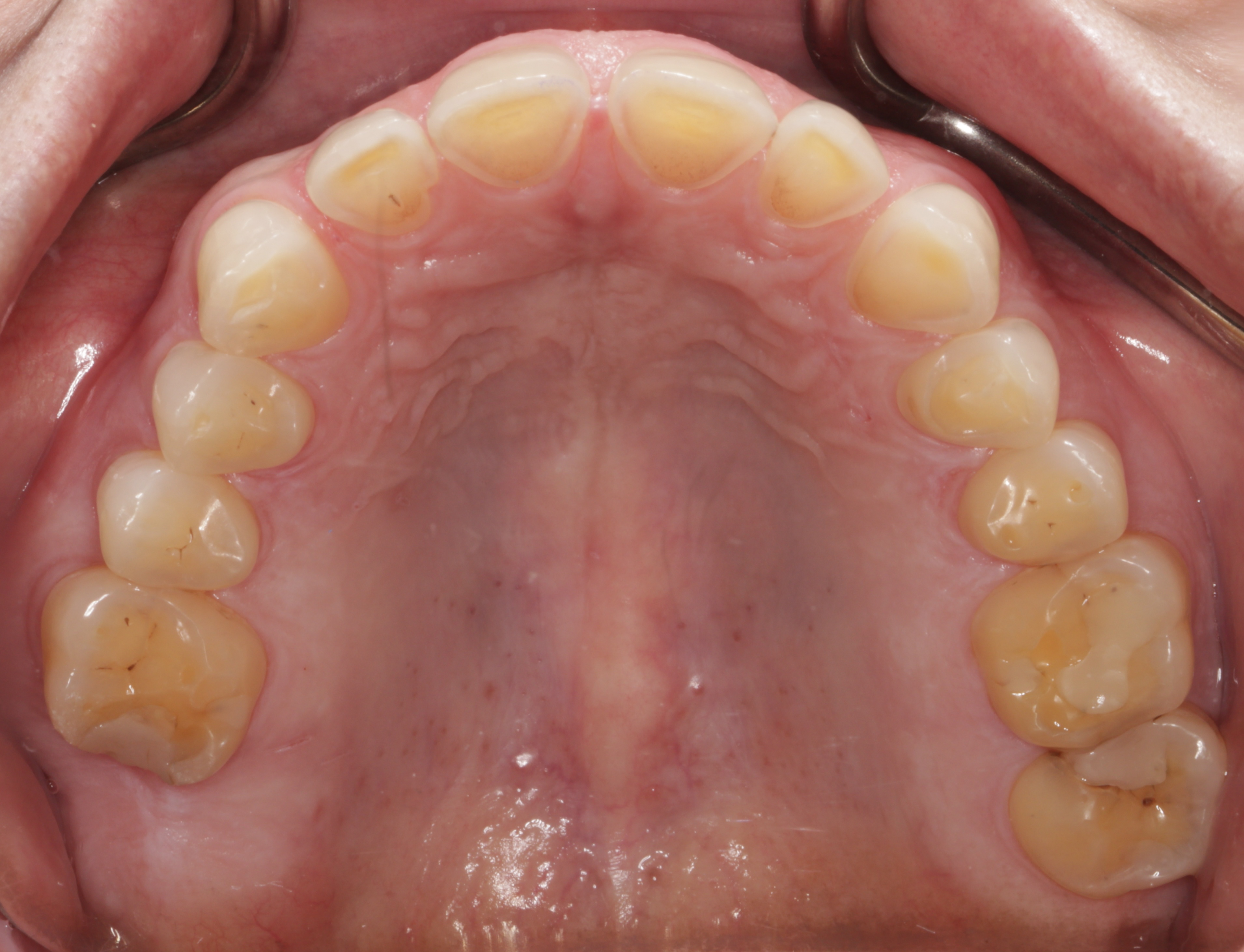
The appearance of the mouth alone cannot settle that question either. Teeth that look badly damaged may still have a useful foundation. Others may look acceptable but have substantial decay, fractures, or loss of support. The recommendation needs to follow the clinical findings.
Prosthodontics is the dental specialty concerned with restoring and replacing teeth. Prosthodontists complete three additional years of specialty training beyond dental school, encompassing crowns, bridges, dentures, implant-supported restorations, and comprehensive treatment planning.
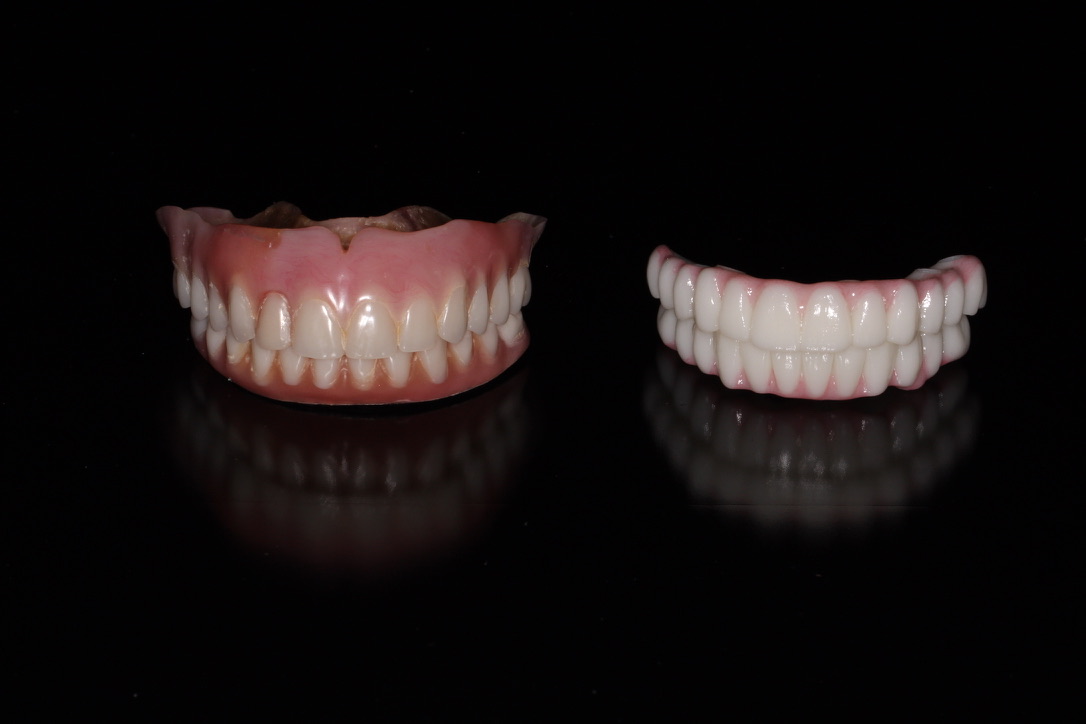
Full-arch implant treatment can offer a more standardized approach than rebuilding a mouth with teeth that have different restorative needs. It may therefore be presented as a unified solution even when some teeth remain treatable. But a simpler treatment pathway does not, by itself, establish that removing those teeth is the best choice.
In my practice, I provide both tooth-supported and implant-supported treatment. That allows me to evaluate what each approach could accomplish for the same patient.
The question extends beyond whether implants can be placed. It includes whether the existing teeth can support a sound restoration, how the bite should be rebuilt, and how the result will relate to the face and smile. Esthetics and function are designed simultaneously.
When treatment involves multiple disciplines, I coordinate the necessary periodontal, endodontic, orthodontic, or surgical input as part of that plan.
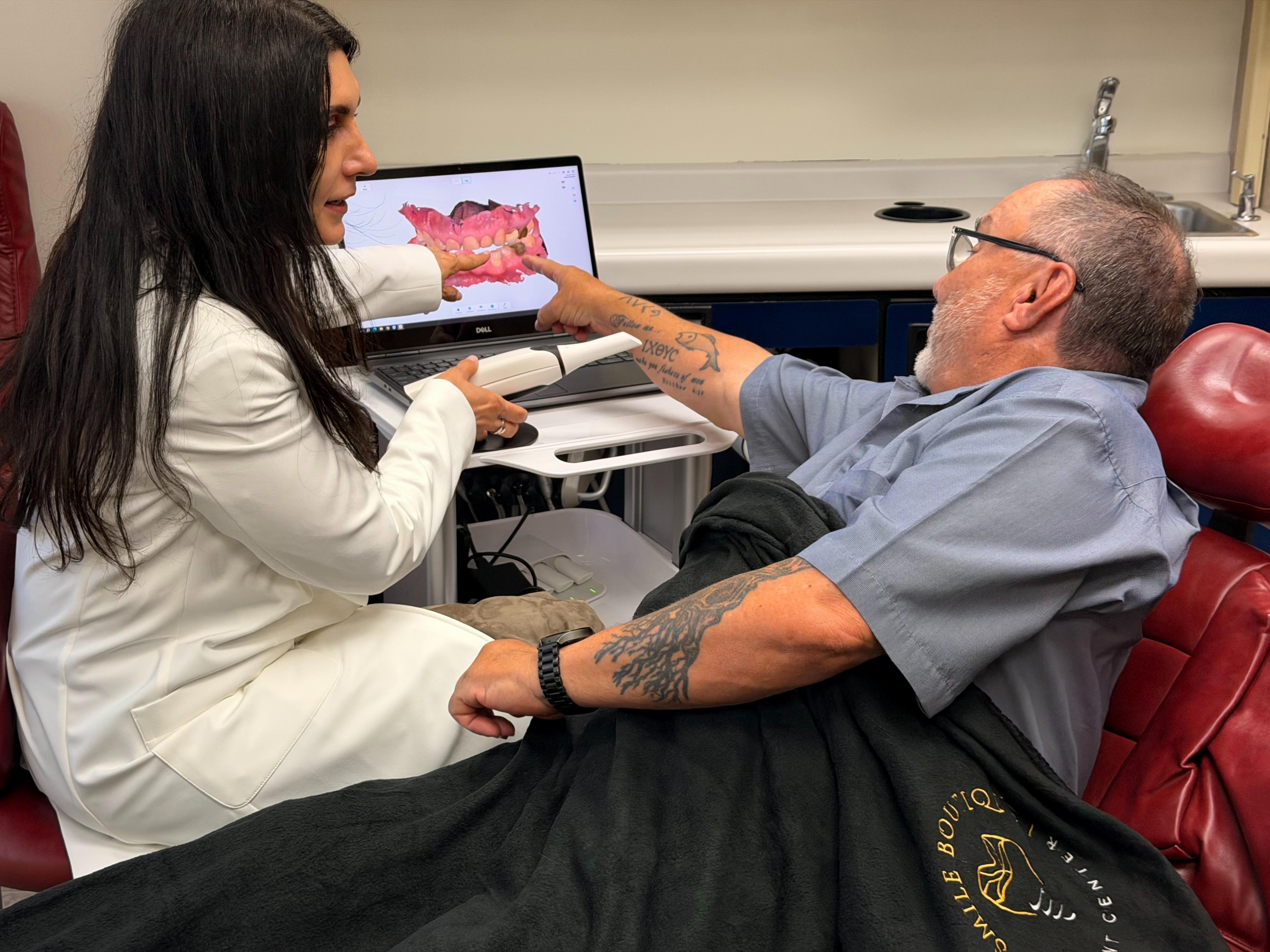
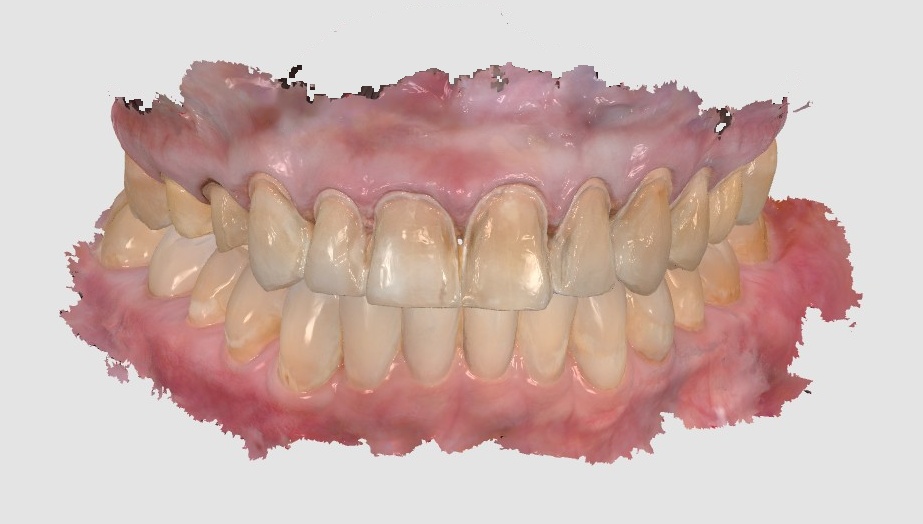
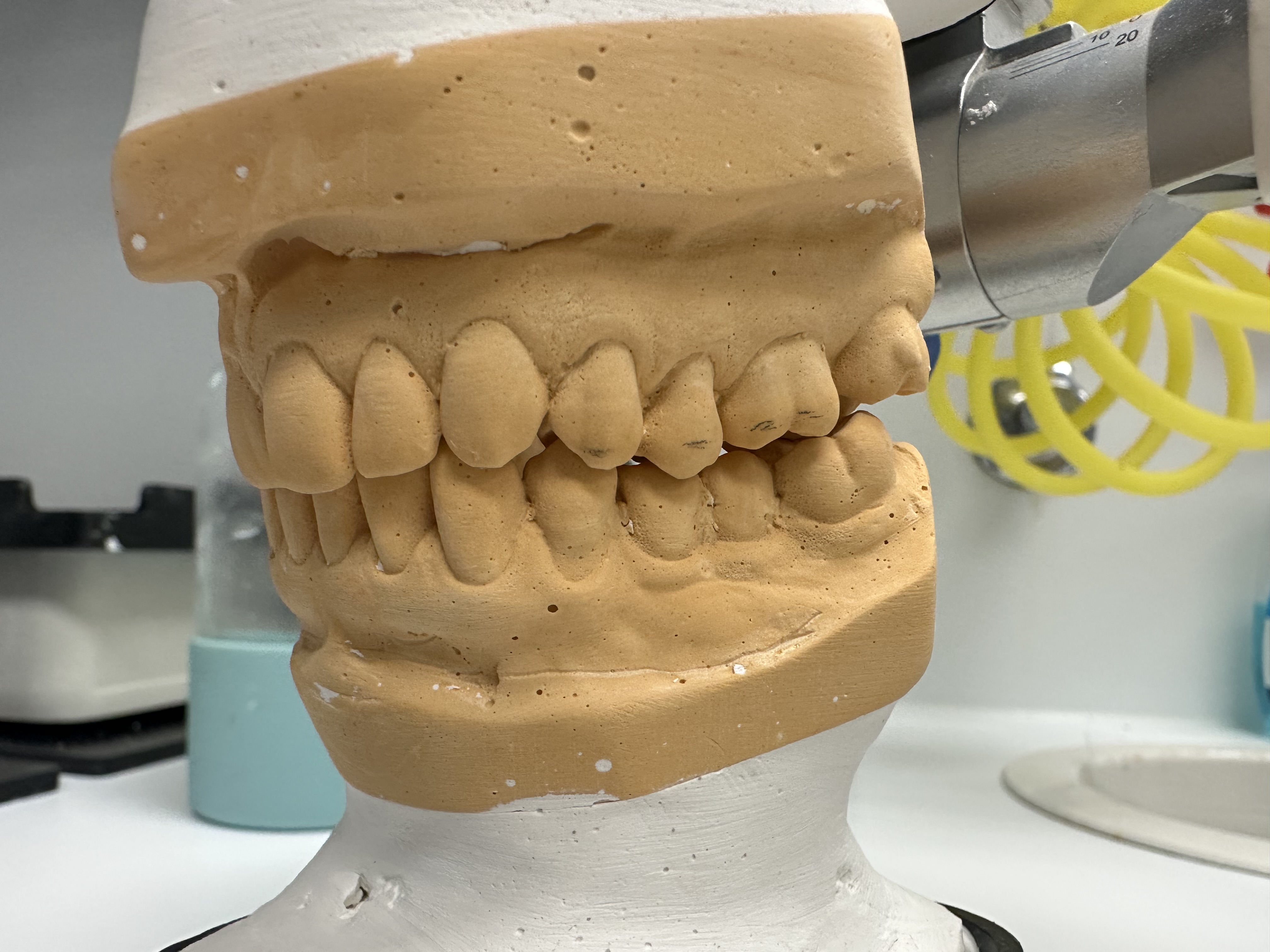
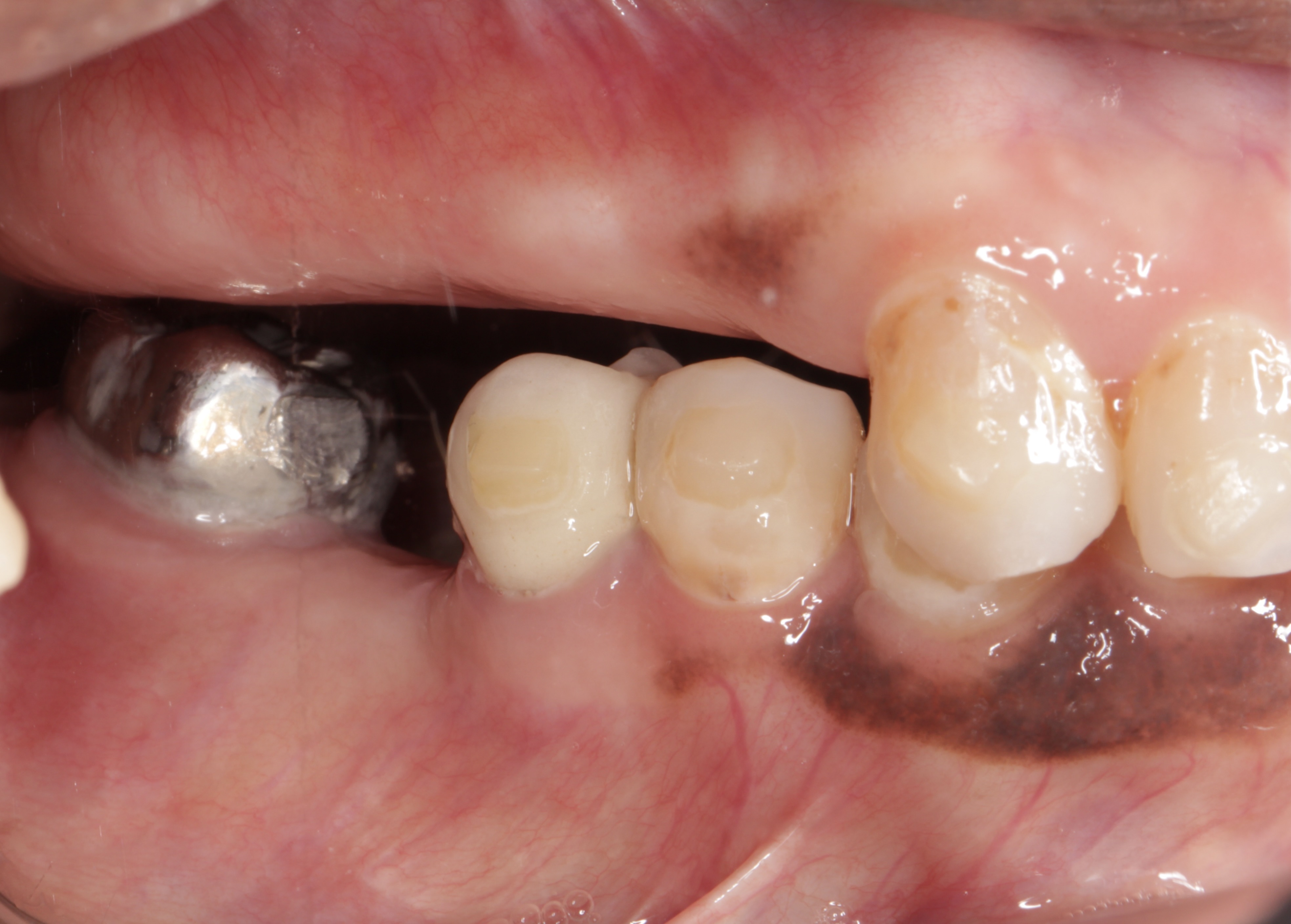
I examine the remaining tooth structure, decay, fractures, existing restorations, periodontal support, and any root canal concerns. Diagnostic imaging, photographs, scans, and bite records help me understand both individual problems and their relationship to the overall reconstruction.
A tooth’s location also matters. Several teeth with reasonable prognoses may offer very different restorative possibilities depending on where they are and how they are distributed.
Prosthodontic guidance supports retaining suitable natural teeth and calls for assessment of risks and alternatives before extracting them. It also recognizes that a tooth without symptoms may still warrant removal because of its position or role in the overall plan.
There is a distinction between a tooth that can technically be treated and one that can contribute reliably enough to justify including it in a substantial restoration. I consider the treatment it would require, its expected prognosis, and the consequences if it were lost later.
A few compromised teeth should not automatically determine the fate of the entire arch. The purpose of the evaluation is to make those distinctions.
The alternatives depend on what remains usable and what needs to be replaced.
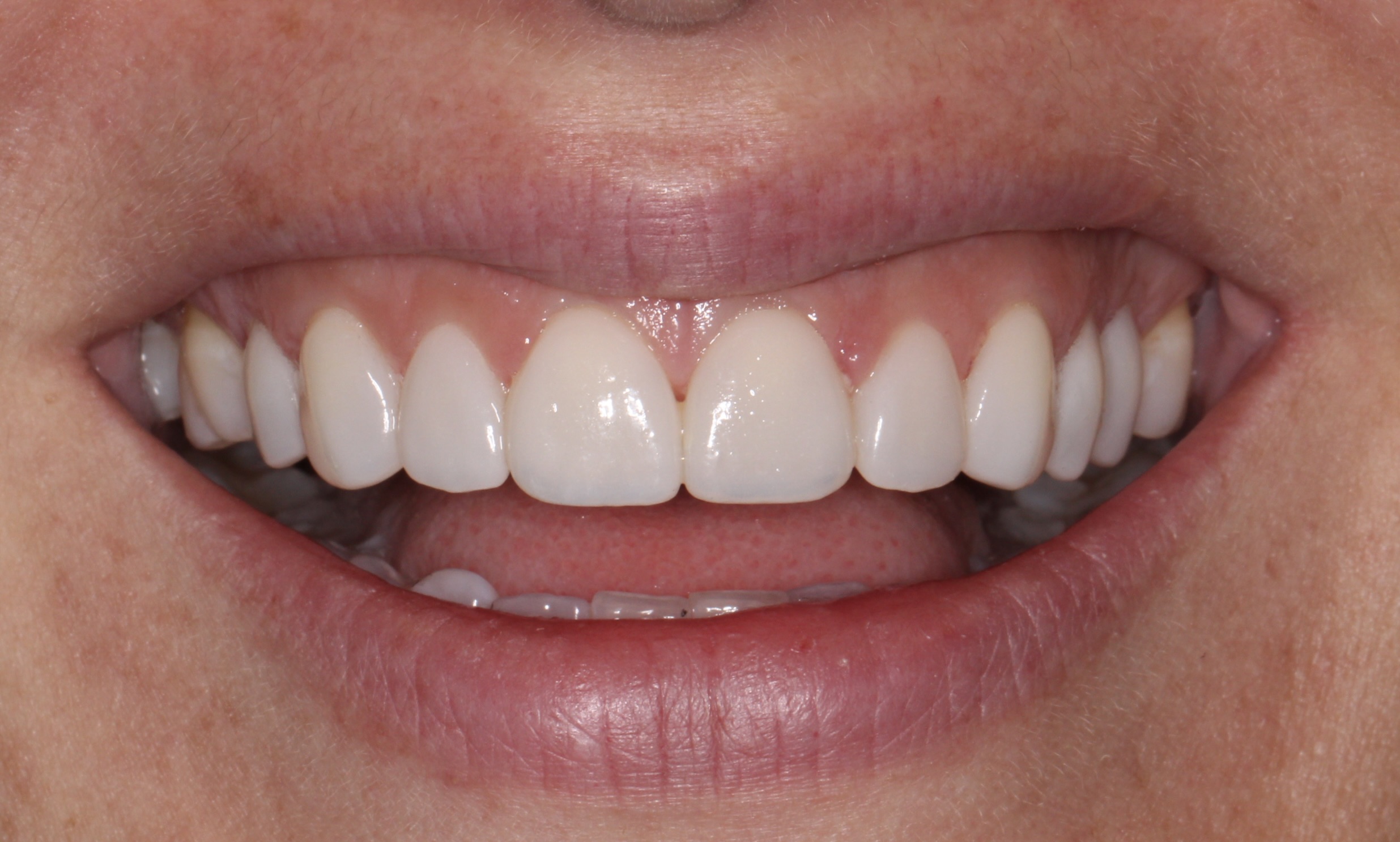
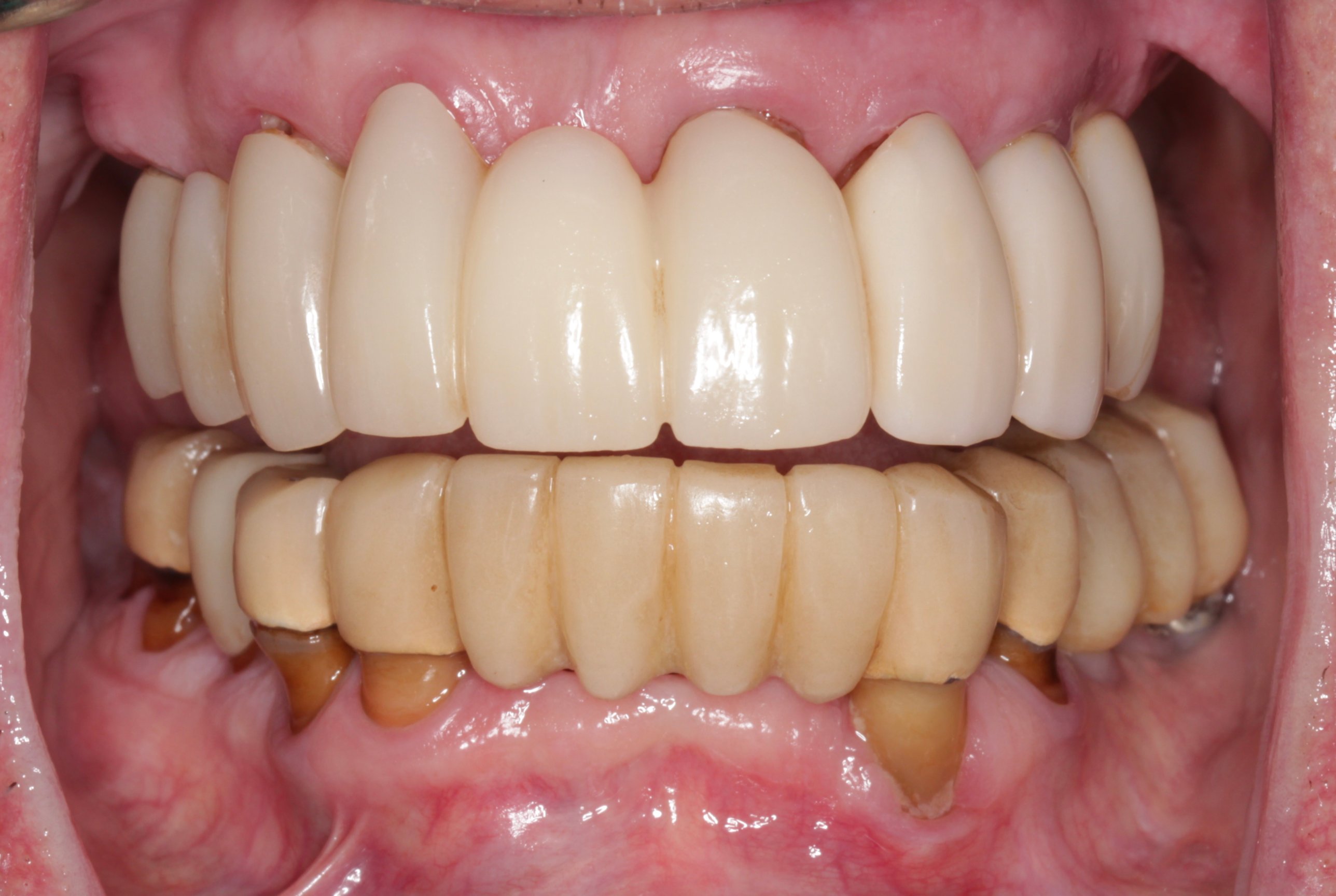
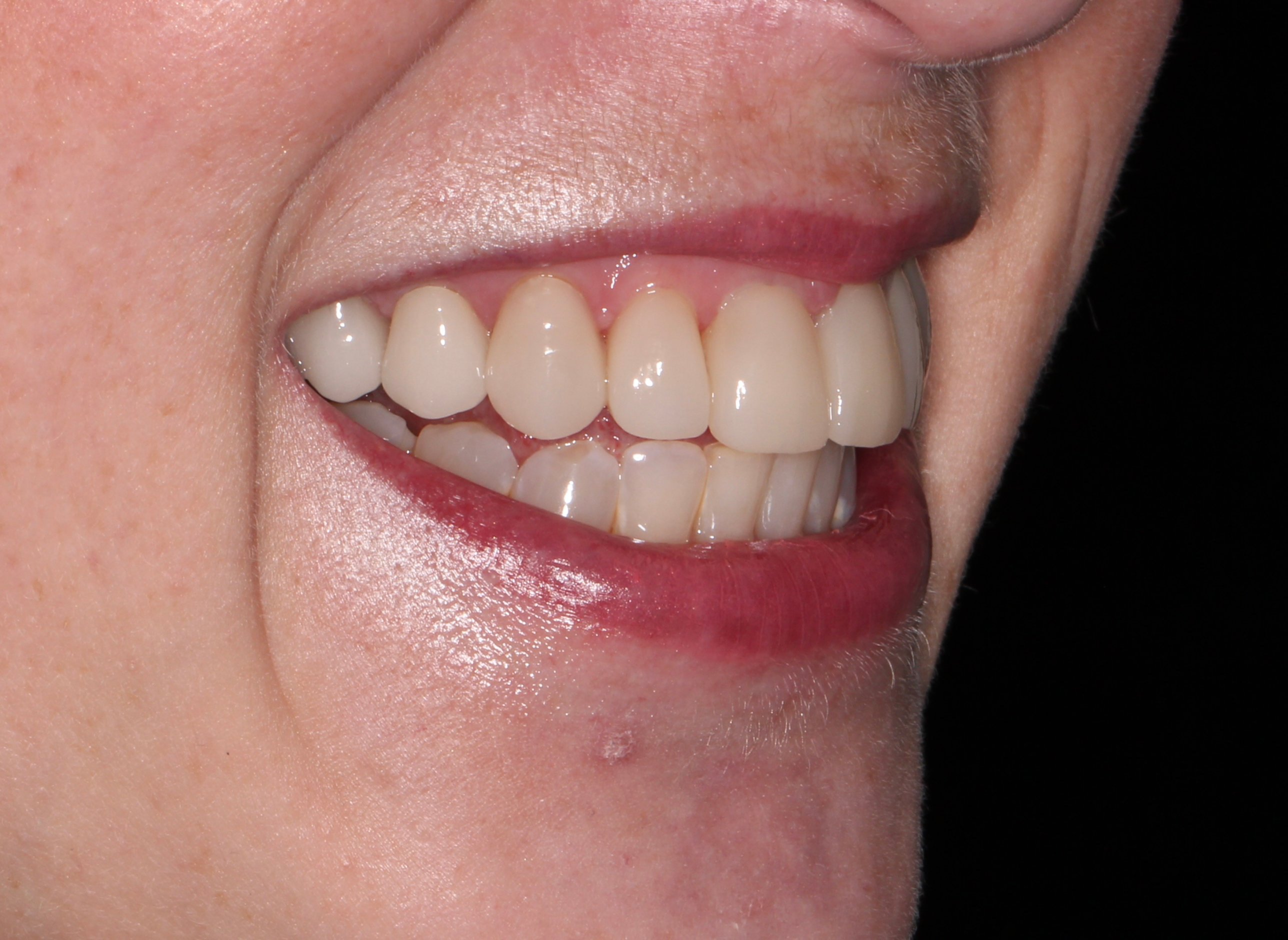
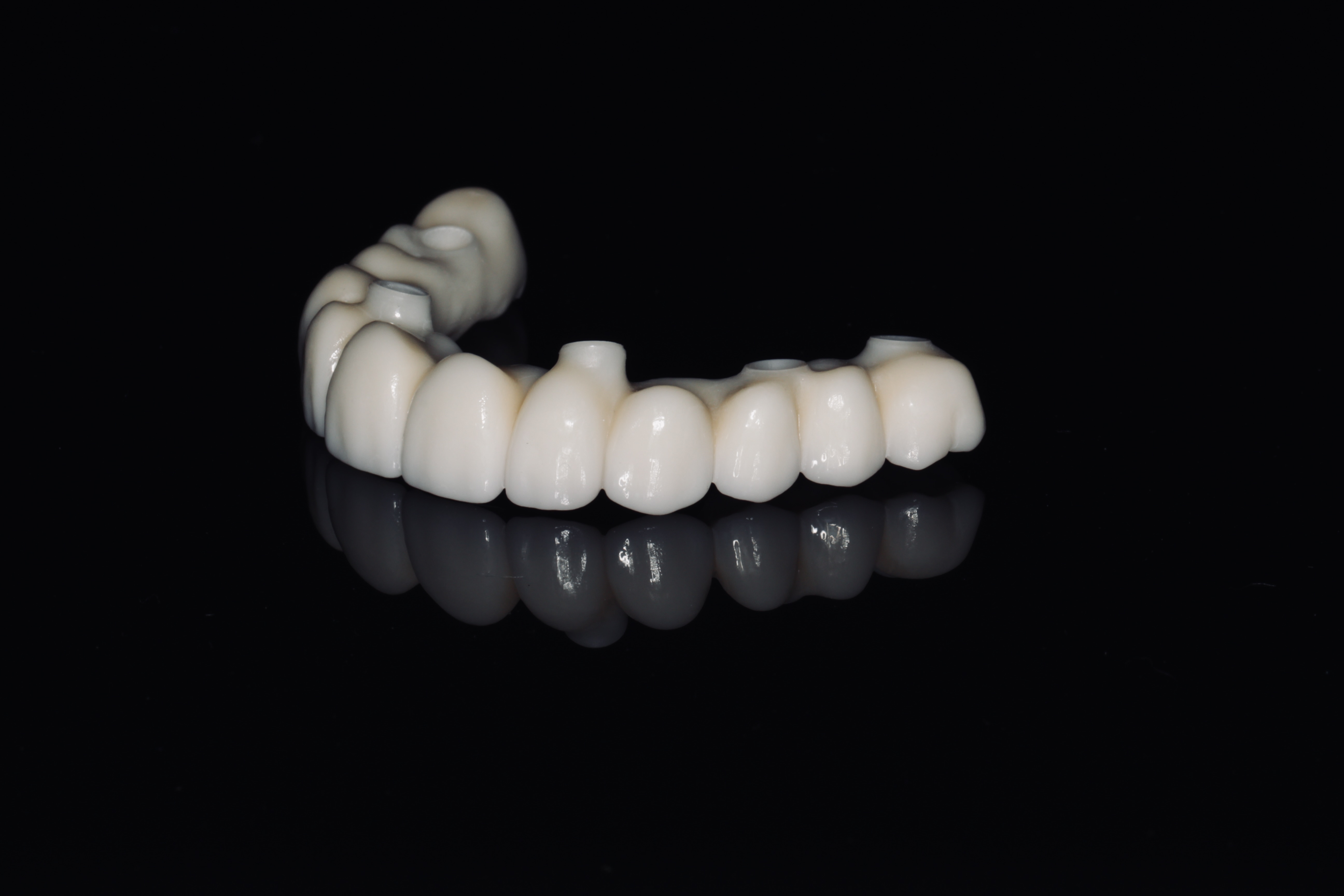
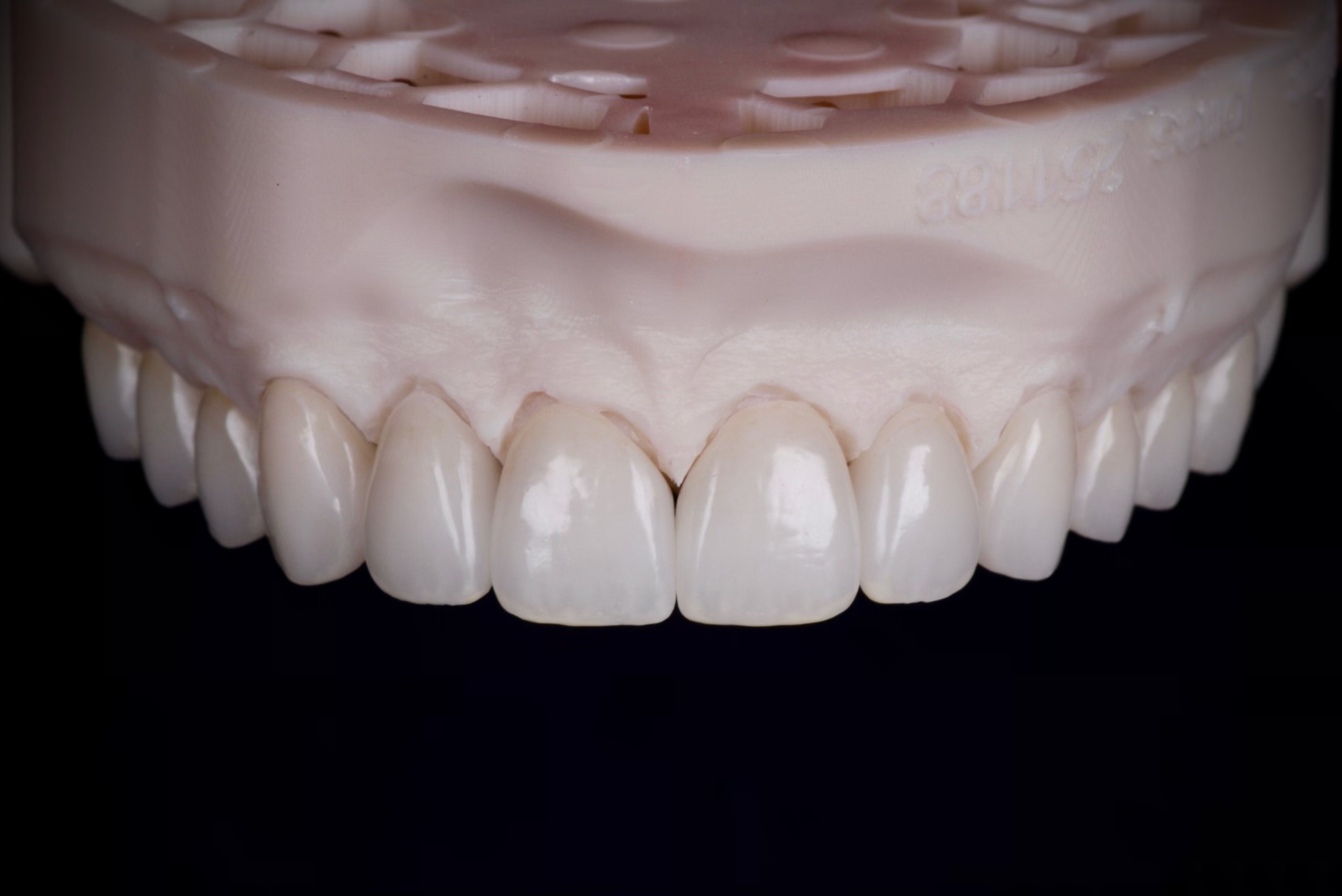
Restoring natural teeth. Teeth with adequate structure and support may be restored with crowns or other restorations. In a worn dentition, this can involve rebuilding tooth form and the bite across the mouth.
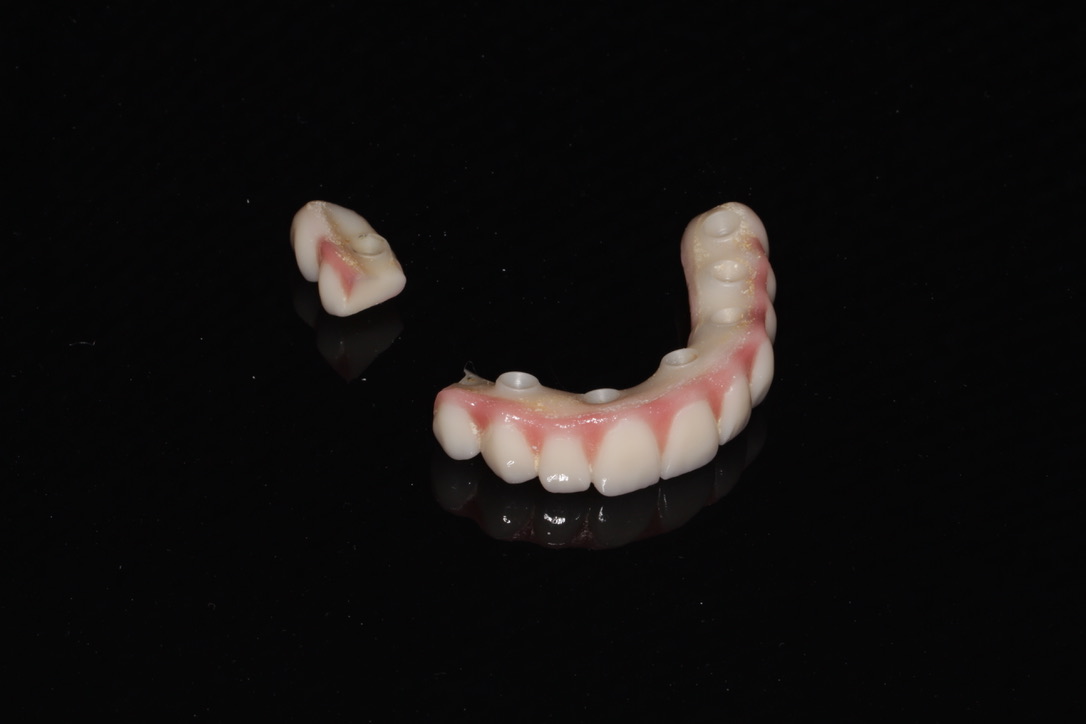
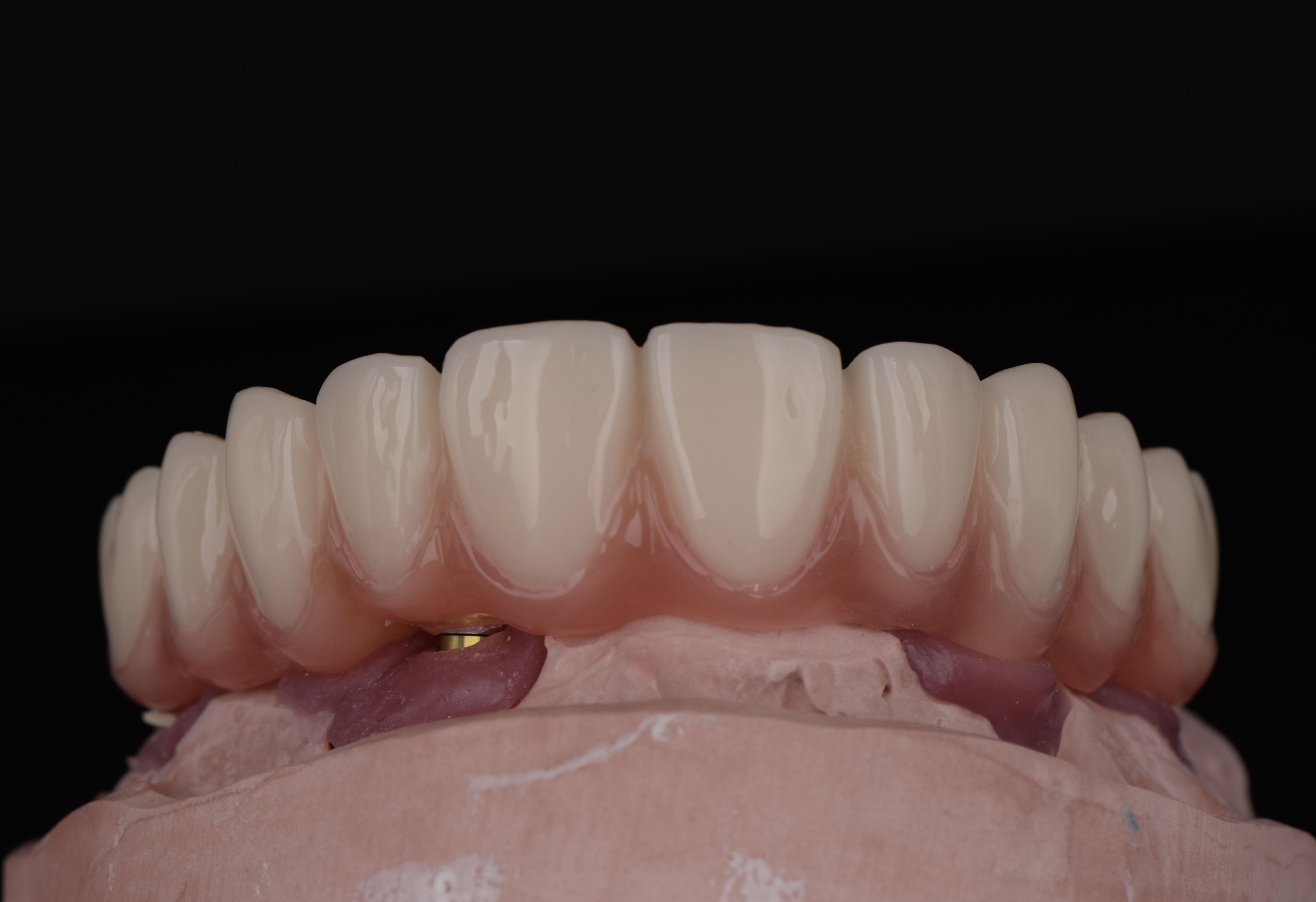
Replacing selected teeth. Teeth that cannot be retained may be removed and replaced with individual implants or bridges, while other teeth are restored and maintained.
Combining treatments. A comprehensive reconstruction may include restored natural teeth and implant-supported restorations in different areas. Supporting treatment may be needed to establish a suitable foundation.
These options must be evaluated for the mouth in front of me. I discuss their expected prognosis, treatment sequence, maintenance requirements, cost, and how they fit the patient’s priorities.
Sometimes the remaining teeth cannot provide a reasonable foundation for reconstruction. In that situation, full-arch implant treatment may be the appropriate choice.
The evaluation still matters. It establishes why the alternatives are unsuitable and allows the restoration to be planned before surgery. Tooth position, smile display, lip support, bite, restorative space, and access for cleaning influence the implant and surgical plan.
Implants also require ongoing care. They can develop inflammation and bone loss, and their restorations need monitoring and maintenance. These responsibilities belong in the discussion before treatment begins.
Before the teeth are removed. Once extractions have been completed, the opportunity to restore those teeth is gone.
Keeping suitable natural teeth retains their sensory feedback during biting and chewing and can help preserve the surrounding bone and gum architecture. Implants may still be an option later if needed, depending on your health and the condition of the site at that time.
If you have been offered All-on-X and want to understand whether another approach is viable, that is a reason for a comprehensive prosthodontic evaluation. At Smile Boutique Implant Center in Austin, I review your concerns, examine your mouth, and explain the findings behind my recommendation.
You deserve an answer to the question you came with: “Do I need to lose all my teeth, or is there another way to restore my mouth?”
This article provides general education and does not replace an individual examination. Treatment options, prognosis, and results depend on each patient’s clinical findings and circumstances.